
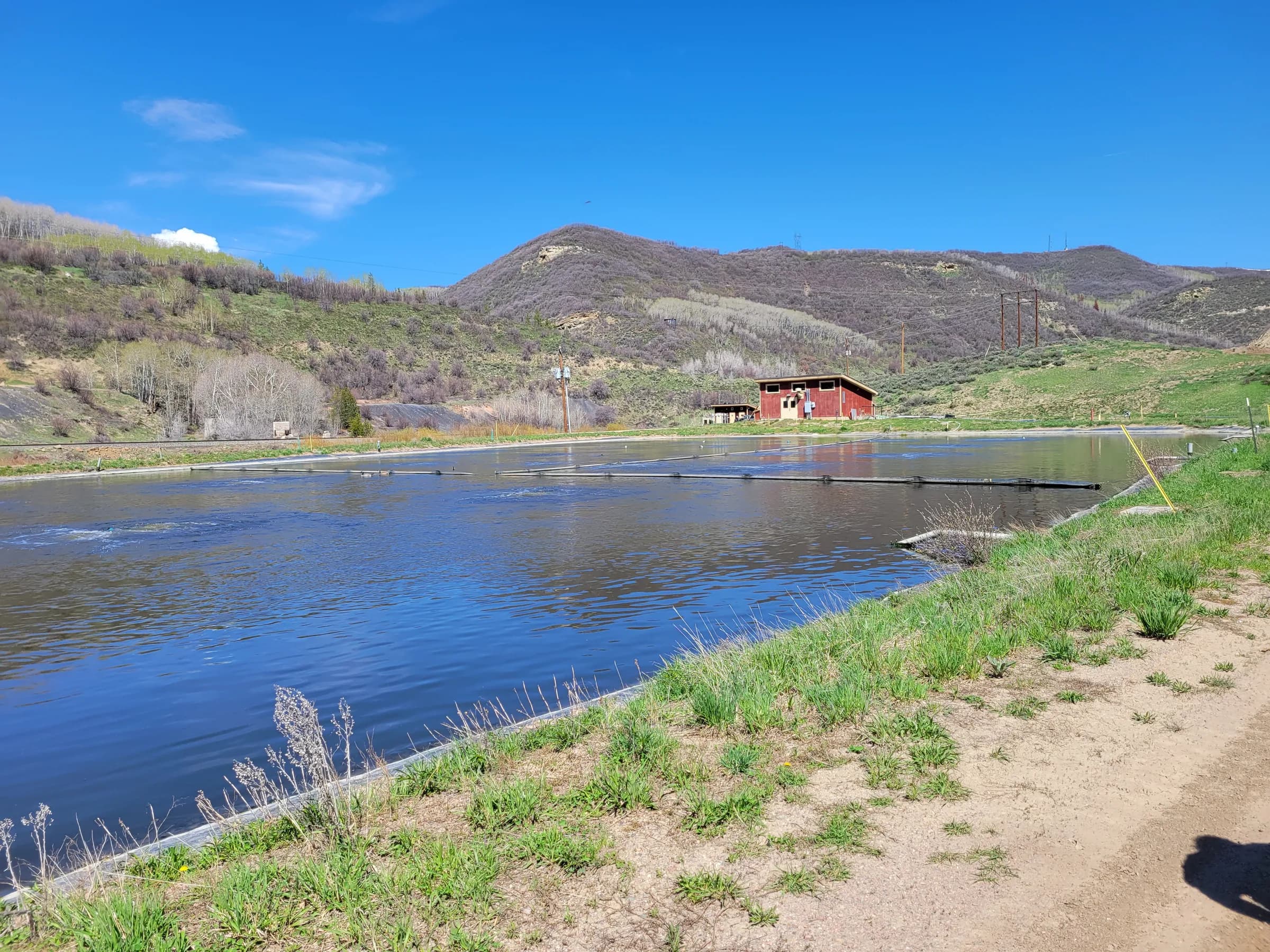
MES quantified water loss and I&I for the town and delivered a final report with engineering estimates and a prioritized roadmap in 2024; follow-up work continues in 2026.
Town of Oak Creek I&I and water loss analysis
Where we work
Sewer collection system design in Colorado: gravity sewers, lift stations, sewer models and rehab plans, through district review and CDPHE Regulation 22.
A collection system is the network of gravity sewers, manholes, lift stations and force mains that carries wastewater from buildings to a treatment plant. MES plans, models and designs these systems for towns, water and sanitation districts, metropolitan districts and developers across Colorado, from our office in Golden.
For a new development, MES lays out the sewer mains, sets pipe sizes and slopes, and designs any lift station the site needs. For an older system, MES reviews CCTV footage and inspection reports, builds a model of the network, and plans lining, pipe replacement and manhole repairs in order of need. Collection work is one part of our wastewater engineering in Colorado.
Most sewer mains are reviewed by the town or district that will own them, under its own design standards. State review applies to the larger pieces. Under Regulation 22, the state's site location and design rules for wastewater works, which the CDPHE Water Quality Control Division administers, a lift station designed for more than 2,000 gallons per day needs site location approval and then design approval before construction. Its design submittal is a basis of design report with the final plans and specifications.
A gravity interceptor sewer 24 inches or larger also falls under Regulation 22. When the receiving plant has the capacity and the line fits the regional water quality plan, the interceptor can use a shorter certification process instead of a full site application. The owner notifies the 208 planning agency and the Division 90 days before construction.
The state's Design Criteria for Domestic Wastewater Treatment Works set the technical rules for the sewers they cover. Sewer mains must be at least 8 inches in diameter, and slopes must give an average day velocity of at least 2 feet per second, figured with the pipe flowing 80 percent full by depth. Lift stations need a second power source for pumping, emergency storage and an analysis of where an overflow would go. A sewer outside Regulation 22 can still need state review when its funding or another program requires it. How sewer permitting works for Colorado developments.
Clear water is the most common problem. Groundwater, storm water and snowmelt get in through cracked pipe, open joints, old manholes, and roof drains or sump pumps tied to the sewer. That water takes up pipe and plant capacity. MES uses flow data and the model to find the sewersheds that carry the most, then plans lining and manhole repairs there first.
Capacity is the second. Growth can push an older trunk line past its limit. A calibrated model shows where pipes surcharge at peak wet weather flow and which upgrades fix it. In Cripple Creek, MES modeled rainfall-derived infiltration and inflow to set the design flows for the city's sewer design.
Aging lift stations are the third. Pumps, controls and generators wear out, and an older station may not meet today's rules for backup power and emergency storage. MES designs replacement stations and writes the engineering report for the state. In Florissant, that meant a 57,000 gallon per day replacement lift station and lining plans for 35,000 feet of sewer pipe.
Funding often decides when work can start. MES helps towns and districts prepare grant applications and the engineering documents that funding programs ask for.
Usually not. The town or district that will own the main reviews it. State approval applies to lift stations over 2,000 gallons per day, to gravity interceptors 24 inches or larger, and to sewers whose funding calls for a state review.
Site location approval under Regulation 22 comes first. Design approval follows, on a single submittal: a basis of design report plus the final plans and specifications. The design must show backup power for pumping, emergency storage and an overflow impact analysis.
We combine CCTV condition data, flow records and the model. Pipes that let in the most clear water, or that limit capacity where growth is coming, rank first. The result is a priority list the owner can budget against.
Projects
Town of Oak Creek I&I and water loss analysis
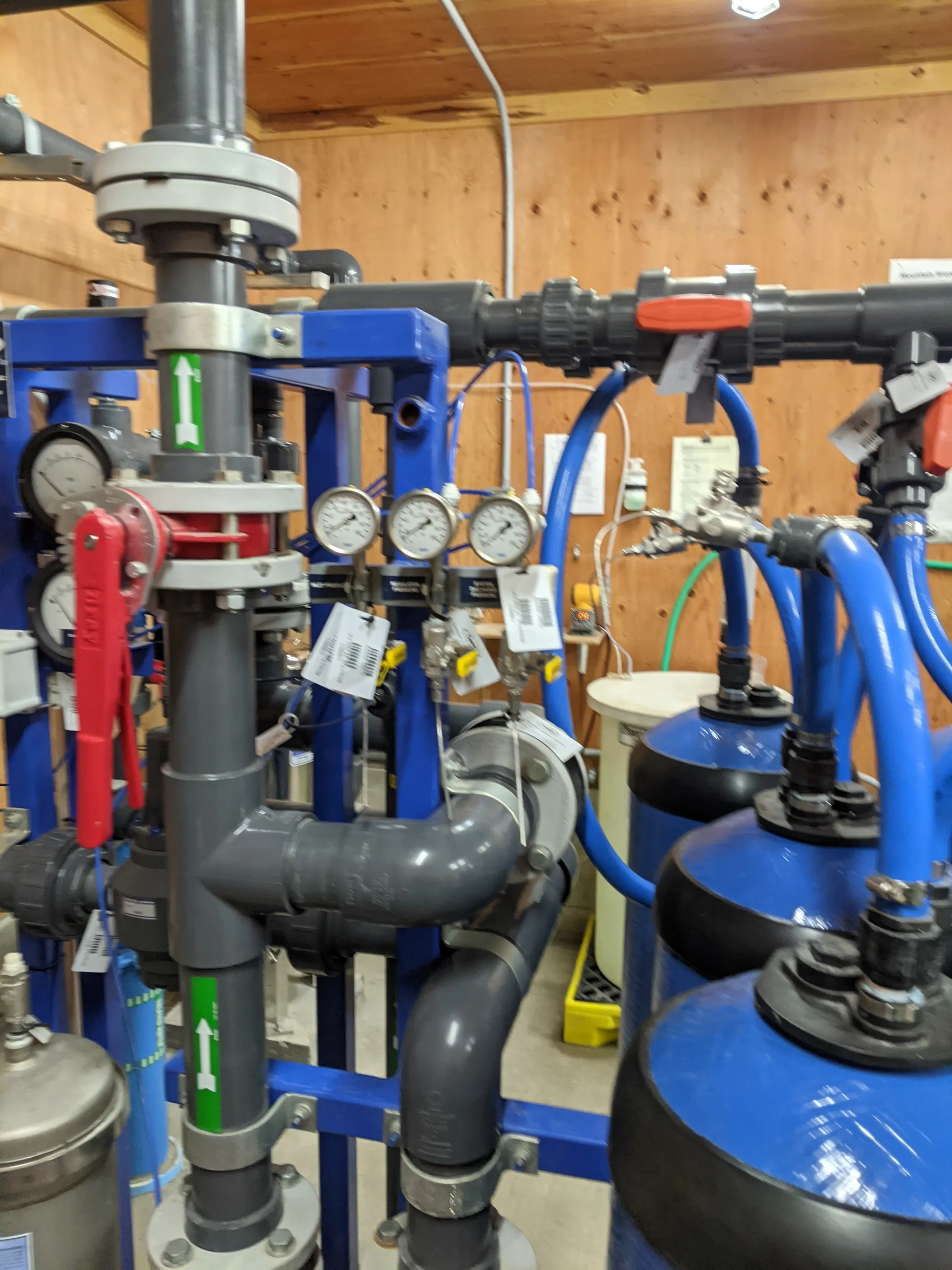
Mountain Water and Sanitation District plant upgrades and line rehabilitation
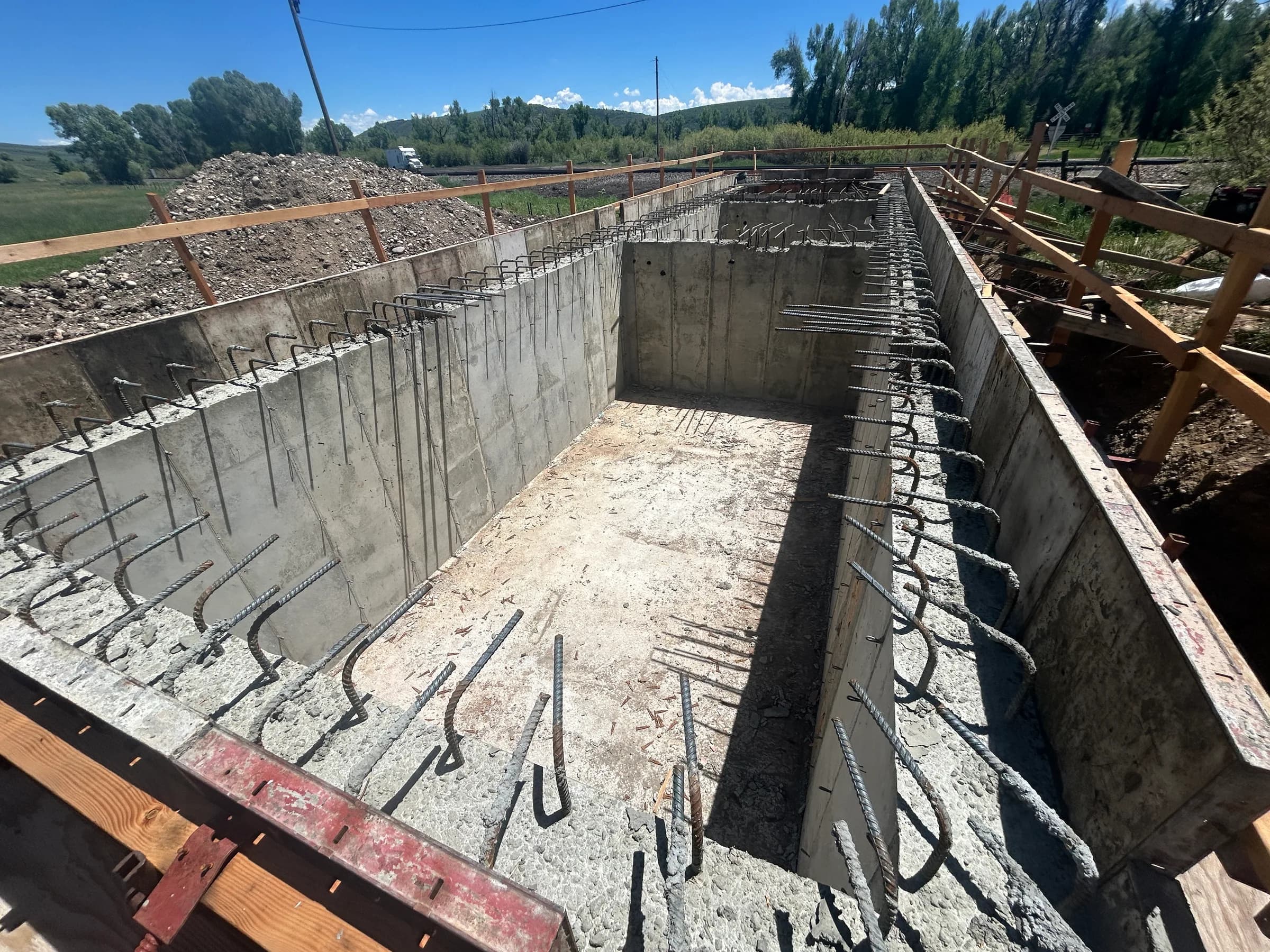
Phippsburg and Milner wastewater plants and collection system
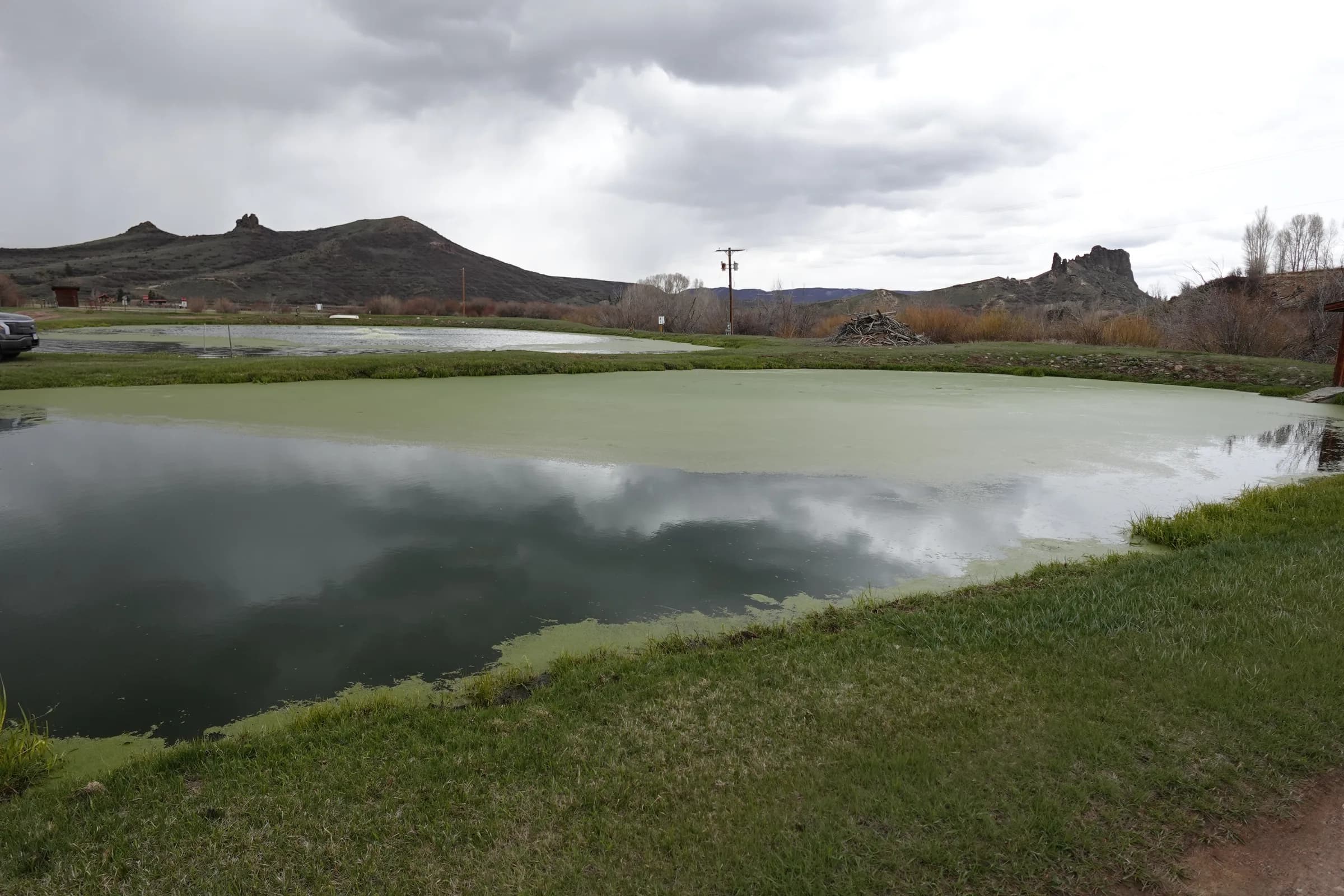
Town of Yampa wastewater plant and collection system
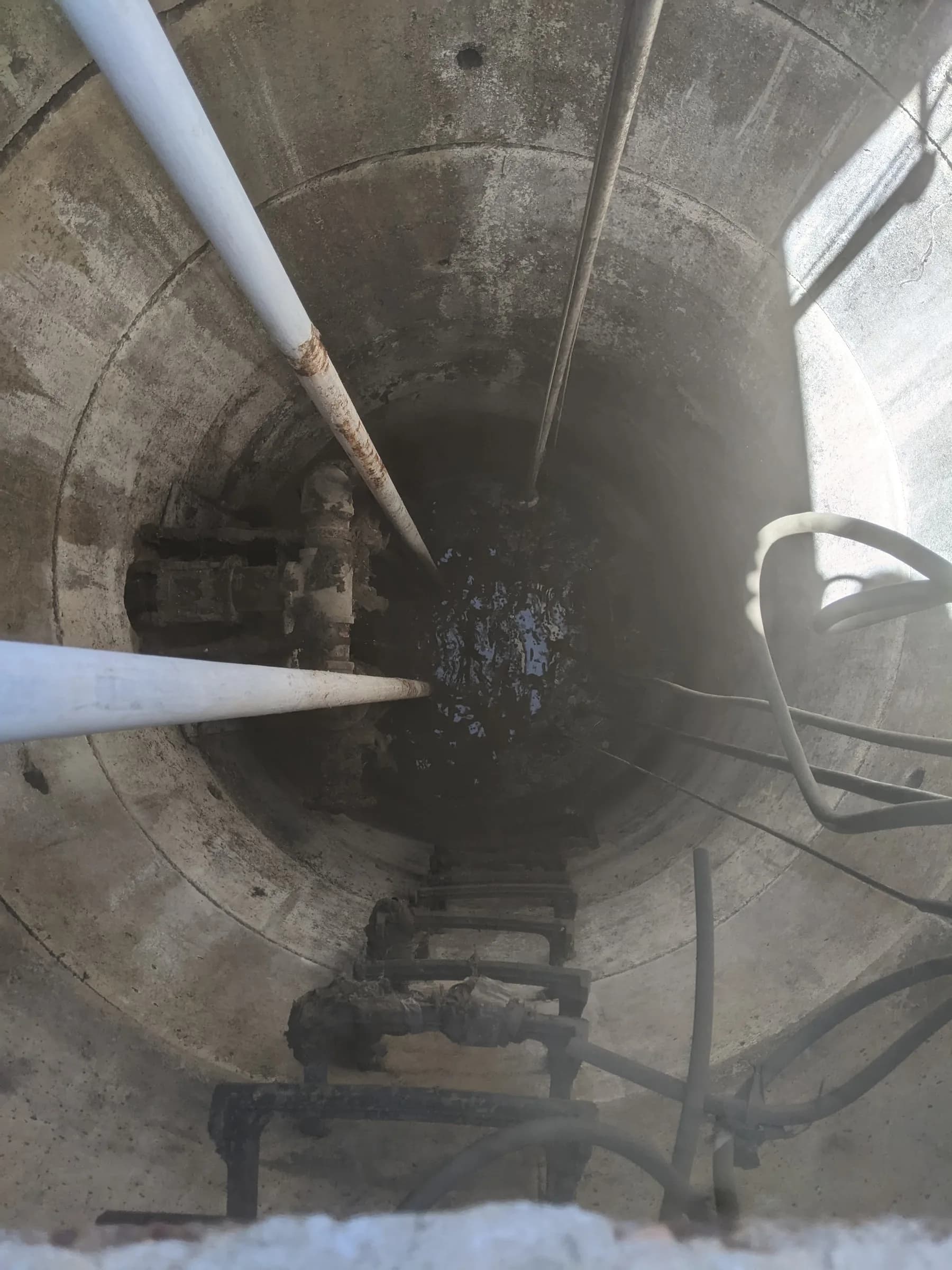
Florissant Water and Sanitation District lift station and collection system
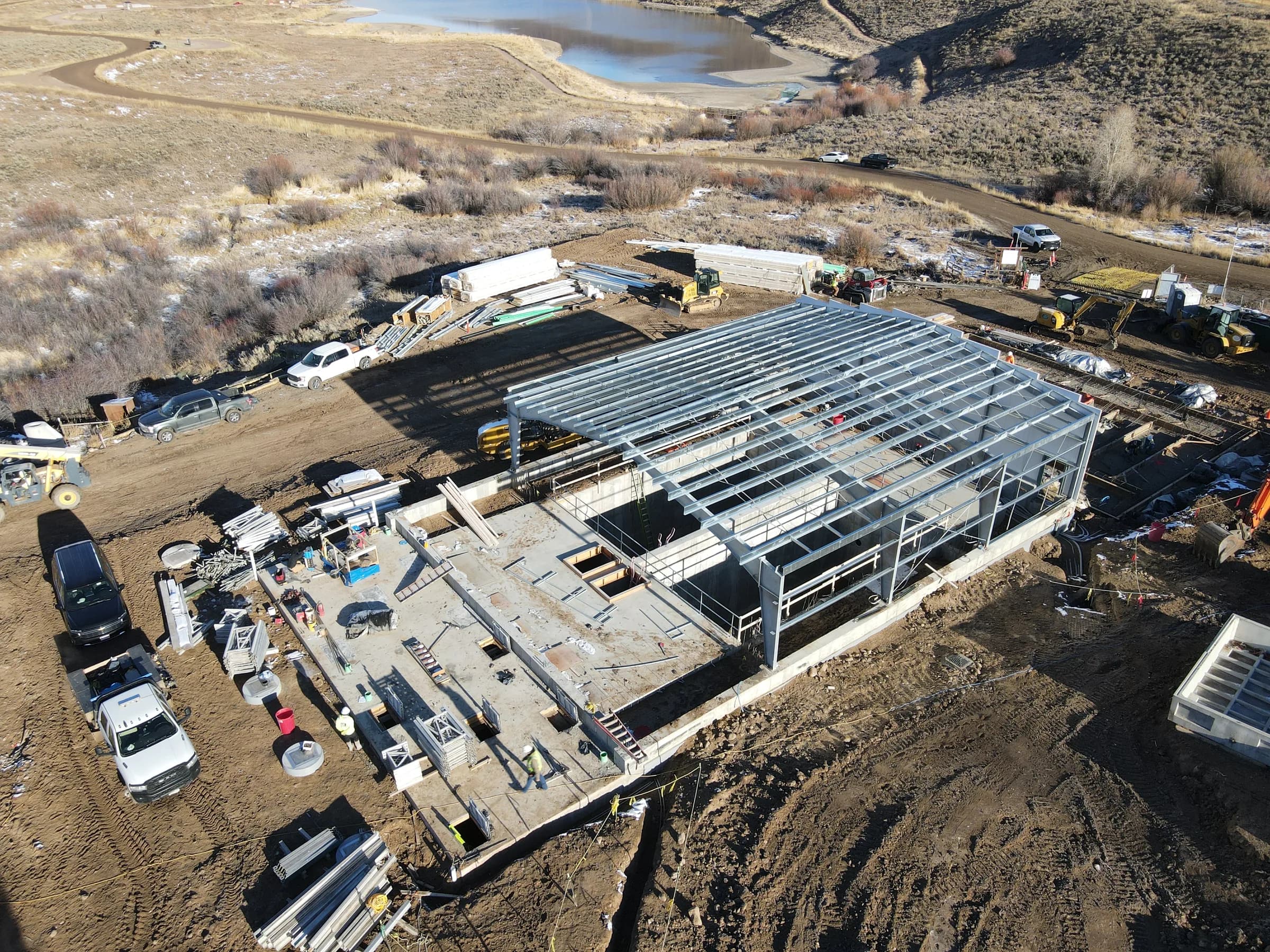
Morrison Creek wastewater plant, water tank and booster station
Talk to an engineer
Not a salesperson. Someone who can tell you whether the pathway is real.
Your options, the agencies involved and the questions that decide cost and schedule.
No commitment to have the first call.
Prefer the phone? (214) 833-6748