
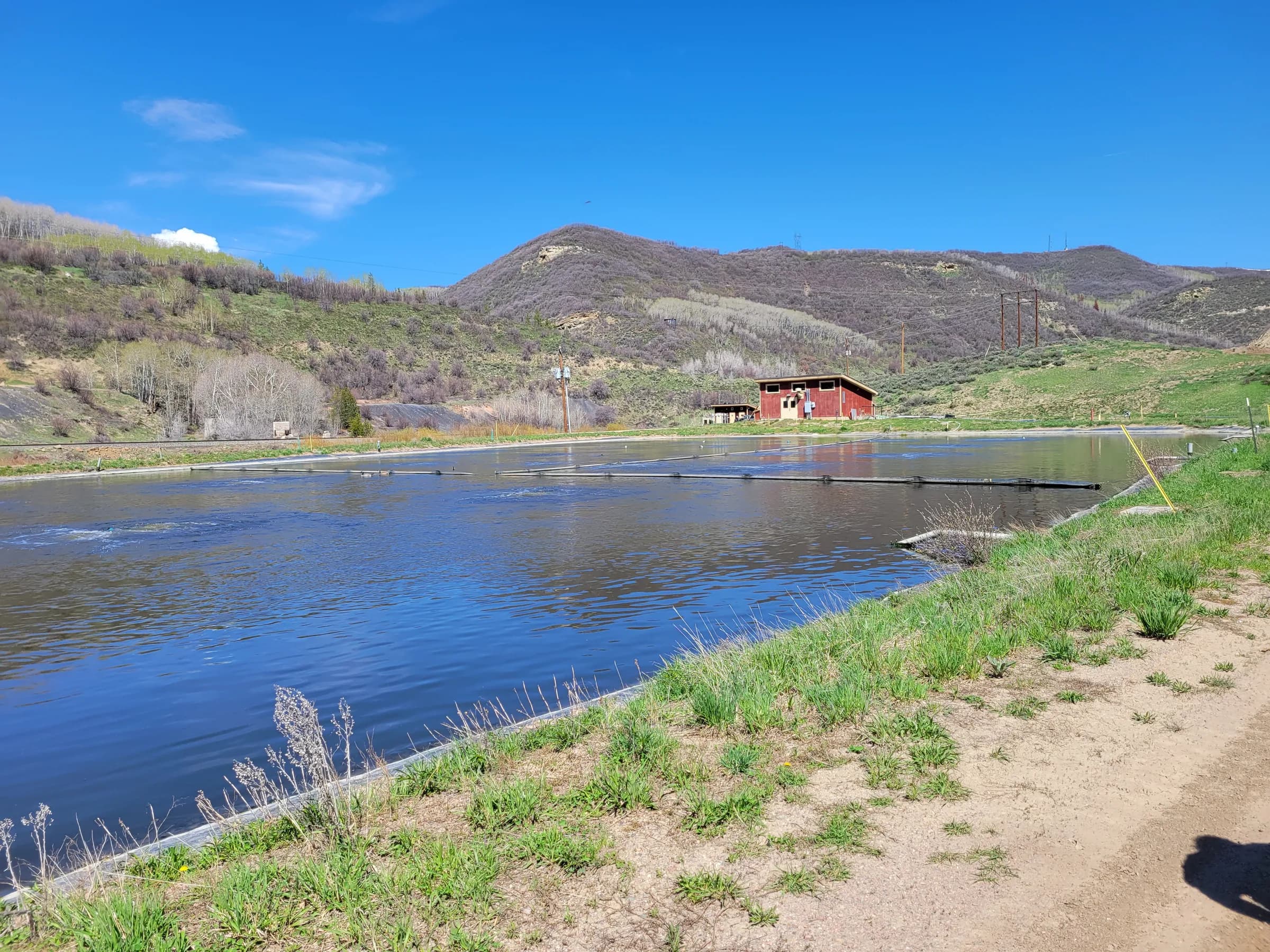
MES quantified water loss and I&I for the town and delivered a final report with engineering estimates and a prioritized roadmap in 2024; follow-up work continues in 2026.
Town of Oak Creek I&I and water loss analysis
Where we work
Reduce water losses in Colorado: water audits, meter and billing reviews, leak and pressure fixes, and pipe replacement plans for towns and districts.
Water loss is water a system treats and pumps but never delivers to a paying customer. Real losses are physical: leaks, main breaks and tank overflows. Apparent losses are paper losses: meters that read low, billing errors and unauthorized use. Add the water used but not billed, such as flushing and firefighting, and you have non-revenue water.
MES helps towns and water districts across Colorado measure their losses, find the causes and plan the fixes, from our office in Golden. A small system may know it loses water but not how much or where. In a dry state, every lost gallon was treated and pumped for nothing. This work is part of our water engineering in Colorado.
A study starts with a water audit. The AWWA M36 method is the industry standard, and it is the method the Colorado Water Conservation Board's Colorado Water Loss Initiative teaches. The audit balances source meter readings against billed and unbilled use and grades the quality of each data source. Validation checks that data before anyone acts on the result.
Then MES reviews meter records, billing data and the age and condition of the pipe. In Oak Creek, MES quantified the town's water loss and outlined its causes, reviewed metered and unmetered addresses, checked the metered ones against the county map, and prepared a budget estimate for replacing critical components. In Hayden, MES built an EPANET model of the water system and marked up the town's high-use residential accounts.
Providers with a total demand of 2,000 acre-feet a year or more also report water use and conservation data to the Colorado Water Conservation Board each year. Why a detailed water loss analysis pays off.
Leaks you cannot see. Many leaks never surface. When the audit points to high real losses, an acoustic leak survey can find them under streets and yards so crews dig in the right place.
High pressure. Leakage and main breaks rise with pressure. In hilly systems, pressure zones and pressure reducing valves cut both.
Old meters. Customer meters tend to read low as they age, which shows up as apparent loss and lost revenue. Testing a sample of meters shows whether replacement pays for itself.
Old pipe. When breaks cluster in one material or era of pipe, replacement is the fix. MES ranks replacement by break history, condition and model results, and prepares the plans and the engineering for funding. The Drinking Water Revolving Fund, run by CDPHE, the Colorado Water Resources and Power Development Authority and the Department of Local Affairs, offers low-interest loans for this kind of work.
Water that is produced but not billed. It includes real losses from leaks, apparent losses from meter and billing errors, and authorized use that is not billed, such as flushing and firefighting.
With a water audit. It uses records you already keep and shows whether your losses are mostly leaks or mostly meters, which decides where to spend first. The Colorado Water Loss Initiative has offered free audit training and technical assistance to water system staff.
Yes. Both come from aging pipe, and many of the same records serve both. In Oak Creek, one study covered water loss in the distribution system and inflow and infiltration in the sewer system.
Projects
Town of Oak Creek I&I and water loss analysis
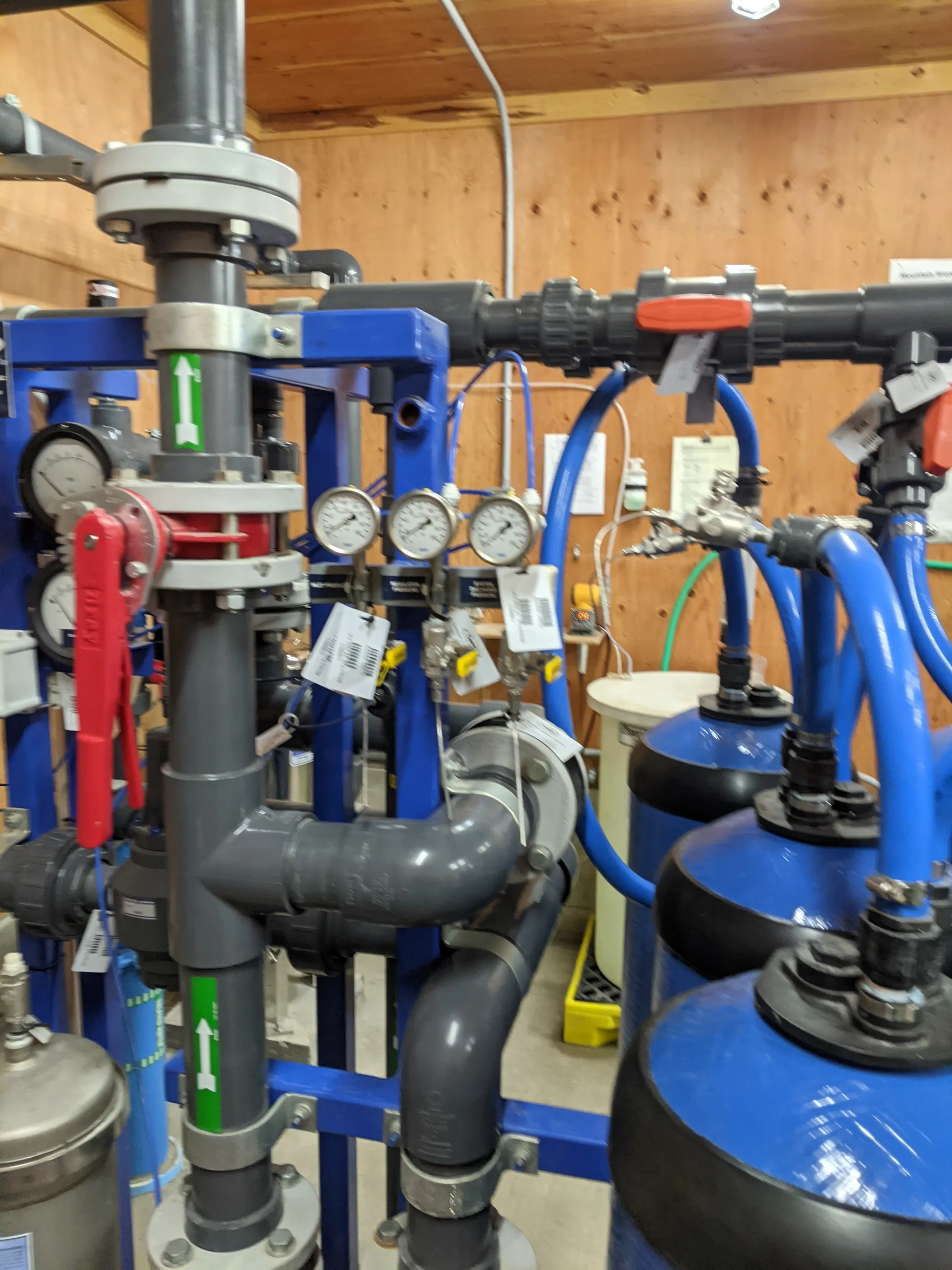
Mountain Water and Sanitation District plant upgrades and line rehabilitation
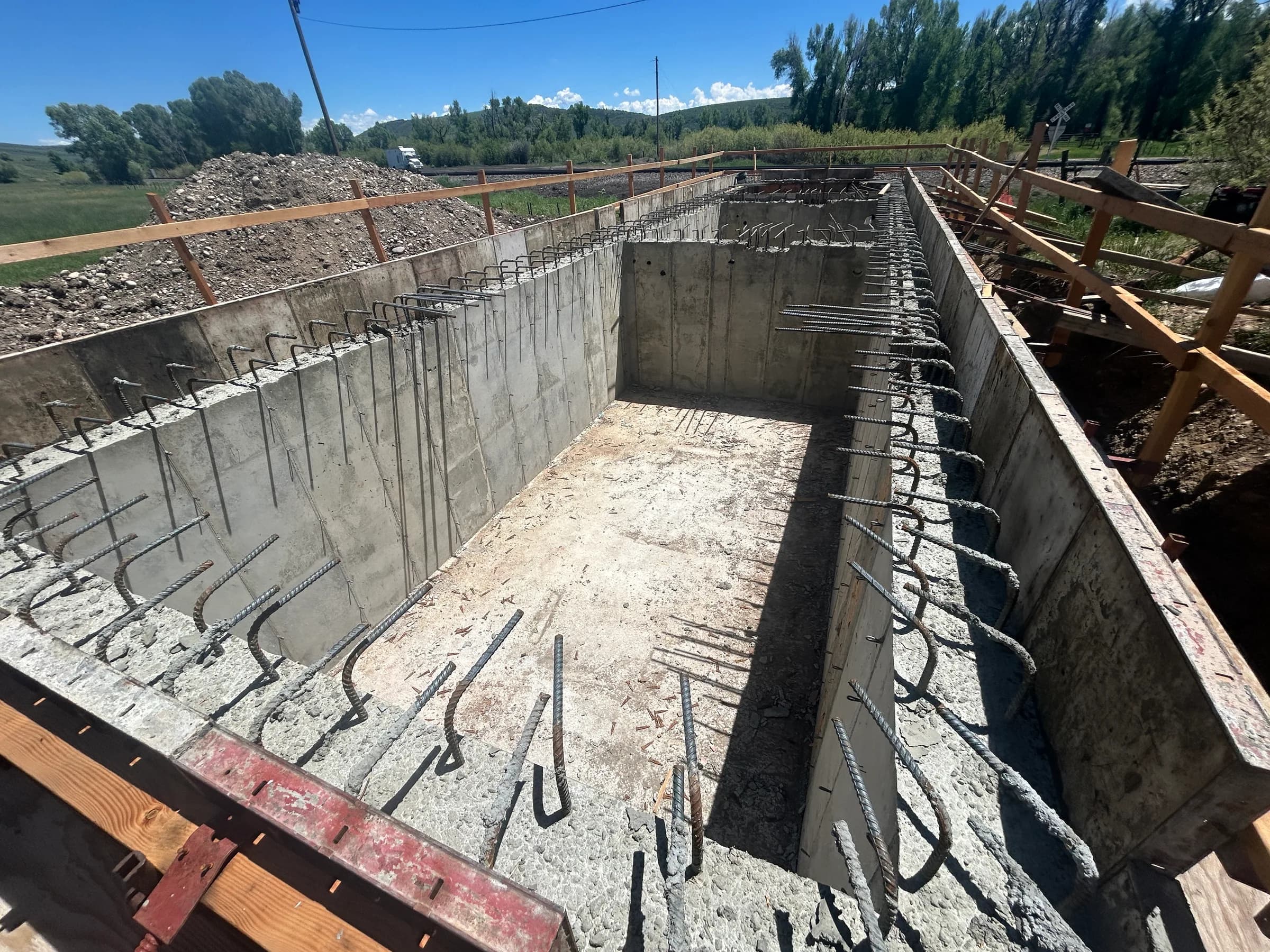
Phippsburg and Milner wastewater plants and collection system
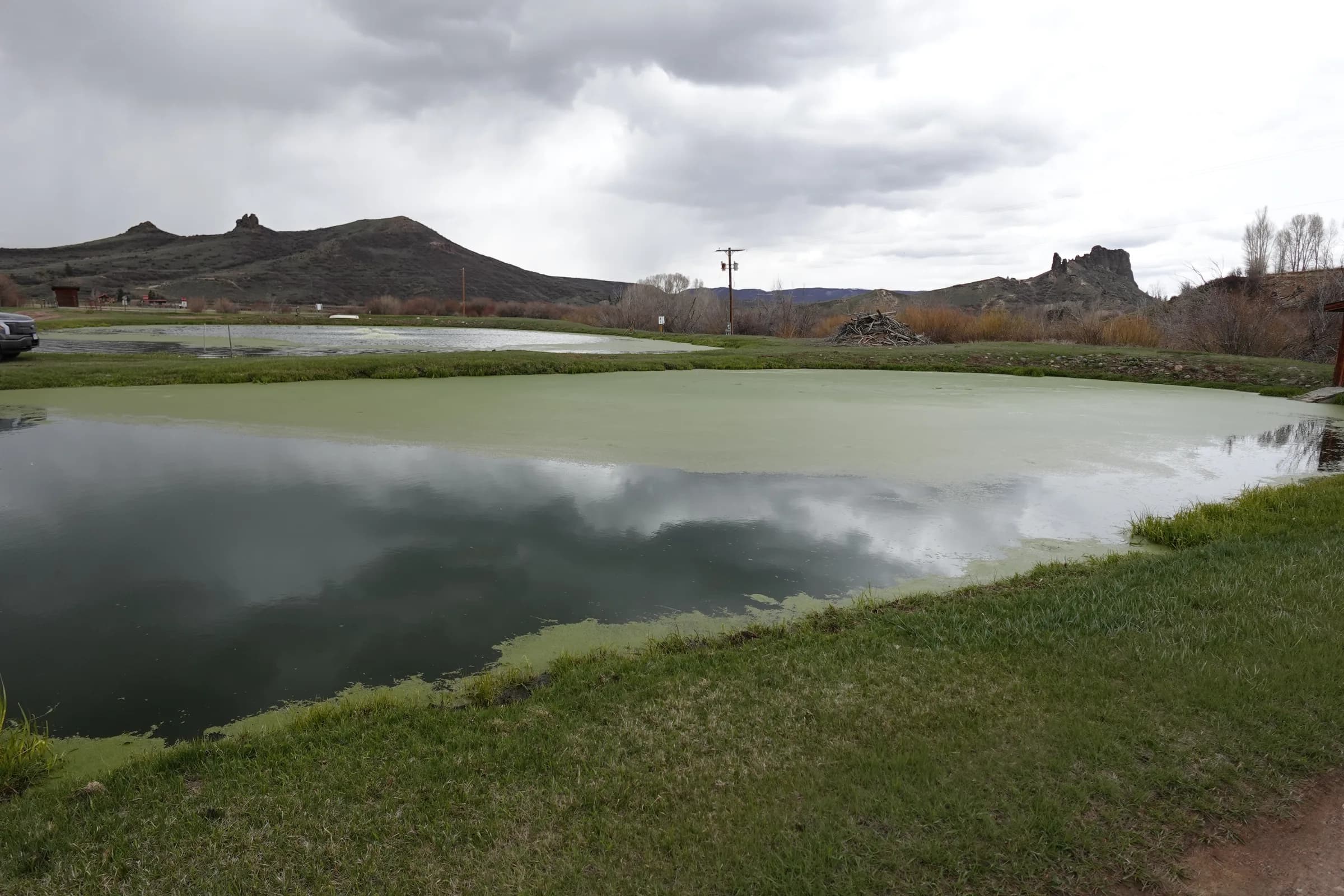
Town of Yampa wastewater plant and collection system
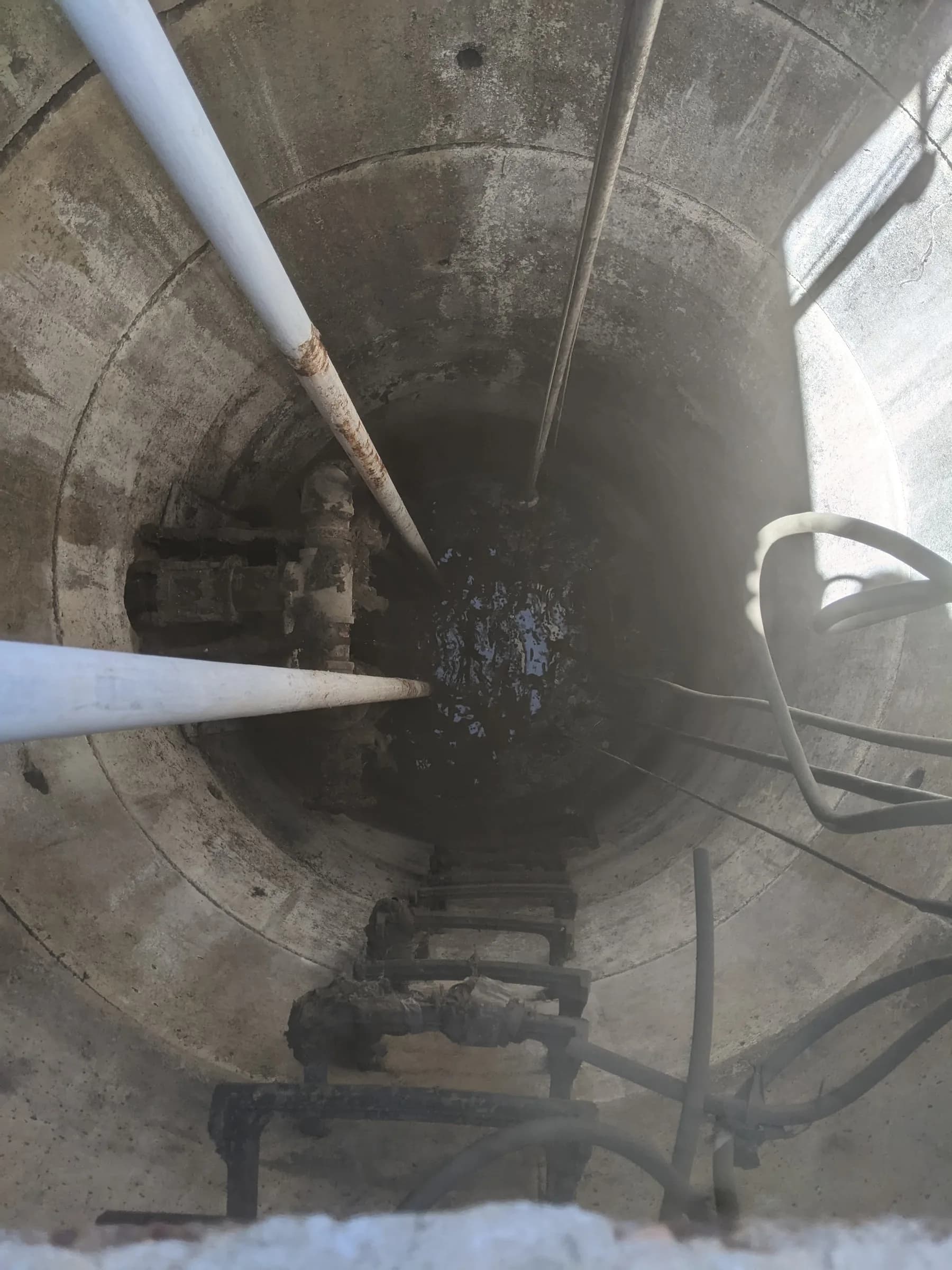
Florissant Water and Sanitation District lift station and collection system
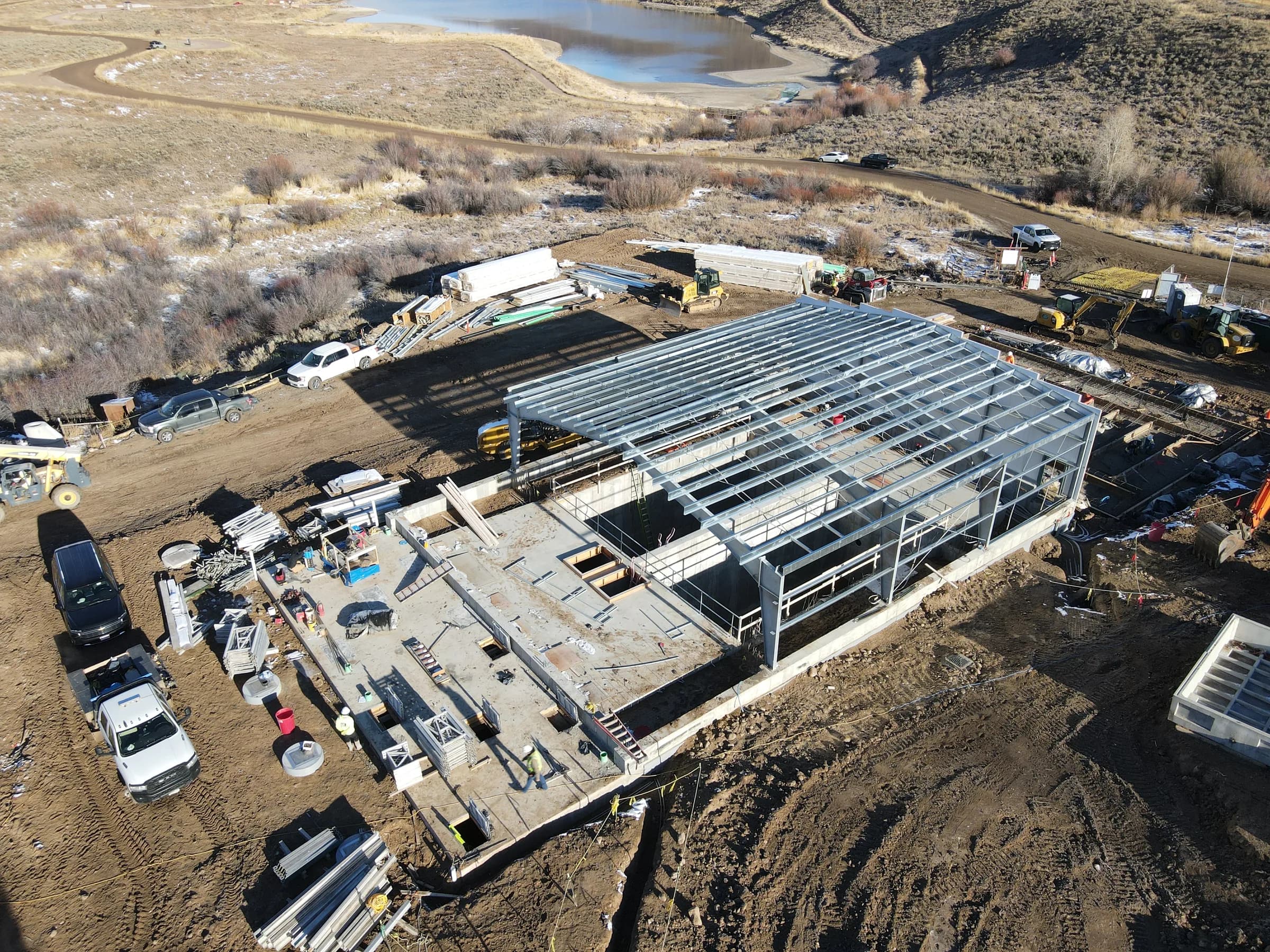
Morrison Creek wastewater plant, water tank and booster station
Talk to an engineer
Not a salesperson. Someone who can tell you whether the pathway is real.
Your options, the agencies involved and the questions that decide cost and schedule.
No commitment to have the first call.
Prefer the phone? (214) 833-6748