
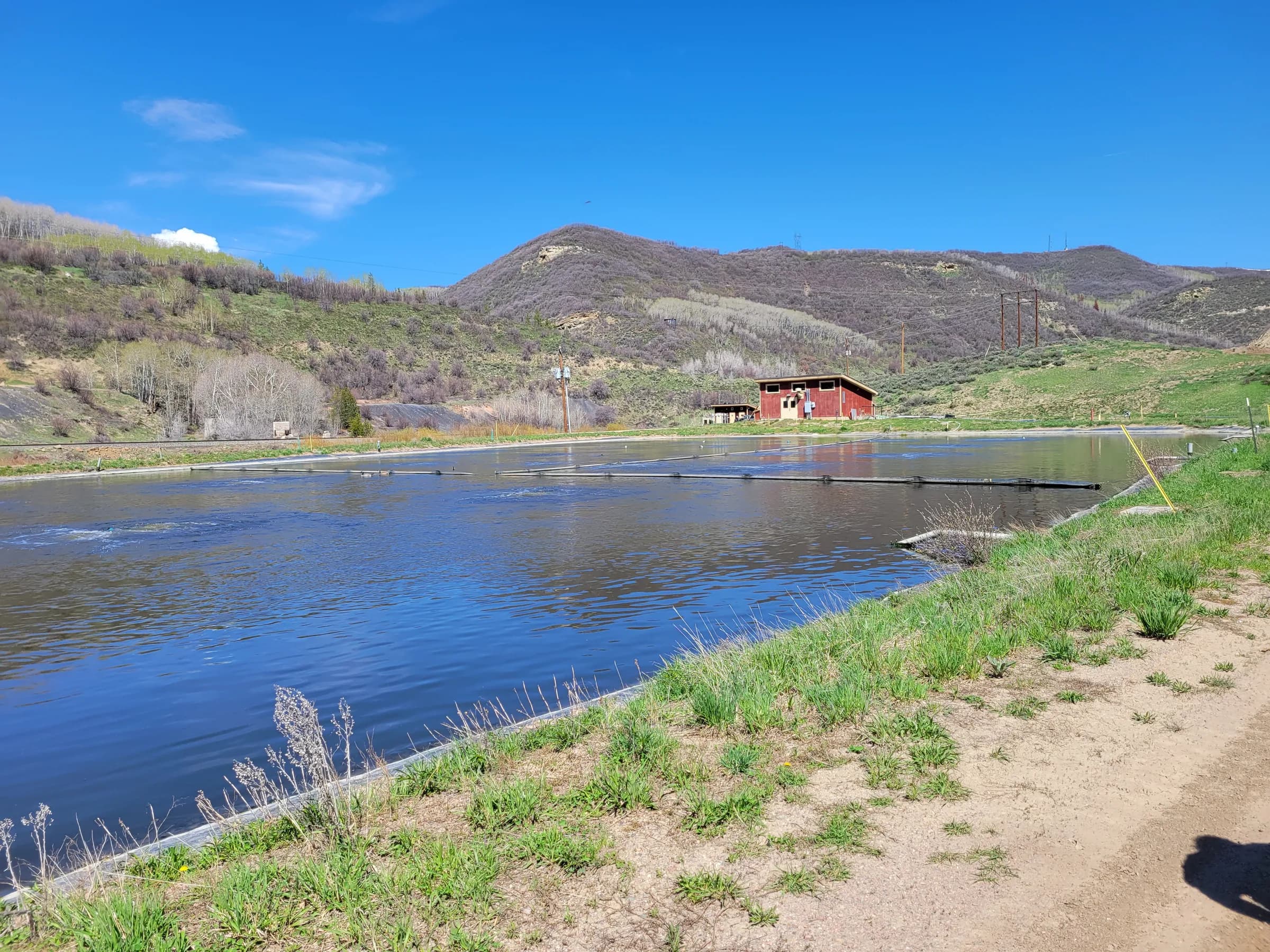
MES quantified water loss and I&I for the town and delivered a final report with engineering estimates and a prioritized roadmap in 2024; follow-up work continues in 2026.
Town of Oak Creek I&I and water loss analysis
Where we work
Water distribution system design in Colorado: hydraulic models, mains, storage, booster stations and PRVs, built to CDPHE criteria and provider rules.
A distribution system is the network of water mains, valves, hydrants, storage tanks, booster pump stations and pressure reducing valves that carries treated water to customers. MES designs and upgrades these systems for towns, water and sanitation districts, metropolitan districts and developers across Colorado, from our office in Golden.
For new development, MES sizes the mains, models pressure and fire flow, and designs the tie-ins to the provider's system. For existing systems, MES builds hydraulic models, studies water loss and plans line replacement, storage and pumping so owners can budget and apply for funding. This work is part of our water engineering in Colorado.
The CDPHE Water Quality Control Division reviews new and substantially changed sources, treatment and storage, using its Design Criteria for Potable Water Systems. A new storage tank or a new pump station wet well for treated water needs a complete design and state approval before construction. Most water mains, valves and pressure reducing valves are reviewed by the provider that will own them, under its own standards.
The state criteria still set the design basis. Mains must be sized from a hydraulic analysis. The system must hold at least 20 psi at ground level at every point under all flow conditions, and normal working pressure must be at least 35 psi. Mains that serve fire hydrants must be at least 6 inches across. Water mains must sit at least 10 feet from sewers and other non-potable pipes. Where they cross, the pipes need at least 18 inches between them, with the water main on top preferred. Closer spacing calls for added protection, such as pressure-rated sewer pipe or a casing at the crossing.
The local fire code sets the required fire flow, and larger providers publish their own engineering standards. How a fire flow analysis works.
Pressure in hilly terrain. Every 2.31 feet of elevation changes pressure by 1 psi, so Colorado's slopes can push pressure too high in low areas and too low at the top. MES splits systems into pressure zones served by booster pump stations and pressure reducing valve vaults.
Aging mains. Old pipe leaks, breaks and loses capacity. MES ranks replacement by condition, break history and model results. For a water and sanitation district in Conifer, MES prepared plans and specifications to rehabilitate and replace 40,000 feet of sewer and water line.
Storage and water age. Tanks must hold enough for peak demand, fire flow and emergencies. A tank that is too large or poorly mixed lets water age and its disinfectant residual fade. MES sizes storage and designs inlets and mixing to keep water moving. For Morrison Creek Metropolitan Water and Sanitation District, MES prepared the preliminary design of a 500,000-gallon tank, a booster pump station and a pressure reducing valve system.
Growth at the edge of the system. A new subdivision or commercial area often needs an extension. Near Elizabeth, MES designed about 4,600 feet of new 10-inch waterline for a metropolitan district.
Cold and frost. Mains must be buried deep enough to stay below frost, and each provider sets its own minimum cover. Mountain sites can also add rock excavation and steep grades to the design.
Usually not. State design approval covers sources, treatment, storage tanks and treated water pump station wet wells. The provider that will own a main reviews it under its own standards.
Whenever new mains, a new pressure zone or new fire demands are added. The state criteria call for mains to be sized from a hydraulic analysis. MES builds models in software such as EPANET.
Under the state criteria, at least 20 psi everywhere under all flow conditions, with normal working pressure of at least 35 psi and ideally about 60 to 80 psi. Your provider may set stricter numbers.
Projects
Town of Oak Creek I&I and water loss analysis
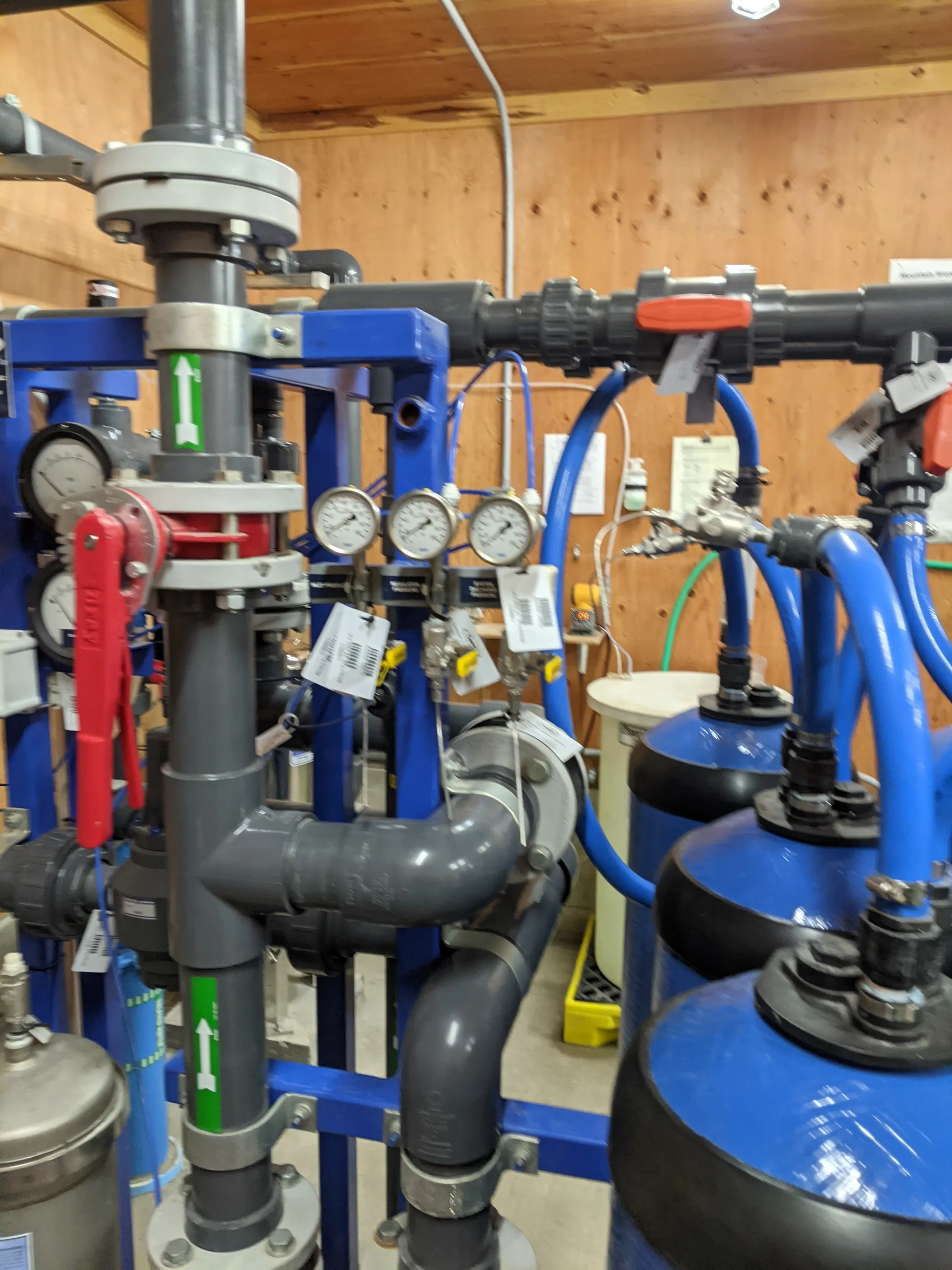
Mountain Water and Sanitation District plant upgrades and line rehabilitation
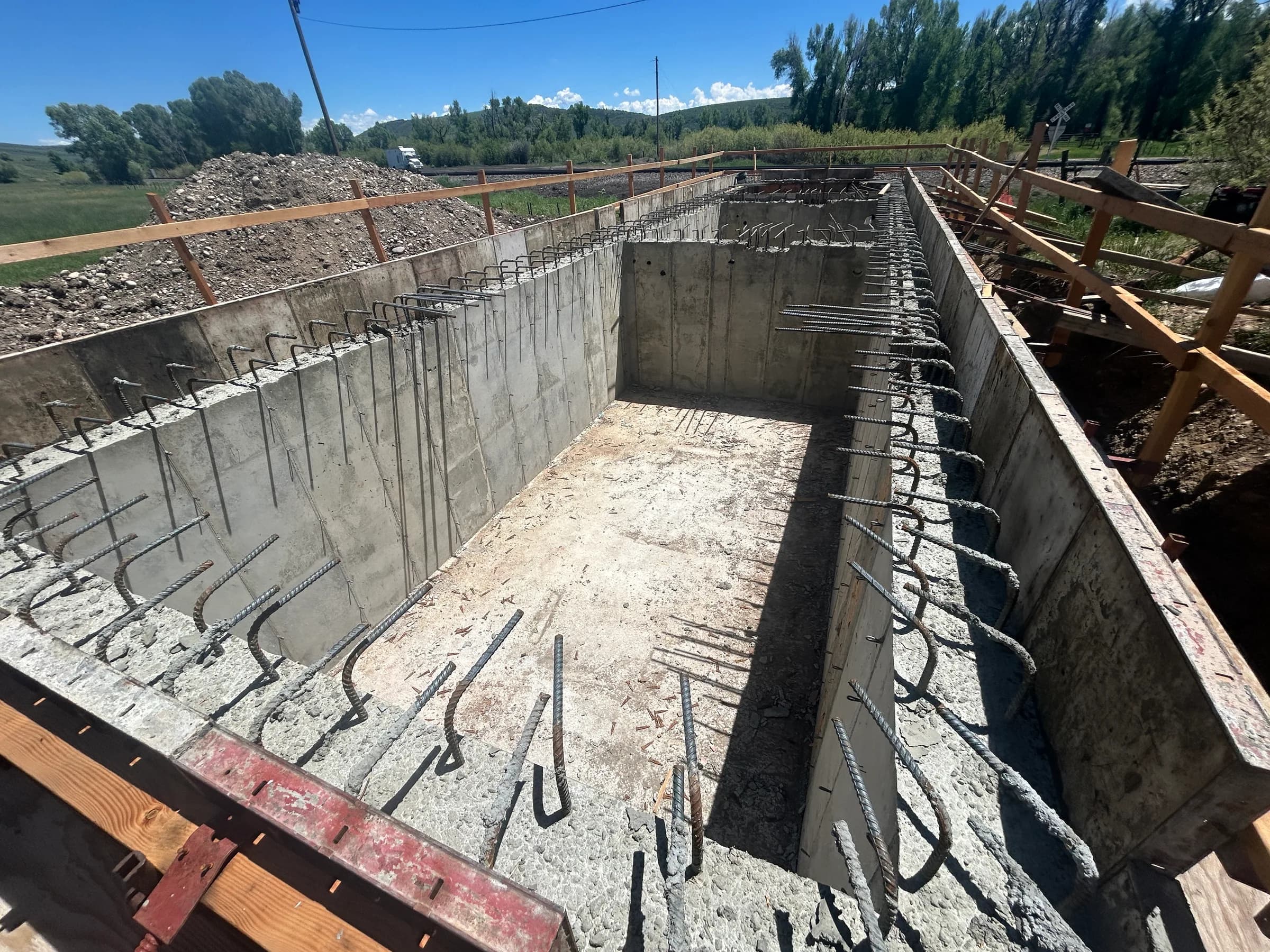
Phippsburg and Milner wastewater plants and collection system
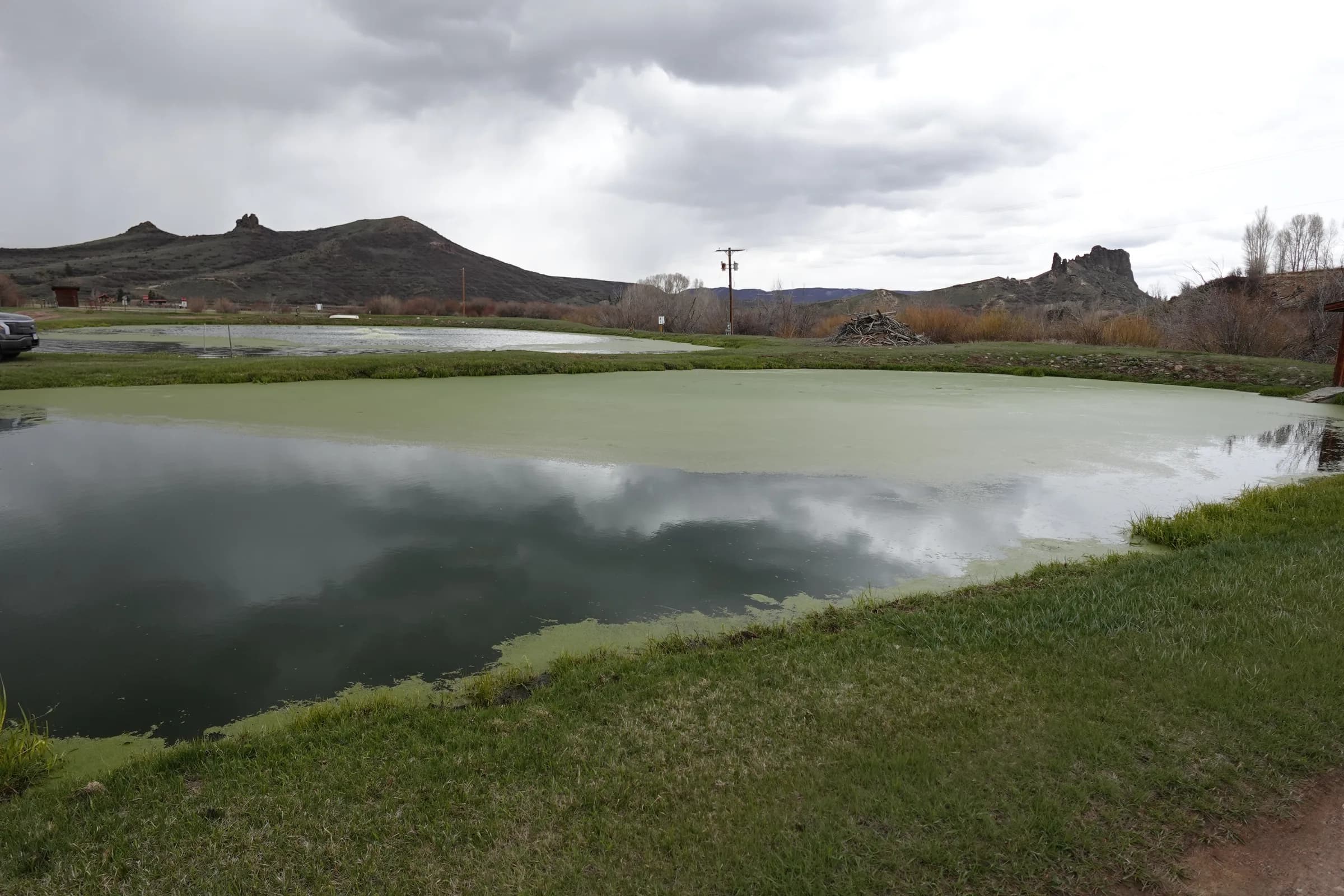
Town of Yampa wastewater plant and collection system
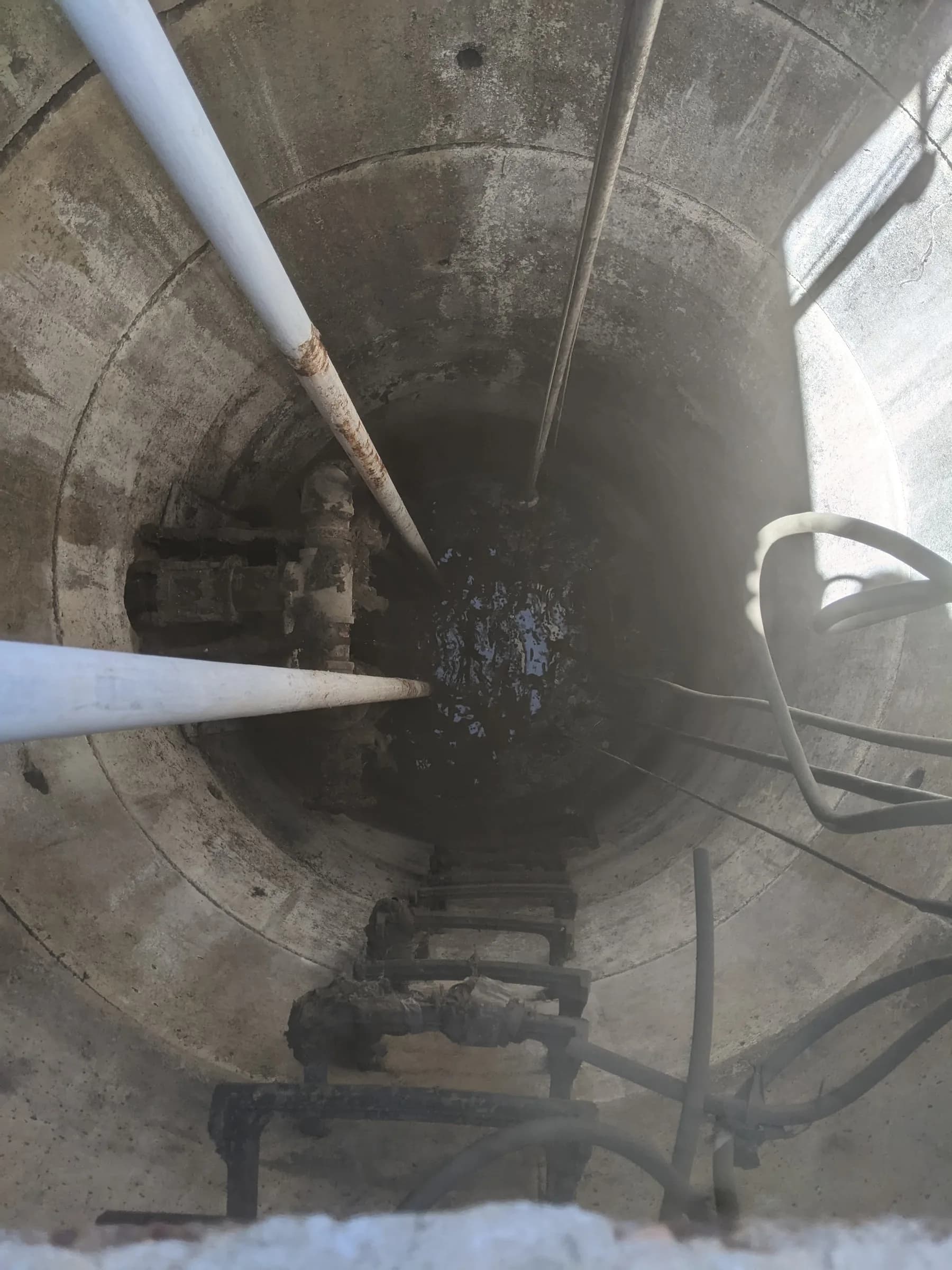
Florissant Water and Sanitation District lift station and collection system
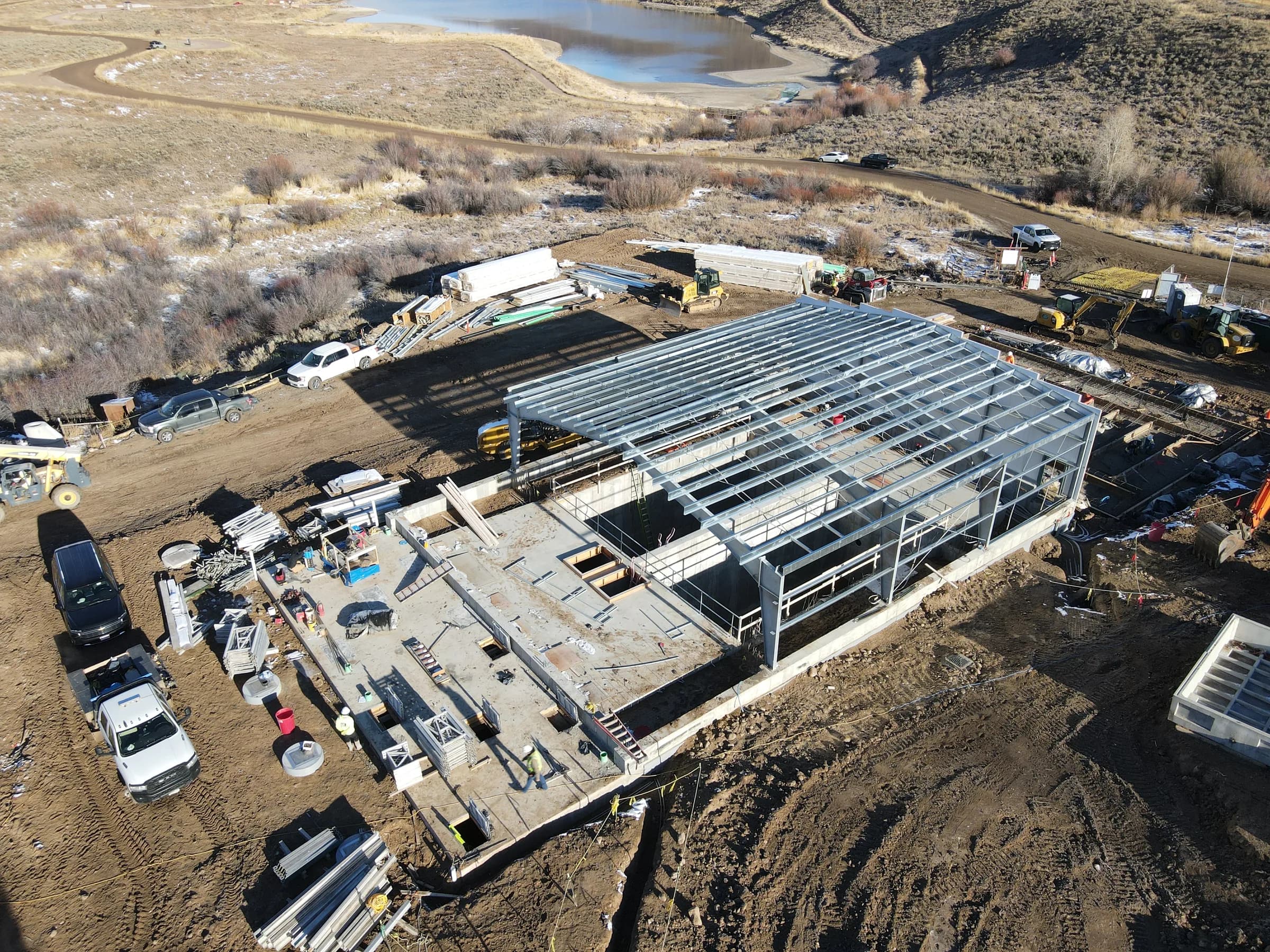
Morrison Creek wastewater plant, water tank and booster station
Talk to an engineer
Not a salesperson. Someone who can tell you whether the pathway is real.
Your options, the agencies involved and the questions that decide cost and schedule.
No commitment to have the first call.
Prefer the phone? (214) 833-6748