
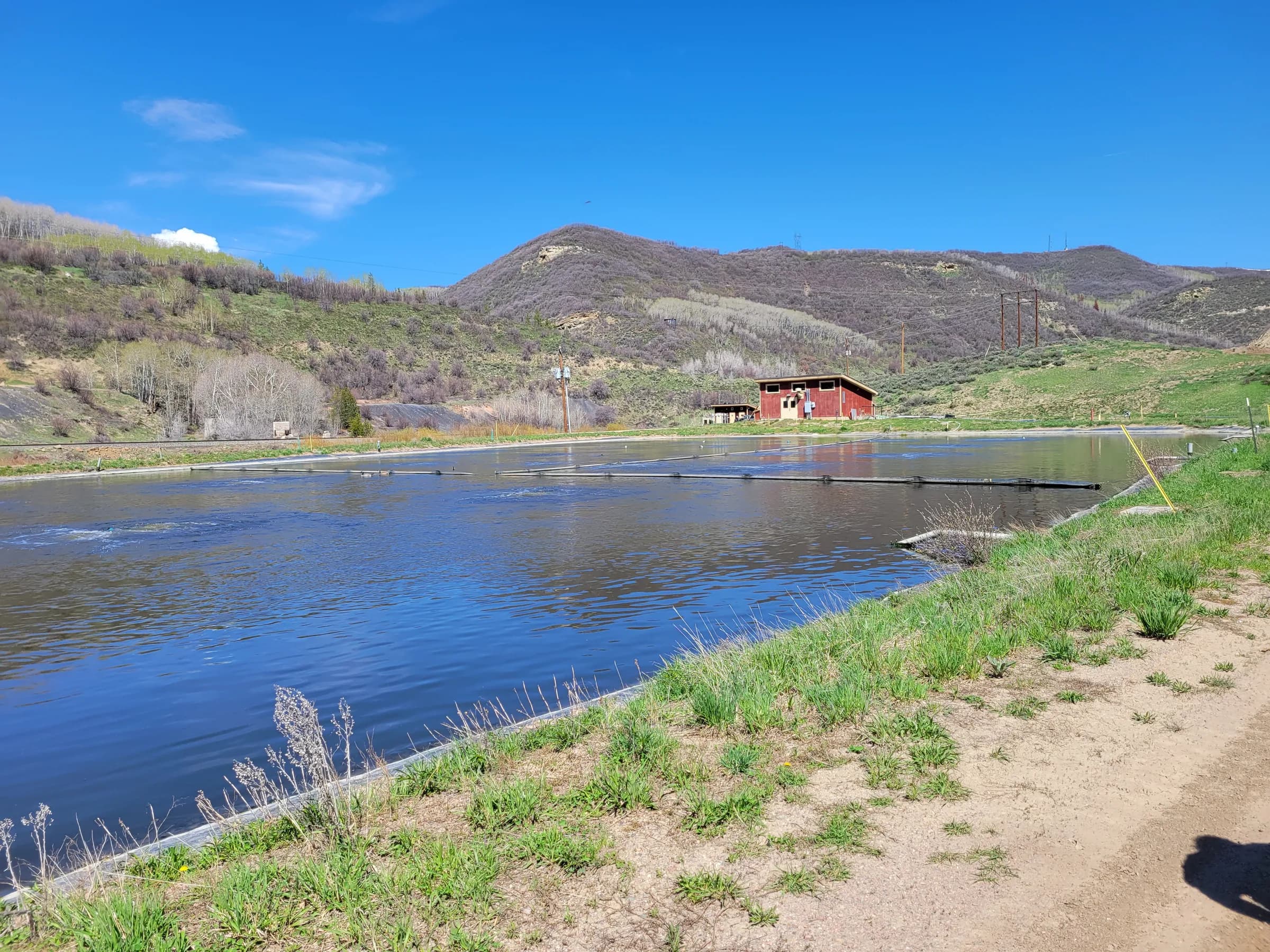
MES quantified water loss and I&I for the town and delivered a final report with engineering estimates and a prioritized roadmap in 2024; follow-up work continues in 2026.
Town of Oak Creek I&I and water loss analysis
Where we work
Inflow and infiltration engineering in Colorado: flow data, sewer models and CCTV review, then lining and manhole repair plans that cut clear water.
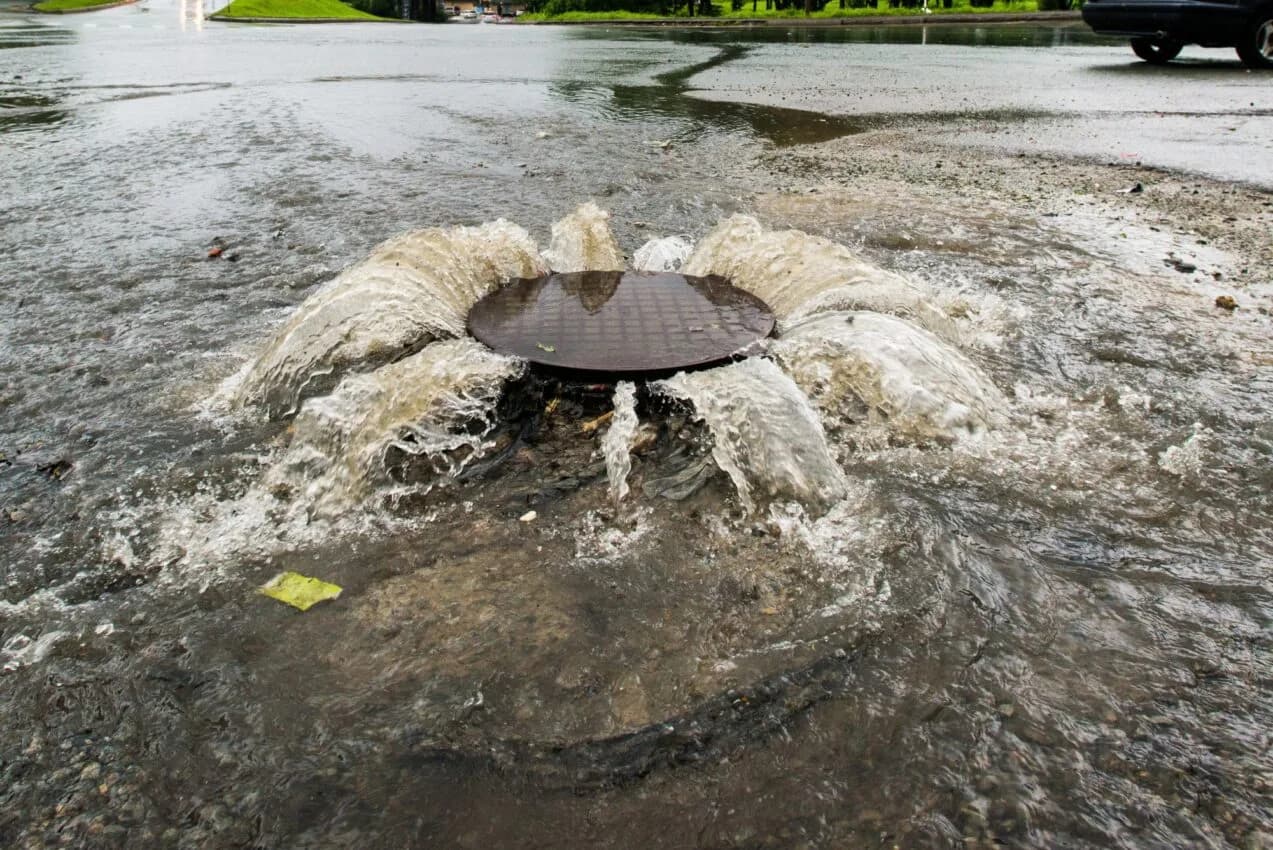
Inflow and infiltration (I&I) is clear water that gets into a sanitary sewer. Infiltration is groundwater that seeps in through cracked pipe, open joints and leaky manholes. Inflow is storm water and snowmelt that pours in through manhole lids, cleanouts, roof drains and sump pumps tied to the sewer.
MES finds and reduces I&I for towns and water and sanitation districts across Colorado, from our office in Golden. The work fits owners whose plant flows jump after storms or during spring runoff, whose lift stations run hard in wet weather, or who are planning a plant upgrade and need to know how much of the flow is clear water. It is part of our wastewater engineering in Colorado.
The first step uses data the owner already has. Plant flow records show the gap between dry weather and wet weather flow. When a Colorado design has to account for I&I, the CDPHE Design Criteria for Domestic Wastewater Treatment Works prefer measured flow data, with at least 12 months of records to show the seasonal swing. In mountain towns that swing often follows snowmelt and high groundwater, not only rain.
Next, flow meters in the collection system narrow the problem to a few sewersheds. Field tests then find the sources: smoke testing for inflow connections, CCTV inspection of the pipe, often coded to the NASSCO PACP standard, and manhole inspections. A model of the network shows how much capacity the clear water takes and what removing it would free up.
The design phase produces lining plans, manhole rehabilitation, pipe replacement where lining will not work, and steps to disconnect roof drains and sump pumps. Most lining is trenchless, so streets stay open. When the funding calls for it, the design may also go to the CDPHE Water Quality Control Division for review. The Water Pollution Control Revolving Fund, run by CDPHE, the Colorado Water Resources and Power Development Authority and the Department of Local Affairs, can finance collection system work. A step-by-step approach to I&I in small communities.
Too much clear water can surcharge pipes, back sewage into basements and cause sanitary sewer overflows. It also adds pumping and treatment cost and can use up plant capacity that growth needs.
Finding the sources is hard in a large system, and budgets rarely cover every repair at once. MES ranks repairs by how much clear water each one removes for the money spent, so the owner fixes the worst sewersheds first.
In Oak Creek, MES identified and quantified the I&I in the town's collection system and prepared a budget estimate for replacing critical components. In Hayden, MES analyzed I&I in the aging sewers as part of wider water and sewer work for the town. In Yampa, MES reviewed CCTV footage to plan pipe lining and manhole upgrades. In Phippsburg and Milner, MES prepared lining plans for 20,000 feet of pipe plus manhole improvements.
New sewers matter too. The state criteria call for testing new lines for watertightness, which keeps fresh I&I out of the system from day one.
Infiltration is groundwater that leaks in through defects in pipes and manholes. It rises and falls slowly with the water table. Inflow enters from the surface during storms or snowmelt and shows up within hours.
Usually, yes. Plant records tell you whether I&I is a problem. Meters in the system tell you where. Without them, repairs can land in the wrong places.
It can. When clear water takes up a large share of plant flow, removing it frees capacity. A study shows how much flow repairs can realistically remove before you size an expansion.
Projects
Town of Oak Creek I&I and water loss analysis
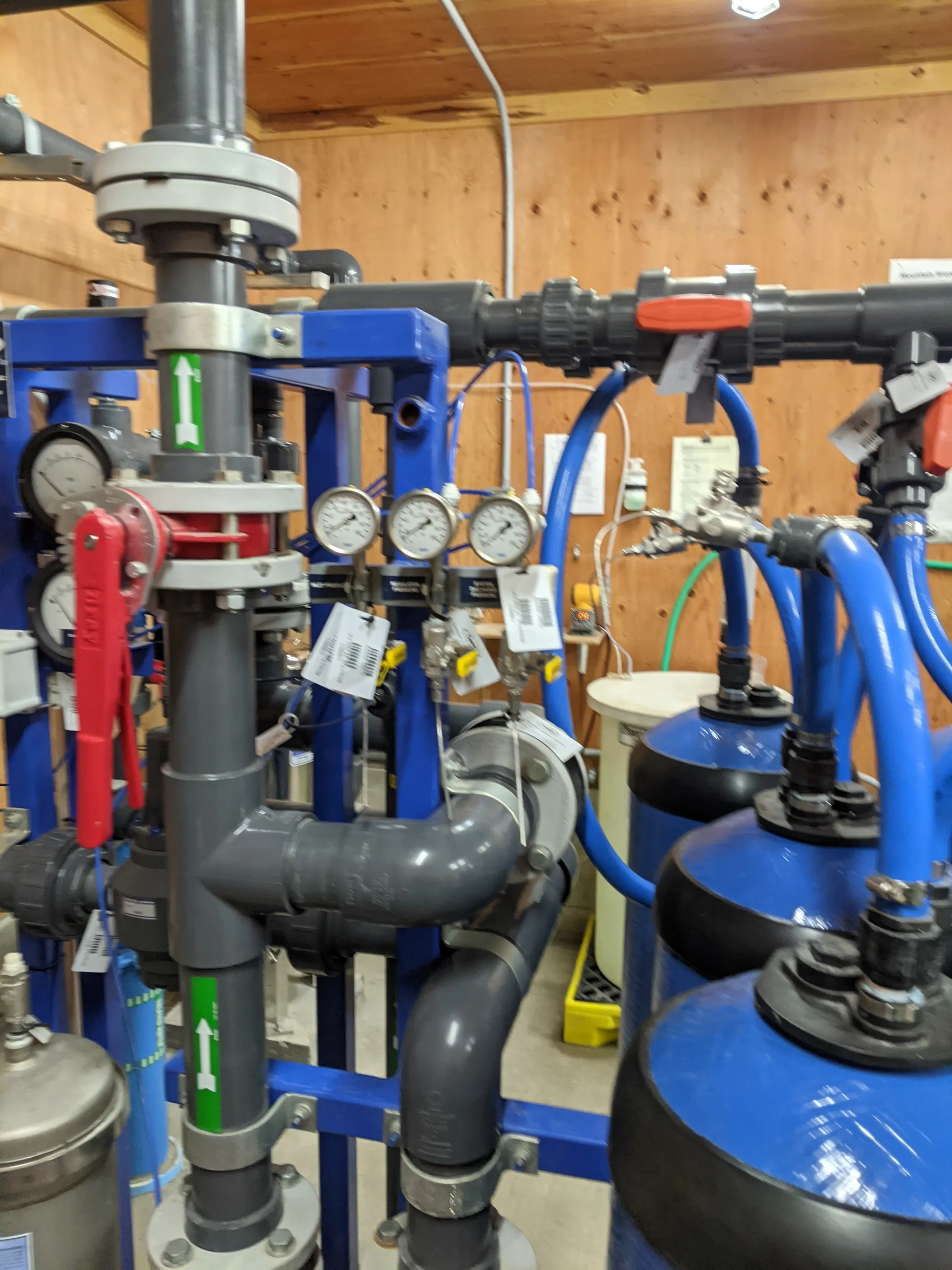
Mountain Water and Sanitation District plant upgrades and line rehabilitation
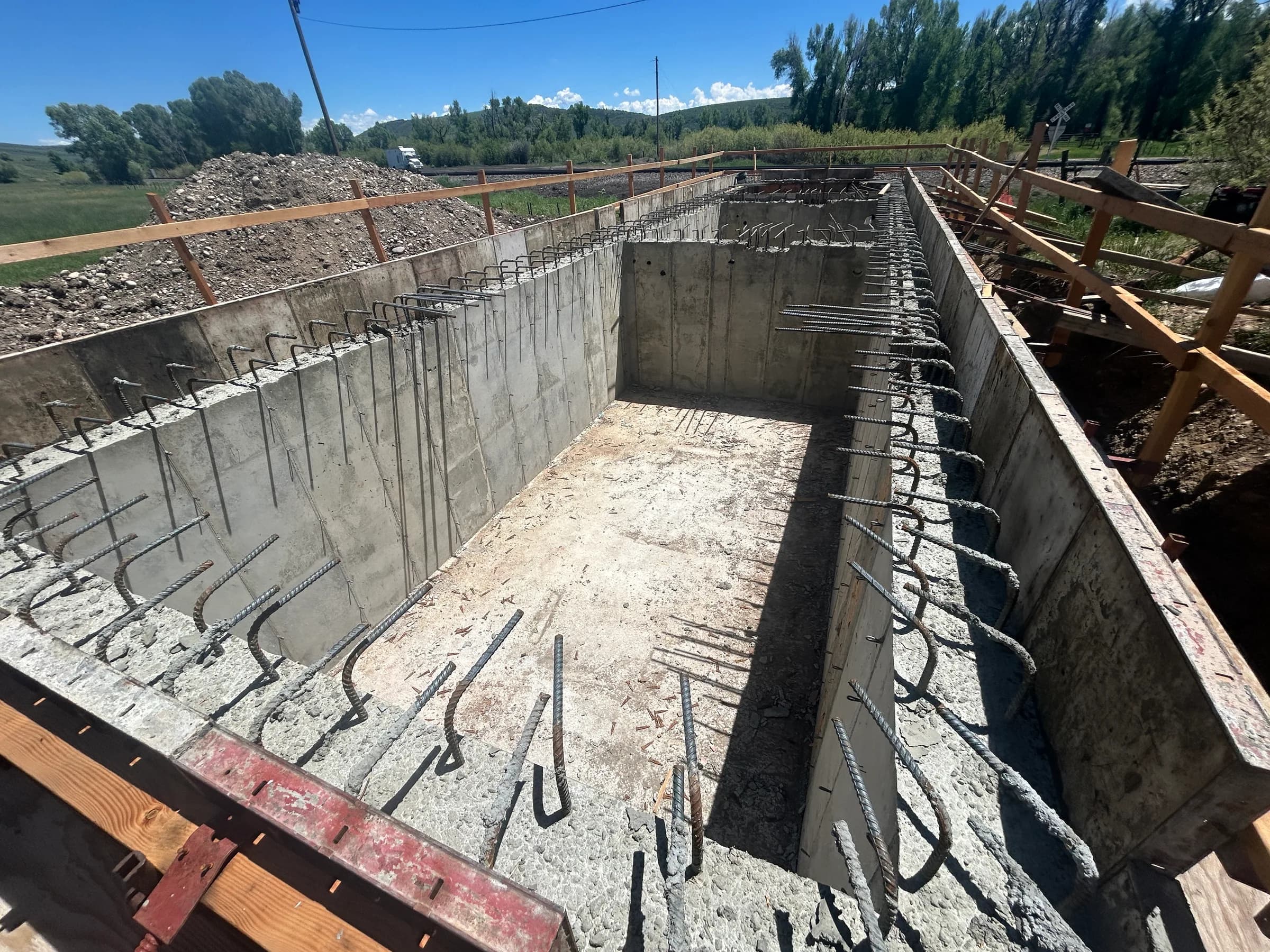
Phippsburg and Milner wastewater plants and collection system
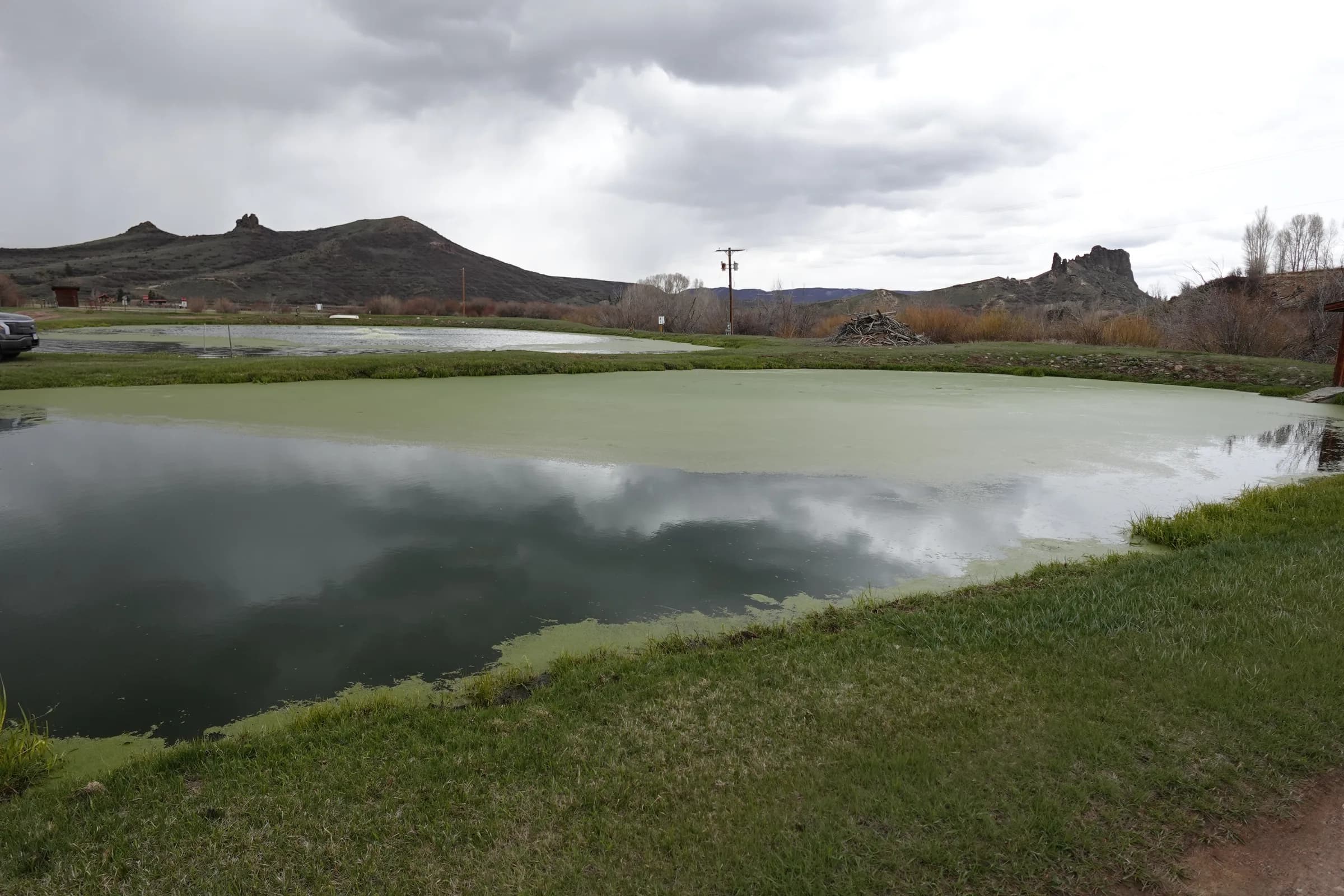
Town of Yampa wastewater plant and collection system
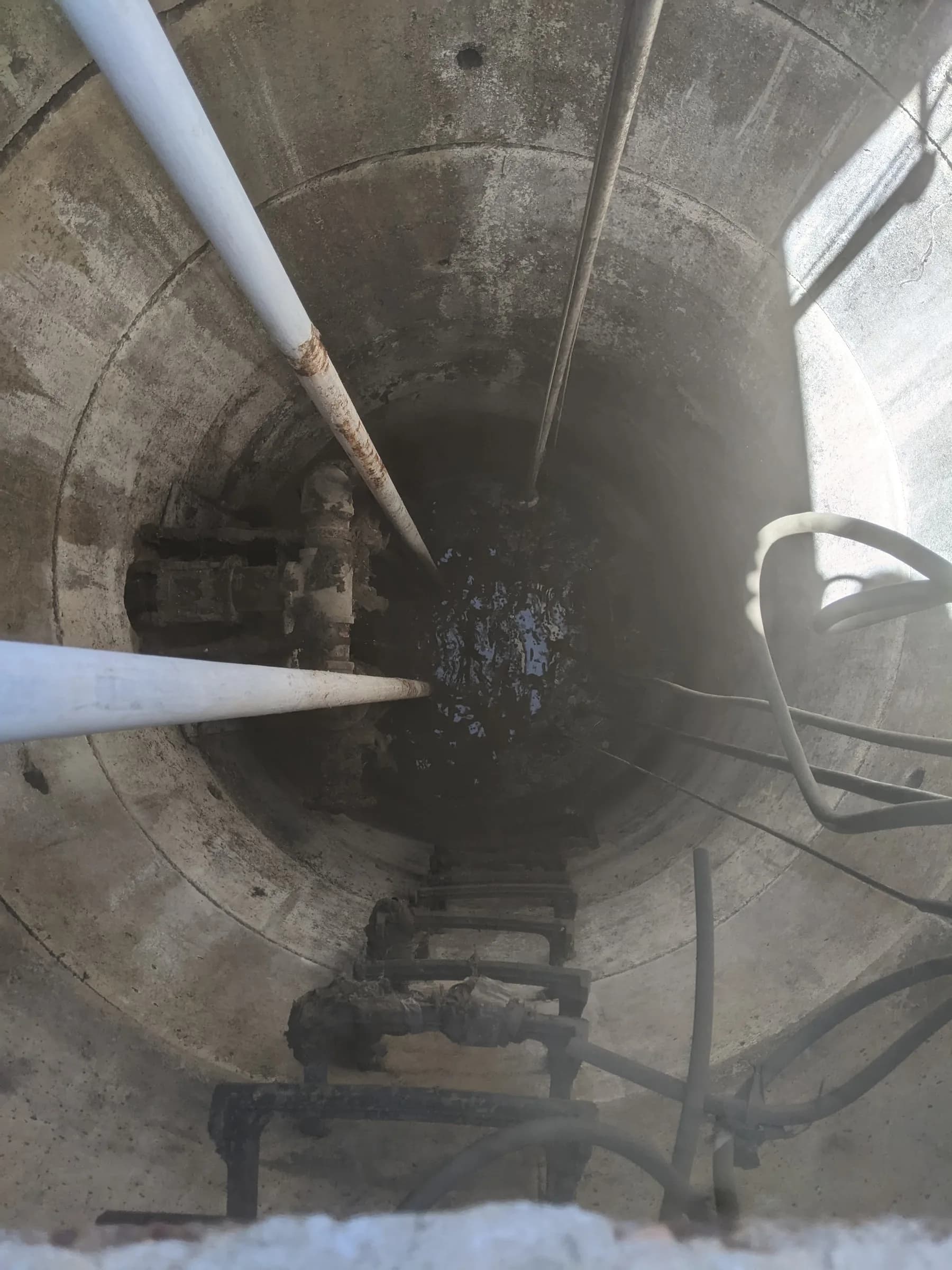
Florissant Water and Sanitation District lift station and collection system
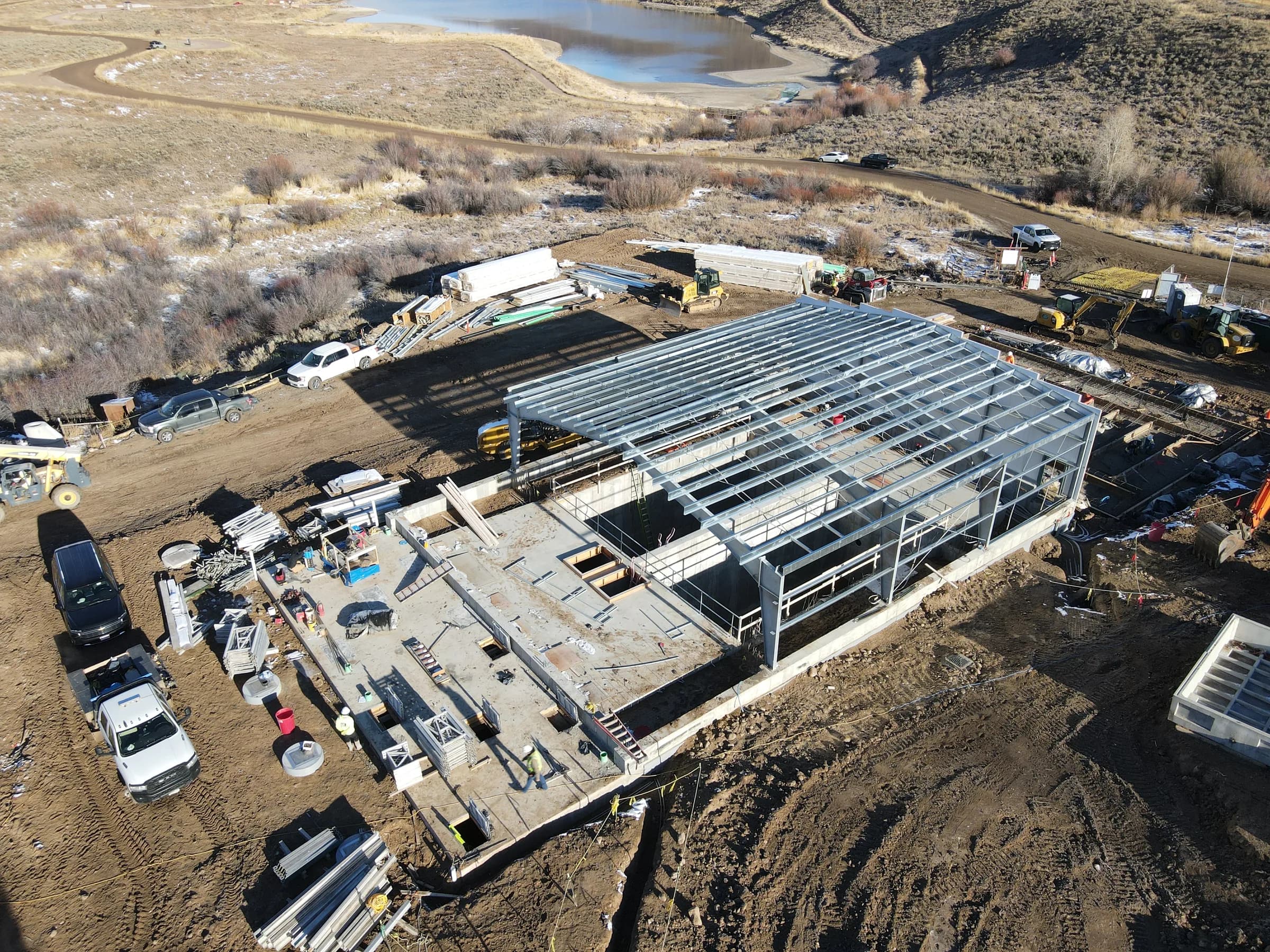
Morrison Creek wastewater plant, water tank and booster station
Talk to an engineer
Not a salesperson. Someone who can tell you whether the pathway is real.
Your options, the agencies involved and the questions that decide cost and schedule.
No commitment to have the first call.
Prefer the phone? (214) 833-6748