
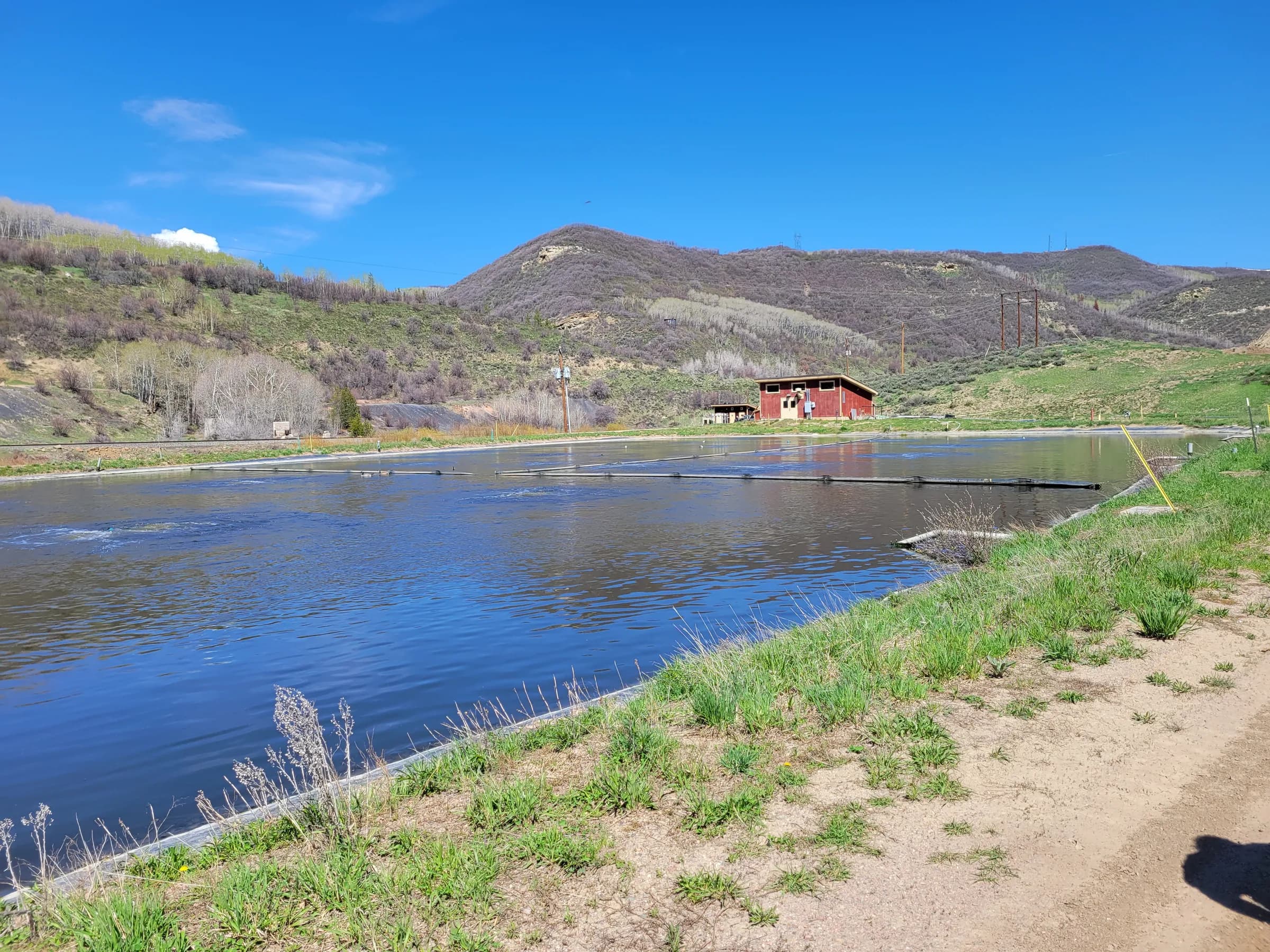
MES quantified water loss and I&I for the town and delivered a final report with engineering estimates and a prioritized roadmap in 2024; follow-up work continues in 2026.
Town of Oak Creek I&I and water loss analysis
Where we work
Water treatment engineering in Colorado from Golden: wells, filtration, iron and manganese, disinfection and PFAS treatment design, through CDPHE approval.
MES designs and upgrades drinking water treatment for towns, water and sanitation districts and metropolitan districts across Colorado, from our office in Golden. The work covers well and surface water sources, filtration, iron and manganese removal, disinfection, chemical feed and controls, plus the buildings and site work around them. It is part of our water engineering in Colorado.
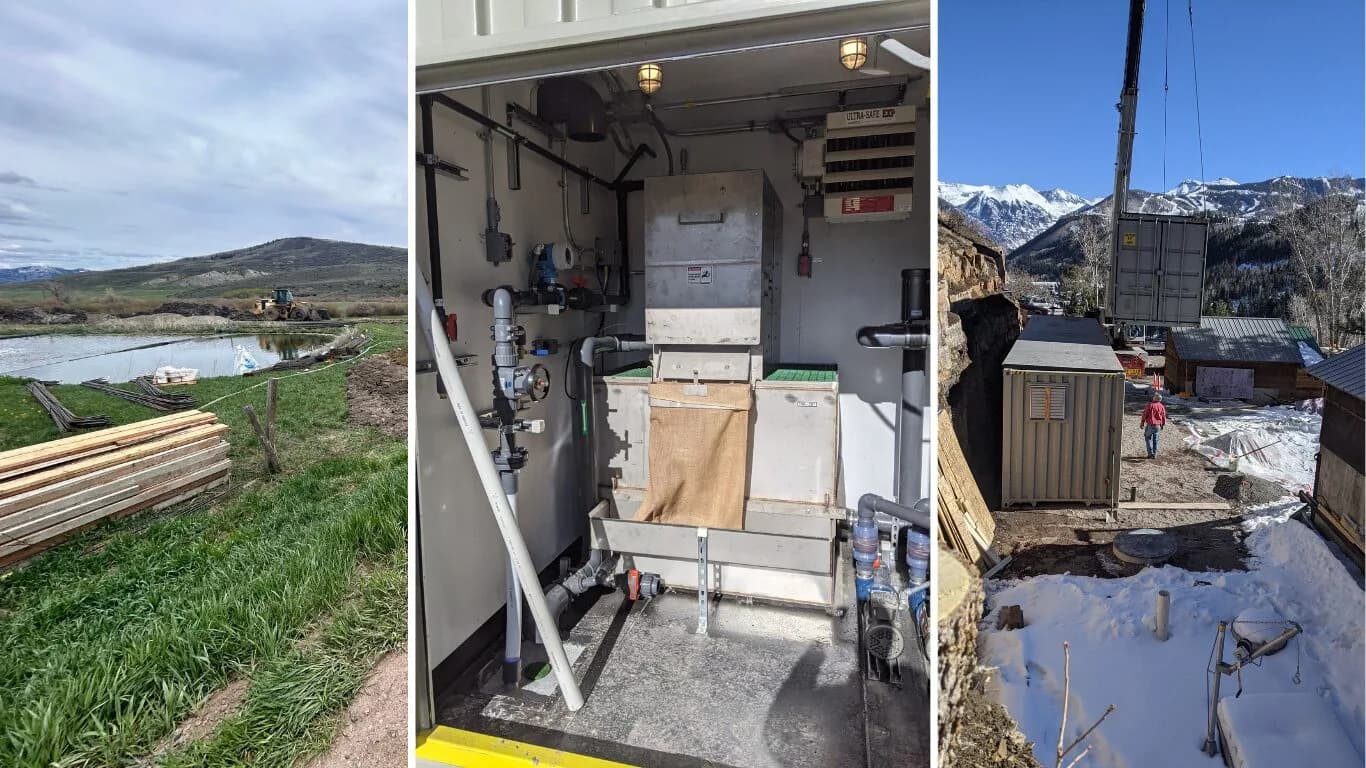
In Teller County, MES designed two groundwater treatment plants and an elevated storage tank for a metropolitan district that serves a disadvantaged community. In Conifer, MES designed SCADA upgrades, replacement booster pumps, new filters and turbidity meters for a district's drinking water plant.
The Engineering Section of the CDPHE Water Quality Control Division must approve new treatment plants, new or replacement wells and other sources, new storage tanks, and substantial changes to them before construction. The submittal is a complete design: a basis of design report, plans at least 60 percent complete and specifications. Review follows the state's Design Criteria for Potable Water Systems, which build on the Recommended Standards for Water Works, and the Colorado Primary Drinking Water Regulations, Regulation 11. For a community water system, treatment must be designed by a professional engineer registered in Colorado.
A new well also needs a permit from the Colorado Division of Water Resources. Surface water, and groundwater under the direct influence of surface water, must be filtered and disinfected to remove or inactivate at least 99.9 percent of Giardia and 99.99 percent of viruses. Under the Ground Water Rule, a well system with fecal contamination or a significant deficiency may need to add 4-log virus treatment as a corrective action.
Iron and manganese in wells stain fixtures and cause brown water. Oxidation and filtration remove them. The right process depends on pH, the other minerals in the water and how the plant will be run. Treatment options for small and rural systems.
Snowmelt, storms and wildfire burn scars can send turbidity and organics up fast in surface water. Coagulation, filters and chemical feed must be sized for the worst season, not the average.
Disinfection takes longer in cold water, so contact time is figured for the coldest month. Chlorine also forms byproducts with organic matter, so the design balances pathogen control against total trihalomethanes and haloacetic acids.
Filters, pumps, meters and controls wear out. MES plans upgrades in phases so the plant keeps serving customers during construction.
PFAS are man-made chemicals used in firefighting foam, industry and consumer products. They break down very slowly, and some are now regulated in drinking water.
In April 2024, EPA set national limits for six PFAS, including 4.0 parts per trillion each for PFOA and PFOS. Under that rule, systems must finish initial monitoring by April 26, 2027, and meet the limits by April 26, 2029. In May 2026, EPA proposed to keep the PFOA and PFOS limits, let systems request up to two more years to comply, and rescind the limits for PFHxS, PFNA, HFPO-DA (GenX) and the PFAS mixture hazard index. As of mid-2026 those proposals were not final, so check the current rule before you set treatment targets.
MES designs the three main treatment options. Granular activated carbon adsorbs PFAS, but shorter-chain PFAS break through sooner, which shortens media life. Single-use ion exchange resin targets PFAS in smaller vessels. Reverse osmosis and nanofiltration remove the most but leave a concentrate stream that must be managed. Bench or pilot testing on the system's own water sets media life and vessel size. Deliverables run from a preliminary engineering report for funding through bid-ready plans, specifications and construction support.
In Colorado, adding PFAS treatment at a public water system needs CDPHE design approval like any other treatment change. CDPHE runs the EPA-funded Emerging Contaminants in Small or Disadvantaged Communities grant program, which can pay for PFAS planning, design and construction. The Drinking Water Revolving Fund offers low-interest loans.
Two approvals. The Colorado Division of Water Resources issues the well permit, and CDPHE must approve the design of a new or replacement source for a public water system before it is built.
It depends on which PFAS are present, the other minerals and organics in the water, the flow, and how spent media or concentrate will be handled. Testing on your own water is the best way to compare carbon, ion exchange and membranes.
Yes. MES prepares the engineering reports and cost estimates that loan and grant programs ask for. In Conifer, MES supported a water and sanitation district's grant applications for its plant and line work.
Projects
Town of Oak Creek I&I and water loss analysis
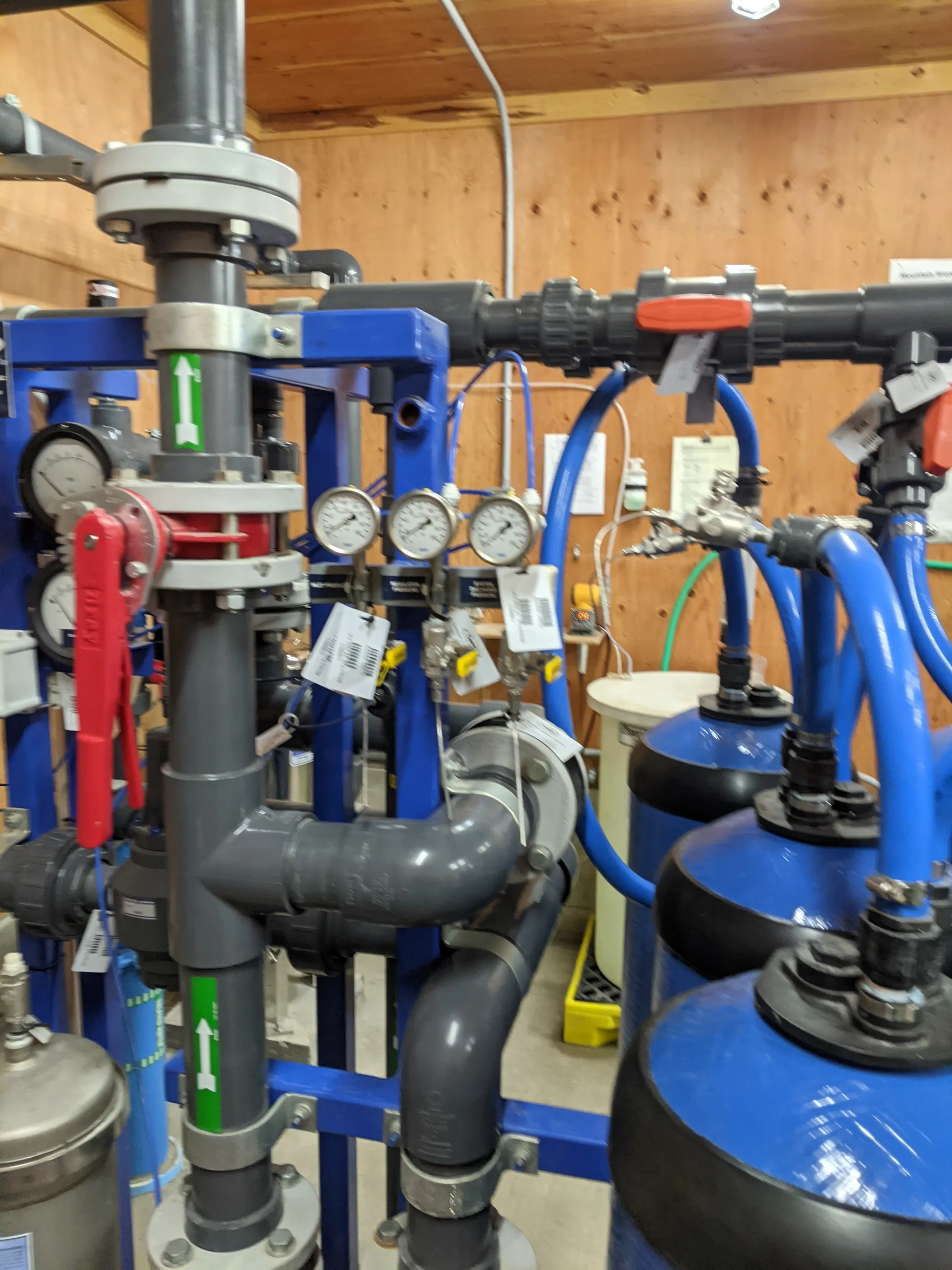
Mountain Water and Sanitation District plant upgrades and line rehabilitation
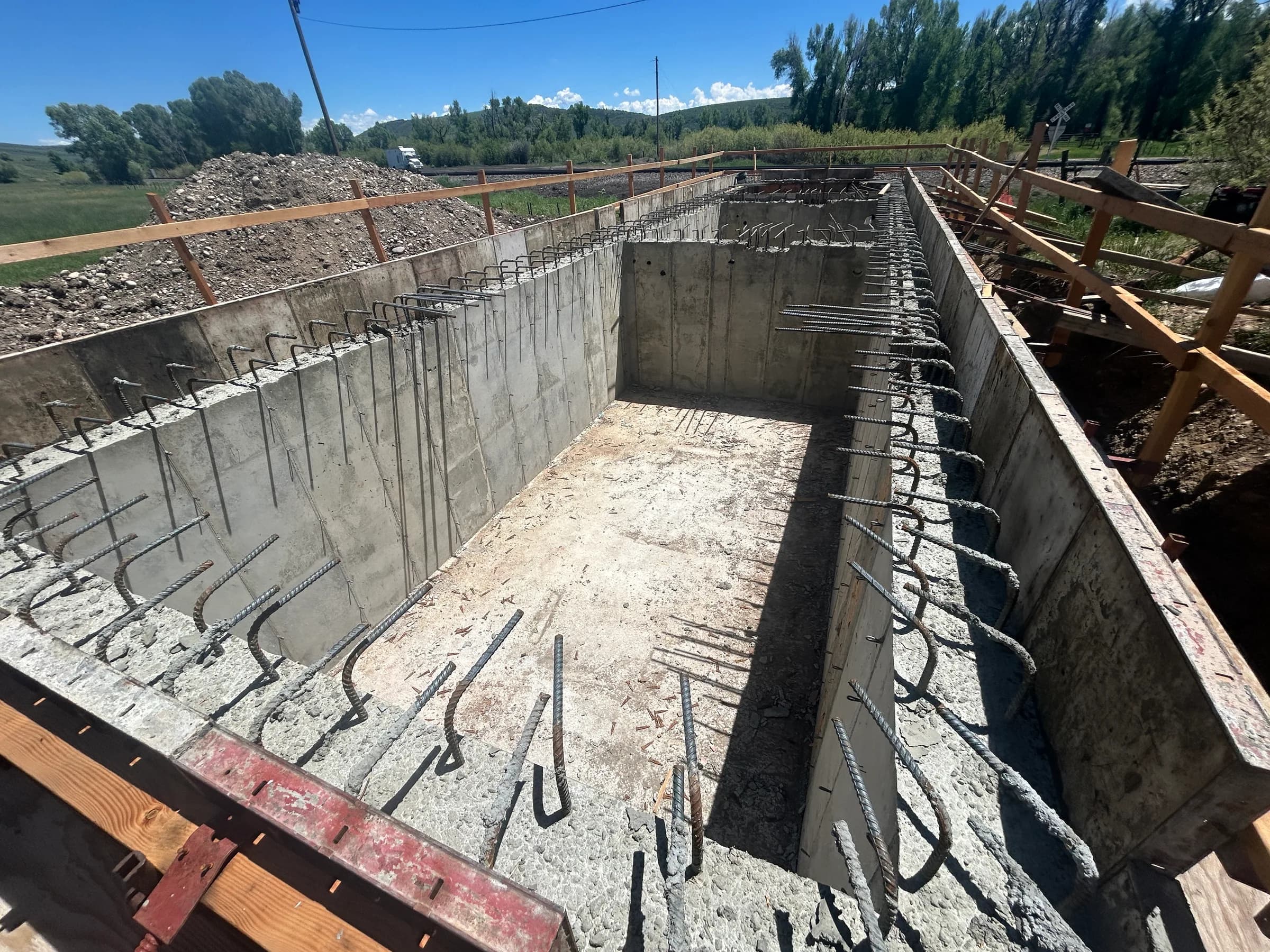
Phippsburg and Milner wastewater plants and collection system
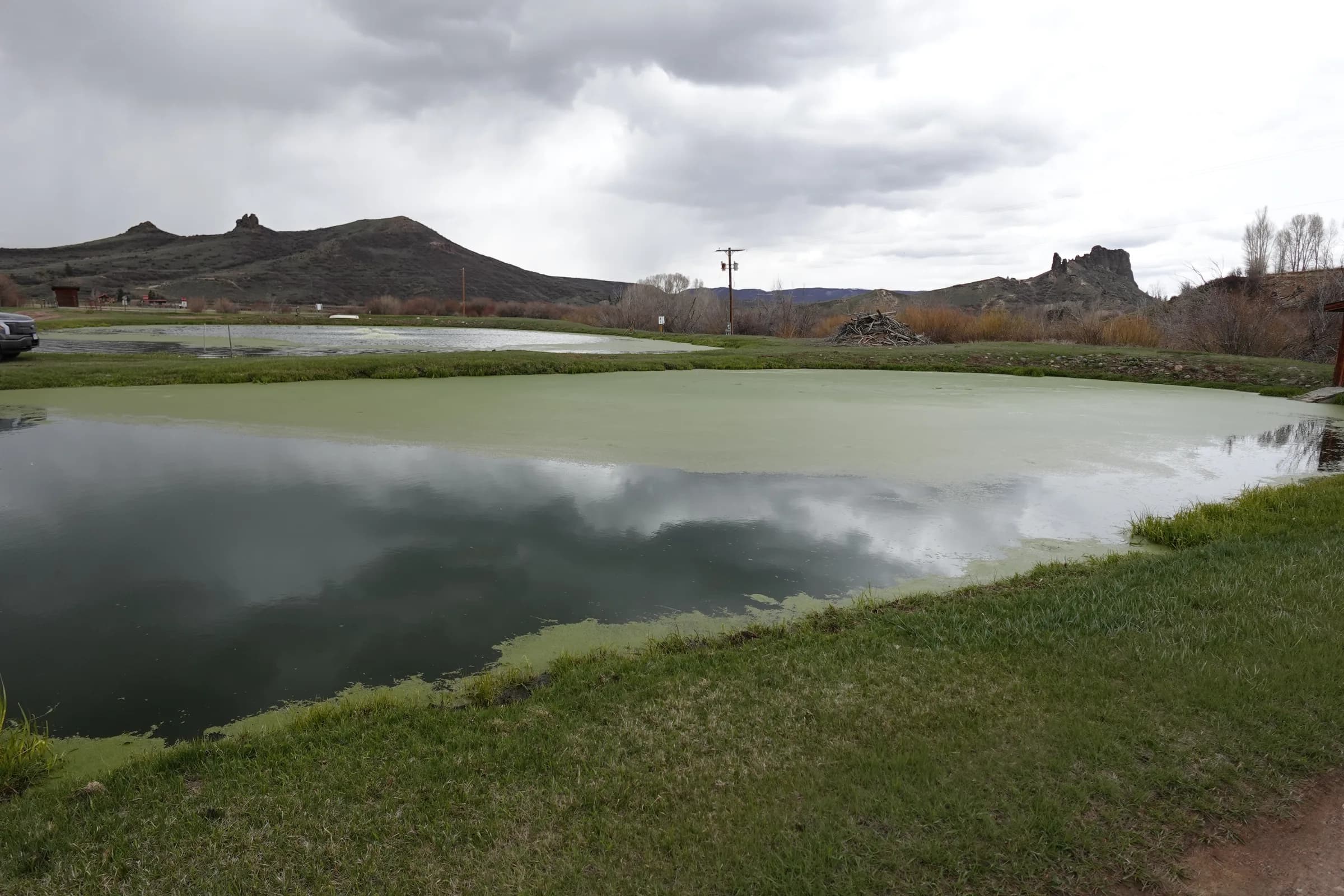
Town of Yampa wastewater plant and collection system
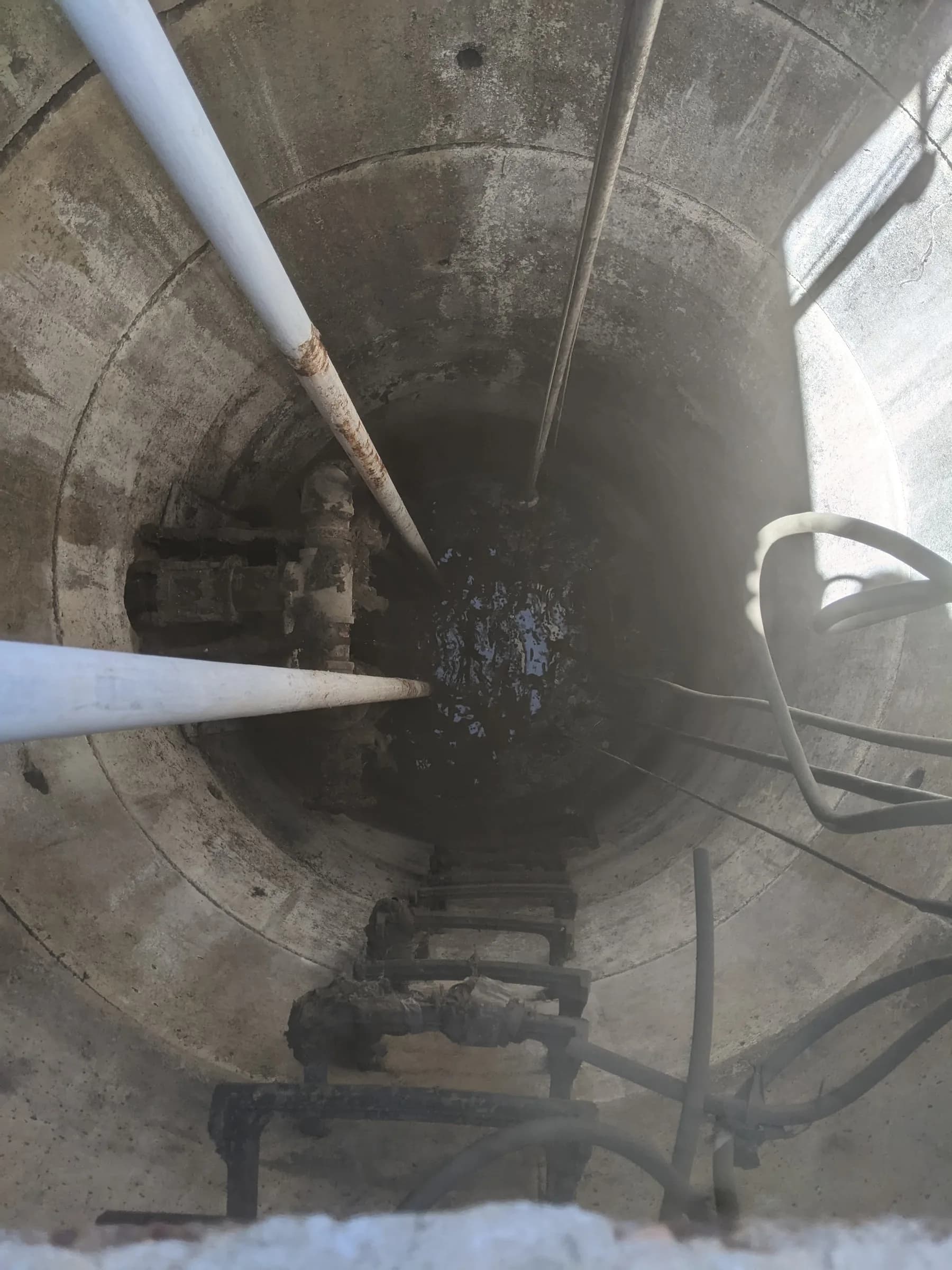
Florissant Water and Sanitation District lift station and collection system
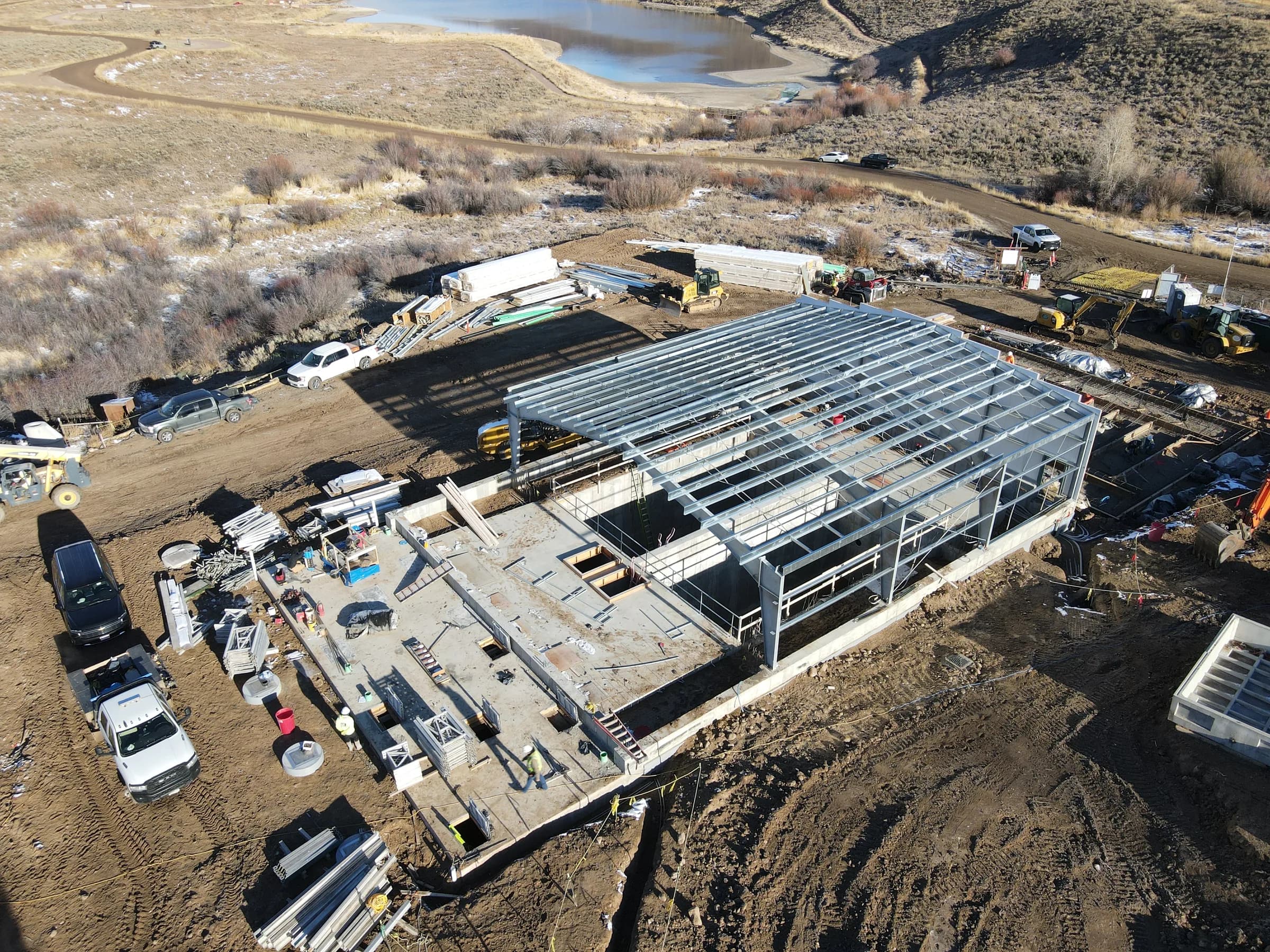
Morrison Creek wastewater plant, water tank and booster station
Talk to an engineer
Not a salesperson. Someone who can tell you whether the pathway is real.
Your options, the agencies involved and the questions that decide cost and schedule.
No commitment to have the first call.
Prefer the phone? (214) 833-6748