Modern Engineering Solutions

Construction Administration From Pre-Construction Through Closeout

Arizona construction administration means field observations when Phoenix hits 118°F, managing contractor RFIs about caliche depth differing from boring logs, and coordinating Maricopa County inspections with city building departments and flood control districts. From Scottsdale luxury developments to Casa Grande master-planned communities, our oversight keeps construction moving through Arizona’s extreme heat, monsoon disruptions, and multi-jurisdictional complexity.

When Does Construction Administration Need Support?

Developers reach out when contractor RFIs pile up unanswered, summer heat stops concrete placement for weeks, or coordinating inspections across Maricopa County jurisdictions becomes unmanageable chaos.

Caliche Change Orders

Contractors claiming unforeseen rock conditions demanding payment increases, caliche appearing at depths exceeding boring log predictions, or excavation costs doubling original estimates triggering budget crises.

Heat Construction Stops

Concrete placement prohibited above 110°F halting foundations for weeks, asphalt paving impossible during midday summer hours, or worker safety restrictions preventing productive work June through August.

Multi-Jurisdiction Chaos

Coordinating Maricopa County, city building departments, flood control district, and fire district inspections with conflicting requirements, incompatible schedules, and different documentation standards creating approval bottlenecks.

Monsoon Damage Claims

Flash flooding destroying incomplete erosion control, monsoon storms damaging exposed work, or contractors requesting time extensions and additional payment for July-September weather delays.

What We Do

Modern Engineering Solutions delivers construction administration for Arizona land development from pre-construction coordination through system startup, ADEQ closeout, and utility provider acceptance statewide.
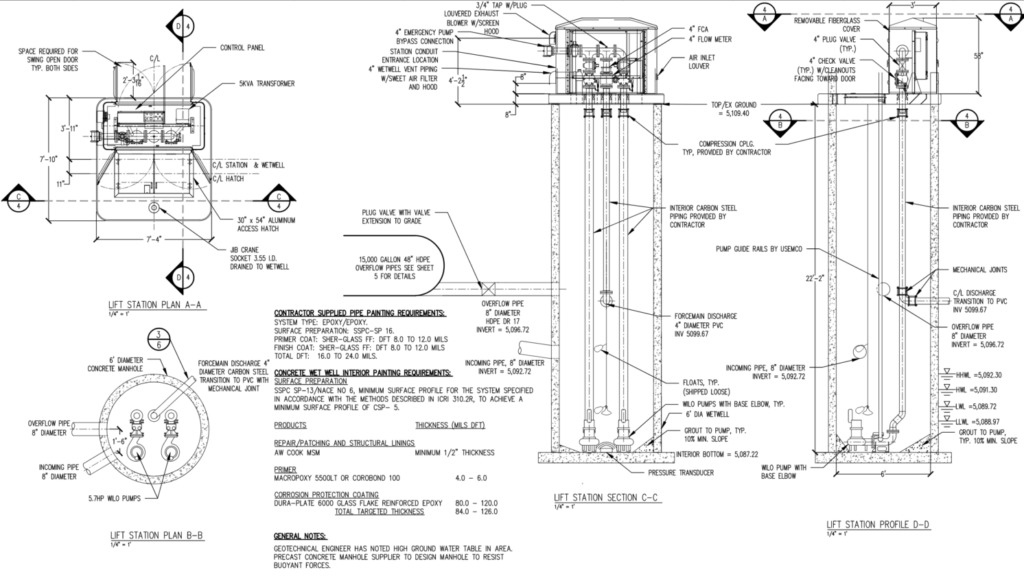
Pre-construction in Arizona means reviewing submittals before May when summer heat begins, coordinating concrete placement schedules avoiding 110°F restrictions, and verifying contractors understand caliche excavation will likely exceed boring log predictions. Submittal reviews catch equipment specifications inadequate for 120°F ambient operation before procurement. Shop drawings get checked confirming duct bank and pipe details account for thermal expansion from 40-degree daily temperature swings.

Schedule coordination addresses June-August heat restrictions when concrete curing requires night pours with chillers and asphalt placement stops entirely during afternoon hours. Preconstruction meetings establish protocols for monsoon season work stoppages and erosion control inspection timing before July storms arrive. Discussing caliche excavation methods upfront prevents disputes when rock appears requiring specialty equipment. Early coordination establishes realistic expectations before construction starts and budget pressure creates adversarial dynamics.
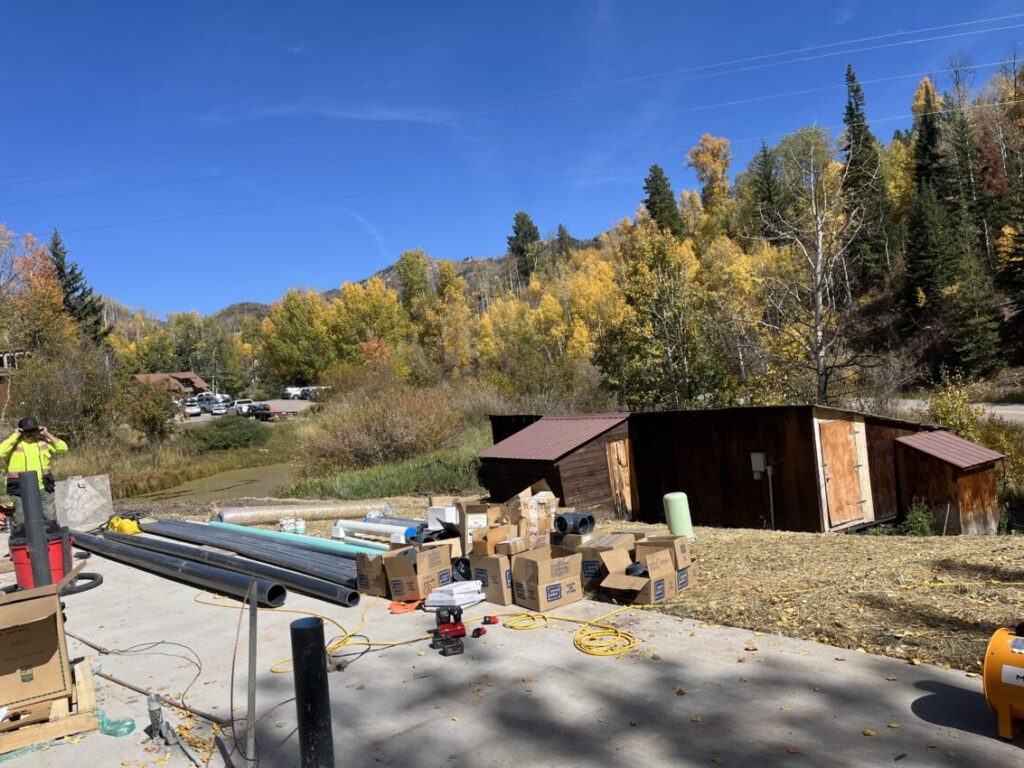
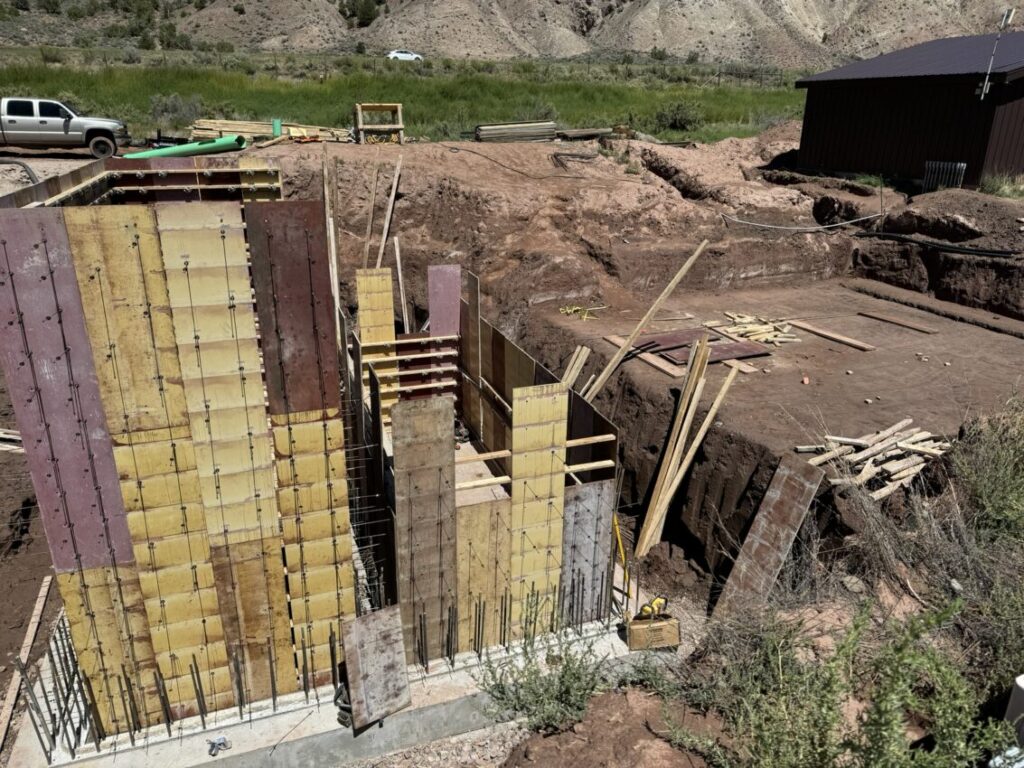
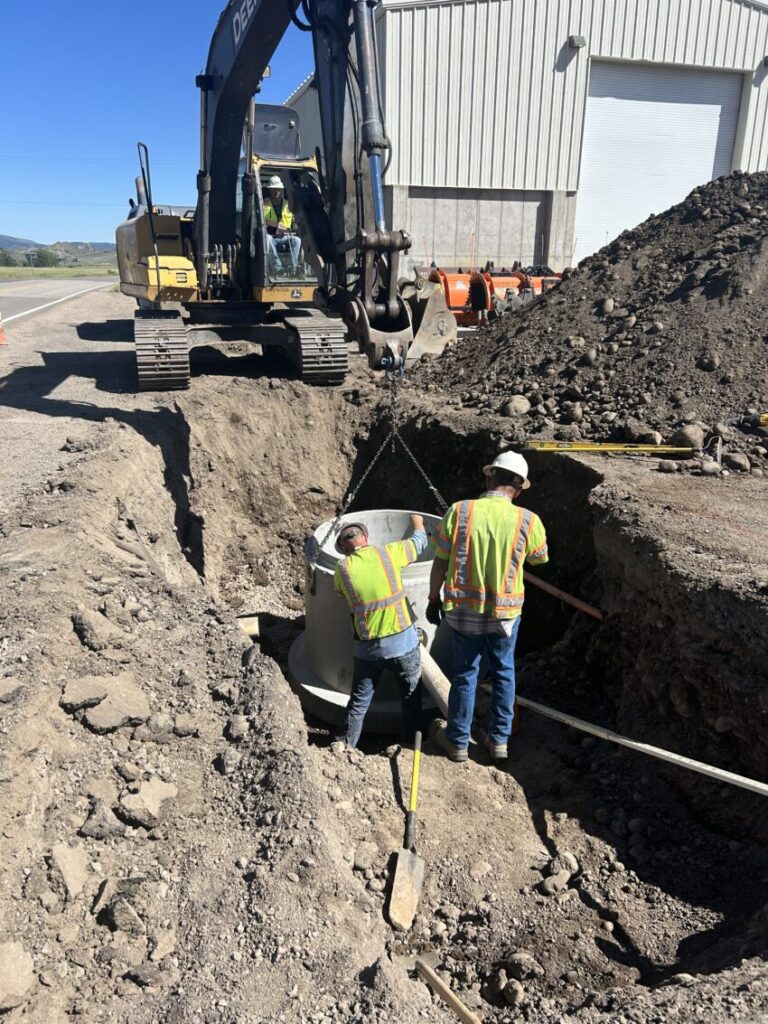
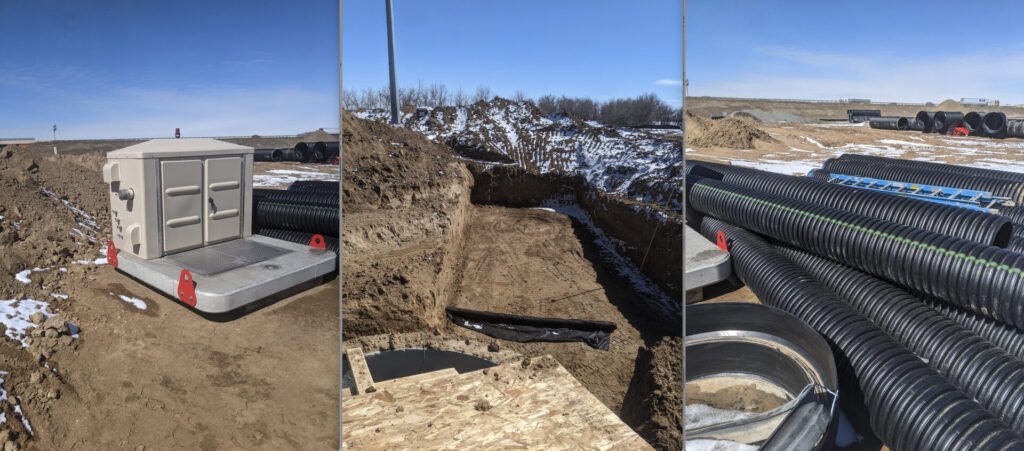
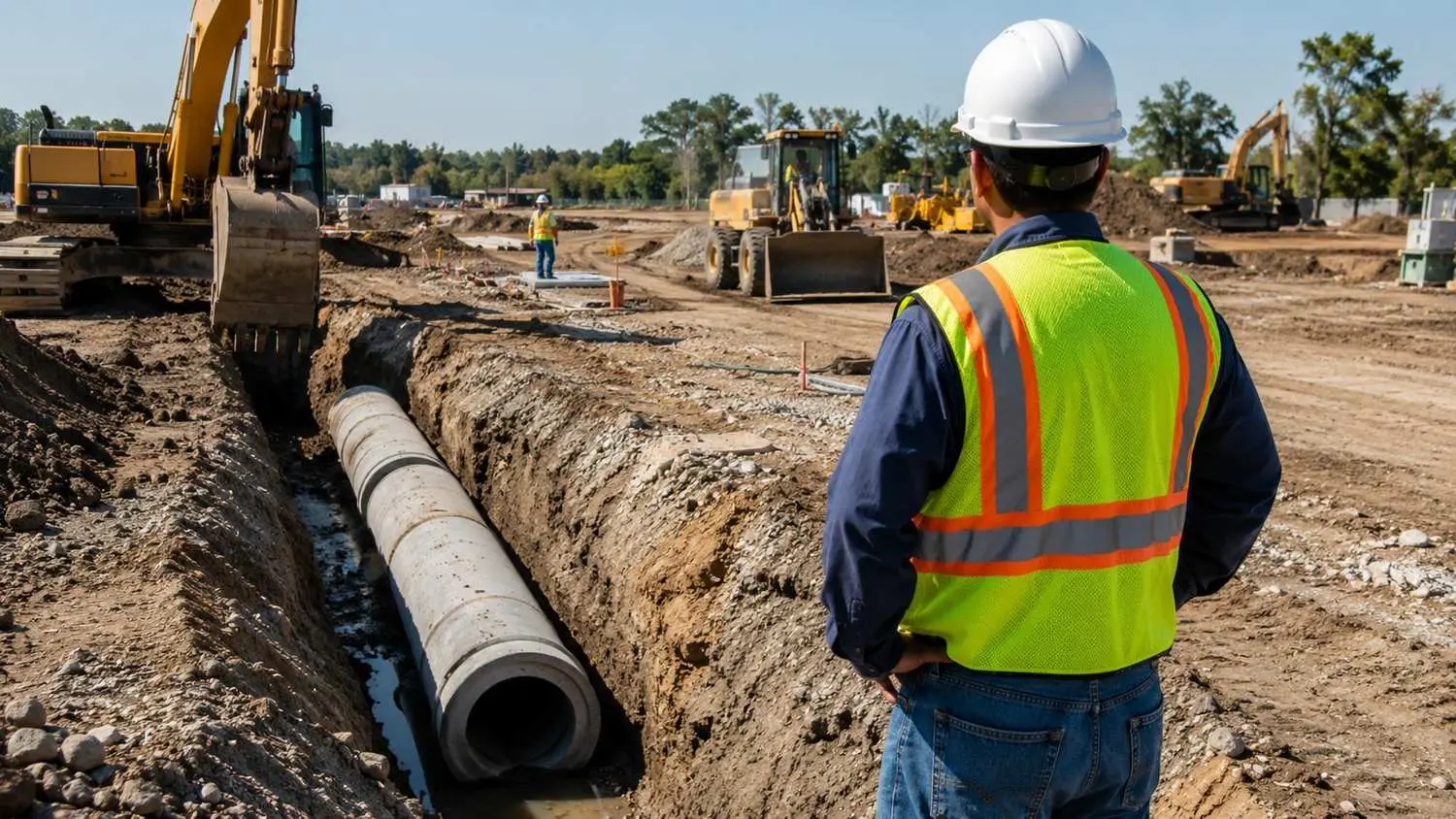
Field observations in Arizona summer mean early morning site visits before temperatures reach 105°F, monitoring concrete placement during approved hours, and verifying erosion control before monsoon season begins. Contractor RFIs get same-day responses because crews can’t wait in 115°F heat when schedule delays compound costs rapidly. Change order evaluation determines whether caliche depth genuinely exceeded boring predictions or contractor failed adequate subsurface investigation during bidding. Progress payments get verified against completed work preventing overpayment for materials delivered but not installed.

Daily reports document temperature conditions affecting placement operations, monsoon storm impacts, and contractor activities. Caliche excavation quantities need careful monitoring because payment disputes arise when rock volumes exceed estimates. Regular developer communication prevents surprises about budget impacts from heat delays or monsoon damage discovered weeks after occurrence when correction options vanish.
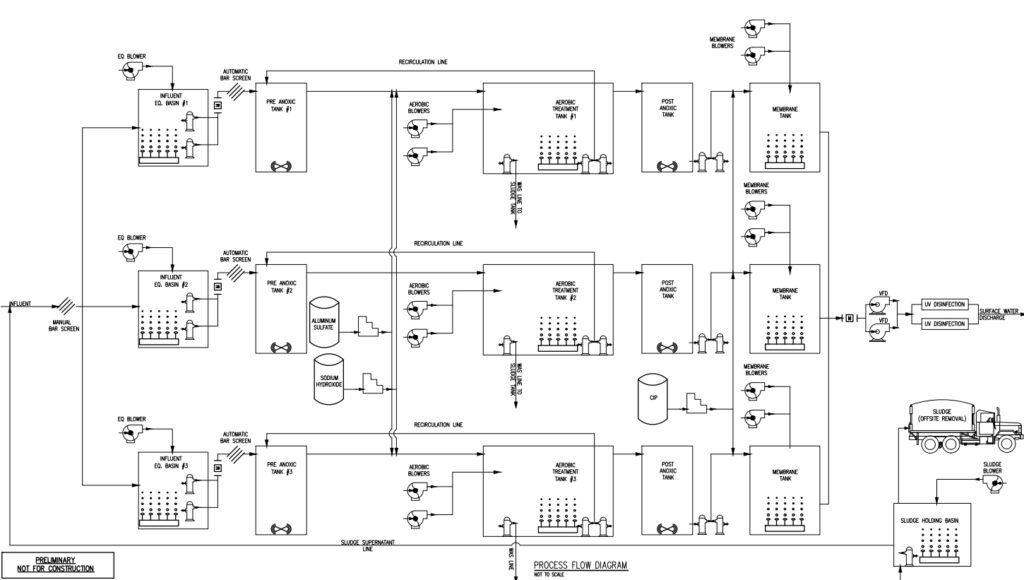
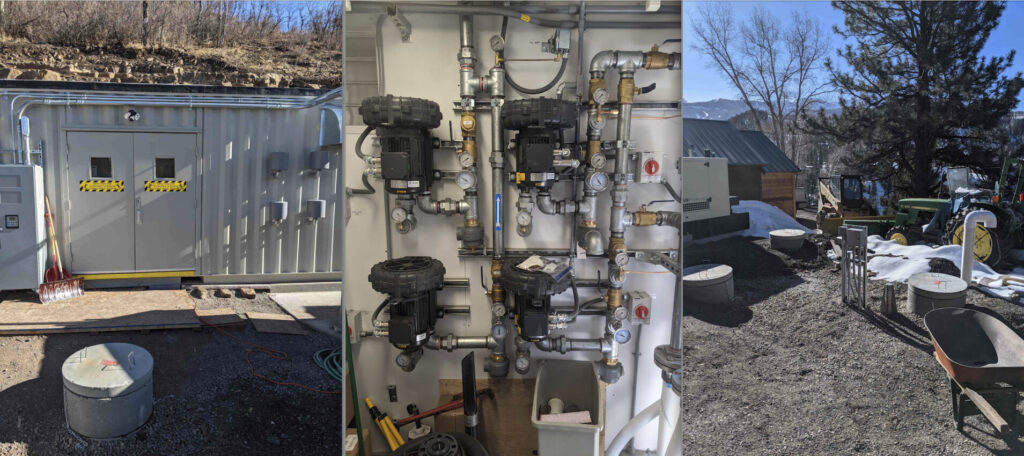
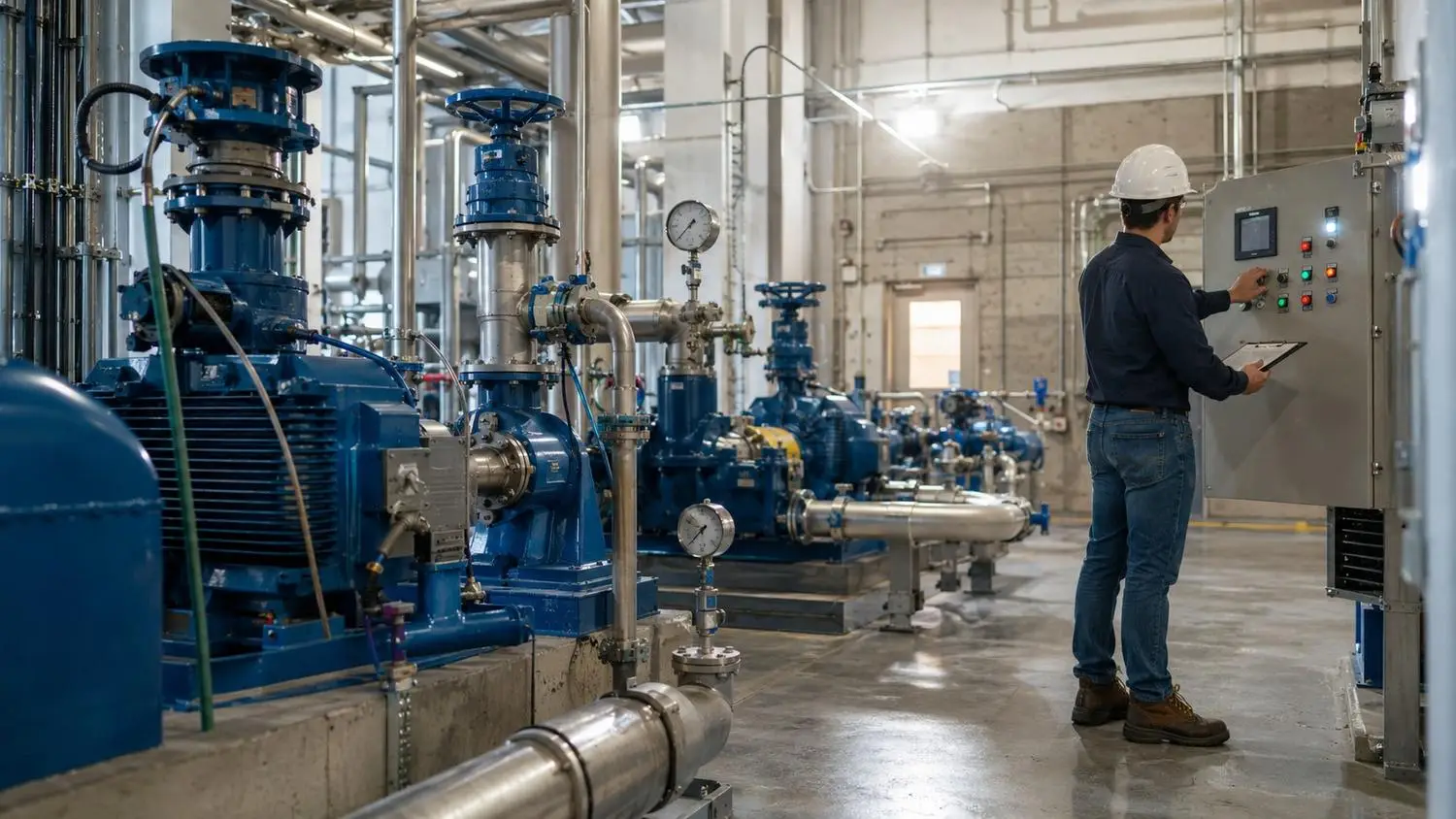
Starting water and wastewater systems in Arizona heat requires verifying equipment operates when ambient temperatures exceed design assumptions manufacturers tested. Pump performance gets validated accounting for high water temperatures reducing efficiency below published curves. Treatment system commissioning confirms biological processes establish despite summer heat pushing temperatures above optimal ranges.

Control programming gets tested across seasonal extremes because winter lows and summer highs create different operational scenarios. ADEQ pre-startup inspections coordinate with construction completion timing. Operations training prepares utility staff for desert-specific challenges like odor control during heat and equipment protection from dust storms. Equipment warranties often exclude damage from improper operation so thorough commissioning documentation protects developers. Startup during cooler months allows process stabilization before summer stress tests systems under worst-case Arizona conditions.
Arizona closeout means coordinating Maricopa County building departments, city jurisdictions, flood control district, ADEQ, and utility providers each demanding different documentation formats and inspection schedules. Record drawings show as-built caliche excavation depths, monsoon damage repairs, and heat-related modifications made during construction. Final inspections require scheduling across multiple agencies with conflicting availability.

Closeout packages include operations manuals, warranty documentation, testing certifications, and ADEQ compliance records. Certificate of Assured Water Supply verification confirms water budget calculations closed correctly. Utility acceptance involves performance testing and operator training. Incomplete closeout prevents certificate of occupancy blocking builder home closings and delaying homeowner association turnover. Our closeout management ensures documentation reaches all agencies simultaneously preventing sequential delays when one missing signature blocks entire project occupancy approval.

Our Approach

RFIs answered same-day during active construction, field observations scheduled before temperatures exceed 105°F, and closeout documentation compiled during construction not scrambled together when occupancy deadlines loom.

Same-Day RFI Response

Contractor questions answered within hours during active construction preventing crews waiting in extreme heat. Engineering decisions made promptly maintaining schedule momentum when delays compound costs rapidly in Arizona summer conditions.

Heat-Aware Field Work

Site observations scheduled early morning before temperatures reach dangerous levels. Concrete and asphalt placement monitored during approved hours. Heat restriction compliance verified preventing placement failures and worker safety violations.

Fair Caliche Evaluation

Change orders evaluated determining whether caliche genuinely exceeded boring predictions or contractor inadequately investigated during bidding. Technical analysis protects budgets from unjustified claims while maintaining fair relationships with contractors completing work.

Parallel Closeout Process

Documentation organized during construction not afterward. Record drawings updated weekly. Agency submittals prepared simultaneously not sequentially. Closeout packages reach all jurisdictions together preventing one missing signature blocking entire occupancy approval.

Projects

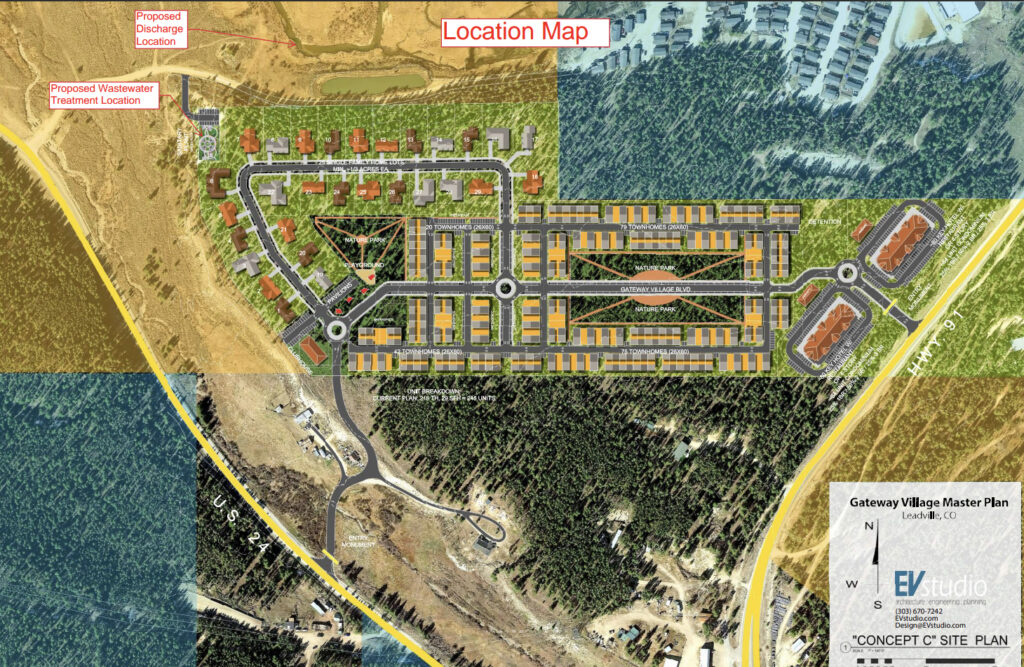
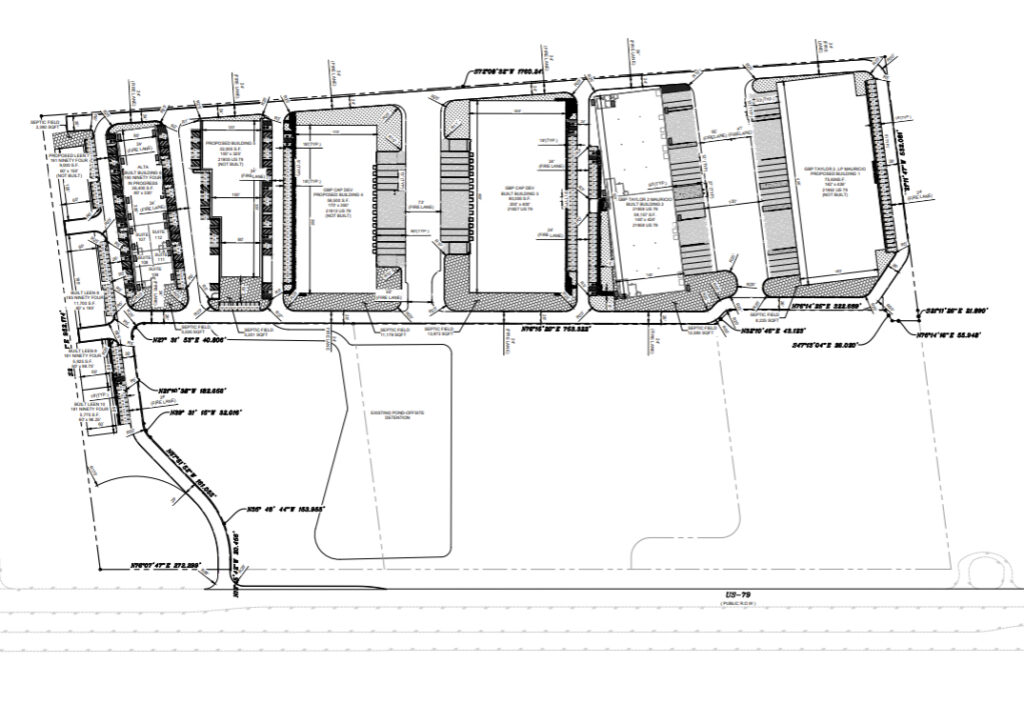
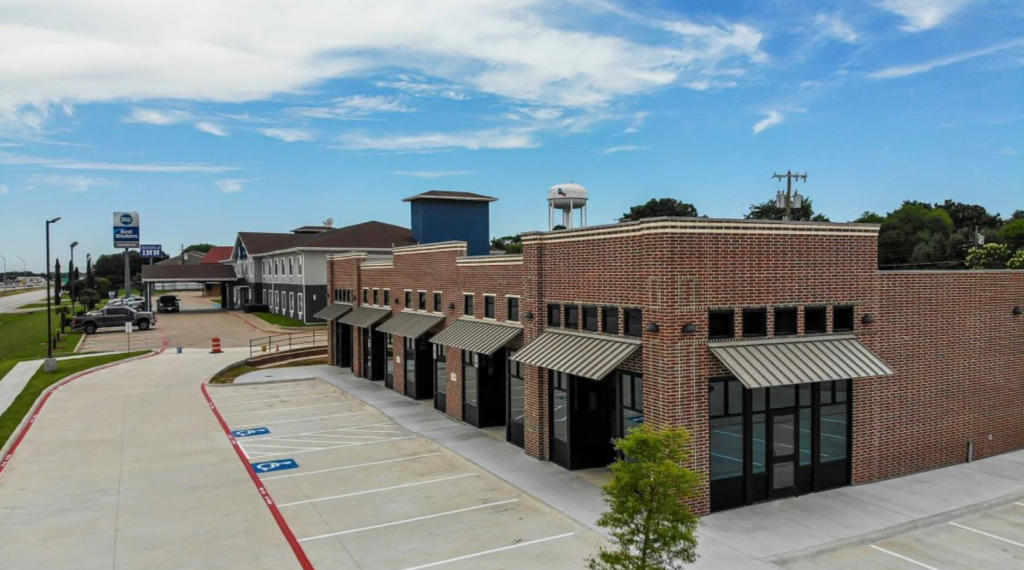
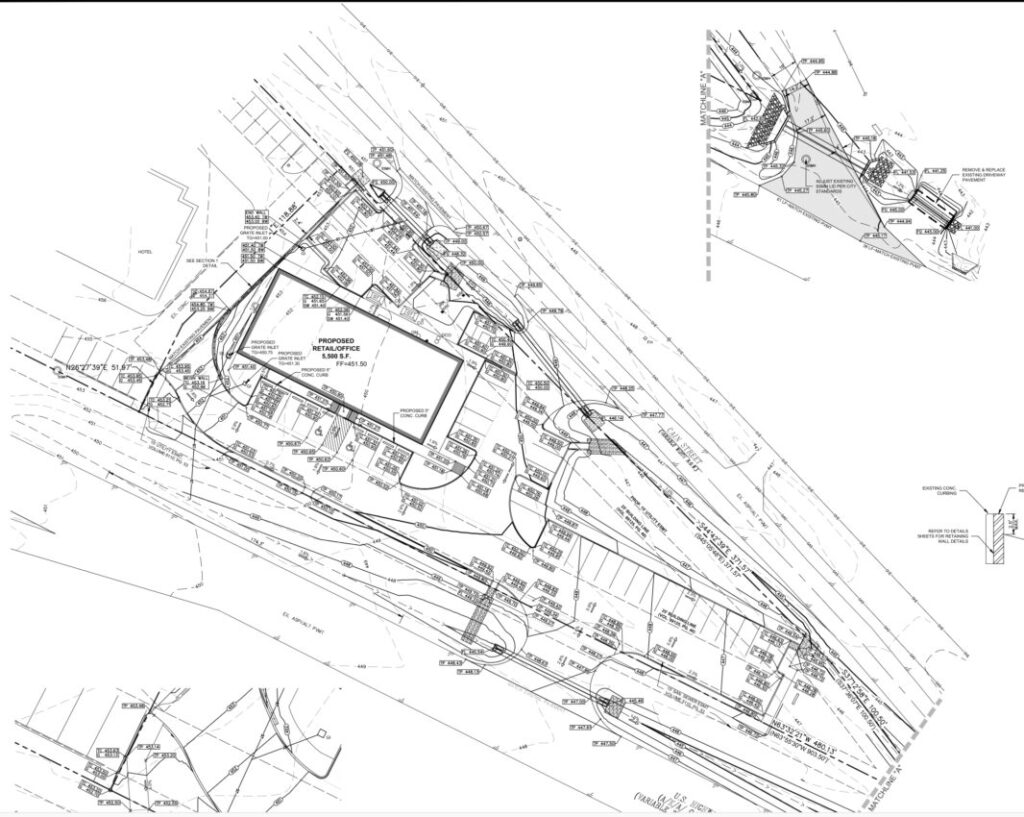
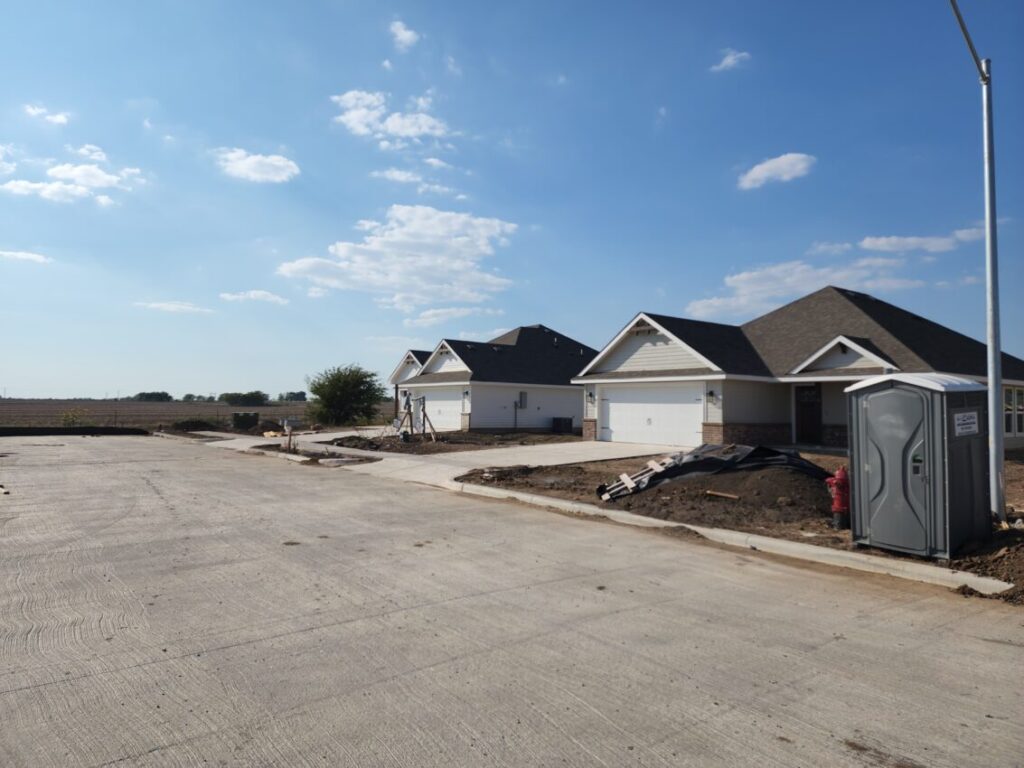
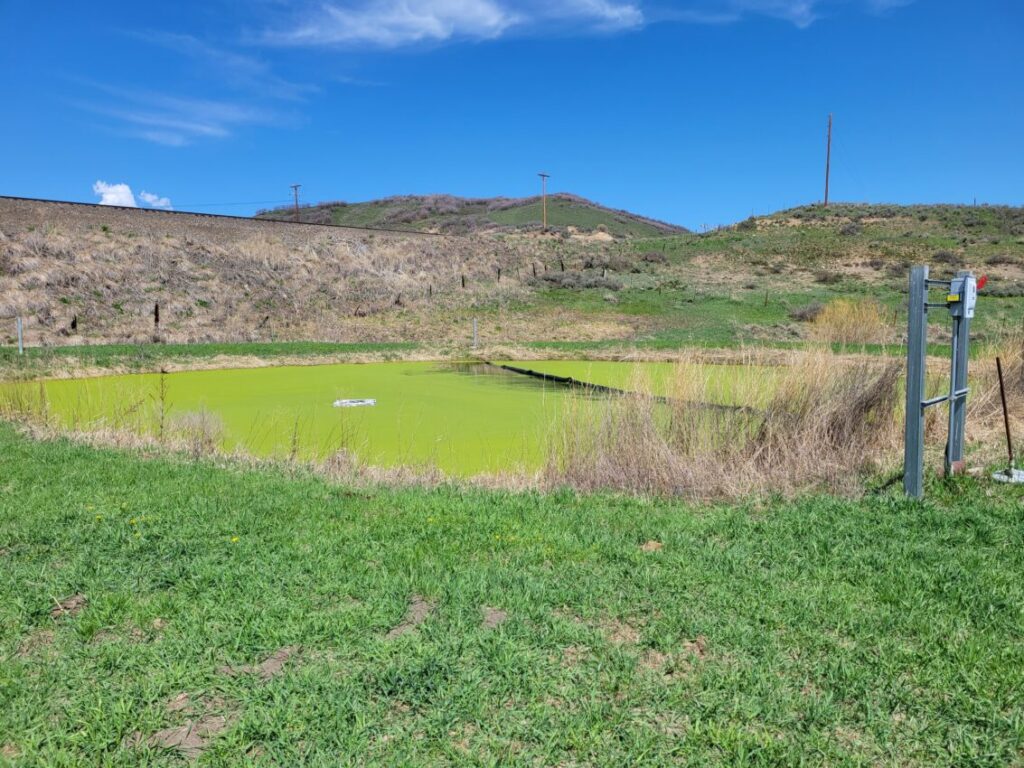
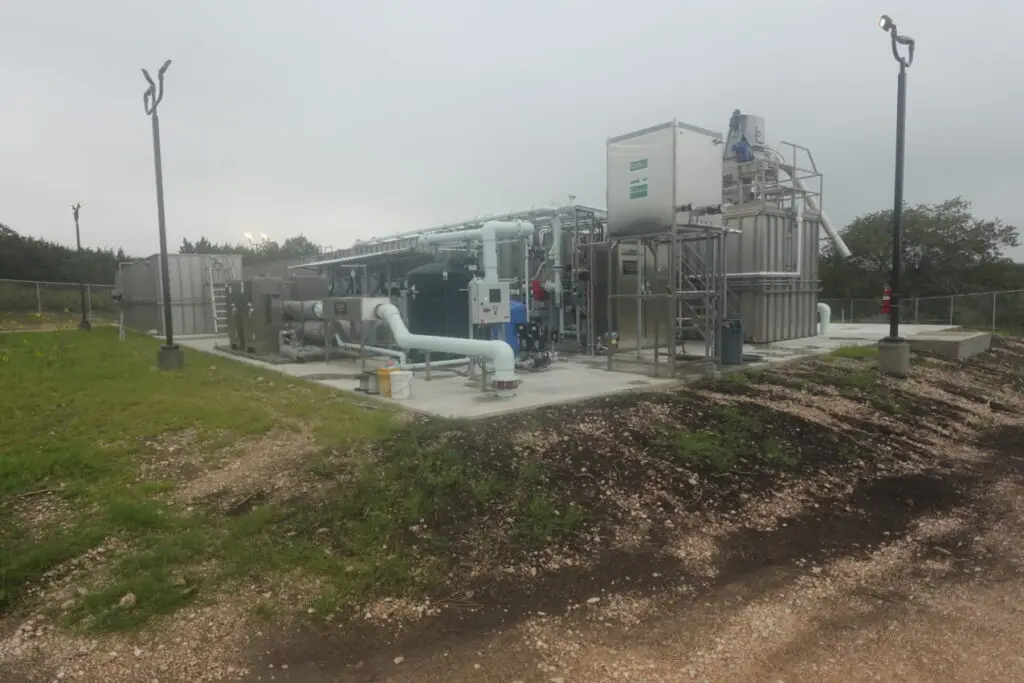
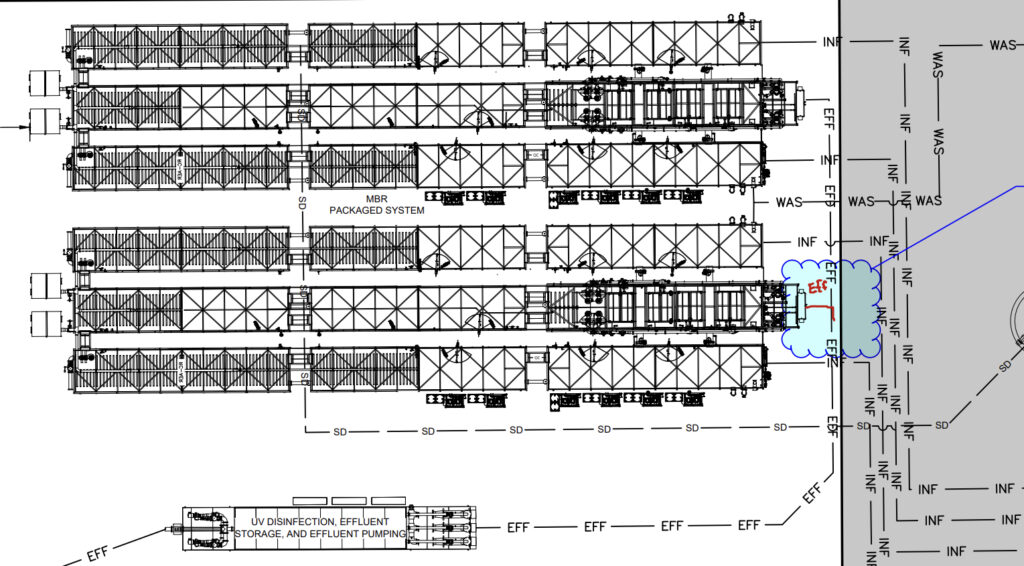
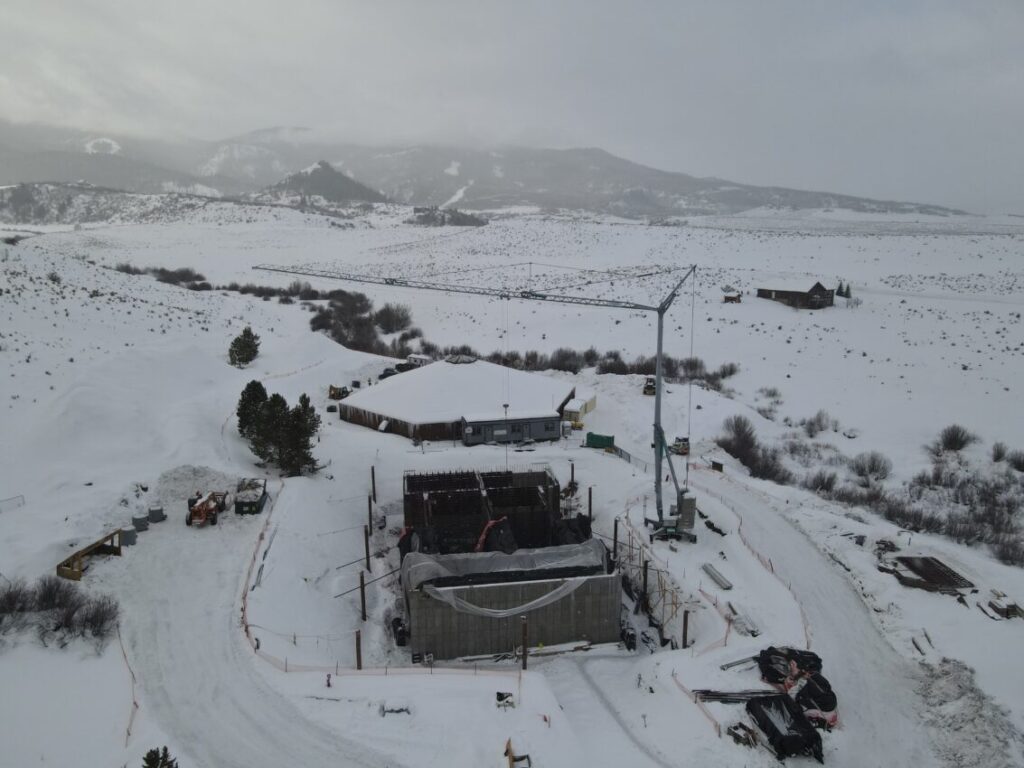
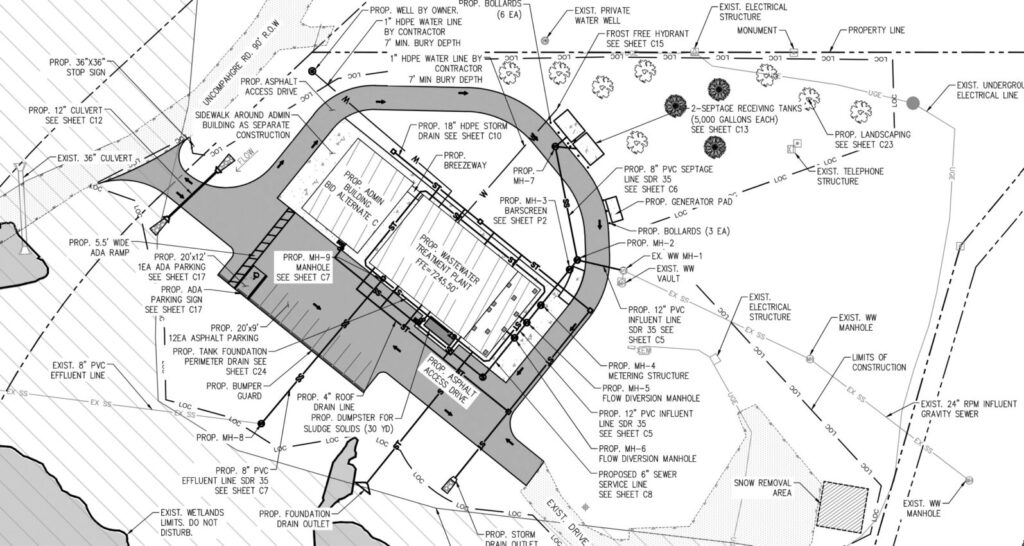
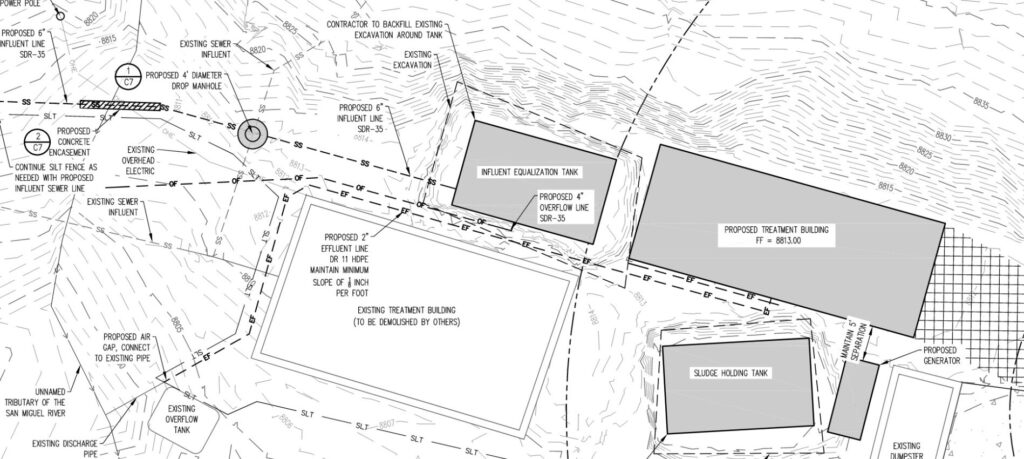
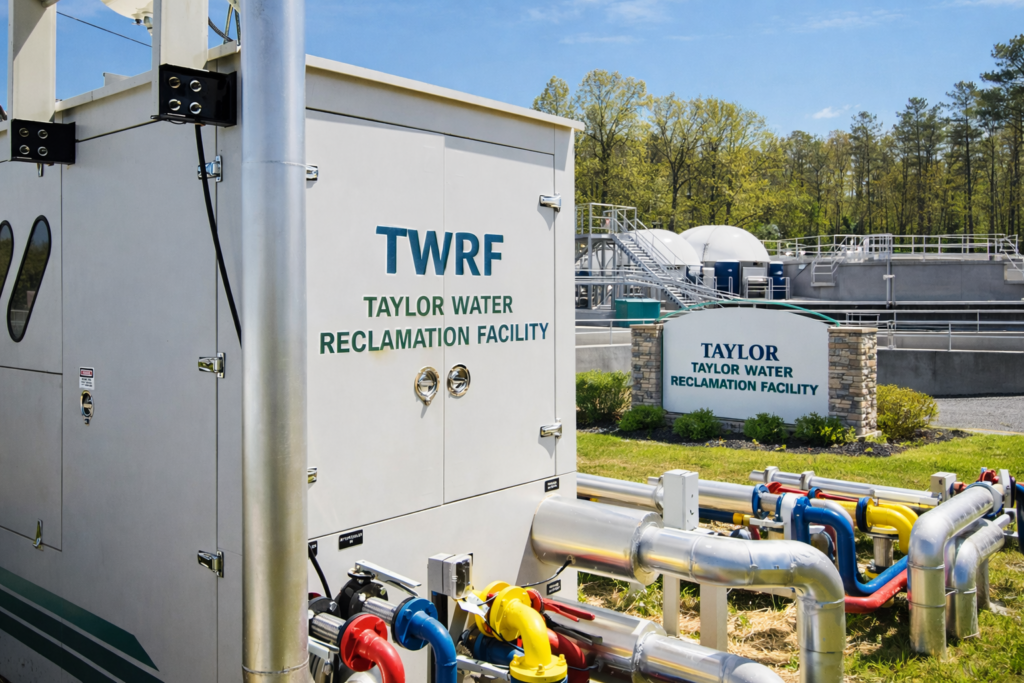
Modern Engineering Solutions delivers water and wastewater engineering across diverse regulatory environments, demonstrating efficient permitting and site-specific design expertise.

Why Choose Modern Engineering Solutions

Why Choose MES

1

Rapid Engineering Response

RFIs answered same-day during active construction. Field questions receive immediate attention. Contractors stay productive in extreme heat instead of waiting days for engineering direction while schedule slips and costs escalate.

2

Desert Construction Experience

Field observations conducted despite Phoenix summer heat. We understand construction restrictions above 110°F, monsoon season impacts, and caliche excavation challenges from actual Arizona projects. Your oversight comes from experienced professionals, not office-bound engineers.

3

Fair Change Order Analysis

Contractor claims evaluated determining legitimate caliche conditions versus bidding errors. Technical analysis protects budgets from unjustified costs while maintaining professional relationships. Fair evaluation prevents both cost overruns and contractor disputes delaying completion.

4

Arizona PE Field Oversight

Licensed Arizona engineers conduct field observations and answer technical questions from actual construction experience. You get professionals making sound engineering judgments from desert heat exposure, not junior staff learning Arizona conditions on your project.

Talk to an Engineer

Arizona construction administration coordinates contractors, inspectors, and multiple agencies through extreme heat and monsoon disruptions. We’ll review your project status and outline engineering support in a 15-minute call.