Quick Answer
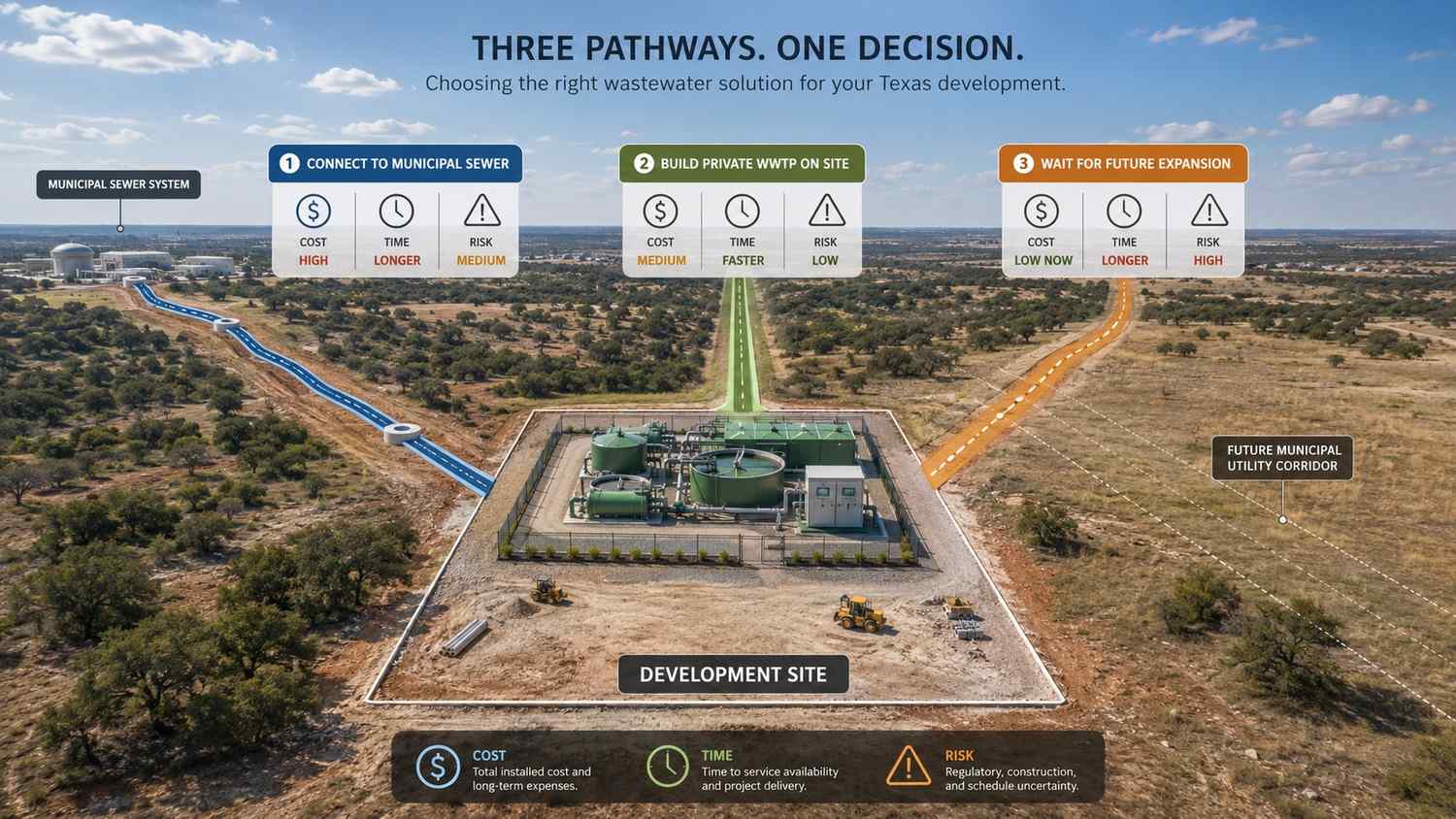
Every Texas development site without municipal sewer access has three wastewater utility options: connect to an existing system, build a private treatment plant, or wait on infrastructure that may or may not arrive on your timeline. Each option has a cost range, a permitting path, and a carrying cost profile that must be priced into the acquisition before you close, not after. Getting this wrong adds $2 million to $10 million in unplanned infrastructure cost or 12 to 24 months of permit delay to a project that was never underwritten for either. This article gives you the framework to evaluate all three options during due diligence.
Option 1: Connect to Municipal Sewer
Municipal connection is the cleanest outcome when it is genuinely available. It transfers long-term operational responsibility to the utility, removes TCEQ treatment permitting from your critical path, and produces a predictable infrastructure cost.
Three variables determine whether this option is viable and what it costs.
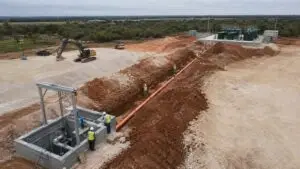
Distance to the nearest connection point. Force main extensions run $500 to $1,000 per linear foot installed, including pipe, pump stations, and easements. A one-mile extension is $2.6 million to $5.3 million before engineering and permitting. That cost falls on the developer in most Texas jurisdictions. When evaluating municipal connection feasibility, you must verify both the distance to the nearest connection point and whether the existing system has available capacity to accept your flows. These two factors will determine the true cost of this option relative to alternatives like a package treatment plant or irrigation discharge system.
Confirmed system capacity. A sewer line visible on the plat does not mean the collection system, lift stations, and treatment plant can accept your project’s flow. Cities in fast-growth Texas corridors are frequently at or near capacity in the sub-areas where development pressure is highest. Connection fee confirmation is not capacity confirmation. Get a written capacity letter from the utility before pricing the municipal connection option.
Annexation and service agreement risk. Some Texas cities condition utility service on ETJ annexation, trading regulatory control for utility access. Post-SB 2038, developers have real leverage in ETJ negotiations that did not exist before September 2023. A city demanding annexation as a condition of service is a negotiating position, not a fixed requirement, when the developer has a credible private alternative priced and in hand.
Option 2: Build a Private Treatment Plant
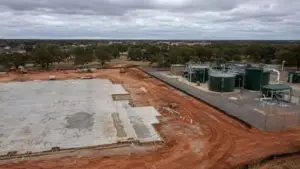
When municipal connection is unavailable, too distant, or too expensive, a private wastewater treatment plant is the path forward. It is buildable and well-understood, but the permitting pathway is the variable that controls everything else.
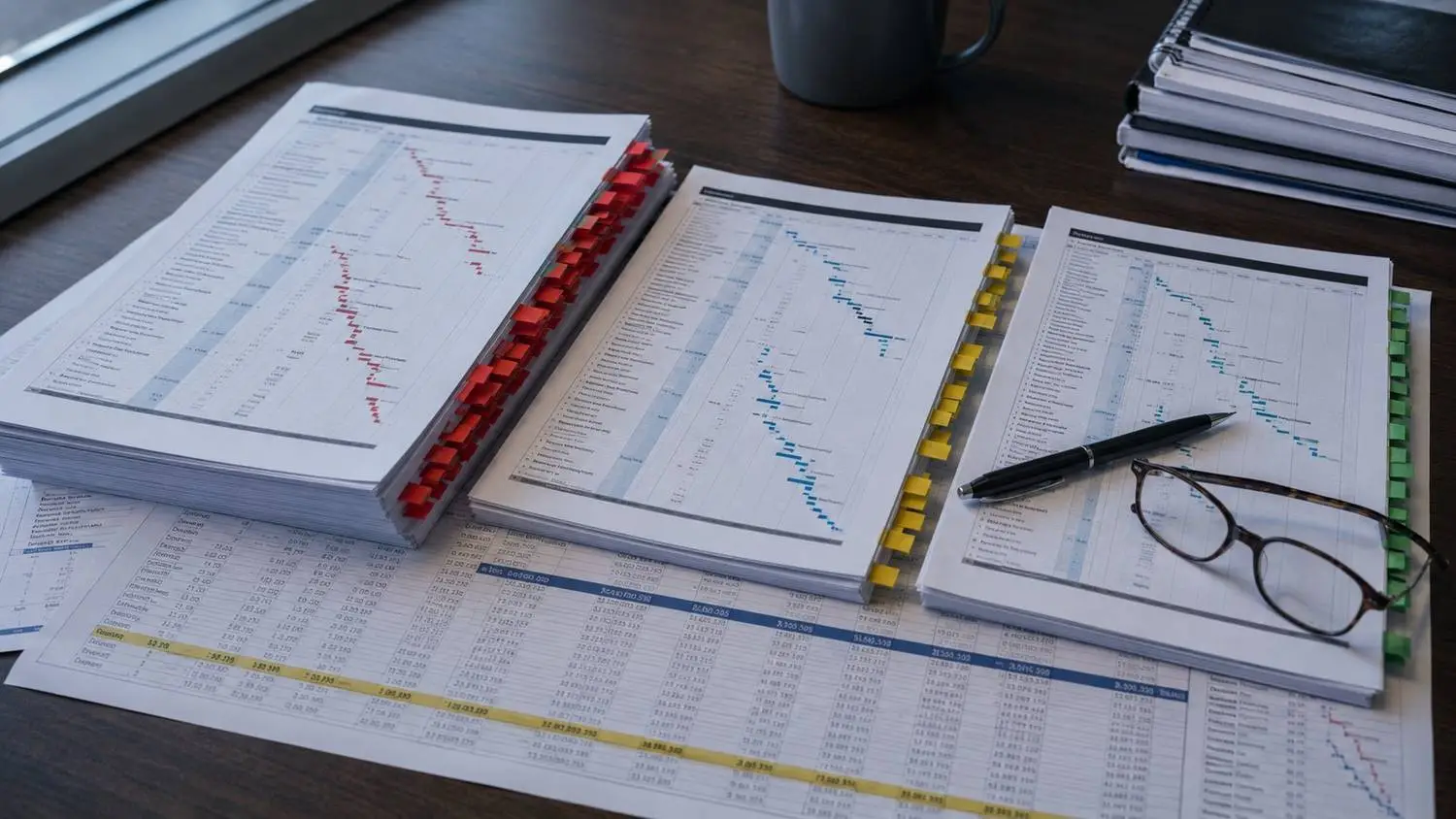
Construction cost runs $18 to $20 per gallon of design capacity at current Texas market pricing. A 130,000 GPD system costs $2.3 to $2.6 million in construction. Engineering and permitting add 15 to 25% on top. Monthly operations and maintenance for a certified operator runs $8,000 to $15,000 per month, an ongoing cost that belongs on the pro forma before the infrastructure decision is made.
Permitting pathway determines how long before construction can start:
TPDES discharge permit: 24 to 36 months. Public hearing exposure. Third-party opposition risk in sensitive watersheds. Highest carrying cost exposure of the three pathways.
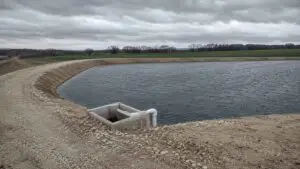
Texas Land Application Permit (TLAP): 10 to 18 months. No receiving water analysis. No EPA coordination for standard domestic flow. Best fit for rural sites with irrigation land.
210E Industrial Reclaimed Water Authorization: 4 to 10 weeks. Available for any project with an industrial wastewater component (a data center, concrete batch plant, or light manufacturing use alongside residential or commercial development qualifies). Per 30 TAC §210.53(b)(2), the industrial component can represent as little as 10% of total flow. This is the fastest permitting path available for qualifying Texas projects.
For the Montgomery County developer who came to MES eight months into carrying costs on a 130,000 GPD development with TCEQ indicating another 12 or more months before discharge permit approval, redesigning for beneficial reuse eliminated the permit dependency entirely. Construction started on schedule. Carrying costs stopped.
Option 3: Wait on Municipal Infrastructure
Some developers acquire sites in Texas growth corridors anticipating that municipal infrastructure will extend to the site within their development timeline. This is sometimes the right call. The risk is entirely in the timing assumption.
Municipal capital improvement plans are reprogrammed regularly. Infrastructure in a city’s five-year CIP is not a contractual commitment. A development underwritten around infrastructure arriving in year two that actually arrives in year five absorbs three years of carrying costs that were never in the model. At $50,000 to $200,000 per month in carrying costs for a project of meaningful scale, a three-year CIP slip is a $1.8 million to $7.2 million exposure that belongs on the acquisition risk register.
Before treating infrastructure extension as a viable strategy, confirm the CIP commitment in writing, understand what conditions could trigger delay or reprogramming, and model the carrying cost exposure if infrastructure arrives two to three years late. If the project cannot absorb that scenario, waiting is not a strategy. It is unpriced risk.
Decision Criteria: How to Choose Before Closing
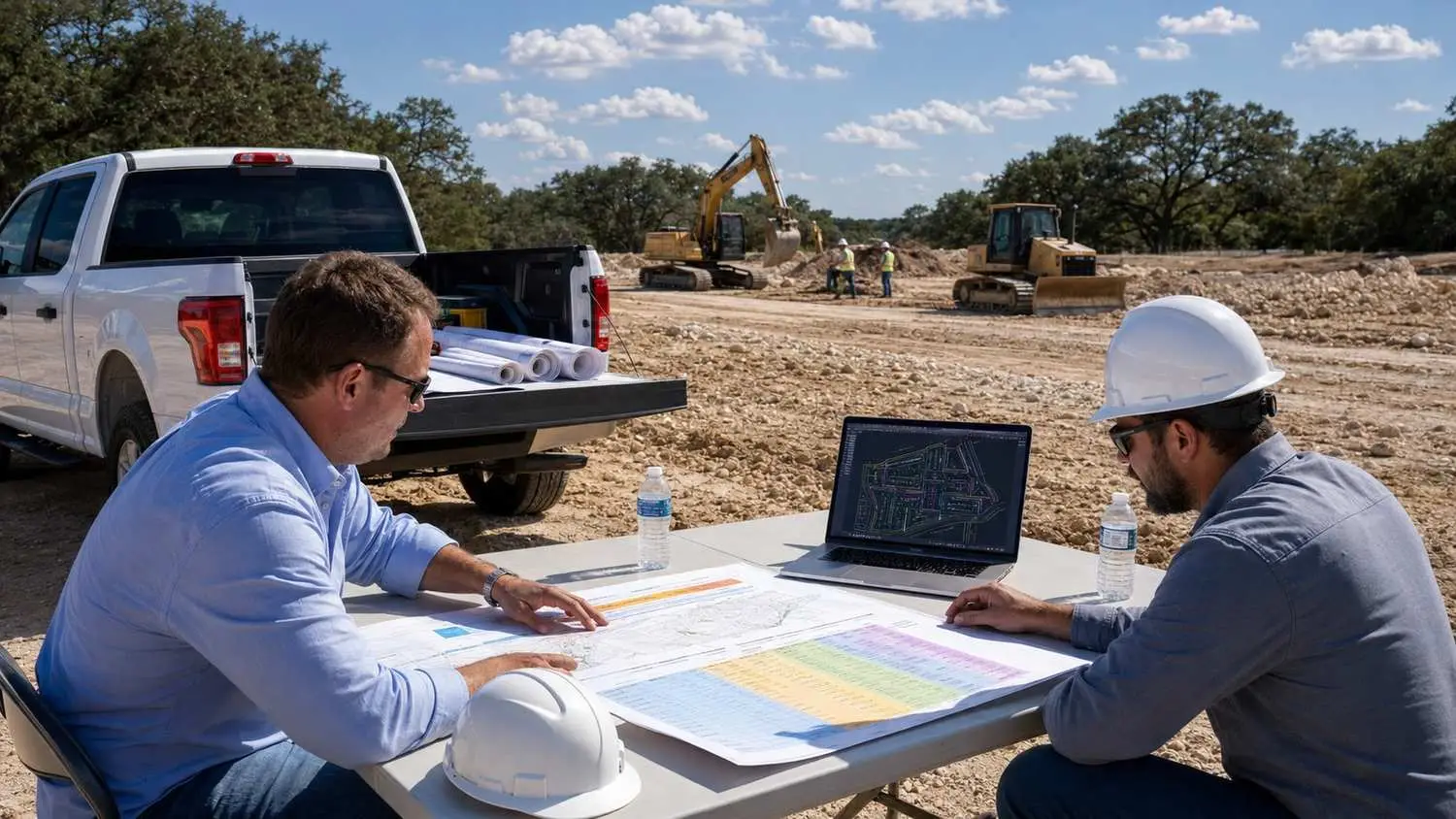
Five data points answer the connect, build, or wait question on any Texas site.
Distance to the nearest connection point with confirmed capacity. Under half a mile with a written capacity letter: connection is likely the right answer. Over a mile with no capacity confirmation: run the private system comparison.
Project flow in GPD. Under 25,000 GPD, a private system is often more cost-effective than a force main to city regardless of distance. Over 500,000 GPD, the economics of infrastructure sharing with a municipal system improve substantially. For sizing guidance, use flow rate projections tied to your actual development program before committing to any pathway.
Timeline pressure. A project with a tenant commitment or financing deadline that cannot absorb a 24-month permit process needs a pathway that delivers in weeks, not years. The 210E authorization exists for exactly this scenario.
Wastewater characteristics. Domestic-dominant flow opens the full range of options. High-strength industrial or food processing waste narrows the treatment process selection and the viable permitting pathways. Understanding your wastewater profile before committing to a pathway is a prerequisite, not an afterthought.
Jurisdiction and ETJ status. Post-SB 2038 ETJ dynamics in Texas give developers real negotiating leverage with cities. Having a private system cost estimate in hand before entering utility access negotiations changes what cities will offer.
Frequently Asked Questions
What is the fastest wastewater permitting pathway for a Texas development that cannot connect to municipal sewer?
For projects with any industrial wastewater component, the 210E Industrial Reclaimed Water Authorization runs 4 to 10 weeks. For domestic-only flow on sites with irrigation land, a Texas Land Application Permit runs 10 to 18 months. TPDES discharge permits run 24 to 36 months under current TCEQ conditions.
How do I confirm that a municipal system has capacity to serve my project?
A connection fee estimate from the city is not capacity confirmation. Request a written utility availability letter that specifically addresses collection system capacity, lift station capacity, and treatment plant headroom at your projected flow. Confirm who is responsible for funding any required system upgrades.
Can a developer switch from a discharge permit to a reuse pathway mid-process?
Yes. MES has helped developers redesign stalled discharge permit projects for beneficial reuse. The redesign eliminates permit dependency and allows construction to start on a defined timeline. The earlier in the process this decision is made, the lower the redesign cost.
Related Resources
- Building a Private WWTP in Texas: What Developers Need to Know Before They Commit
- What Is a 210E Authorization and How Can It Save Your Texas Development Project
- How Carrying Costs Are Killing Texas Development Projects (And the Permit Strategy That Fixes It)
- Land Application Permits in Texas: A Faster Path to Wastewater Approval for Developers
Evaluating Wastewater Utility Options on a Texas Site?
Modern Engineering Solutions works with Texas developers to evaluate connect, build, and wait options during due diligence, producing infrastructure cost and timeline analysis that supports accurate acquisition pricing before closing.
We specialize in:
- Utility feasibility assessments during land due diligence (two to four week turnaround)
- Municipal connection capacity and extension cost analysis
- Private WWTP sizing, process selection, and permitting pathway comparison
- 210E, TLAP, and TPDES permit strategy for Texas development projects
- Pro forma support: infrastructure cost and carrying cost exposure analysis
Modern Engineering Solutions, McKinney, Texas. Contact: (214) 833-6748 or mod-eng.com
Share via: