
ADEQ Permitting for Wastewater Systems in Arizona: What Developers Need to Know Before Breaking Ground
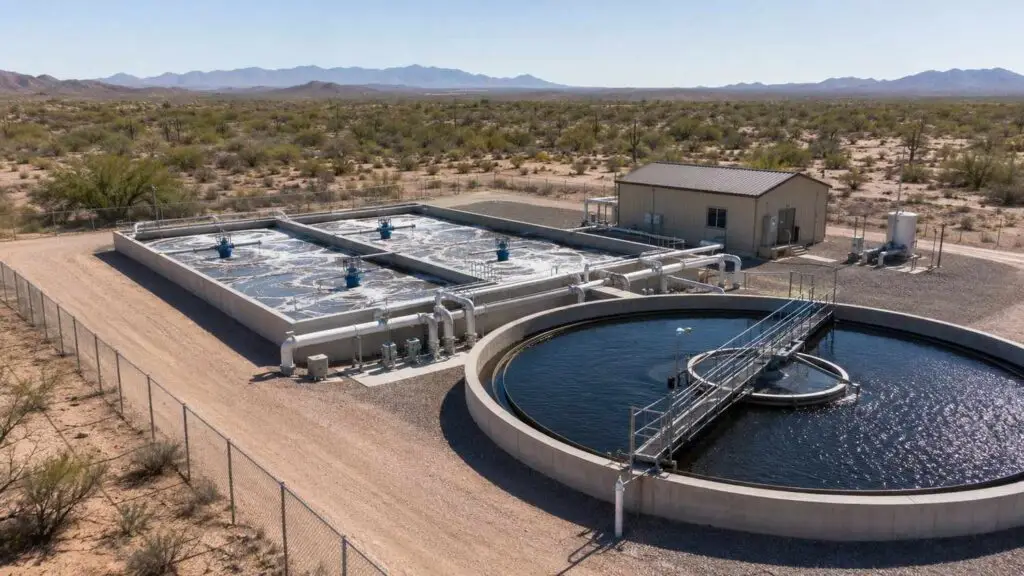
Arizona developers who treat wastewater permitting as something to sort out after the site plan is approved and the financing is closed are the ones who end up explaining to their investors why the construction start date moved six months. ADEQ wastewater permitting is not a formality that gets resolved in a few weeks once the entitlement work is done. It is a technical review process with specific documentation requirements, defined timelines, and compliance obligations that must be understood and planned for before any credible construction schedule is committed to.
Water Scarcity Engineering in Arizona: How Developers Are Planning for a Drier Future
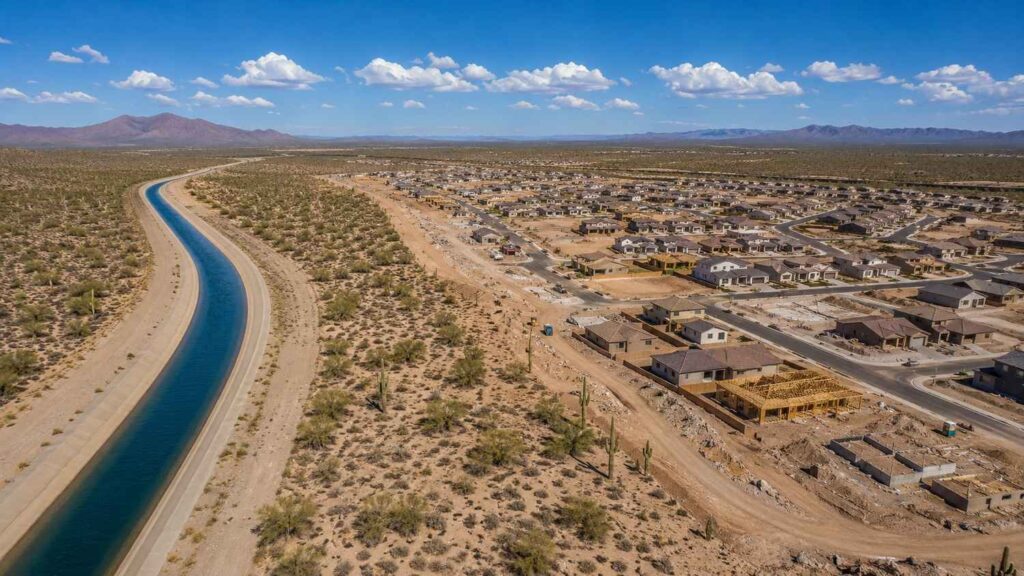
Arizona is one of the fastest growing states in the country and one of the most water stressed. Those two facts are in direct tension with each other, and the developers, municipalities, and infrastructure planners who are navigating that tension successfully are the ones who treat water availability as a feasibility question rather than a utility service question. In Arizona, water is not a commodity that arrives when you connect to the system. It is a finite resource with a legal framework, a supply constraint, and a planning horizon that must be evaluated before any serious development commitment is made.
Force Main Corrosion in Florida’s Coastal Environment: Design Strategies That Last
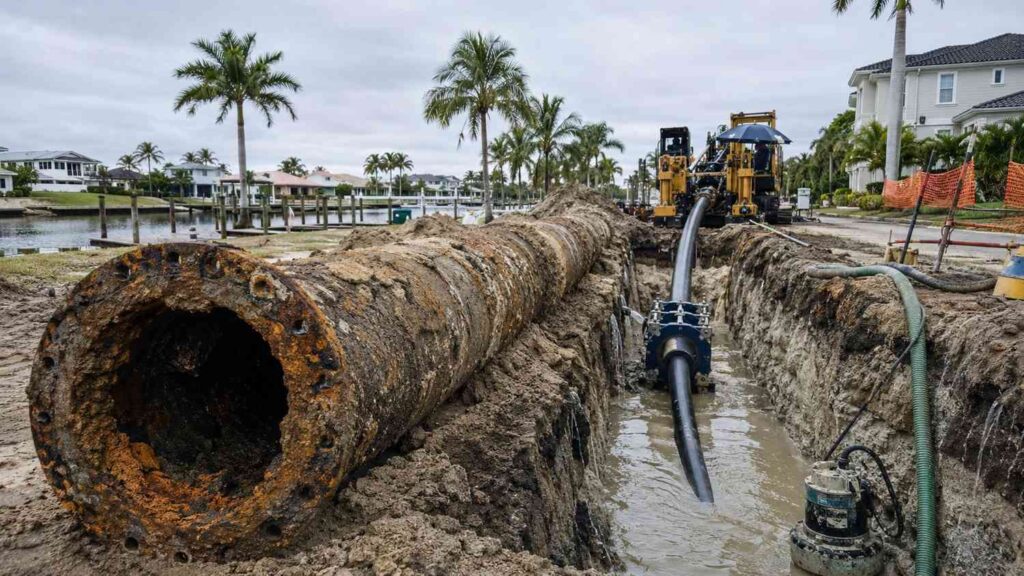
A force main failure in a coastal Florida community is not a minor maintenance event. It is a spill into an environmentally sensitive receiving environment, a mandatory FDEP notification, a public relations problem, a traffic disruption, and an emergency repair cost that typically arrives at the worst possible time with the least possible preparation. The difference between a force main that fails at year twelve and one that performs reliably for thirty or forty years is not luck. It is material selection, hydraulic design, corrosion protection, and a maintenance program that treats the asset as the critical piece of infrastructure it actually is.
Lift Station Design for Florida’s Flat Topography: Challenges Every Developer Should Understand
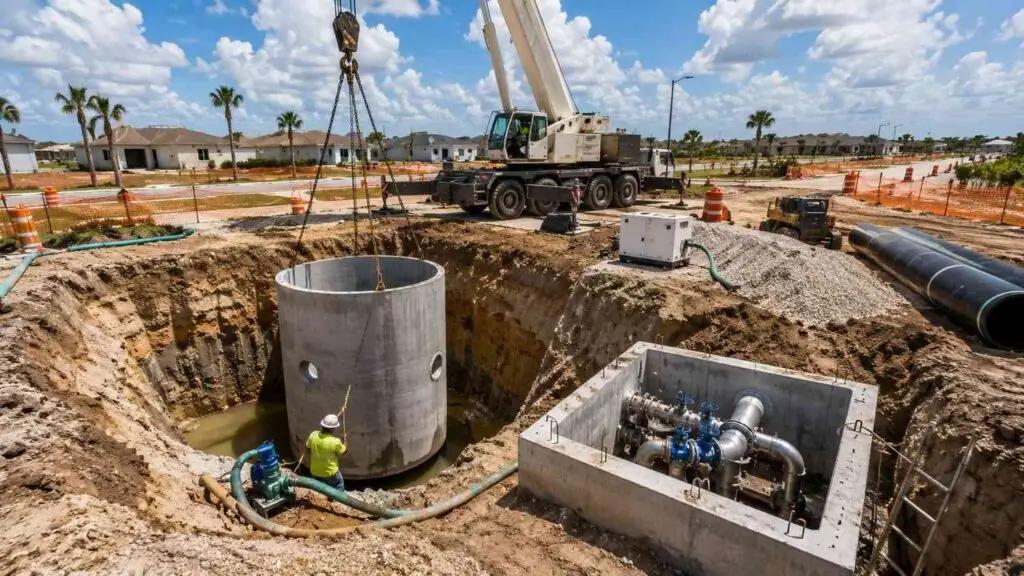
Florida’s flat terrain looks like an easy civil engineering environment until you try to move wastewater across it by gravity. Without meaningful grade changes to drive flow, gravity sewers in Florida require depths that quickly become impractical, expensive, and in some cases impossible given the state’s high groundwater table. Lift stations are not a design preference in Florida. For most developments, they are a physical necessity, and the decisions made about their design, location, and long term operation affect the project far beyond the utility plan sheet they appear on.
Florida’s Exploding Growth vs. Aging Wastewater Infrastructure: What Engineers Are Facing Right Now
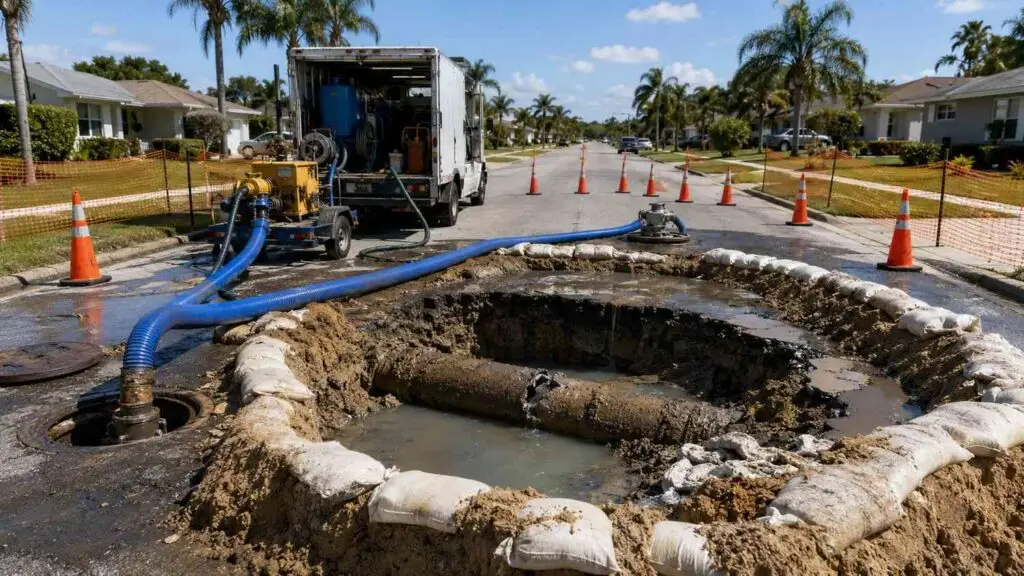
Florida added more than 525,000 new residents between 2022 and 2023 and another 664,000 between 2023 and 2025, making it one of the fastest-growing states in the country for consecutive years. Every one of those residents needs water, and every one of them generates wastewater. The infrastructure that handles that wastewater in many Florida communities was designed for a fraction of its current load, and the gap between what the system was built to handle and what it is being asked to handle today is where the most serious engineering problems in Florida water and wastewater are concentrated right now.
How to Conduct a Fire Flow Analysis for a Texas Development or Subdivision
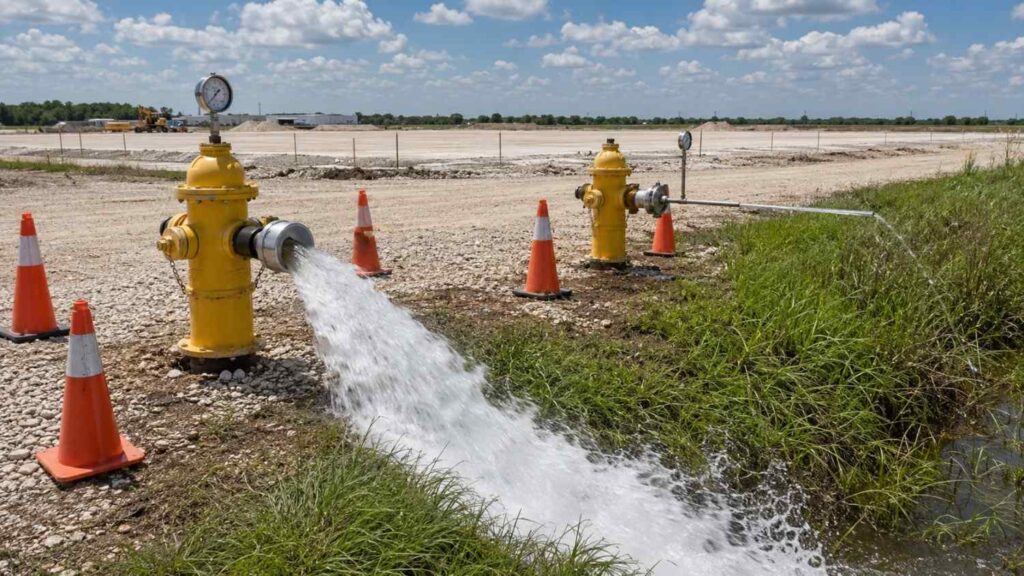
Fire flow is one of the most consequential water system requirements a Texas development can face and one of the most consistently underestimated until plan review comments arrive and the site design is already locked in.
Stormwater Discharge Permitting for Industrial Facilities: TPDES Industrial Stormwater Permits Explained
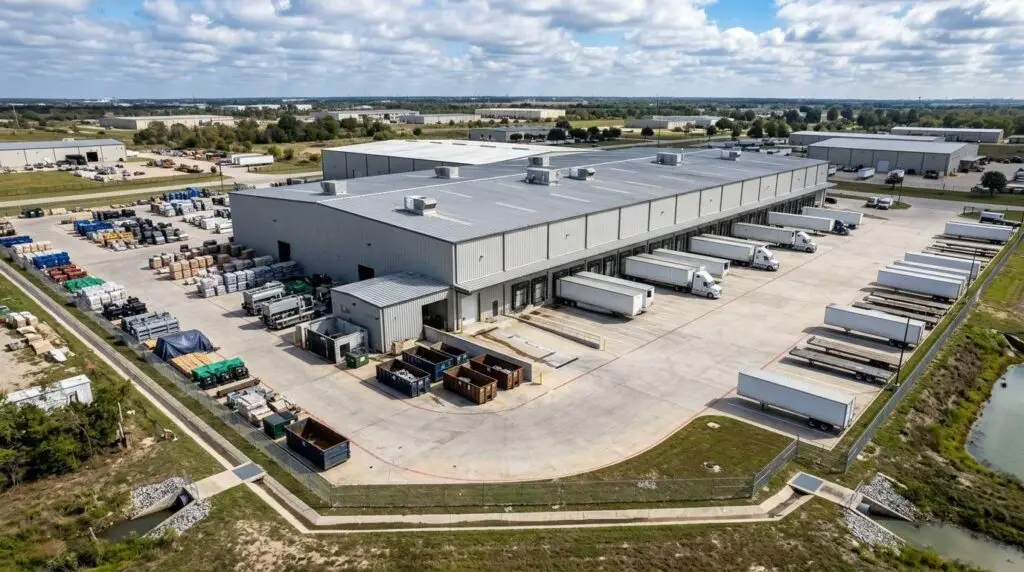
An industrial facility that has never applied for a stormwater permit is not necessarily in compliance. It may simply not have been inspected yet. When stormwater contacts exposed industrial materials, equipment, process areas, or waste handling zones and then runs off the site, that discharge is regulated under the Texas Pollutant Discharge Elimination System regardless of whether anyone at the facility knows it.
Biosolids Land Application from Private Wastewater Treatment Facilities in Texas
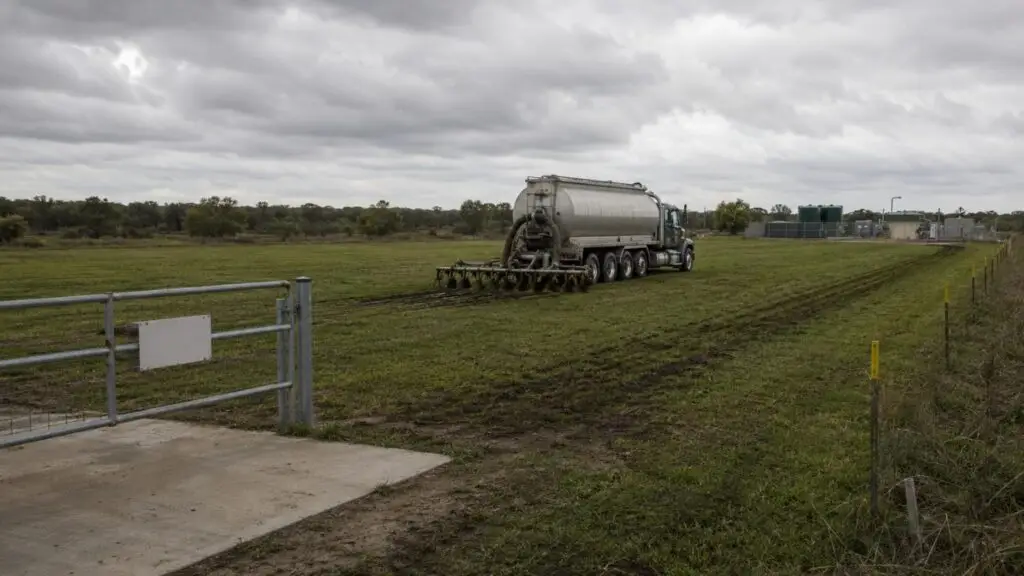
Most developers who build a private wastewater treatment plant spend their engineering budget on the TPDES permit, the treatment train design, and the TLAP or 210E authorization for effluent disposal. Almost none of them spend equal attention on what happens to the sludge. That oversight does not stay invisible for long. The first time a certified operator calls to report that the sludge holding tank is full and there is no permitted disposal pathway in place, the project has a compliance problem that should have been solved before the plant went online.
How to Size a Package Wastewater Treatment Plant for a New Texas Development
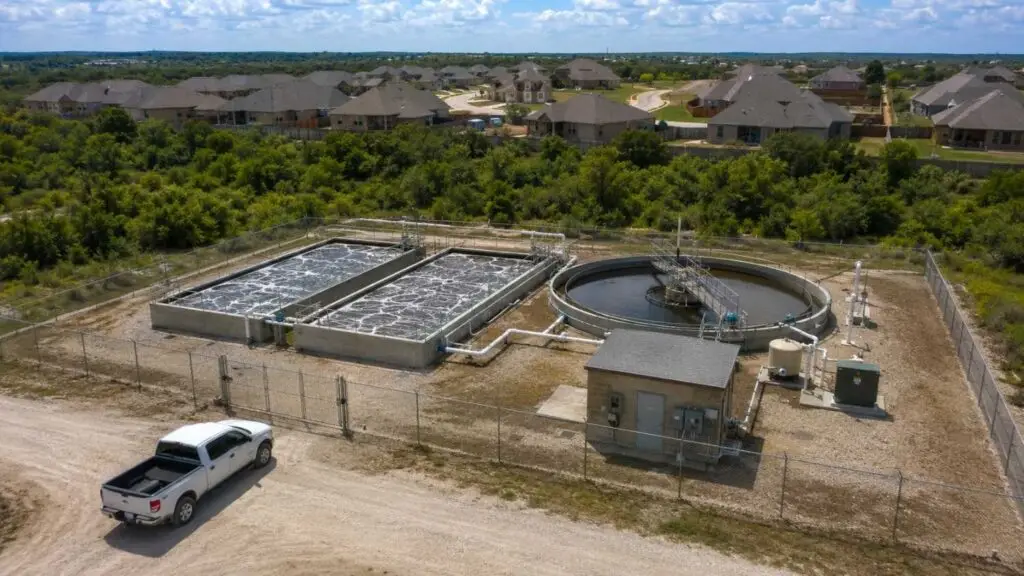
The most expensive mistake a Texas developer can make on private wastewater infrastructure is picking a plant size before doing the engineering that justifies it. A package WWTP that is undersized cannot accept the development’s actual flow without a permit amendment. One that is oversized costs more to build and more to operate than the project ever needed. Both outcomes were avoidable.
Municipal TPDES Individual Permits: What Texas Cities and Utility Providers Need to Know
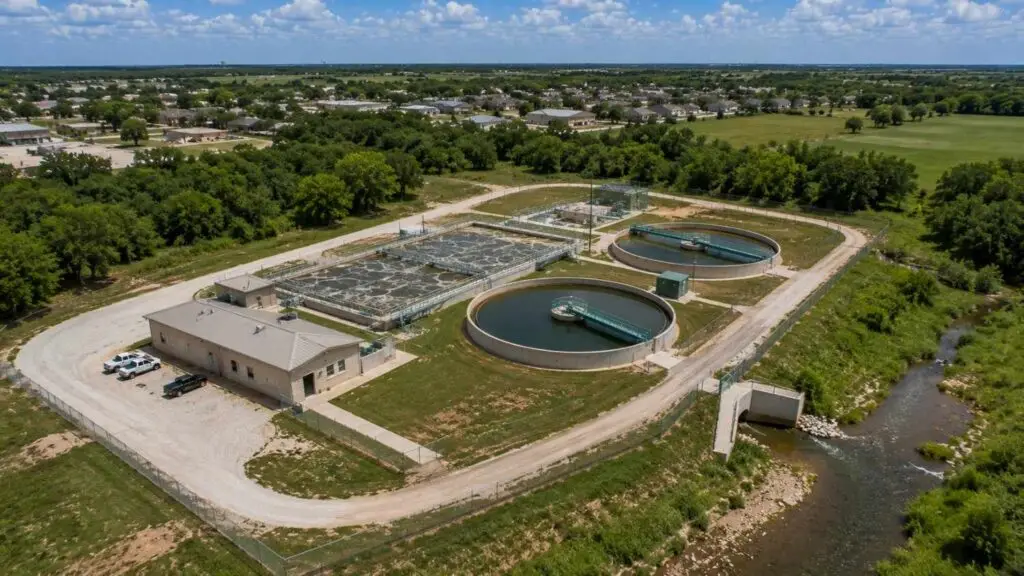
Every Texas city and utility district that operates a wastewater treatment plant and discharges treated effluent to a creek, river, or other surface water is operating under a TPDES individual permit. That permit is not simply a piece of paper from TCEQ confirming the plant exists. It is the document that sets every operational parameter the plant must meet, every sample that must be taken, every report that must be filed, and every capital decision that has to happen before the permit allows the community to grow.
Hydrostatic Test Water: What Texas Developers and Contractors Need to Know Before Discharge
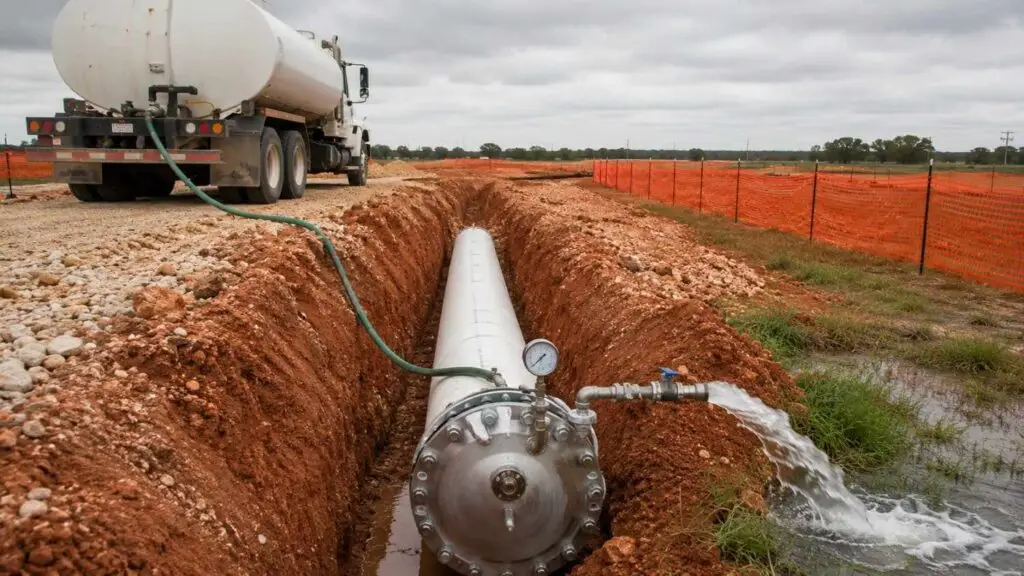
The water that filled your pipeline during pressure testing does not have the same regulatory status as rain falling off a roof. Before it leaves the site, someone needs to have answered the question of where it is going and under what authorization it is being discharged. Most project teams that discover this question on the day of testing are discovering it too late.
Private Wastewater Treatment Plants in Texas: When Developers Need Their Own TPDES Permit
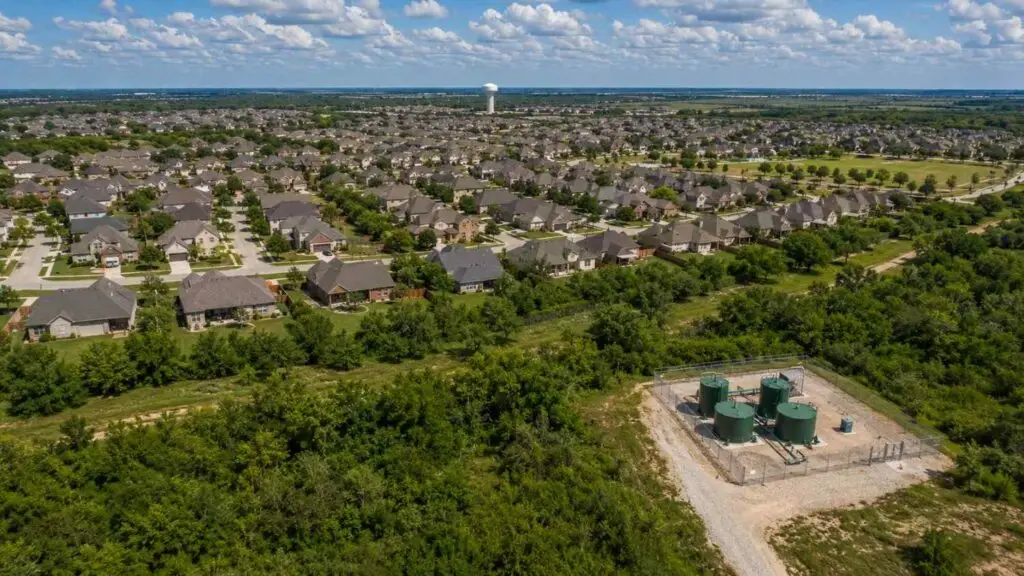
Texas has over 771 active domestic wastewater permits for privately owned treatment systems. That number exists because Texas keeps growing into land that municipal sewer systems have not reached, cannot serve at reasonable cost, or simply do not have capacity to accept. When public sewer is not a realistic option, private wastewater treatment is not unusual. It is how Texas development gets done.
Texas Land Application Permits Explained: Spray Irrigation, Subsurface Drip, and Evaporation Ponds
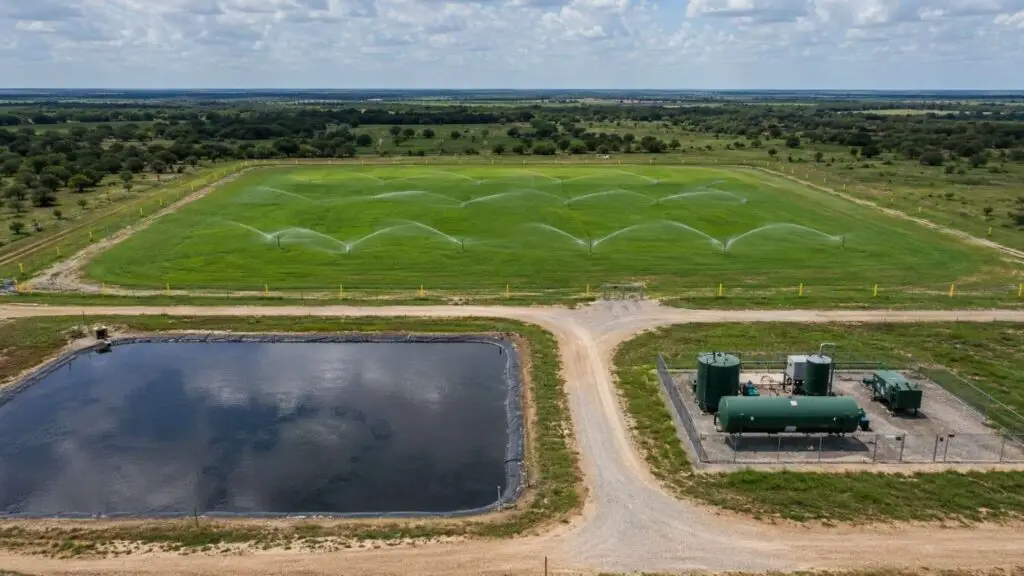
Not every Texas site has a creek nearby. Not every project can support a receiving water analysis. And not every developer wants to spend 24 to 36 months in TCEQ’s discharge permit queue. A Texas Land Application Permit offers a different path: one that keeps treated effluent on the land, avoids surface water discharge, and bypasses the receiving water review that drives discharge permit timelines. But TLAP is not a single solution. It is a family of methods, each with specific site requirements, engineering constraints, and operational realities that must be matched to the project before engineering begins.
Texas Chapter 210 Reclaimed Water Permits: Type I vs. Type II and When You Need One
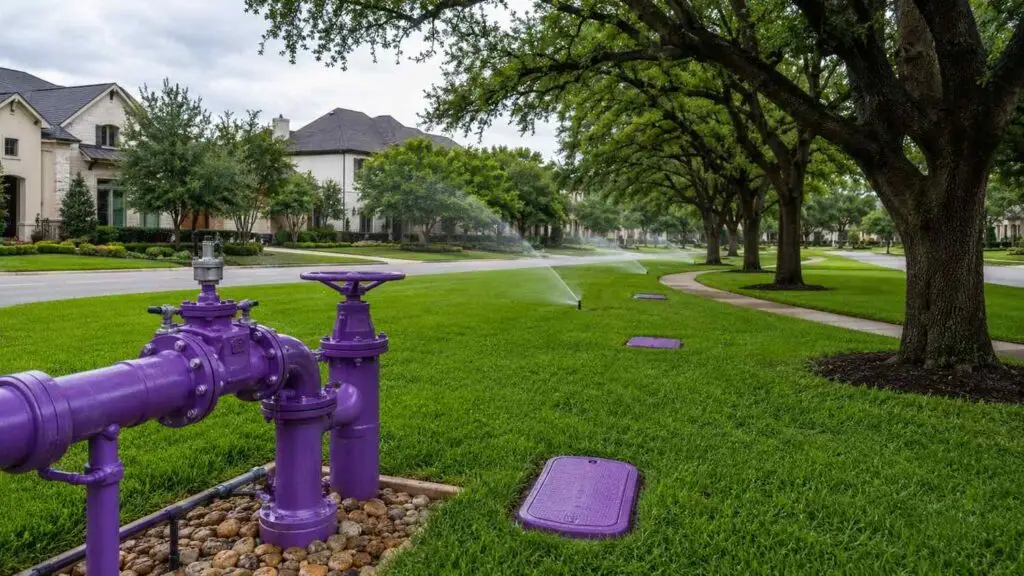
Texas is running out of water. Not next century. Now.
Aquifers supplying Dallas, San Antonio, and hundreds of smaller communities are being drawn down faster than they recharge. State population projections show millions of new residents arriving over the next two decades, and the infrastructure to serve them is already strained.
One solution has been on the books since 1997. Under 30 TAC Chapter 210, Texas authorizes the treatment and beneficial reuse of domestic and municipal wastewater for non-potable applications including residential irrigation, golf course maintenance, dust control, and industrial cooling. It is one of the most practical tools available to developers, municipalities, and utilities navigating Texas water scarcity, and one of the most overlooked.
The framework splits permitted uses into two categories: Type I and Type II. The category your project falls into determines your treatment standards, your operational restrictions, and whether your TCEQ application moves quickly or stalls. Here is what you need to know.
Construction General Permit TXR150000: What Texas Developers Need to Know Before Moving Dirt
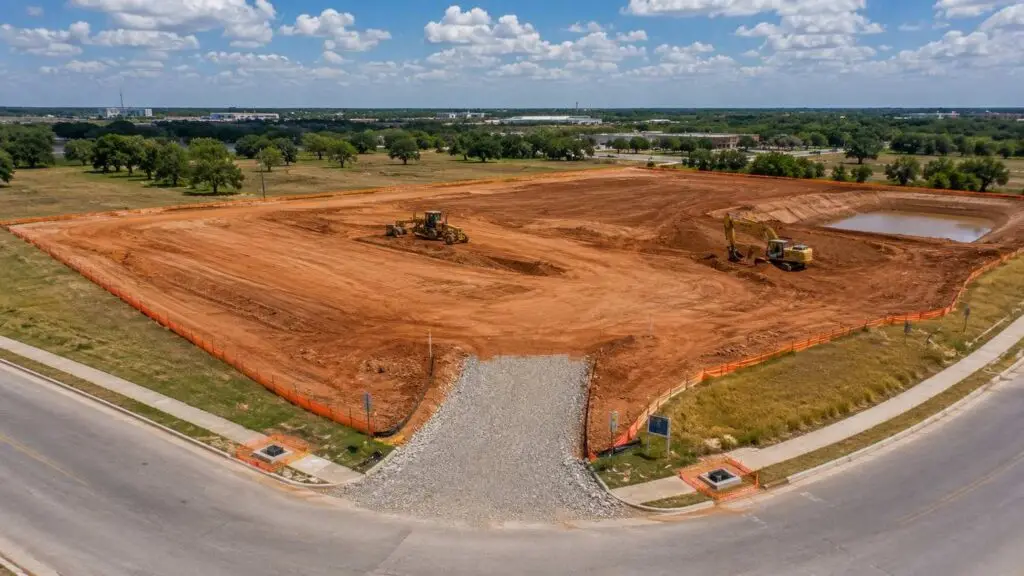
Most Texas developers know they need a building permit before construction starts. Many do not realize they also need stormwater construction permit coverage before a single acre of dirt is disturbed. Moving dirt without that coverage is a TCEQ violation. It is also preventable.
Industrial TPDES vs. TLAP: Which Wastewater Permit Path Fits Your Texas Facility?
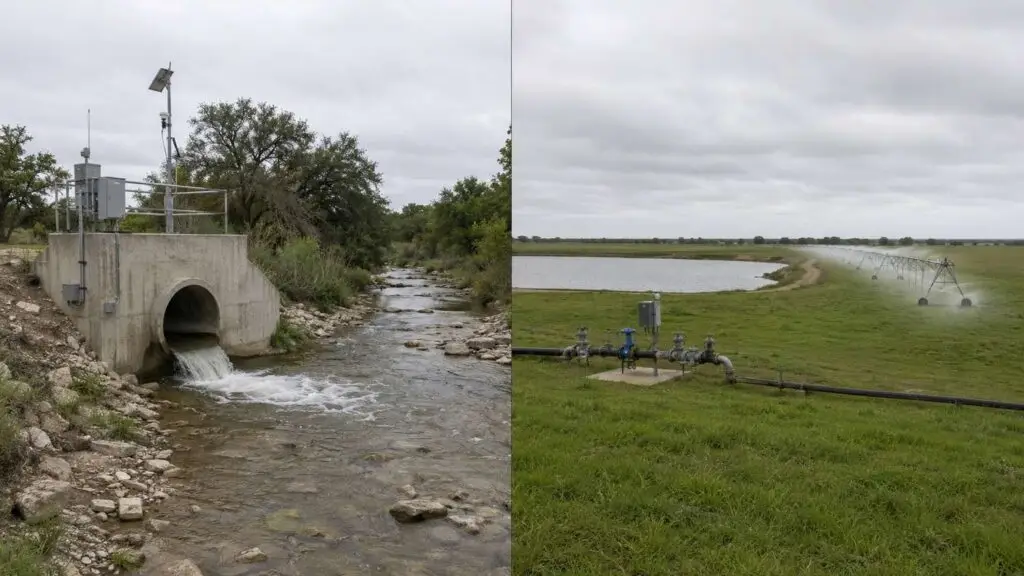
The permit path your industrial facility chooses for wastewater disposal is not a procedural decision. It determines the treatment system you build, the land you need, the compliance obligations you carry for the life of the facility, and how long it takes before you can operate. Getting it right before investing in equipment or site work saves time, money, and the frustration of discovering you chose the wrong path after the engineering is already complete.
Chapter 210 Reclaimed Water: What Texas Developers Need to Know About Water Reuse
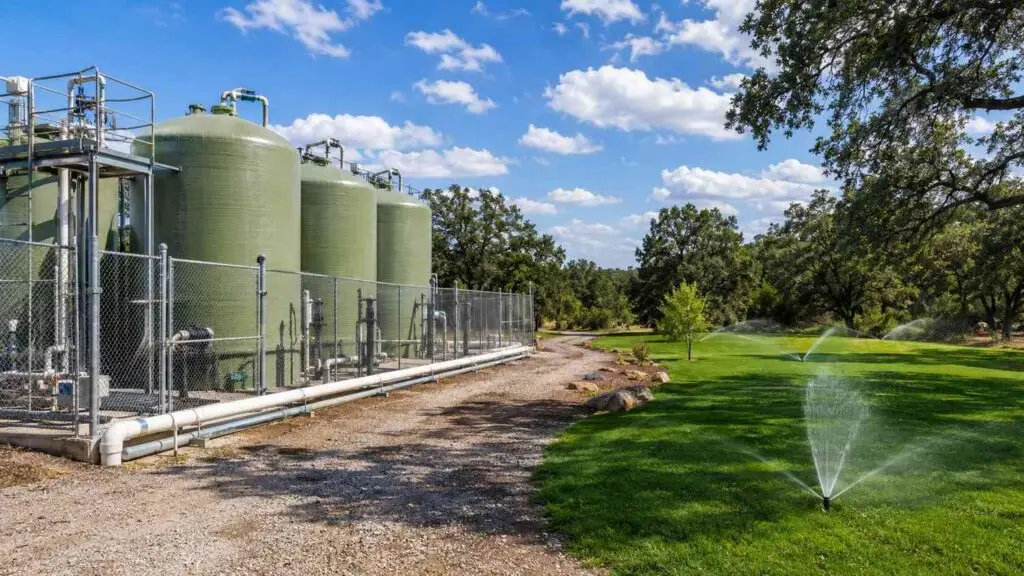
Water reuse in Texas is not a future trend. It is an active regulatory pathway that is already determining whether development projects move forward, what they cost to build, and how long they take to permit. Understanding what Chapter 210 reclaimed water actually requires before site plans, utility layouts, and amenity areas are locked in is one of the most practical things a Texas developer can do for their project.
How to Read a TCEQ Effluent Limit Table: What the Numbers Actually Mean for Your Development
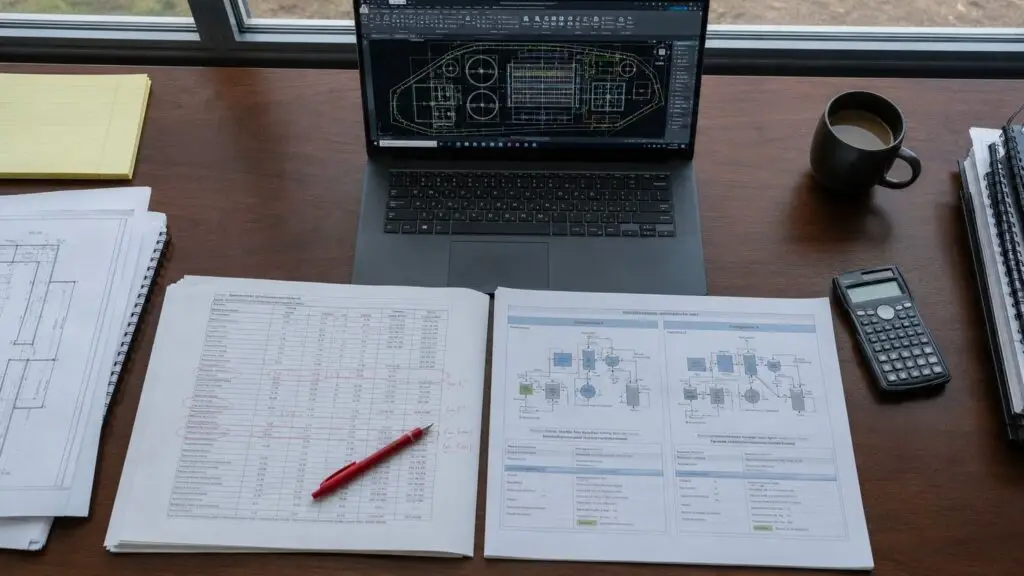
When a Texas developer receives a draft TCEQ wastewater permit, the effluent limit table is usually the part nobody reads carefully enough. That is a mistake. Every number in that table is a design specification, an operating obligation, and a long-term cost driver.
What Happens to Your 210E Permit When Your Industrial Tenant Leaves?
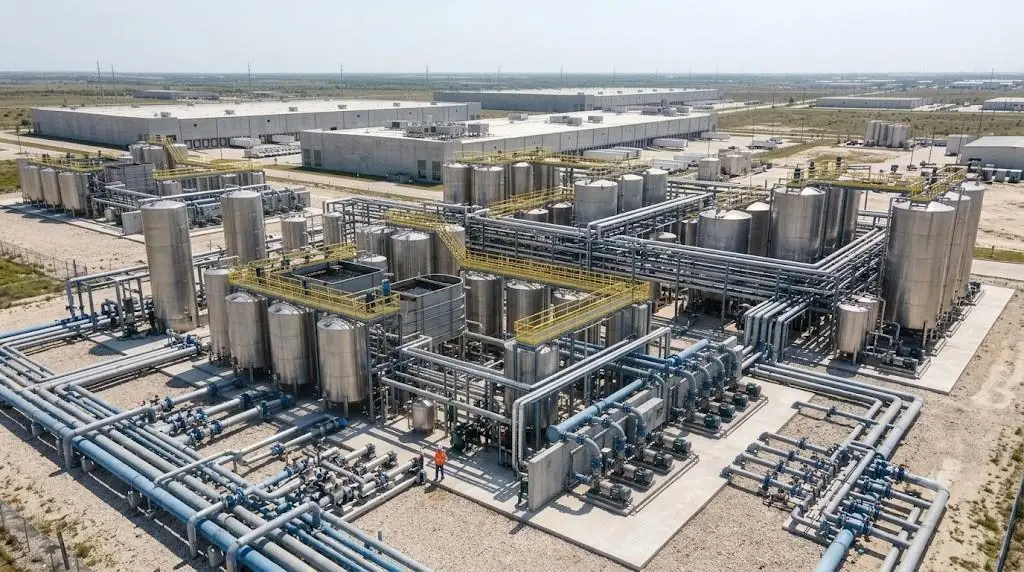
It is a question most developers do not ask until they are facing it. The industrial tenant who helped qualify the 210E authorization is leaving. The data center is shutting down. The concrete batch plant is relocating. Now what?
How Mixed-Use Developments Qualify for 210E Even When 90% of Their Flow Is Residential
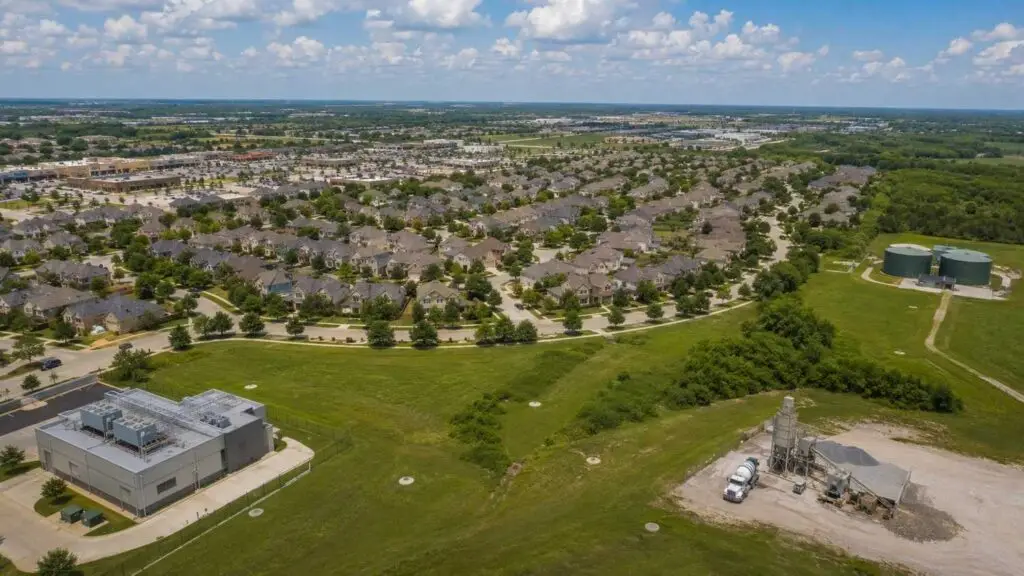
The most common reason developers assume they do not qualify for a 210E authorization is the one that is least supported by the regulation: they believe their project is not industrial enough. It almost always is.
Why Your Texas Development Needs a Wastewater Engineer Before the Architect Signs Off
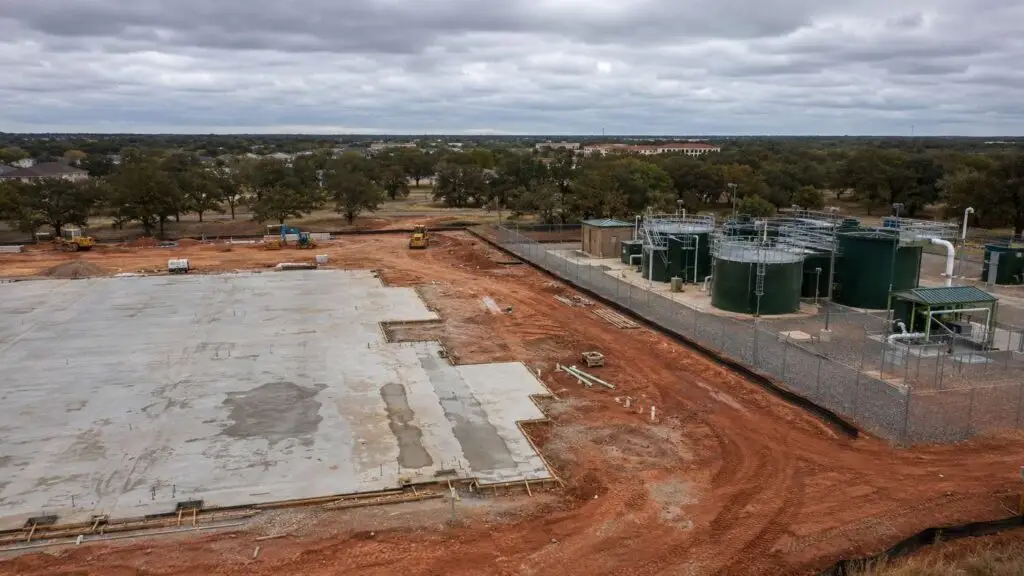
By the time an architect delivers a signed site plan, the decisions that determine your wastewater permitting pathway have already been made. Most of them were made wrong.
How to Evaluate Wastewater Utility Options Before You Close on Land (Connect, Build, or Wait)
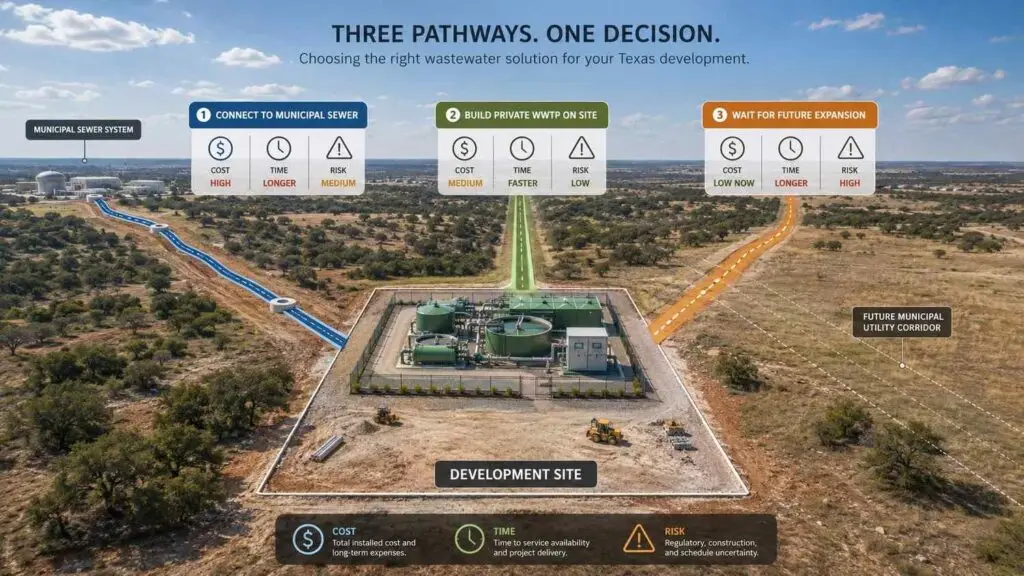
The wastewater utility question is the one most developers get to last. It should be the first question answered before a purchase agreement is signed.
Lift Stations and Collection Systems: What the Plant Needs Upstream to Function Properly
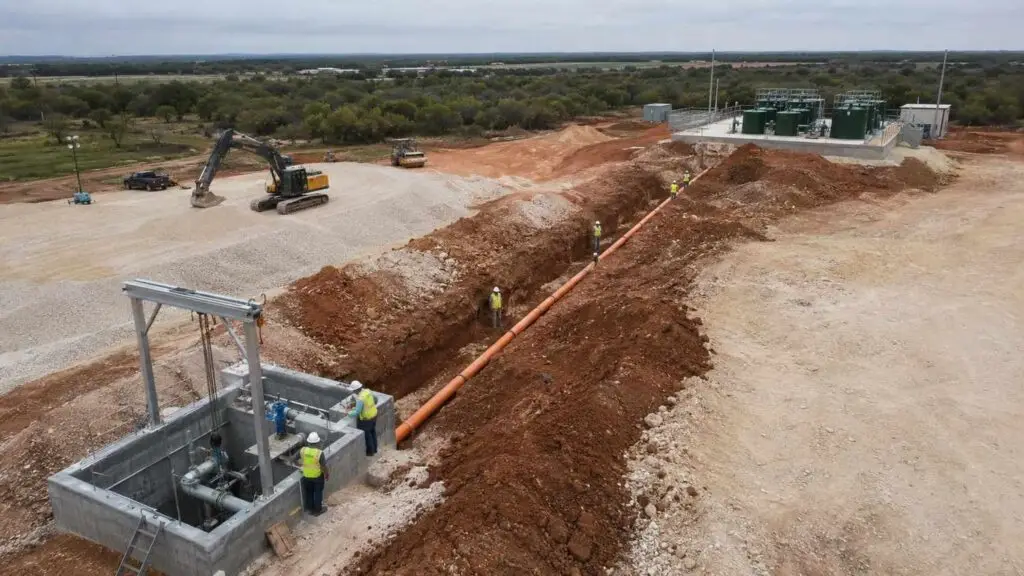
A wastewater treatment plant is only as reliable as the infrastructure feeding it. Most permit problems and operational failures on private developments trace back to upstream decisions that were made, or not made, before the plant was ever designed.
Why Your Site Civil Engineer Isn’t the Right Person to Lead TCEQ Permitting
This is not a criticism of site civil engineers. They are skilled professionals doing exactly what they were trained to do. The problem is that TCEQ wastewater permitting is not what they were trained to do, and on Texas development projects, routing that work through the wrong firm consistently produces the same outcome: deficiency notices, redesigns, and months of lost time.
How to Size a Wastewater Storage Reservoir for a Texas Reuse Project
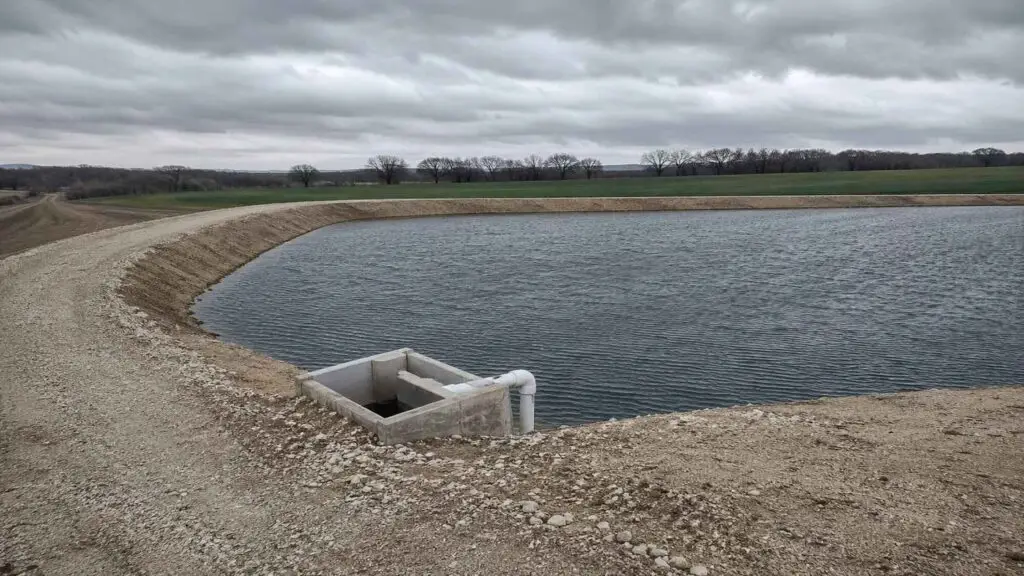
The storage reservoir on a Texas reuse project is not a nice-to-have. It is what keeps the facility in compliance during the months when the reuse site cannot accept all the effluent being produced. Size it wrong and the permit will not be approved. Size it right and the facility operates without a compliance gap through any seasonal condition the site will experience.
Ongoing Compliance After Permit Approval: What a Developer-Operator Needs to Track
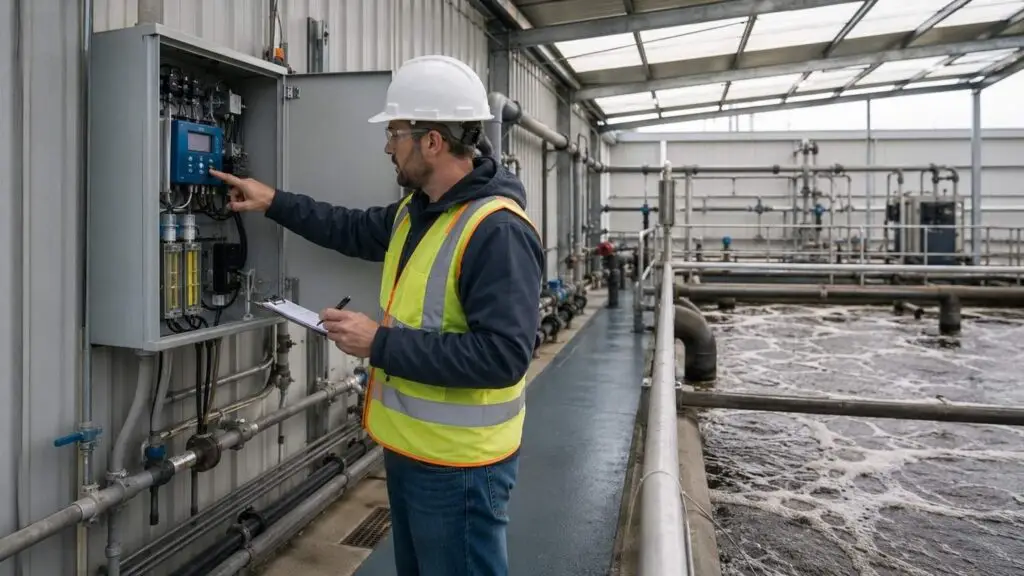
Getting the permit is the milestone most developers focus on. But the permit is not the end of the regulatory obligation: it is the beginning of it. If you now own and operate a private wastewater treatment facility in Texas, here is what that actually requires.
What a Utility Feasibility Study Actually Tells You, and When to Get One
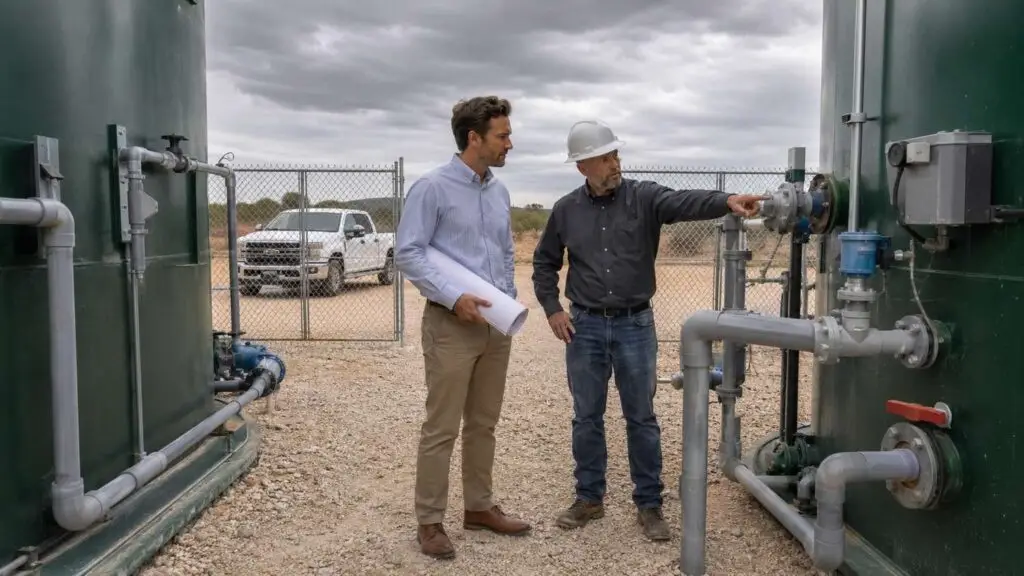
If you are reviewing site viability for a development acquisition and the utility section says “TBD,” you do not have a pro forma. You have an assumption with a price tag attached to it.
Getting a Discharge Permit as a Backup After Your 210E Is Operational
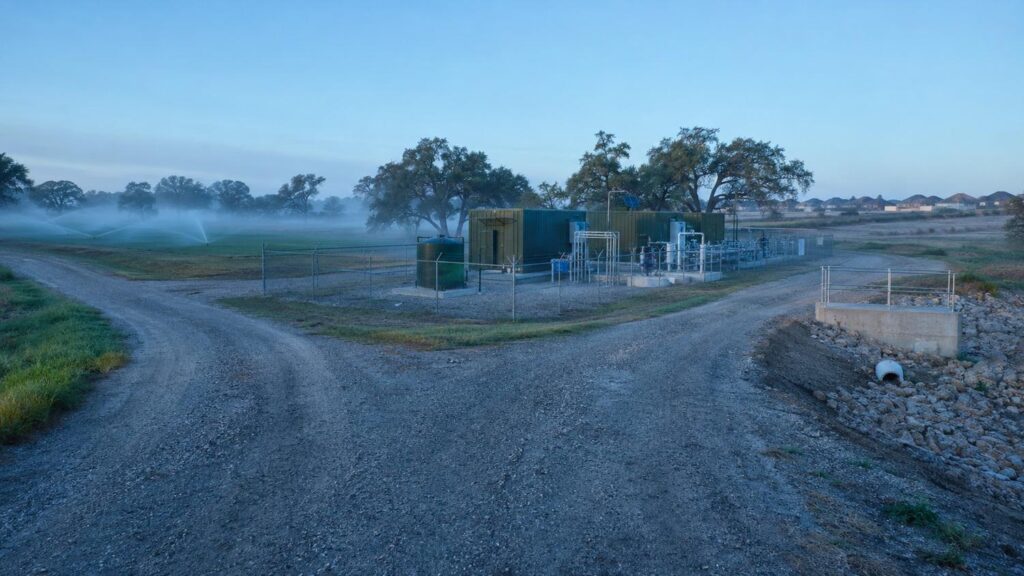
A 210E authorization gets your development operational in weeks instead of years. A backup discharge permit keeps it operational if the reuse arrangement changes. Running both is not redundancy for its own sake: it is a rational risk management strategy.
Package WWTP vs. Custom-Designed Plant: Which One Fits Your Project?
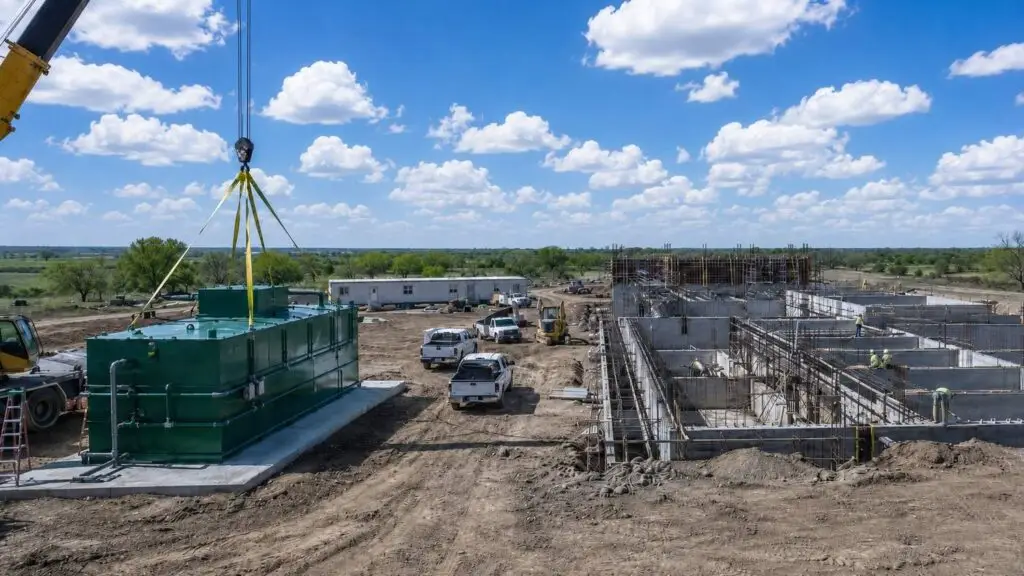
The question is not which option is better. The question is which option matches your project’s flow volume, discharge requirements, site constraints, budget, and timeline. Getting the answer wrong costs money on construction day and creates problems on permit day.
Your Three Wastewater Disposal Options in Texas: Discharge, Reuse, or Land Application
Every private wastewater treatment plant in Texas produces treated effluent that has to go somewhere. Where it goes and through which regulatory pathway determines your project timeline, your land requirements, and how much carrying cost exposure sits on your pro forma before construction starts.
210E vs. TPDES Discharge Permit: A Side-by-Side Comparison for Developers
Most Texas developers ask the same question when they learn about the 210E authorization: why isn’t this what every qualifying project uses? The answer is that most engineers default to what they know. This article gives you the comparison to make the decision yourself.
Permit-by-Rule vs. Standard Permit: When Each Path Applies to Your Development
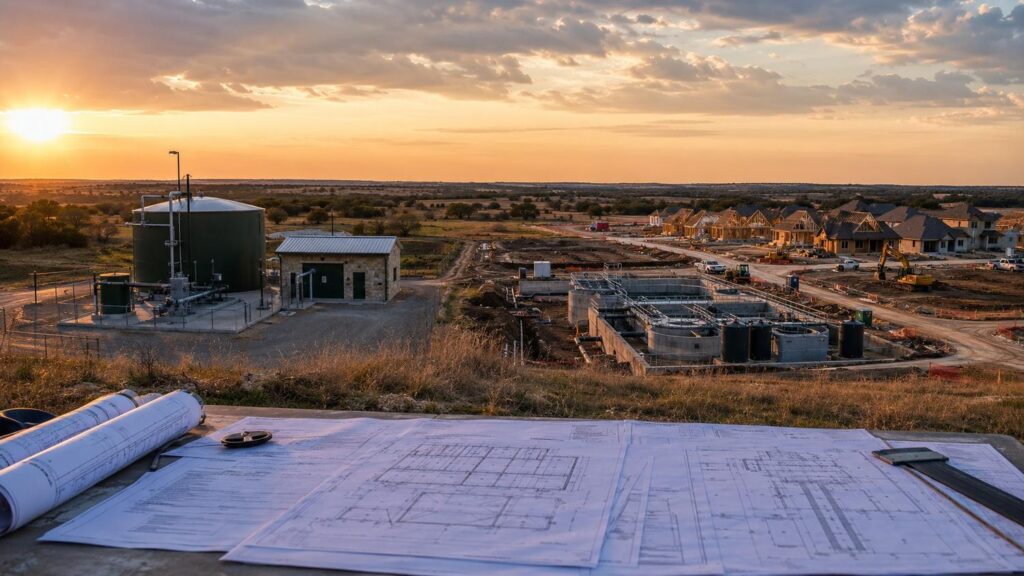
Before you engage a water and wastewater engineer for a Texas development project, it helps to understand which permitting pathway your project likely falls into. The difference between a permit-by-rule and a standard TCEQ permit is not a minor procedural distinction, it determines your timeline, your regulatory obligations, and in some cases whether construction can start before TCEQ issues any formal authorization at all.
How to Work With TCEQ Reviewers: What Slows Approvals and What Speeds Them Up
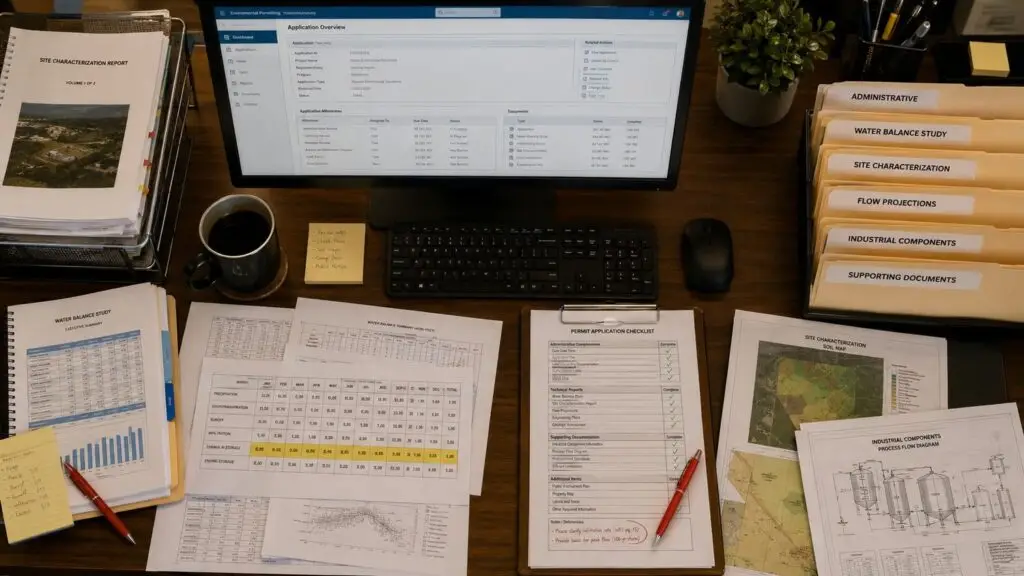
TCEQ reviewers are not the reason most permit applications take 24 months. Incomplete submittals are. Understanding what reviewers actually evaluate, and what triggers a deficiency notice, is the difference between a 4-week approval and an 18-month revision cycle.
Water Balance Studies Under 30 TAC §309.20: What They Require and Who Prepares Them
Every reuse-based wastewater permit in Texas depends on one engineering analysis to hold together: the water balance study. Get it right and the permit moves. Get it wrong and you will be answering TCEQ deficiency notices for months while your project carries costs it was never designed to absorb.
What Engineers Submit to TCEQ and Why Your Application Gets Rejected
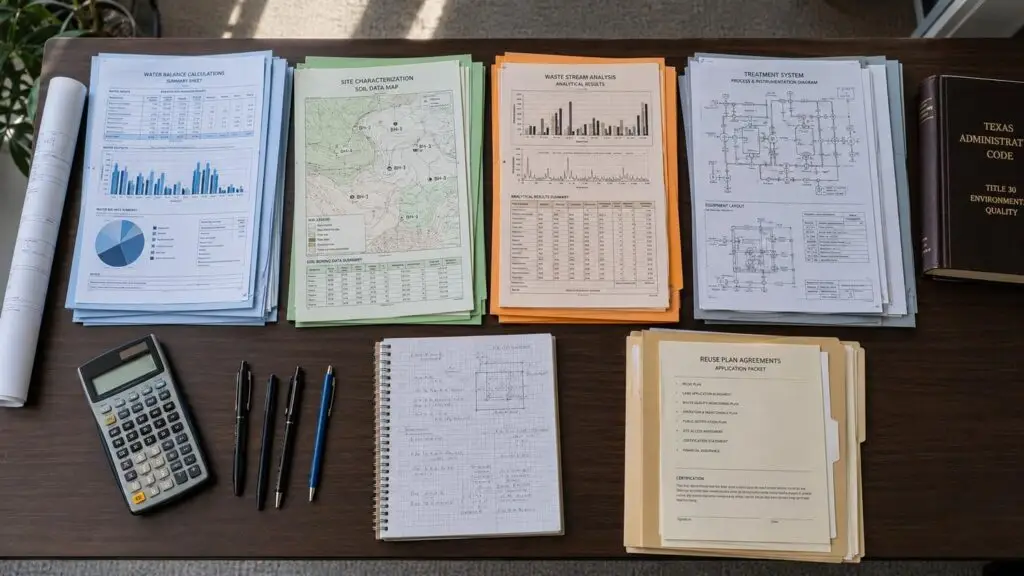
If your TCEQ wastewater permit application has been sitting in review for three months without an approval, the most likely explanation is not TCEQ’s workload. It is an incomplete submittal. Here is what a complete application actually contains and where most of them fall short.
Flow Rate Projections: How to Size a Wastewater Treatment Plant for Your Development Without Over-Building
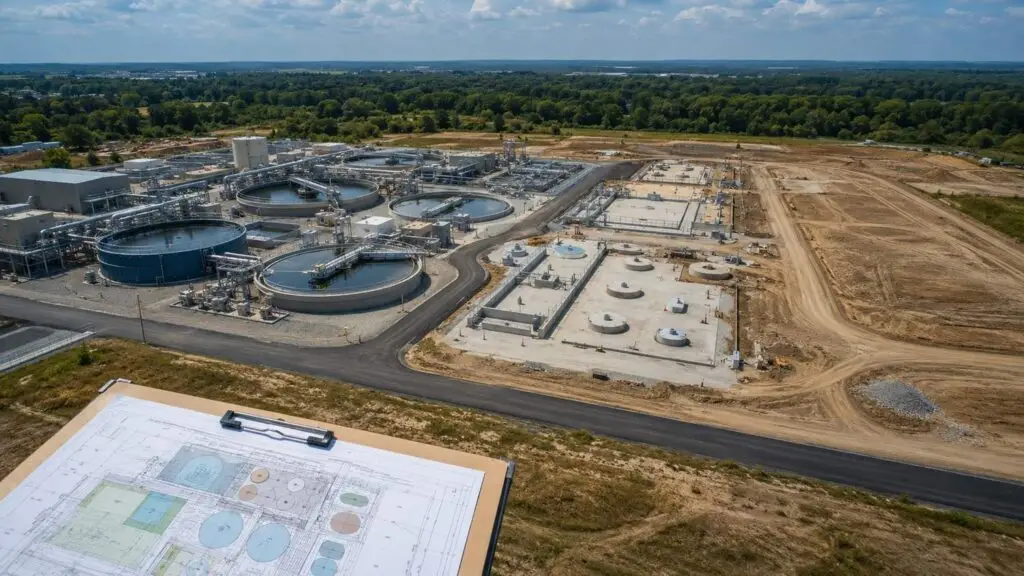
The single number that determines how much your wastewater treatment plant costs to build, permit, and operate is design flow. Get it wrong in either direction and you pay for it either in excess capital committed to capacity you do not need yet, or in compliance failures you cannot recover from without expensive redesign.
How Carrying Costs Are Killing Texas Development Projects (And the Permit Strategy That Fixes It)
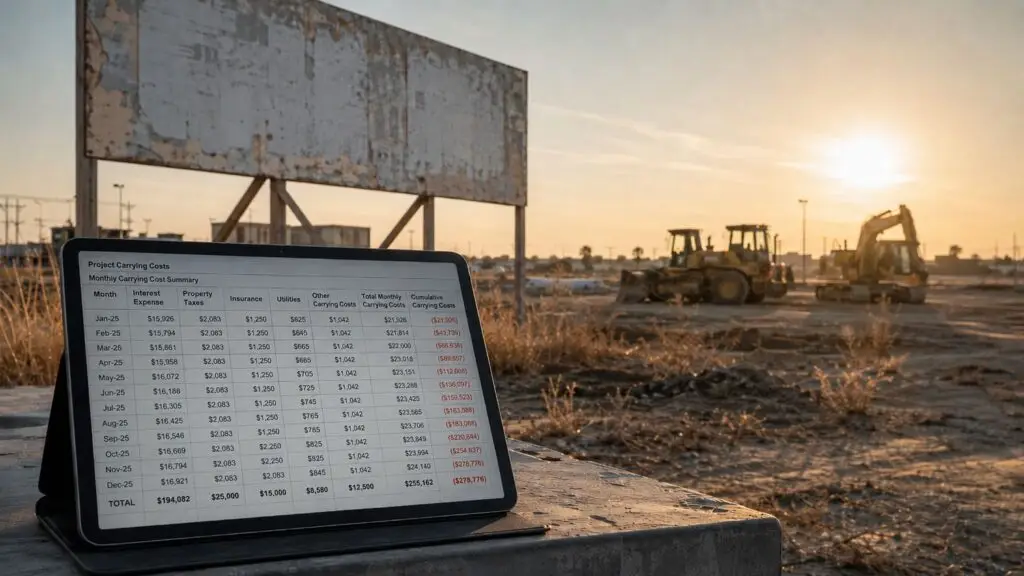
Every month your wastewater permit sits in TCEQ’s queue is a month your pro forma is bleeding. Here is what that actually costs and the permit strategy that eliminates the dependency entirely.
Building a Private WWTP in Texas: What Developers Need to Know Before They Commit
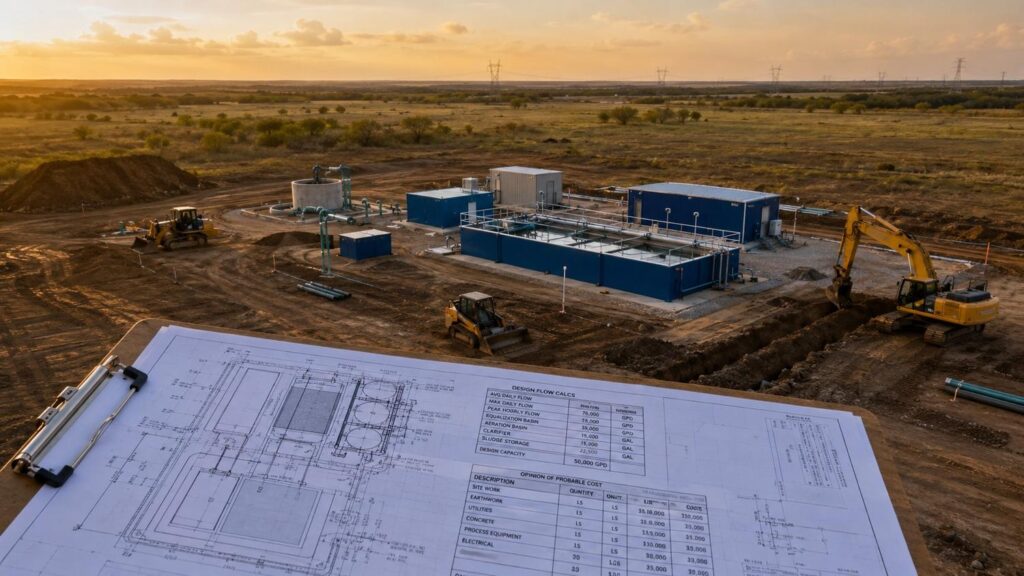
If your Texas development site cannot connect to municipal sewer, a private wastewater treatment plant may be your only path to breaking ground. Here is what that decision actually involves before you hire an engineer.
What Is a 210E Authorization and How Can It Save Your Texas Development Project?
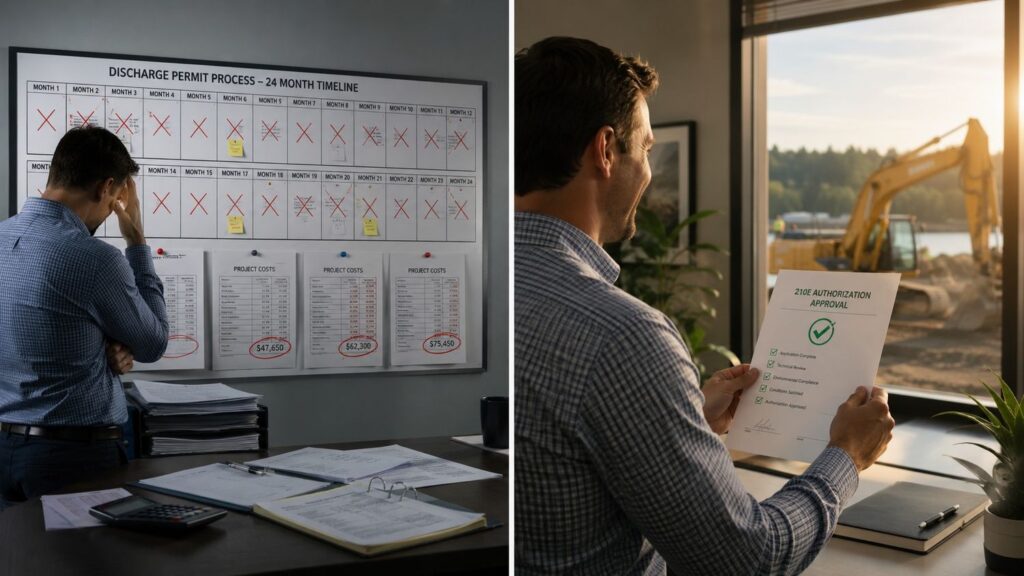
Most Texas developers waiting 24 months for a TCEQ discharge permit don’t know a faster pathway exists. If your project includes any industrial component, you may already qualify.
Wastewater Recycling for Commercial Developments: What Texas Developers Need to Know
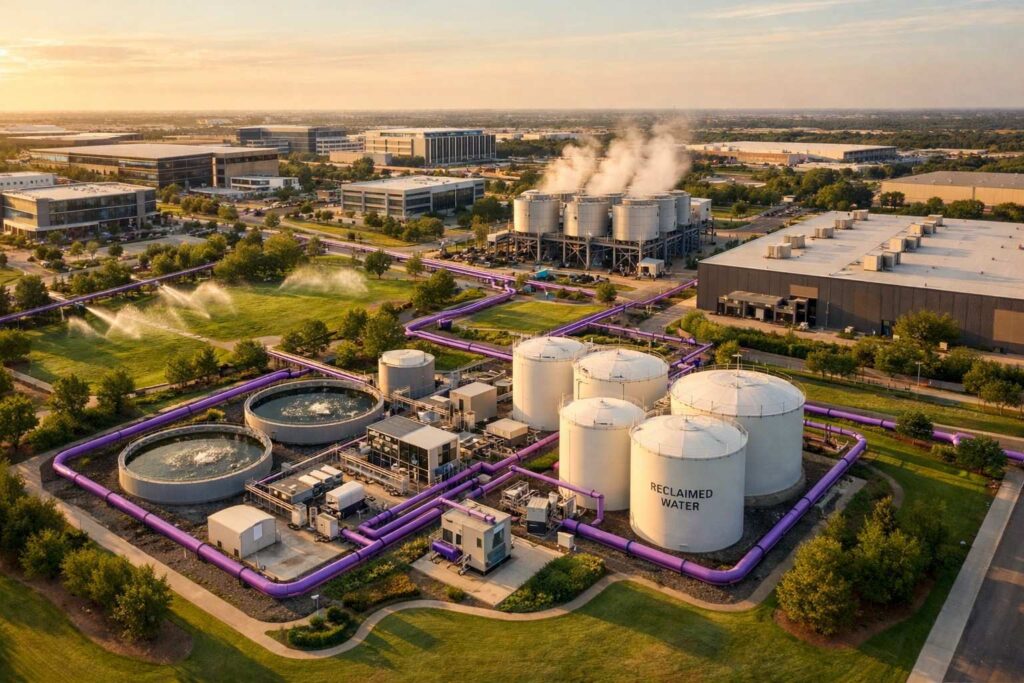
Treated wastewater is not waste. For Texas commercial developers who understand the regulatory landscape, it is a permitting asset and sometimes a revenue one.
Land Application Permits in Texas: A Faster Path to Wastewater Approval for Developers
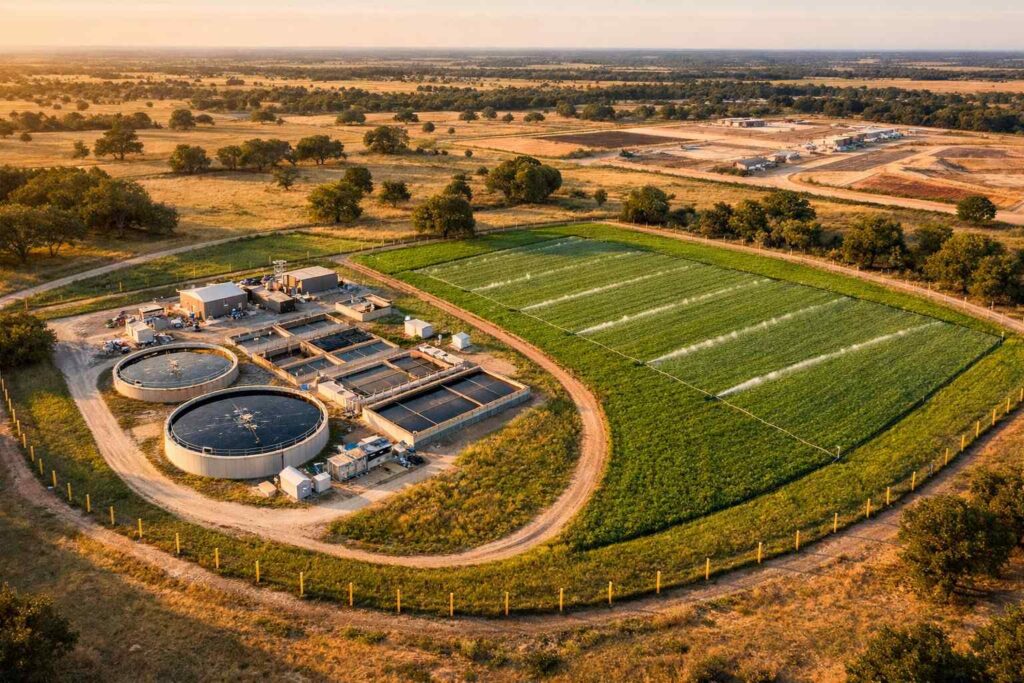
Private developers in Texas have a permitting option that avoids surface water discharge entirely. Here is what TCEQ evaluates for a TLAP, how long the process takes, and whether your site qualifies.
Why Speed Is a Design Constraint: How Modern Engineering Firms Deliver Infrastructure Faster

Traditional firms are organized around billing time. Modern firms are organized around delivering outcomes. That difference shows up as weeks, sometimes months, on every project.
When the Math Doesn’t Move: Water Pressure, Affordable Housing, and the Infrastructure Gap Nobody Wants to Pay For
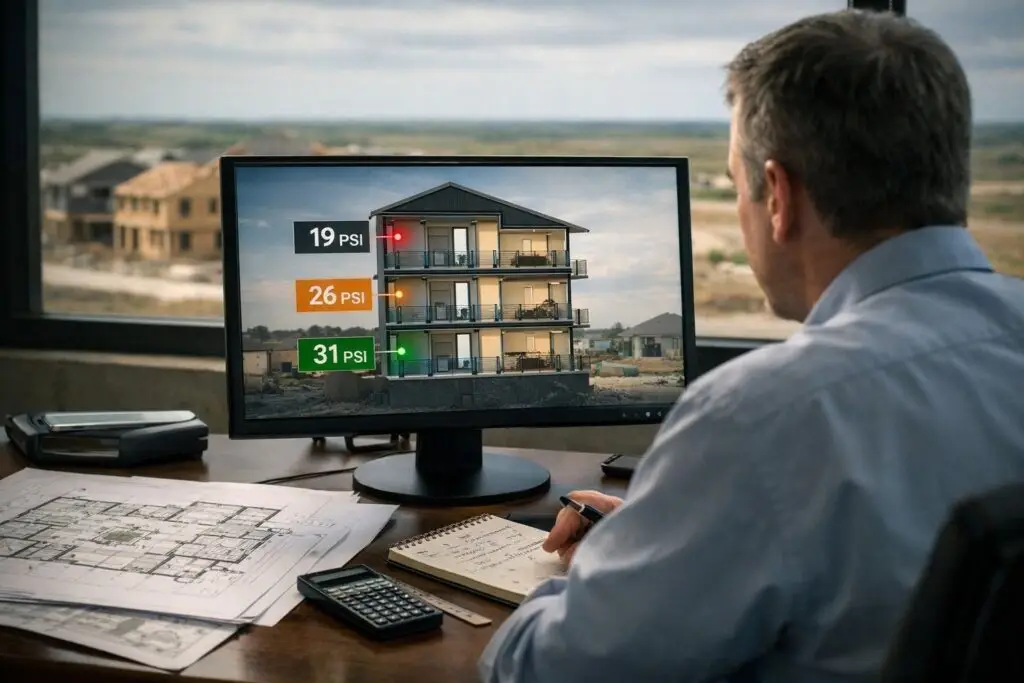
Texas needs $154 billion to fix its water infrastructure but committed only $20 billion. With 186 billion gallons lost annually and pipes dating to the 1890s, developers face serious project risks from aging municipal systems.
Approved Plans Aren’t Always Optimized Plans. The Difference Can Cost $1.5 Million

Texas needs $154 billion to fix its water infrastructure but committed only $20 billion. With 186 billion gallons lost annually and pipes dating to the 1890s, developers face serious project risks from aging municipal systems.
The Cheapest Engineering Decision on Your Texas Pro Forma Isn’t the Low Bid
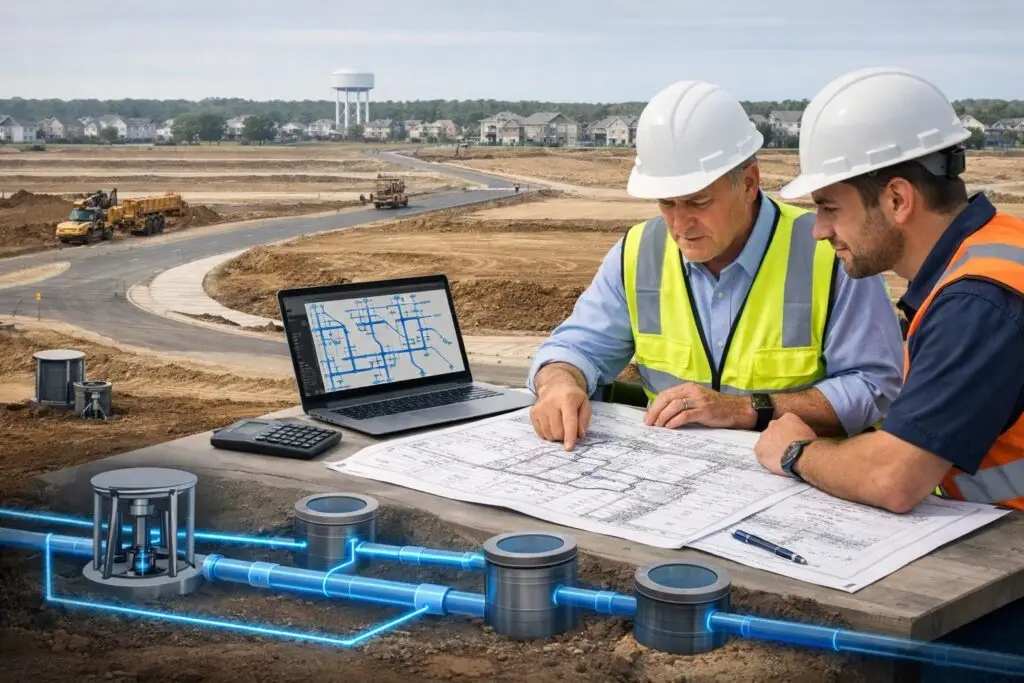
Texas needs $154 billion to fix its water infrastructure but committed only $20 billion. With 186 billion gallons lost annually and pipes dating to the 1890s, developers face serious project risks from aging municipal systems.
Land Application Permits for Treated Wastewater: A Texas Developer’s Guide
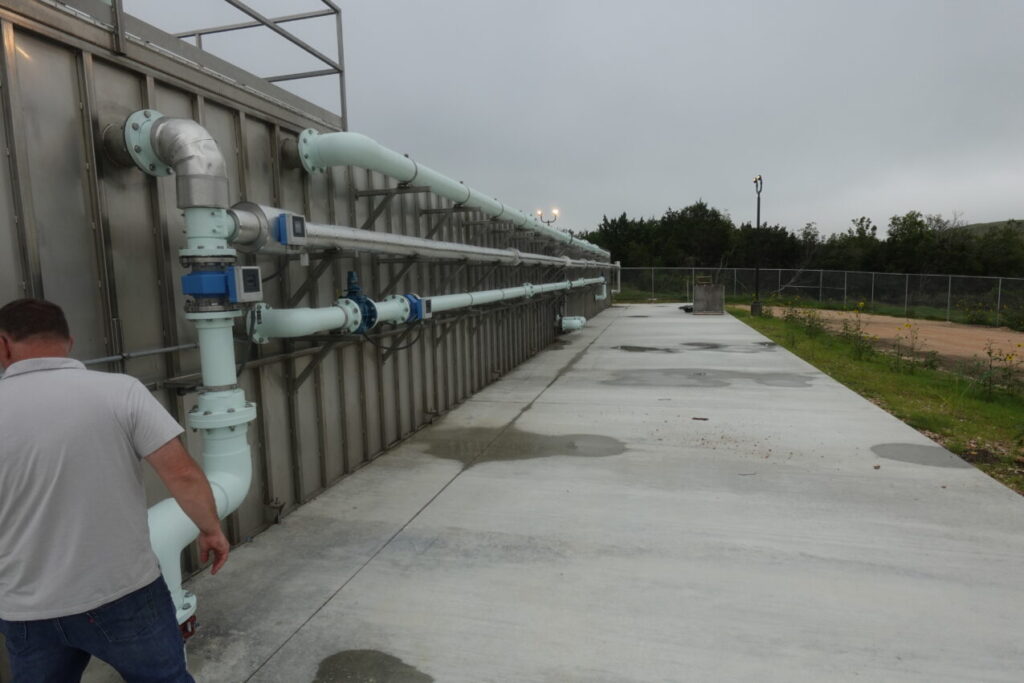
When your development project needs wastewater treatment but traditional discharge options are not available or practical, land application permits offer a proven alternative. For developers and engineering firms working in Texas, understanding when and how to pursue land application permits through TCEQ can save months of permitting time and open doors to projects that might otherwise stall.
Texas Land Development Application Process
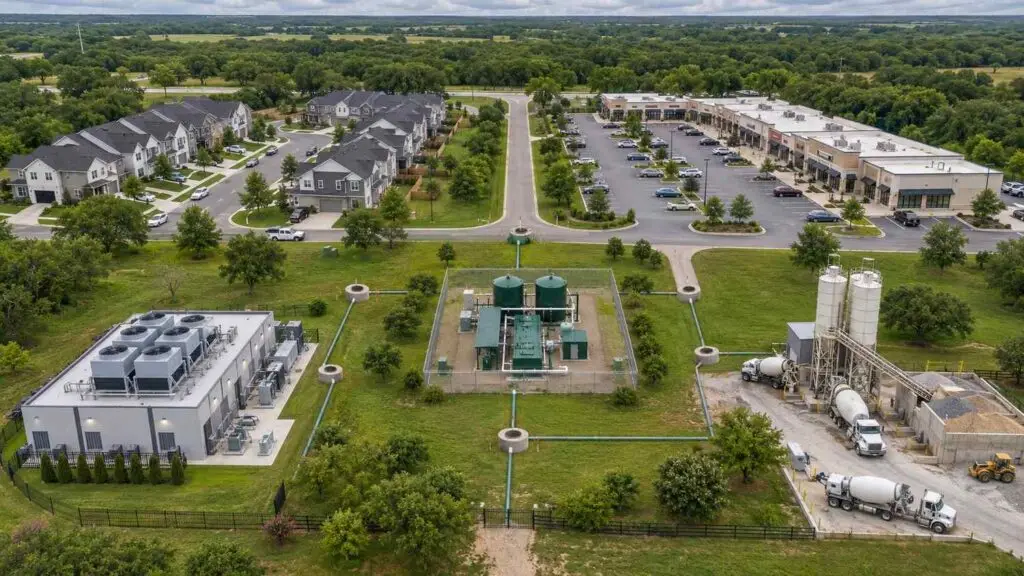
Starting September 1, 2019, Texas implemented new legislation under HB 3167 that created a new subdivision application process that affects development projects across the state. Whether you are developing a residential subdivision, a commercial site, or a mixed-use project in Texas, understanding the new requirements before you submit your application prevents delays and keeps your project on schedule.