Quick Answer
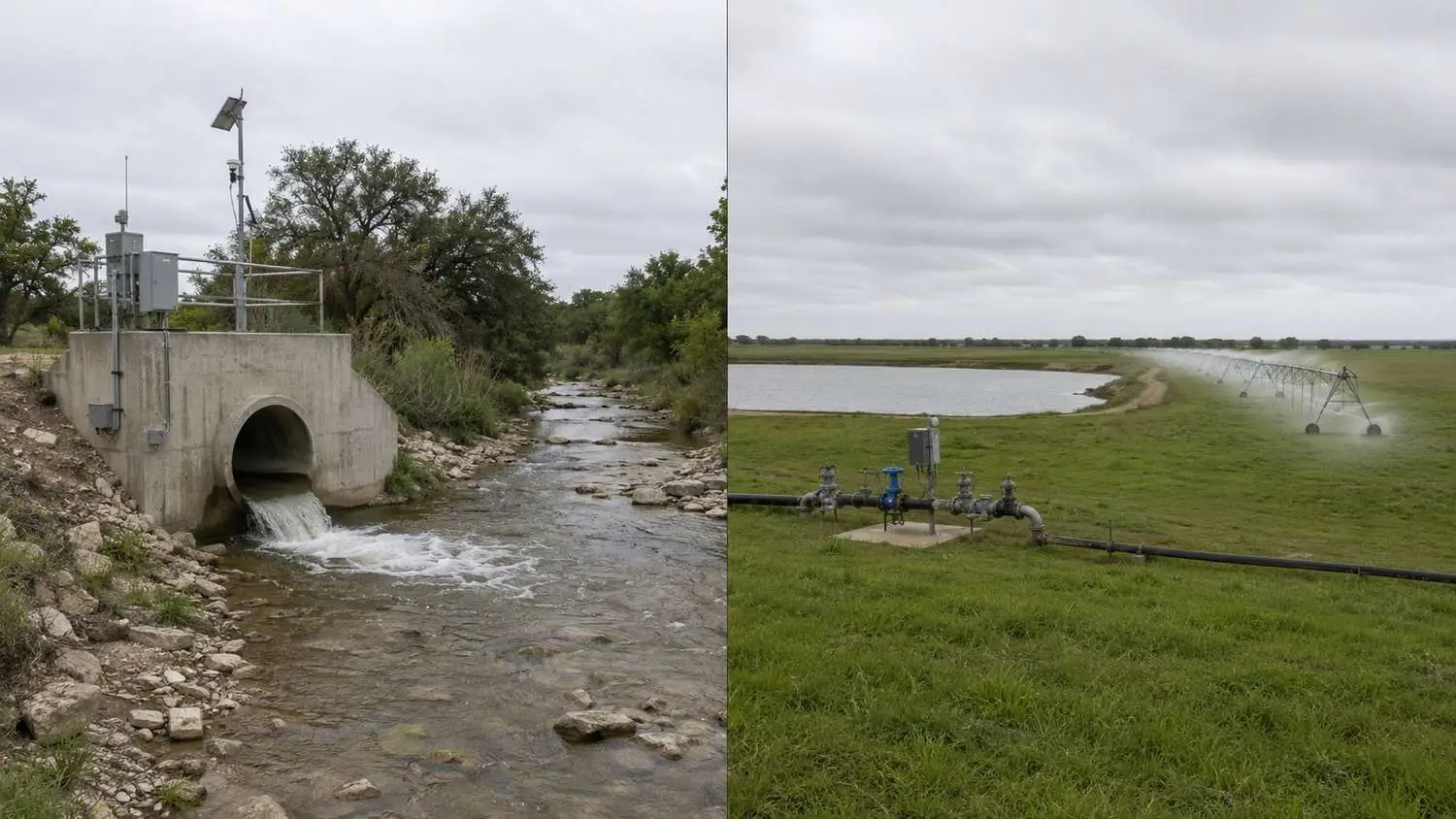
Industrial facilities in Texas that cannot connect to a municipal sewer system have two primary TCEQ permit paths for managing treated wastewater: an Industrial Texas Pollutant Discharge Elimination System permit, which authorizes discharge of treated effluent to a creek, river, ditch, or other surface water body, and a Texas Land Application Permit, which authorizes land application of treated effluent for beneficial use without direct discharge to surface water. TPDES is required when treated wastewater enters a water of the state. TLAP is available when the facility can apply treated wastewater to land without causing surface water discharge. The difference in treatment requirements, effluent standards, land requirements, permitting timeline, and long-term compliance obligations between the two is significant enough that choosing the wrong path at the beginning of the project is an expensive mistake to correct later.
Industrial TPDES: What It Authorizes and What It Requires
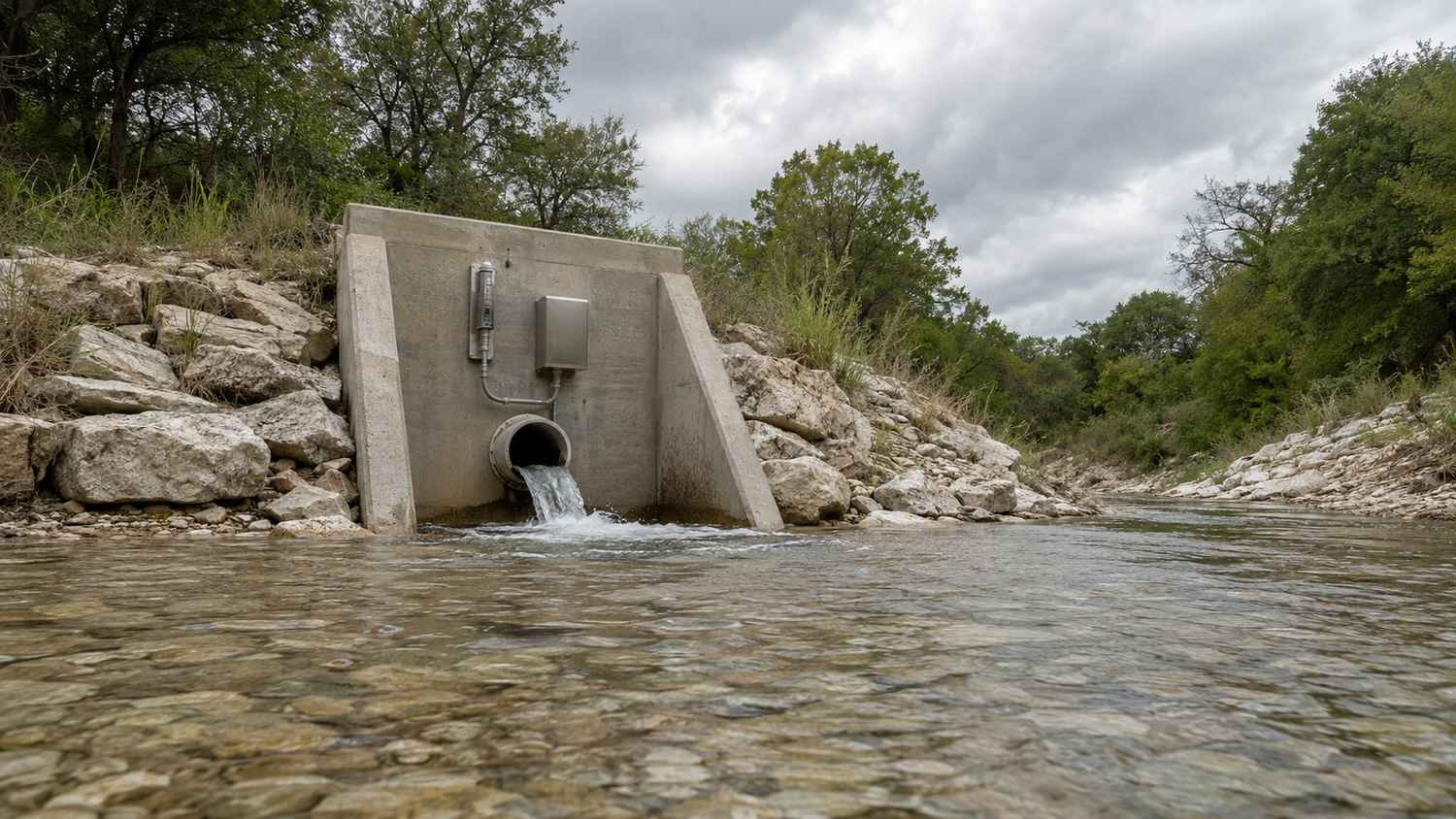
An Industrial TPDES permit authorizes a facility to discharge treated industrial wastewater to a named waterway (a creek, river, unnamed tributary, or other water of the state) after treatment to standards that protect the receiving water’s quality and designated uses.
TCEQ establishes effluent limits for each TPDES permit based on the receiving stream’s classification, its downstream uses, its assimilative capacity, and the applicable technology-based standards for the specific industrial category. Industrial TPDES permits frequently include limits on BOD, TSS, pH, oil and grease, specific industrial constituents related to the facility’s process, and in some cases nutrient limits including total nitrogen and total phosphorus depending on the receiving stream’s sensitivity. For a detailed explanation of how to read these limits, see How to Read a TCEQ Effluent Limit Table.
For industrial operations generating complex or high-strength wastewater (food processing, chemical manufacturing, metal fabrication, petroleum handling) TPDES effluent limits may require treatment processes significantly more advanced than standard secondary treatment. A food processing facility generating wastewater with BOD concentrations five to ten times higher than standard domestic wastewater cannot be permitted at the same effluent limit as a domestic facility discharging to the same stream. The treatment system must be designed to achieve the specific limits in the permit, which drives capital cost, operational complexity, and ongoing monitoring and reporting obligations.
TPDES industrial permits require monthly or more frequent effluent sampling for each permitted parameter, electronic reporting to TCEQ through the agency’s database, and compliance with antidegradation requirements for the receiving stream. Permits are subject to five-year renewal cycles, during which TCEQ may revise effluent limits based on updated receiving water quality data or revised regulatory standards. A facility that built its treatment system to meet current permit limits may face capital expenditure requirements at renewal if limits are tightened.
The permitting timeline for a complex industrial TPDES permit in Texas currently runs 18 to 36 months under standard review conditions. In sensitive watersheds or where third-party opposition is anticipated (near the Edwards Aquifer, along the Guadalupe or San Marcos River corridors, or in areas with active environmental advocacy groups) contested case hearings can push timelines beyond 36 months. That timeline runs while the facility is either not yet operational or carrying costs without permit coverage.
TLAP: What It Authorizes and What It Requires
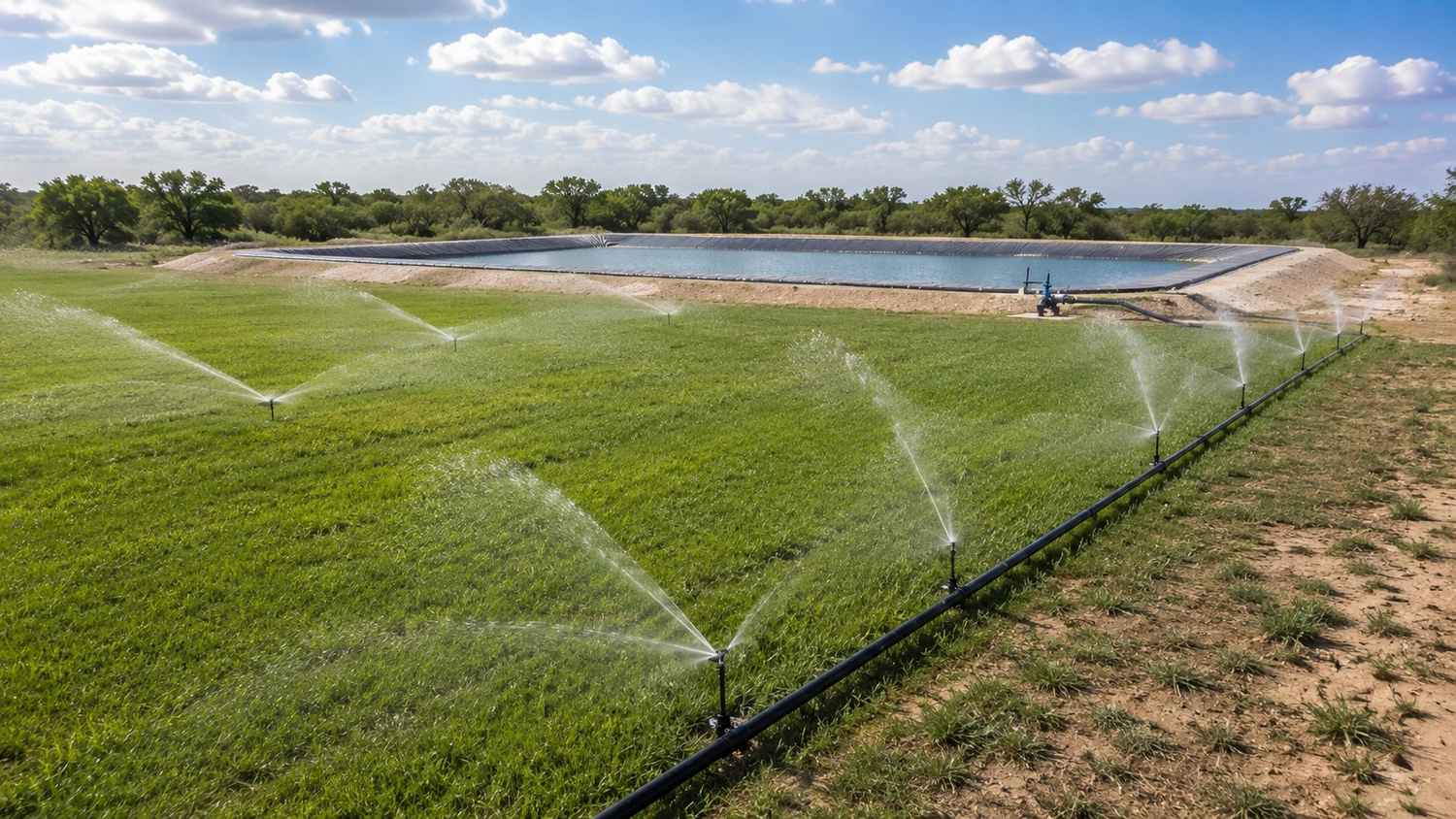
A Texas Land Application Permit authorizes a facility to apply treated wastewater to land rather than discharge it to surface water. Treated effluent is distributed to a dedicated land application area through spray irrigation, subsurface drip, or surface application, where it is absorbed by soil and vegetation rather than entering a creek or river.
TLAP eliminates the receiving water analysis that drives the most time-consuming elements of an industrial TPDES review. There is no downstream water quality assessment, no antidegradation review for a receiving stream, and no need to demonstrate that the facility’s discharge will not degrade the water quality classification of the receiving water body. TCEQ’s review focuses on confirming that the treatment system will produce effluent of appropriate quality for land application, that the land application site can accept the proposed loading without causing surface runoff, groundwater contamination, or vegetation damage, and that the water balance demonstrates full effluent management under worst-case precipitation conditions.
For industrial operations generating wastewater appropriate for land application (facilities where the treated effluent is agronomically compatible with the proposed application crop type and does not contain industrial constituents at concentrations that would harm soil, groundwater, or vegetation) TLAP provides a permitting pathway that is typically faster and less contentious than industrial TPDES. TCEQ requires applications to be submitted at least 330 days before the planned operational date for TLAP facilities.
Land requirements are the primary constraint that limits TLAP applicability for industrial facilities. The application rate for the permitted land application area must be demonstrated through agronomic analysis to be within the soil’s hydraulic and nutrient loading capacity. Industrial wastewater with elevated nutrient content, high salinity, specific industrial constituents, or unusual organic loading characteristics may require pretreatment before land application or may not be appropriate for land application at standard loading rates. A food processing facility generating wastewater with very high BOD and nutrient concentrations needs a more conservative loading rate than a facility generating primarily domestic process water, which means more land area for the same daily volume.
Storage capacity is also a TLAP requirement. TCEQ requires storage to cover periods when the land application site cannot accept effluent due to saturated soil conditions, excessive precipitation, or crop management practices that prevent application. Typically 30 to 60 days of storage is required depending on site conditions and the water balance analysis. That storage must be confirmed in the application before TCEQ can complete its technical review.
Which Path Applies to Your Industrial Facility
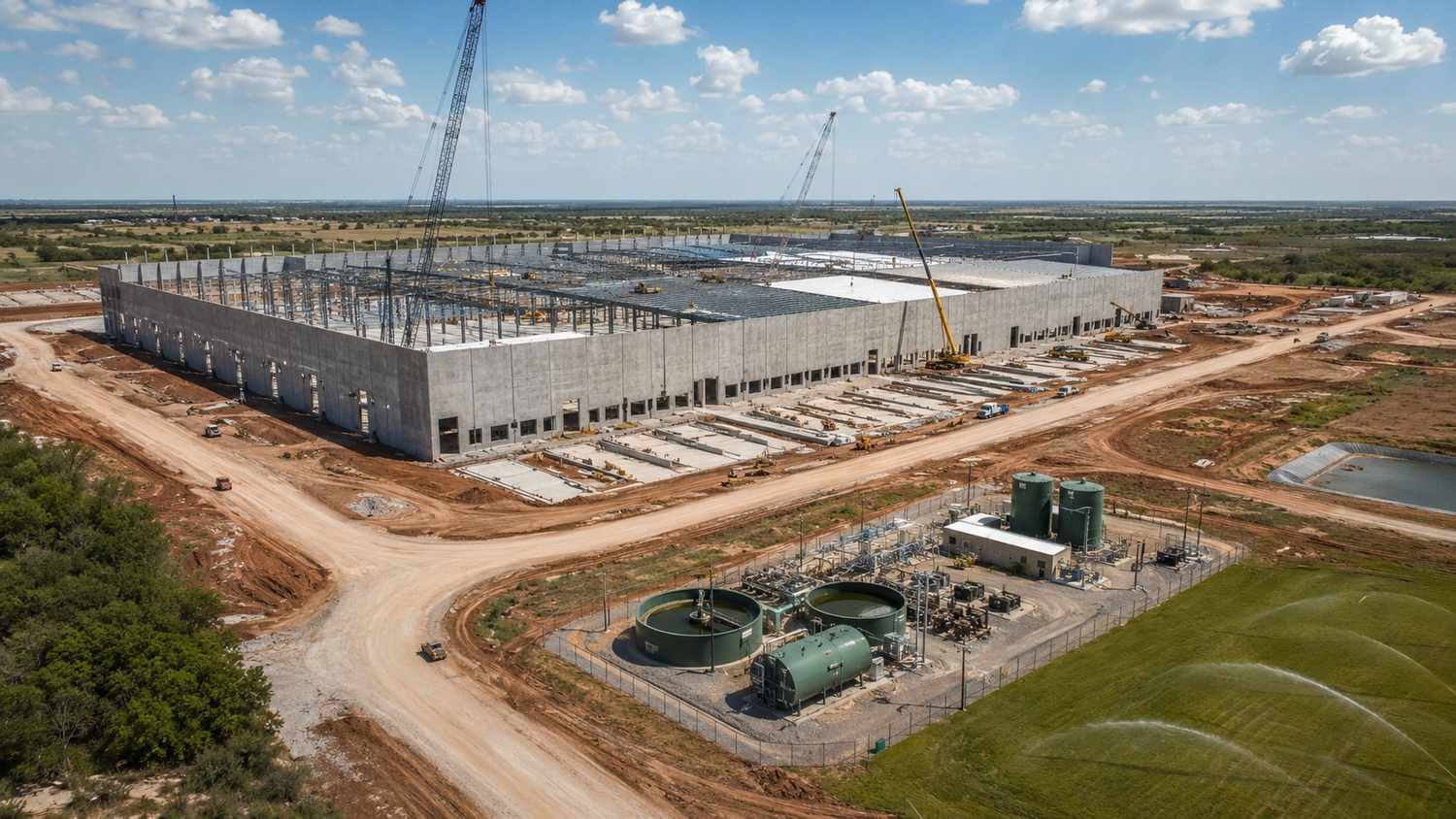
The permit path determination for an industrial facility comes down to four questions that must be answered honestly before committing to either pathway.
What does the wastewater actually contain? Industrial process wastewater that includes heavy metals, petroleum hydrocarbons, specific regulated industrial chemicals, or constituents incompatible with land application may not qualify for TLAP regardless of available land. Understanding the full characterization of the facility’s wastewater at realistic operational conditions is the starting point for any permit path evaluation.
Is there a viable surface water discharge point? If the facility is located adjacent to a named waterway with available assimilative capacity, TPDES may be the straightforward path. If the facility is located in a sensitive watershed, in an area without a nearby receiving water body, or in a location where discharge opposition is predictable, TLAP’s land application approach avoids the receiving water analysis and opposition risk.
Is adequate land available? A food processing facility generating 200,000 GPD of process wastewater requires a substantial land application area. If the facility site and adjacent land cannot support that requirement, TLAP is not viable regardless of the treatment system’s effluent quality. The land application area must be identified, characterized, and confirmed before TLAP is selected as the permit pathway.
What is the timeline pressure? For facilities under construction schedule or lease commitments, the permitting timeline matters directly. A TLAP on a qualifying site with standard domestic-strength process wastewater may reach approval faster than an industrial TPDES permit for the same facility. For complex industrial wastewater streams requiring substantial process design documentation, both pathways require careful schedule planning.
What Happens When the Wrong Path Is Selected
The pattern for industrial facilities that commit to the wrong permit path before evaluating both options follows a consistent sequence. Engineering begins on a treatment system designed for TPDES effluent limits. The TPDES application enters TCEQ’s industrial review queue. The facility discovers that the receiving stream’s assimilative capacity requires limits tighter than expected, that an environmental group has requested a contested case hearing, or that the review timeline is 30 months and the facility needs to be operational in 18. Redesigning the project for TLAP at that stage means revised treatment system design, land application area identification and characterization, a new permit application, and a new review timeline.
A 750,000 square foot fulfillment center in unincorporated Ellis County, Texas with a 40,000 GPD process wastewater stream evaluated three options with MES: force main to the nearest city sewer at $4 million, package WWTP with TPDES discharge permit at $2.5 million, and irrigation discharge system at $1.8 million. The irrigation discharge path was the most cost-effective and the fastest to permit. That evaluation happened before engineering began, which meant the treatment system was designed for the correct permit pathway and the facility was operational on schedule.
Frequently Asked Questions
Can an industrial facility use TLAP even if the wastewater contains industrial constituents?
It depends on the specific constituents and their concentrations. TCEQ evaluates land application permit applications based on the facility’s effluent quality after treatment and the proposed application site’s capacity to accept those constituents without causing soil or groundwater impacts. Industrial wastewater that has been treated to domestic-strength quality parameters may qualify for standard land application loading rates. High-strength, complex, or chemically specific industrial wastewater requires constituent-specific analysis before a determination can be made.
Does switching from TPDES to TLAP require redesigning the treatment system?
Not necessarily. The treatment system for TLAP must produce effluent appropriate for land application, which in many cases is similar to the secondary treatment quality required for domestic TPDES discharge. For industrial facilities with complex wastewater streams, the specific treatment requirements may differ between the two pathways. Evaluating both permit paths before treatment system design begins prevents the need for redesign after engineering is complete.
How long does TLAP permitting take for an industrial facility in Texas?
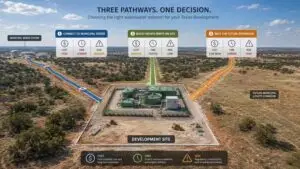
For qualifying industrial facilities with wastewater appropriate for land application and adequate land area, TLAP applications submitted at least 330 days before the planned operational date typically reach approval in 10 to 18 months. Complex applications requiring additional technical review may take longer. This compares favorably to industrial TPDES permit timelines of 18 to 36 months for most industrial categories, and longer in contested or sensitive watersheds. For a full comparison of all three disposal pathways, see Your Three Wastewater Disposal Options in Texas.
Related Resources
- Your Three Wastewater Disposal Options in Texas: Discharge, Reuse, or Land Application
- How to Evaluate Wastewater Utility Options Before You Close on Land
- Building a Private WWTP in Texas: What Developers Need to Know Before They Commit
- How to Read a TCEQ Effluent Limit Table: What the Numbers Actually Mean for Your Facility
Evaluating Industrial Wastewater Permit Paths for Your Texas Facility?
Modern Engineering Solutions works with Texas industrial facilities to evaluate TPDES and TLAP permit pathways, characterize industrial wastewater streams, and prepare complete TCEQ applications that support the correct permit path from the beginning of the engineering process.
We specialize in:
- Industrial wastewater characterization and permit pathway evaluation for Texas facilities
- TPDES industrial permit applications including effluent limit analysis and treatment system design
- TLAP applications including site characterization, hydraulic loading analysis, and water balance documentation
- Treatment system process selection for industrial wastewater streams requiring TPDES or TLAP
- TCEQ coordination and permit application support for manufacturing, food processing, and industrial facilities
Modern Engineering Solutions, McKinney, Texas. Contact: (214) 833-6748 or mod-eng.com