
Blog
Why Our Senior Engineers Are Not Expensive CAD Operators
A PE spending 40% of their week on CAD production is a $200/hr drafter. MES solved this structurally. Here is how we protect senior engineer time for real work.
Quick Answer
A licensed PE billing at $150 to $220+ per hour who spends three hours per day on CAD production and drawing corrections is functioning as a $60 to $85 per hour drafter for roughly 50 percent of their working time. For a ten person engineering firm, that pattern across two or three senior staff represents $150,000 to $300,000 per year in misallocated labor, plus the client relationships, QA reviews, and design decisions that did not happen because engineering hours were consumed by production work. At MES, we solved this structurally rather than hoping individuals would manage it through discipline. This article explains how.
Where the Hours Go at Most Firms
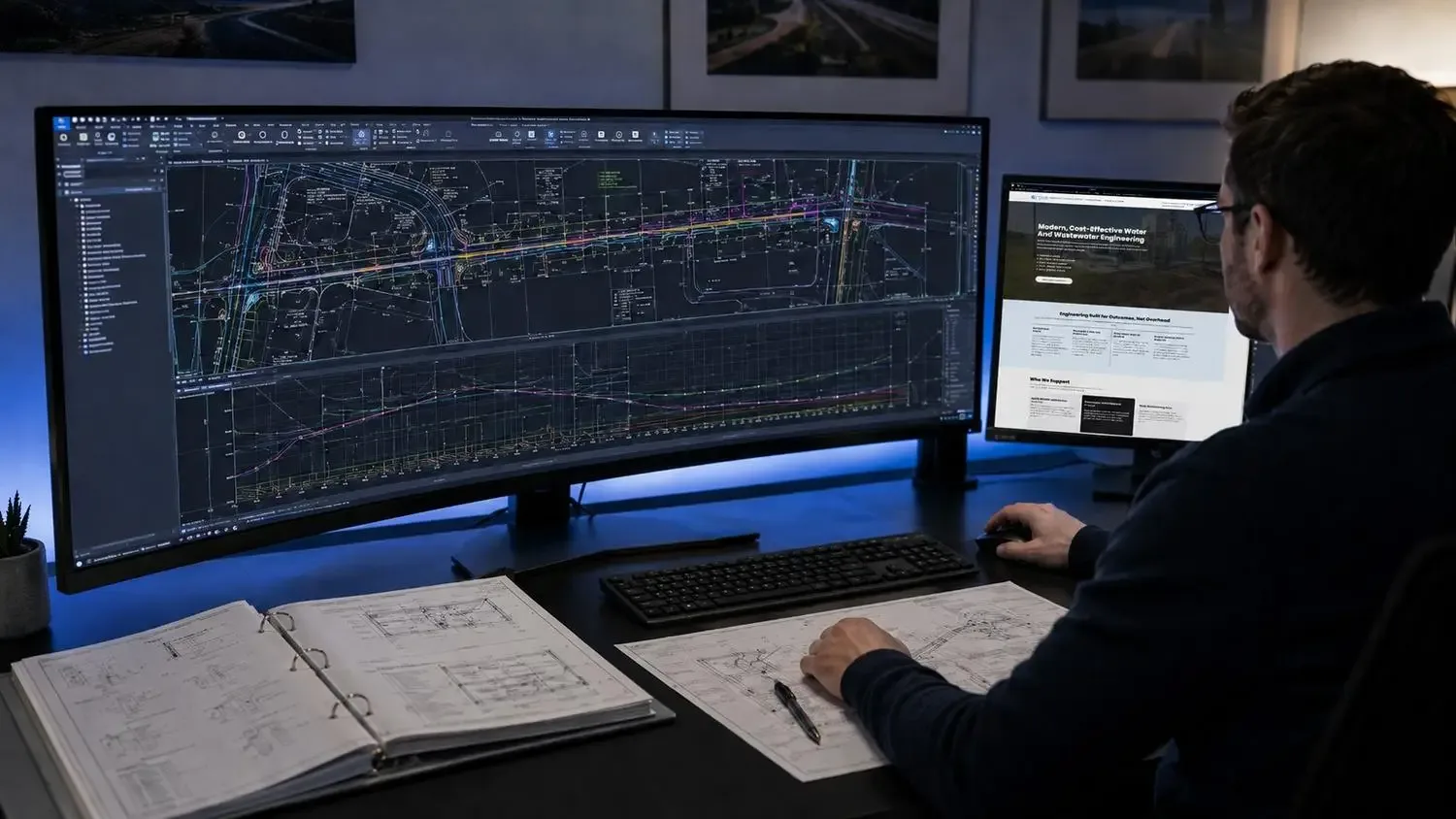
Ask a senior engineer or project manager at a traditional firm to estimate how much of their week is spent on CAD production and drawing related tasks. Most will say 20 to 25 percent. Pull the actual timesheets and the number is typically 35 to 50 percent.
The gap between the estimate and the reality is not dishonesty. It is that the production work is invisible. It happens in the margins. The PE opens a plan set to review it and ends up spending an hour fixing annotation errors before the technical review can begin. The project manager receives profiles that are structurally incomplete and drafts the missing details before the markup review starts. The principal gets on a client call, sees a drawing issue, and spends 45 minutes correcting it after the call rather than delegating it.
None of those hours show up in anyone’s mental model of how the senior engineer’s time is used. They accumulate in the background, consuming the discretionary time that should be directed at the work that actually differentiates the firm.
Why MES Is Structured Differently
MES is a remote-first firm built around the principle that engineers should spend their time on engineering. That means design decisions, hydraulic calculations, permit strategy, QA review of technical accuracy, and client communication. It does not mean plan and profile production, annotation corrections, drawing cleanup, and markup response.
We achieve this through a combination of dedicated production support, AI assisted documentation, and a clear operational line between engineering judgment and engineering production. At MES, every deliverable is reviewed by a licensed PE before it leaves the firm. But the PE’s job in that review is technical accuracy, not formatting cleanup. The production partner delivers clean, standards compliant drawings that allow the PE to focus the review on what actually requires their expertise.
This is not a cost-cutting measure. It is a quality measure. A PE performing a true technical QA review on clean drawings catches more substantive issues than a PE who is simultaneously correcting annotation layers and checking hydraulic calculations. The work that requires a licensed engineer gets a licensed engineer’s full attention when it is not competing with production tasks for the same hours.
The Opportunity Cost Calculation
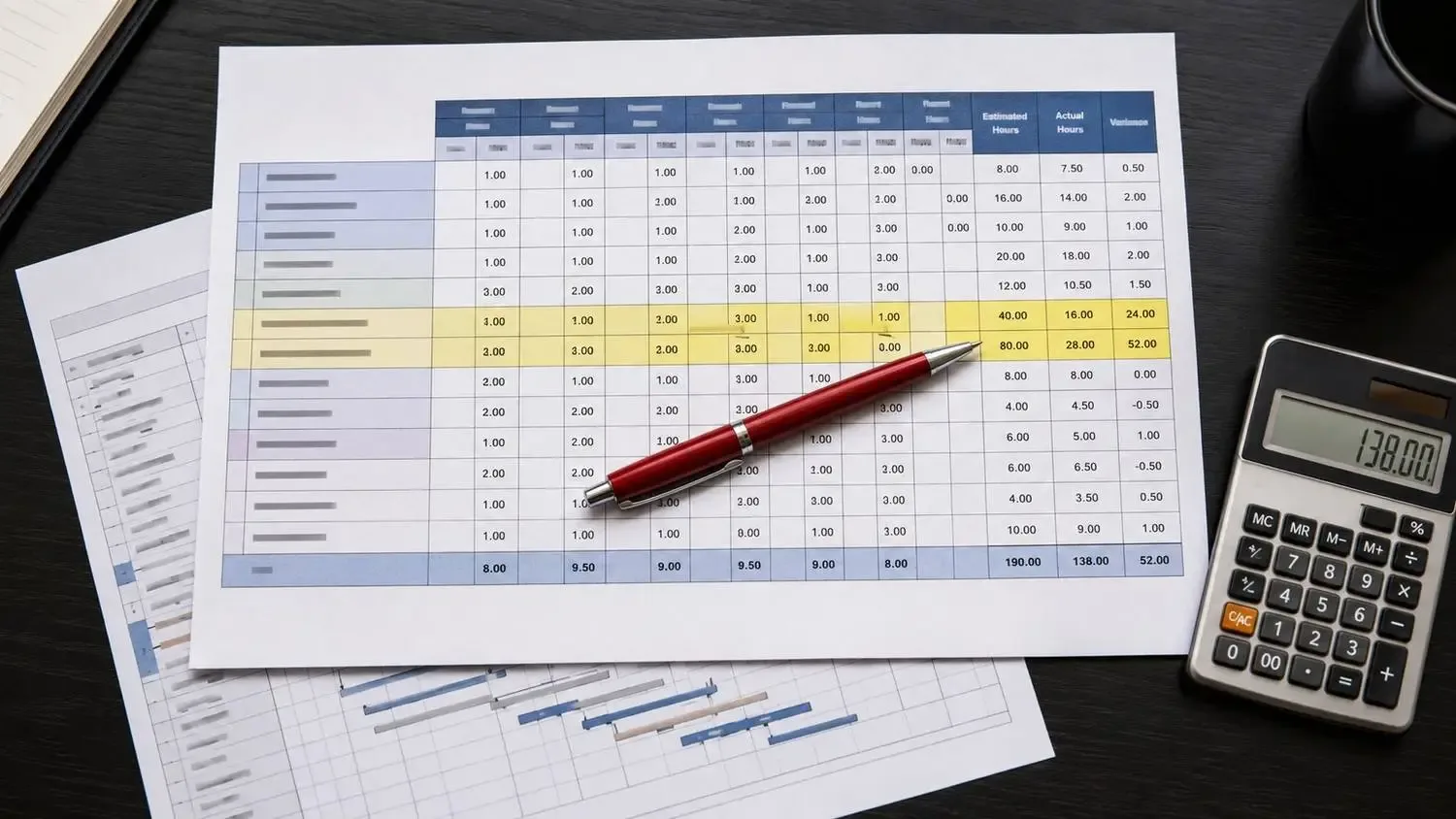
The value calculation for protecting senior engineer time is not cost versus cost. It is current output versus possible output.
A principal at MES whose week is 85 percent directed at design decisions, QA review, client communication, and permit strategy produces materially different outcomes than the same principal at a traditional firm spending 40 to 50 percent of their week on production work. The client relationships that get attention, the permit applications that get a complete and reviewer ready first submittal, the projects that close on schedule rather than stalling because the principal was finishing drawings: all of those outcomes trace back to time allocation.
For a developer carrying $100,000 per month in holding costs waiting on a TCEQ permit, the difference between an engineer focused on permit strategy and an engineer splitting time between strategy and production is a difference that shows up directly on the pro forma.
What Happens When the Bottleneck Is at the Top
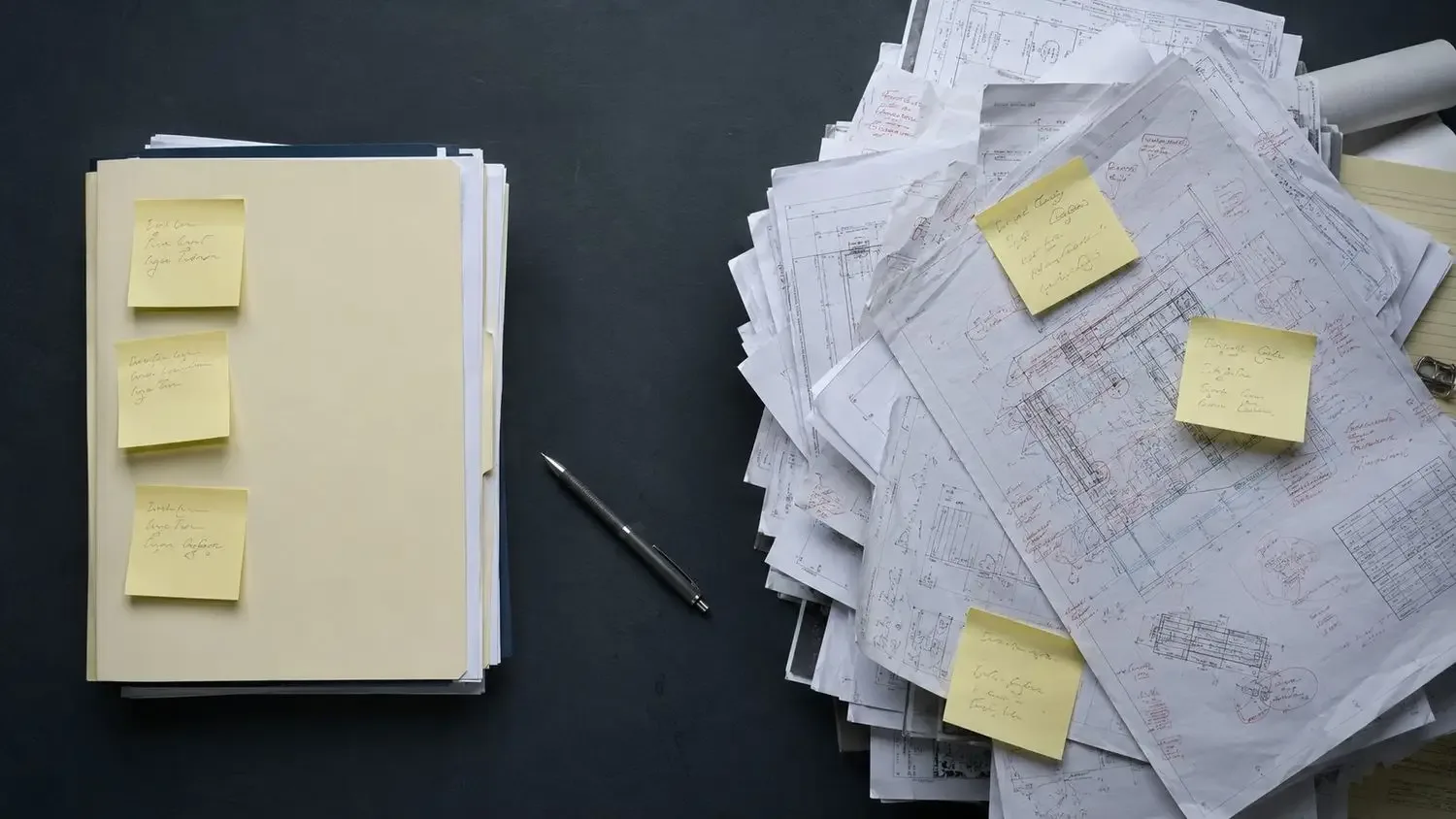
At firms where senior engineers function as the de facto production staff, every deadline depends on their personal availability. When the principal is traveling, managing a project escalation, or handling a client issue, production stops. There is no redundancy. There is no capacity buffer.
This structural dependency shows up in predictable ways. Proposals go out late because the principal did not have time to prepare them after finishing deadline drawings. Client calls get rescheduled because the project manager was stuck finishing plan sheets. New business conversations stall because no one has capacity to follow up.
The firm reaches a revenue ceiling not because it lacks opportunity but because the people capable of pursuing opportunity are fully committed to production work. The ceiling feels like a capacity problem. It is actually an allocation problem.
MES does not have that ceiling because we do not structure our senior engineers as production staff. The production work has a dedicated path. The engineering judgment has a dedicated path. Both get the appropriate level of expertise applied to them, and neither competes with the other for the same hours.
What This Means for Clients
For clients, the practical outcome of this structure is straightforward. The engineer working on your project is focused on your project’s engineering problems, not on drawing cleanup from the last deadline. When you have a question about permit strategy, the person answering that question spent the morning on permit strategy rather than on annotation corrections.
Complete, reviewer ready TCEQ submittals that produce 4 to 10 week 210E approvals rather than multi month deficiency cycles require engineers who have the time and focus to prepare them correctly. Responsive communication on active projects requires engineers who are not buried in production work when a question arrives. Both are downstream consequences of how the firm is structured, not of how hard individual engineers are working.
Frequently Asked Questions
How does MES maintain quality control when production and engineering review are separated?
Quality control at MES is structured around a true PE technical review rather than a combined cleanup and review process. The production partner delivers clean, standards compliant drawings. The PE reviews for technical accuracy without spending review time on formatting issues. Every deliverable is PE reviewed before it reaches the client firm, and the review is focused on the content that actually requires engineering judgment.
How does the production partner stay current with project-specific requirements?
The file handoff includes project files, markups or sketches, relevant standard details, and a brief scope description. A production partner experienced in Civil 3D and water and wastewater infrastructure should not require extensive briefing to produce accurate plan and profile sheets from a marked-up set. Consistency across the engagement builds working familiarity with the project without requiring repeated explanation.
Does this model work for complex water and wastewater projects or only routine drafting?
This model works for the production scope of complex projects as well as routine drafting. Plan and profile sheets for water and sewer mains, lift station design drawings, treatment plant site plans, and permit submittal packages all fall within the production scope. The engineering design, process calculations, and permit strategy that drive those drawings remain with the licensed engineers.
Related Resources
- The Cheapest Engineering Decision on Your Texas Pro Forma Is Not the Low Bid
- Why Speed Is a Design Constraint: How Modern Engineering Firms Deliver Infrastructure Faster
- The Four Layers Under MES, Top Down
- How I Built a Civil Engineering Firm That Doesn’t Follow Industry Norms
Need CAD Production Support That Frees Your Senior Engineers for Real Engineering Work?
Modern Engineering Solutions provides on demand Civil 3D production support for water and wastewater engineering firms, delivering PE reviewed plan sets and permit submittal packages that free senior engineers for the design decisions and client relationships that actually differentiate your firm.
We specialize in:
- On demand Civil 3D production support for water and wastewater engineering firms
- Plan and profile sheet production, lift station drawings, and permit submittal packages
- PE reviewed deliverables ready for firm seal without a correction cycle
- Markup response and drawing cleanup that frees senior engineers for design work
- Hourly and fixed fee engagement with no minimum commitments
Modern Engineering Solutions, McKinney, Texas and Golden, Colorado. Contact: (214) 833-6748 or mod-eng.com
Keep reading
More to read.
Talk to an engineer
Tell us about your project.
An engineer reads it
Not a salesperson. Someone who can tell you whether the pathway is real.
You get a first answer
Your options, the agencies involved and the questions that decide cost and schedule.
You decide
No commitment to have the first call.
Prefer the phone? (214) 833-6748