Quick Answer
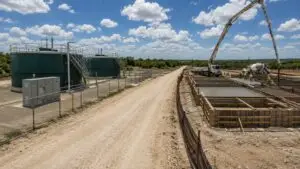
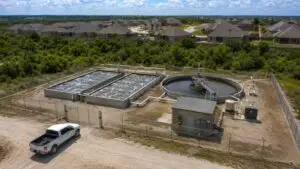
A package wastewater treatment plant is a prefabricated or modular treatment system designed to handle domestic wastewater flows in a compact footprint, typically serving rural communities, small developments, remote service areas, or phased projects where extending to an existing treatment facility is not practical or cost effective. In Colorado, package plants require CDPHE design review and approval under Regulation 22 before construction, a Colorado Discharge Permit System permit or Plan of Reuse approval for the treated effluent, operator licensing requirements appropriate to the plant size and classification, and a long term operations and maintenance program capable of sustaining permit compliance across the full range of seasonal and loading conditions the facility will experience. Package plants are not plug and play solutions. They are permitted wastewater infrastructure with the same regulatory obligations as any other treatment facility, and they must be selected and designed to match the specific permit conditions of the project rather than the general specifications of the equipment manufacturer.
When a Package Plant Makes Sense in Colorado and When It Does Not
A package plant is a legitimate and frequently used wastewater solution in Colorado for rural developments, small municipalities, resort communities, mining operations, correctional facilities, national park concession areas, and other service contexts where centralized sewer collection and treatment is not available or not economically feasible. The characteristics that make a package plant appropriate for a specific project include a defined and relatively stable service population, a wastewater flow volume that falls within the range the package plant technology can handle reliably, a site with adequate space for the treatment units and associated support infrastructure, access to electrical power sufficient to operate the treatment equipment and controls, and a plan for operator coverage that meets Colorado licensing requirements for the facility class.
A package plant is not the right solution when the proposed service population will grow rapidly and unpredictably beyond the initial design flow, when the receiving water quality standards require effluent quality beyond what the selected package plant technology can reliably achieve across all seasons, when the site has insufficient space for the plant footprint plus required setbacks and future maintenance access, or when there is no realistic plan for certified operator coverage. These are not hypothetical concerns. They are the conditions that most commonly produce package plant failures in Colorado, and they are conditions that can be identified and addressed during project planning before equipment is purchased or permit applications are submitted.
The economics of package plants in Colorado deserve honest evaluation against alternatives. A package plant serving a small rural district may cost significantly less upfront than extending a collection line to a distant regional facility, but the long-term operating costs of a standalone package plant, including operator labor, chemical costs, energy, equipment maintenance, sludge disposal, and regulatory compliance management, can make the total cost of ownership higher than the initial capital comparison suggests. For projects where a regional connection is technically feasible even if it requires a longer collection line, the full lifecycle cost comparison should be completed before committing to a standalone package plant strategy.
Common Package Plant Technologies and Their Colorado Application
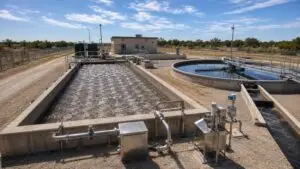
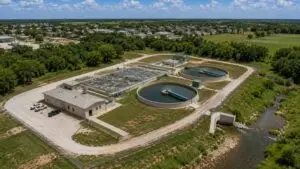
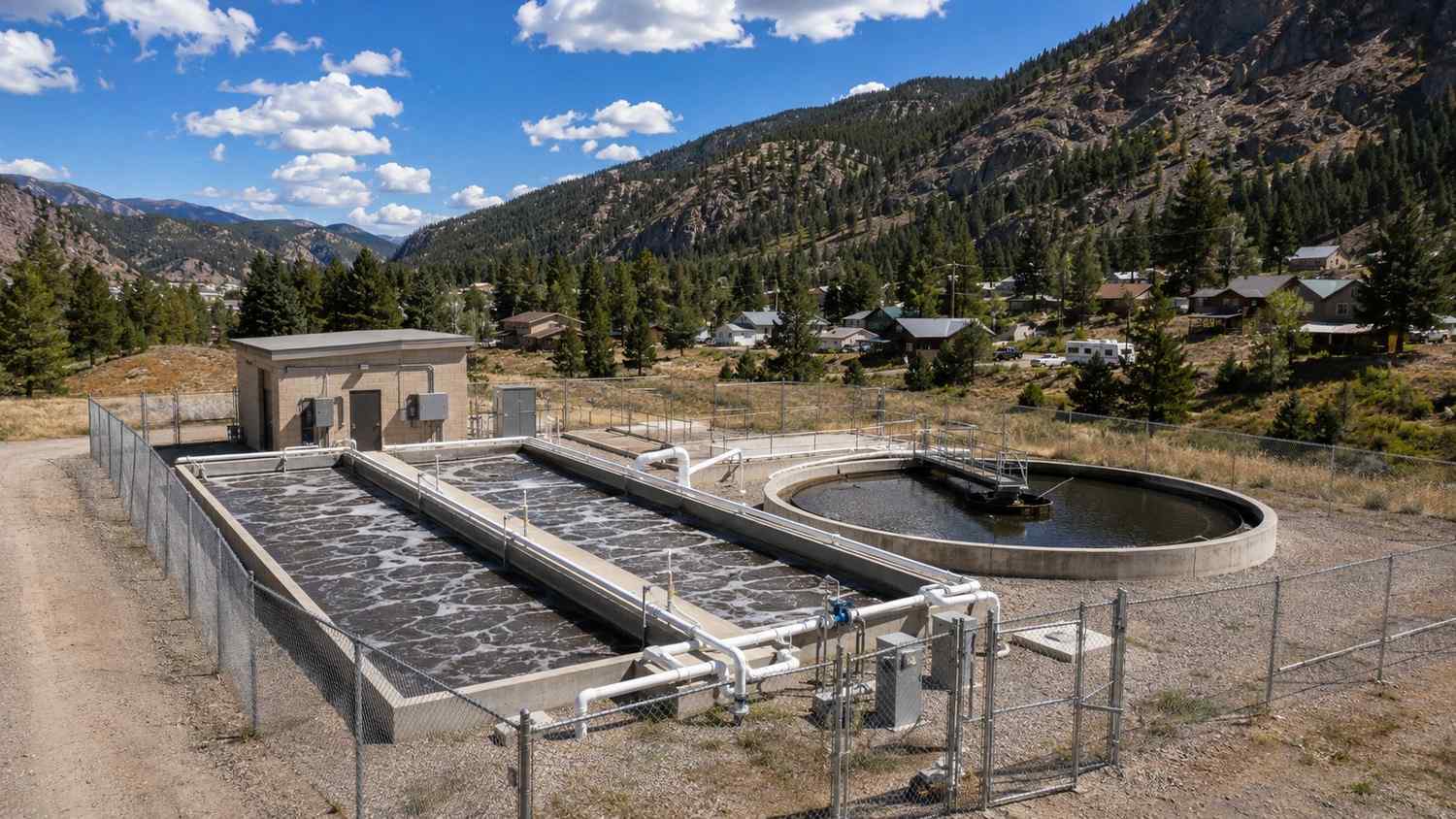
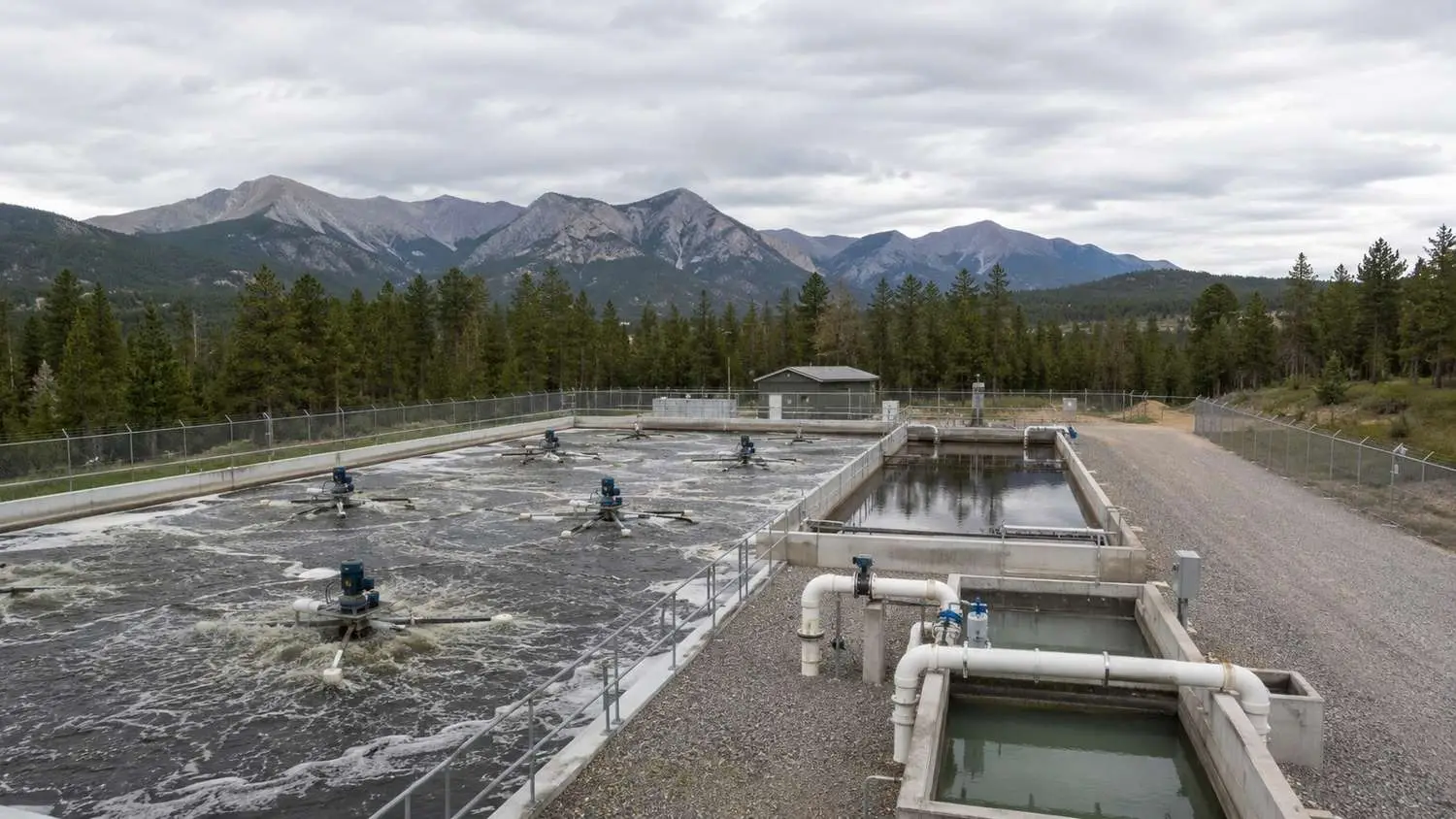
Extended aeration is the most widely used package plant technology for small community applications in Colorado because it is mechanically straightforward, well understood by operators, tolerant of variable loading, and capable of producing consistent secondary effluent quality when properly operated and maintained. An extended aeration system operates with a long solids retention time that allows biological treatment of the incoming wastewater using a mixed liquor of aerobic bacteria maintained in an aeration basin, with clarification occurring in an integral or external secondary clarifier. Extended aeration systems can achieve consistent BOD and TSS removal to secondary treatment standards and, with adequate solids retention time and reactor temperature management, can achieve nitrification for ammonia control in Colorado mountain climates where low influent temperatures challenge biological activity during winter months.
The sequencing batch reactor is a variation of activated sludge treatment that performs aeration, settling, and decanting in a single reactor vessel on a timed cycle rather than in separate tanks. Sequencing batch reactors are well suited to facilities with variable influent flow patterns, including seasonal resort communities or developments with significant diurnal flow variation, because the batch treatment cycle can be adjusted to accommodate changing influent volumes more flexibly than a continuous flow extended aeration system. Sequencing batch reactors also offer the possibility of biological nutrient removal through cycle modifications that create anoxic and anaerobic conditions within the batch sequence, which may be relevant for facilities on receiving waters where Colorado’s emerging nutrient standards create pressure toward phosphorus and nitrogen control.
Oxidation ditch systems are a variant of extended aeration that circulates mixed liquor through a looped channel using surface aerators or brush rotors. Oxidation ditches provide long hydraulic retention time and high solids retention time in a configuration that is mechanically simple and relatively easy to operate, characteristics that make them attractive for small Colorado communities with limited operator resources. Membrane bioreactor systems combine biological treatment with membrane filtration to produce a high quality effluent that can meet stringent discharge limits for BOD, TSS, and turbidity that standard secondary treatment cannot achieve consistently. Membrane bioreactors are appropriate for Colorado facilities facing tight effluent limits driven by sensitive receiving water conditions, but they require more intensive operator attention, higher energy consumption, and more frequent membrane maintenance than extended aeration alternatives.
CDPHE Design Review and Regulation 22 Requirements
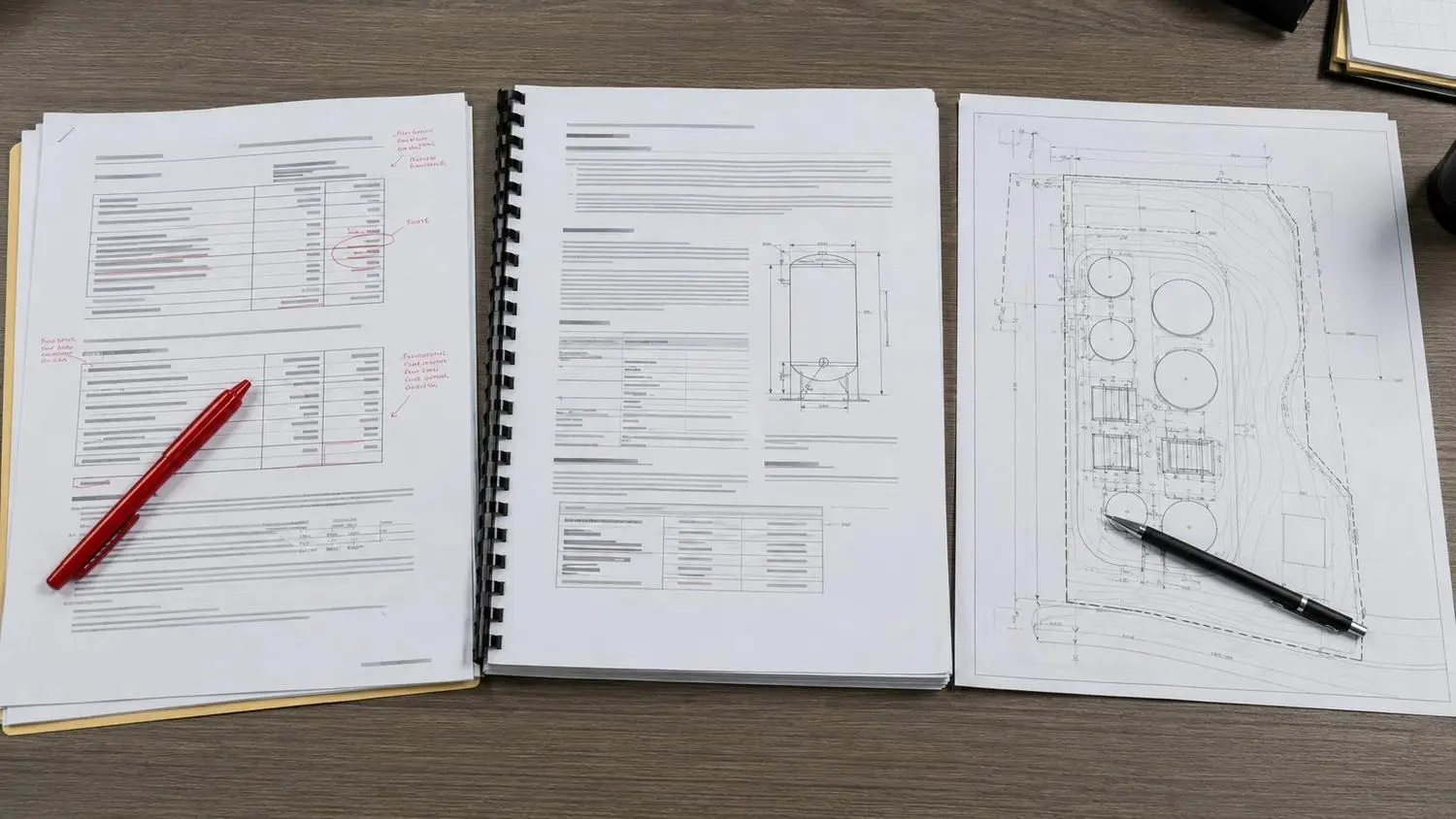
Every wastewater treatment facility serving the public in Colorado, including package plants above the minimum threshold capacity established by CDPHE, must undergo design review and approval under Colorado’s Regulation 22 before construction begins. Regulation 22 establishes the engineering design standards for domestic wastewater treatment works and requires that the design be prepared by a professional engineer licensed in Colorado, submitted to CDPHE for review, and approved before construction contracts are awarded or equipment is ordered. The Regulation 22 review evaluates whether the proposed design meets the applicable standards for treatment process selection, hydraulic design, solids handling, disinfection, electrical systems, standby power, and site layout.
The engineering report required for Regulation 22 submission must include a design basis that documents the flow projections, population equivalents, influent wastewater characteristics, effluent quality targets, treatment process description, equipment specifications, site layout, and operations and maintenance plan for the proposed facility. For package plant projects, the design basis must demonstrate that the selected package plant technology is capable of achieving the effluent quality required by the discharge permit or Plan of Reuse under the full range of seasonal loading and temperature conditions the facility will experience. A design basis that simply accepts the manufacturer’s published performance data without evaluating how that performance translates to the specific seasonal and temperature conditions of the Colorado project site is not adequate for Regulation 22 purposes.
The Regulation 22 review process runs concurrently with but independently of the CDPS discharge permit or Plan of Reuse approval process at CDPHE. Both approvals must be in hand before construction begins, and the timeline for each should be evaluated as parallel workstreams in the project schedule. Regulation 22 review for a small package plant in a straightforward regulatory context typically takes three to six months from complete application submission. The discharge permit or Plan of Reuse timeline runs separately and may be longer depending on receiving water conditions, antidegradation review requirements, and public comment considerations.
Operator Licensing, Monitoring, and Long Term Compliance
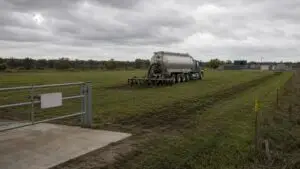
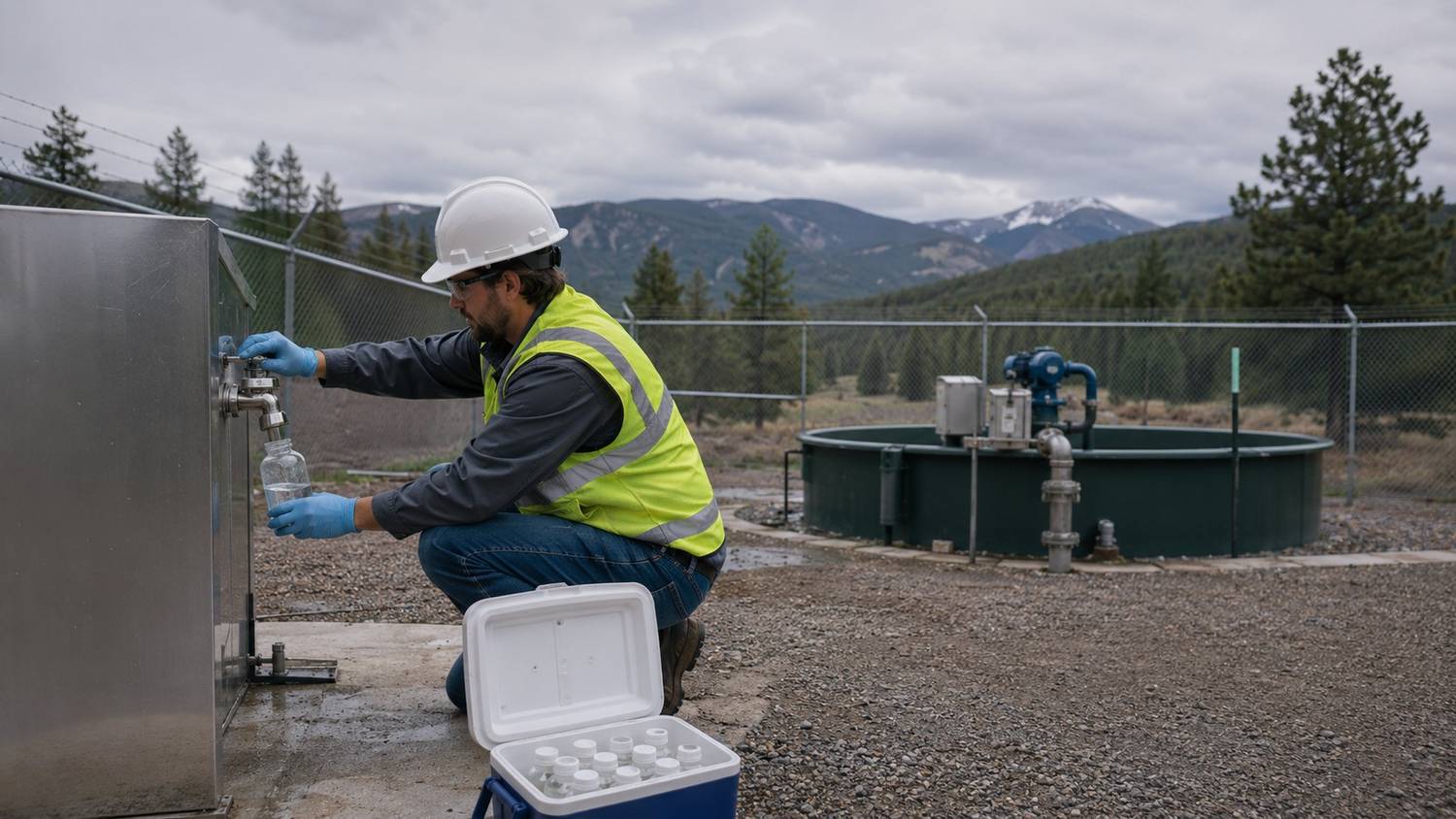
Colorado requires that wastewater treatment facilities serving the public be operated by licensed wastewater treatment operators whose license class is appropriate to the size and type of the facility being operated. CDPHE’s Water Quality Control Division establishes operator certification requirements under its operator certification program, and facility owners are responsible for ensuring that their facility is operated by certified personnel at all times. For small package plants in rural Colorado communities, securing certified operator coverage is frequently one of the most challenging operational requirements because the population of licensed operators in rural areas is limited and the demand for their services can exceed supply, particularly for smaller facility classes that serve rural communities spread across a large geographic area. The monitoring and reporting program required for a Colorado package plant discharge is established in the facility’s CDPS permit and typically includes effluent sampling for the parameters specified in the permit on a defined schedule, influent monitoring where required, operational monitoring of treatment process parameters such as dissolved oxygen, mixed liquor suspended solids, and sludge blanket depth, and submission of discharge monitoring reports to CDPHE on the schedule specified in the permit. For small facilities with limited staff, the administrative burden of maintaining a complete and accurate monitoring record, submitting timely discharge monitoring reports, and managing the chain of custody documentation for laboratory samples is not negligible, and it must be accounted for in the operational staffing plan from the beginning. Sludge management is the operational element of package plant compliance that most developers and small district boards underestimate at the project planning stage. Package plants produce waste activated sludge that accumulates in the treatment system and must be periodically removed, transported by a licensed hauler, and disposed of at a permitted facility. The frequency of sludge removal depends on the treatment process, the influent loading, and the sludge holding capacity of the plant. For extended aeration systems, sludge removal is typically required several times per year and may need to increase during periods of high organic loading. The cost of sludge hauling and disposal must be included in the annual operating budget from day one, and a permitted disposal destination for the sludge must be identified before the plant begins operation rather than after the holding capacity is full.Redundancy, Standby Power, and Equipment Reliability
CDPHE’s Regulation 22 establishes redundancy requirements for wastewater treatment facilities that are designed to ensure continued treatment capability when equipment fails. For package plants, redundancy requirements typically address the aeration system, the clarification process, the disinfection system, and the effluent disposal pathway. A facility that has only a single aeration blower with no backup has a single point of failure that, if it occurs at an inopportune time, produces an untreated or inadequately treated discharge that violates the permit. Redundancy in the aeration system, typically achieved through installation of multiple blowers with automatic alternation and standby capacity, is a design requirement that affects the capital cost of the facility but is not optional from a compliance standpoint.
Standby power is a related requirement for facilities where a power outage would interrupt treatment and result in a compliance violation or a public health risk. A package plant that relies entirely on utility power and has no generator backup is vulnerable to treatment interruptions during the severe weather events, grid outages, and equipment failures that are a routine part of operating in rural Colorado. A natural gas or diesel standby generator sized to power the critical treatment and control equipment, with an automatic transfer switch that initiates generator operation without manual intervention, is the appropriate provision for a package plant where power continuity is essential to permit compliance.
Frequently Asked Questions
Can we purchase a package plant from a manufacturer and then get it permitted, or does the permitting have to come first?
The permitting must come first, or at minimum must be initiated and the likely permit conditions must be understood before equipment is purchased. The discharge permit or Plan of Reuse approval establishes the effluent quality the plant must achieve, and the Regulation 22 design review confirms that the selected equipment is capable of achieving that quality under the site specific conditions of the project. Purchasing a package plant before the permit conditions are known risks buying equipment that cannot meet the permit limits the discharge will require, which is a costly error that typically requires either purchasing replacement equipment or pursuing a permit variance that may not be achievable. Equipment procurement should follow permit condition development, not precede it.
How do we find certified operators for a small package plant in a rural Colorado location?
Options for securing certified operator coverage in rural Colorado include contracting with a licensed contract operations firm that provides certified operators for multiple small facilities across a geographic region, entering into a shared services agreement with a nearby municipality or district whose operators hold the appropriate license class, or sponsoring internal staff for the operator certification training and examination process. The contract operations approach is the most common solution for small rural facilities because it provides access to experienced operators without requiring the facility to employ a full-time licensed operator. Contract operations costs vary with the facility size, the remoteness of the location, and the scope of services included, and they must be incorporated into the facility’s annual operating budget.
What happens when our development grows beyond the initial package plant capacity?
Growth beyond initial package plant capacity requires either expansion of the existing package plant through additional treatment units, replacement with a larger facility, or, if regional connection has become feasible, transition to a regional sewer system. Each of these pathways requires CDPHE design review and approval under Regulation 22 and may require modification or amendment of the existing discharge permit if the flow increase is significant. Planning for future growth at the initial design stage, including reserving adequate site area for additional treatment units and designing the collection system to accommodate future flows, is significantly less expensive than addressing growth needs reactively after the initial plant is at or near capacity.
Related Resources
- Colorado CDPHE Water Quality Permits
- Seasonal Flow and Snowmelt: Designing Colorado Discharge Permits for Extreme Hydrologic Variation
- Plan of Reuse vs. Direct Discharge: Strategic Wastewater Disposal Decisions in Colorado
- Colorado CDPHE Regulation 22 Design Standards for Wastewater Treatment Facilities
Evaluating a Package Wastewater Treatment Plant for Your Colorado Project?
MES is licensed in Colorado and works with rural municipalities, small water and sanitation districts, developers, and utility managers to evaluate package plant feasibility, compare treatment technologies, coordinate CDPHE Regulation 22 design review, prepare discharge permit applications, plan operations programs, and avoid equipment decisions that do not match the permit conditions the project will require.
We specialize in:
- Package wastewater treatment plant feasibility evaluation and technology comparison for Colorado rural and small community applications
- CDPHE Regulation 22 engineering report preparation and design review coordination for package plant projects
- Colorado Discharge Permit System permit and Plan of Reuse application preparation for package plant discharge scenarios
- Seasonal loading and temperature analysis for package plant design in Colorado mountain and foothill environments
- Operator coverage planning and contract operations coordination for small Colorado wastewater facilities
- Sludge management program development and disposal pathway evaluation for Colorado package plant operators
Modern Engineering Solutions, McKinney, Texas and Golden, Colorado. Contact: (214) 833-6748 or mod-eng.com