
Colorado Package Wastewater Treatment Plant Permitting: CDPHE Approval, Operations, and Compliance
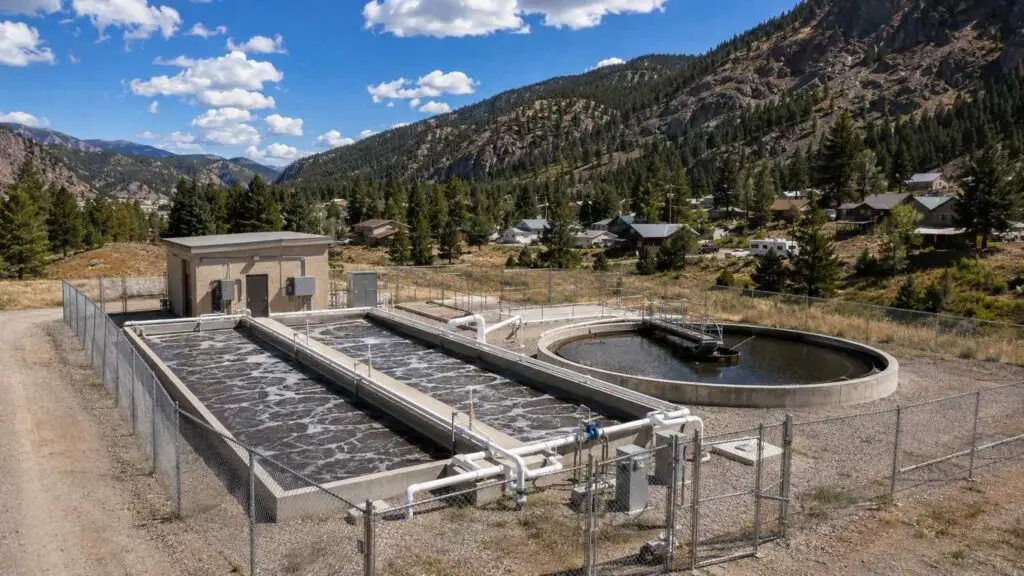
A package wastewater treatment plant sounds like a practical solution for a rural Colorado development or small district that cannot connect to an existing sewer system. In many cases it is. But the decision to install a package plant is not a purchasing decision. It is an engineering decision that must account for permit requirements, site constraints, seasonal loading variation, operator capacity, long term maintenance obligations, and the effluent quality the receiving water will demand. Getting those factors wrong before the equipment is ordered is an expensive and time consuming problem to correct after it arrives on site.
How TCEQ Sets Effluent Limits: Understanding Receiving Water Quality Standards and Permit Conditions
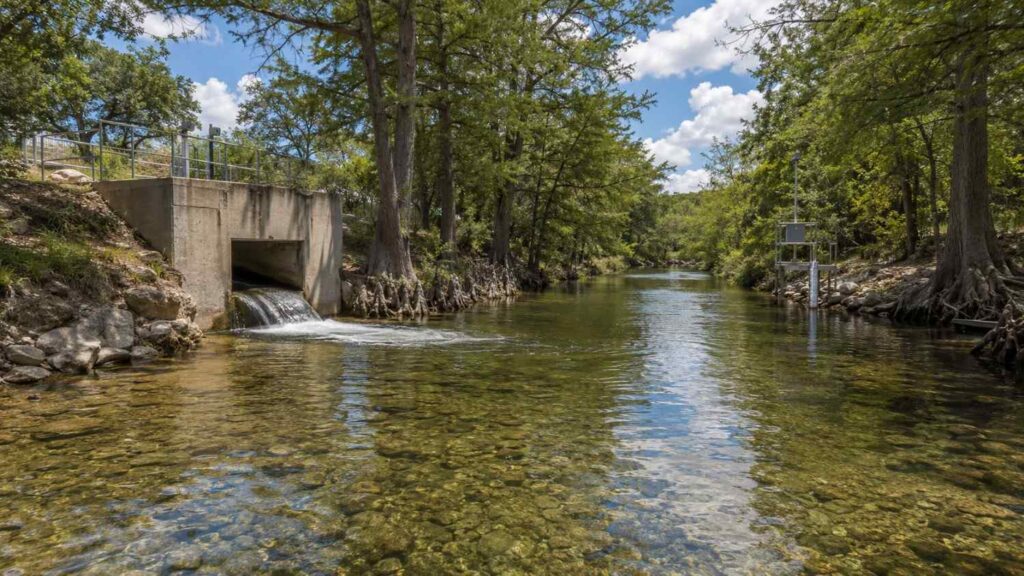
The effluent limits in your TPDES permit are not arbitrary. Every number in that permit reflects a calculation tied to the quality of the stream, lake, or creek receiving your discharge, the designated uses assigned to that water body, and the cumulative load that water body can absorb before it fails to meet state water quality standards. If you are designing a treatment plant without understanding why those limits exist, you are designing blind.
Municipal TPDES Individual Permits: What Texas Cities and Utility Providers Need to Know
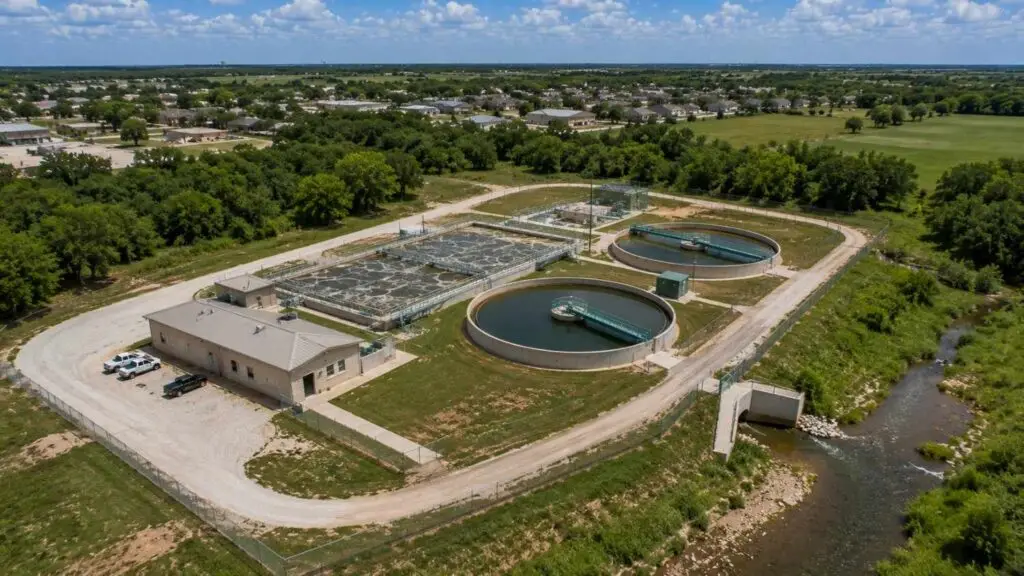
Every Texas city and utility district that operates a wastewater treatment plant and discharges treated effluent to a creek, river, or other surface water is operating under a TPDES individual permit. That permit is not simply a piece of paper from TCEQ confirming the plant exists. It is the document that sets every operational parameter the plant must meet, every sample that must be taken, every report that must be filed, and every capital decision that has to happen before the permit allows the community to grow.
Sewage Sludge and Biosolids Land Application Permits in Texas: Rules, Fees, and Common Mistakes
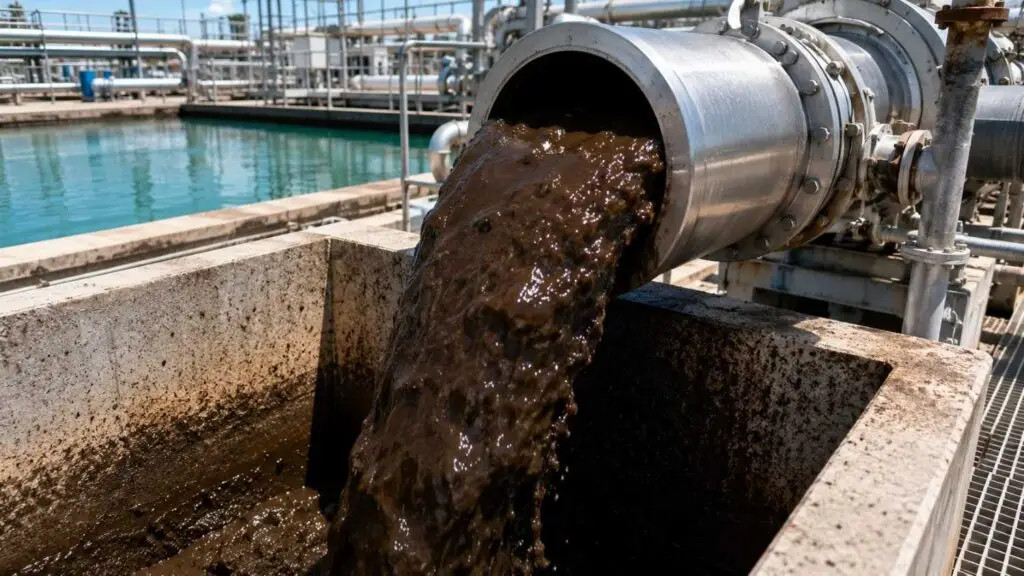
Most municipal wastewater treatment plant operators in Texas have a solid handle on their discharge limits, effluent sampling schedules, and monthly reporting to TCEQ. The part of the compliance picture that consistently has gaps is the back end of the treatment process: what happens to the sludge after it leaves the digester, where the biosolids go, who tracks the application records, and whether the permit authorizing all of it is current and complete.
Capital Improvement Planning for Small Municipalities: Where to Start When You Don’t Know Where to Start
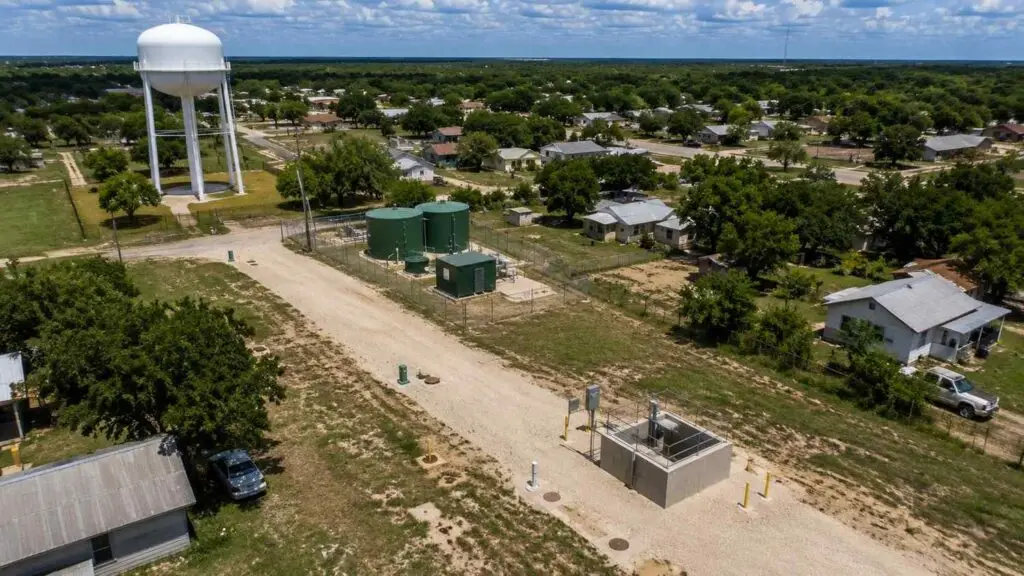
Every city manager and public works director reading this already knows their system has problems. The lift station that keeps failing. The water mains that were installed in 1965. The treatment plant that is one wet weather event away from a compliance violation. The board that wants a plan but has not allocated money for one. The question is not whether the problems exist. The question is where to begin turning them into something manageable.
Unlocking The Power of the Rural Water Assistance Fund for Your Community
As dedicated contributors to rural water and sewer communities, we all wear multiple hats. One important part of our role is understanding and utilizing available resources to maximize the potential of our local water and sewer systems. Today, we are focusing on a game-changing resource for small rural utilities, the Rural Water Assistance Fund (RWAF) Program.
Transforming Rural Water and Sewer Communities: Unlock the Potential of the Texas Water Development Fund (DFund) Loan Program
Living in a rural water and sewer community means playing various roles to ensure the wellbeing of your neighbors. This responsibility also involves learning about different ways to enhance the quality of life for everyone around you. One such avenue is through funding programs, such as the Texas Water Development Fund (DFund) Loan Program, that can help improve water and wastewater infrastructure. Here are the key things you need to know about the DFund and how it can be beneficial for your community.