
Blog
Edwards Aquifer Recharge Zone Development: What Austin Area Developers Must Do Differently for Wastewater
Austin area developers face stricter wastewater rules inside the Edwards Aquifer Recharge Zone. Learn what changes before you finalize a site plan or close on land.
Quick Answer
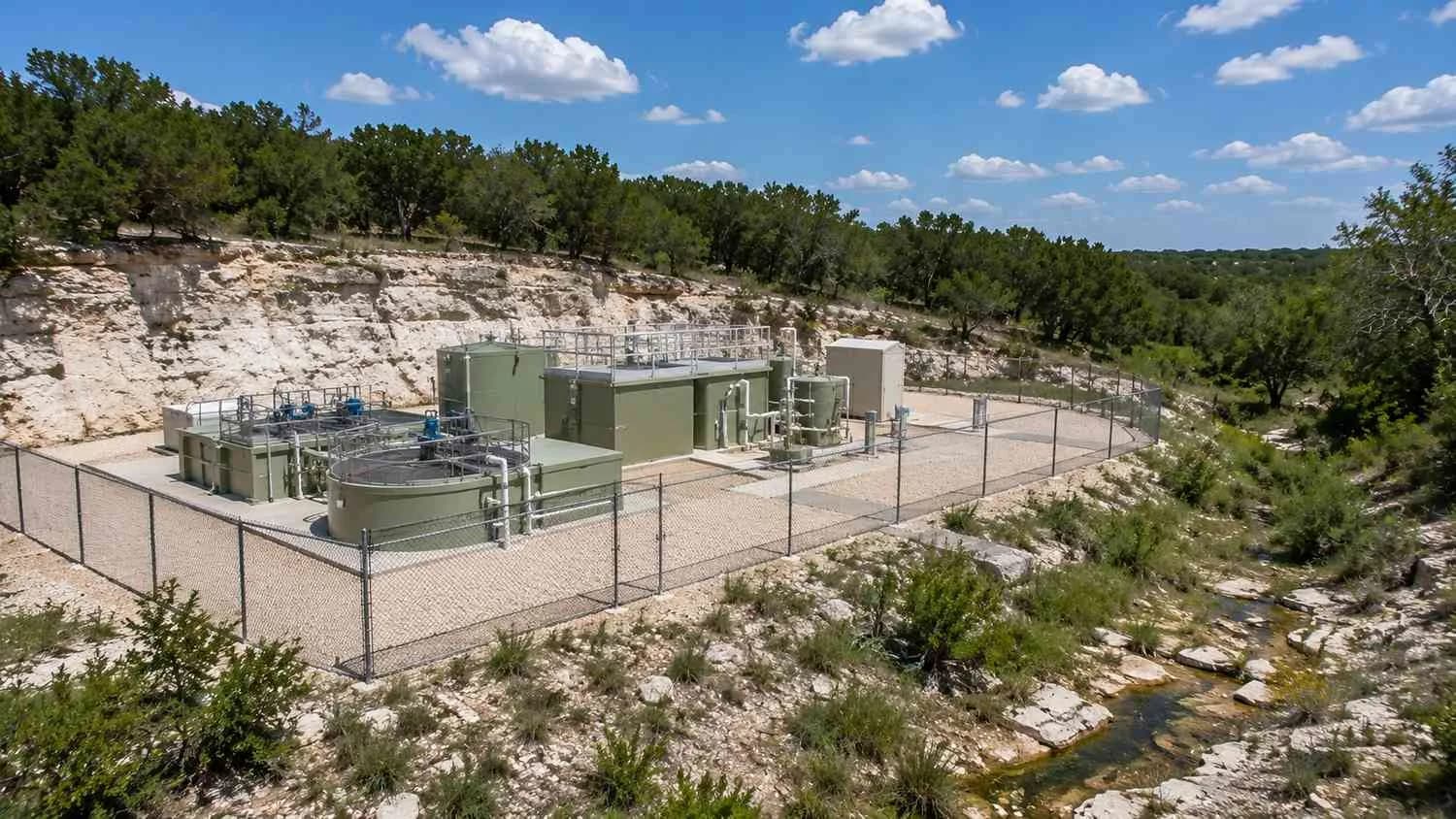
Development within the Edwards Aquifer Recharge Zone is subject to TCEQ’s Edwards Aquifer Rules, a regulatory framework layered on top of the standard wastewater permitting requirements that apply elsewhere in Texas. These rules restrict certain wastewater disposal methods, require additional geologic and water quality documentation as part of any permit application, impose specific setback and buffer requirements near sensitive karst features, and in many cases require a more conservative treatment and disposal strategy than a similar project would need outside the recharge zone. A wastewater strategy that would be straightforward on a non recharge zone site, such as land application disposal through a standard TLAP permit, may require significant modification, additional treatment, or may not be feasible at all depending on the site’s specific karst geology and its proximity to sensitive features. Confirming a site’s recharge zone status and evaluating the specific wastewater constraints that apply before finalizing a purchase or a site plan is essential due diligence for any Austin-area development, because a wastewater strategy assumption made without recharge zone review can be entirely wrong once the actual regulatory requirements are understood.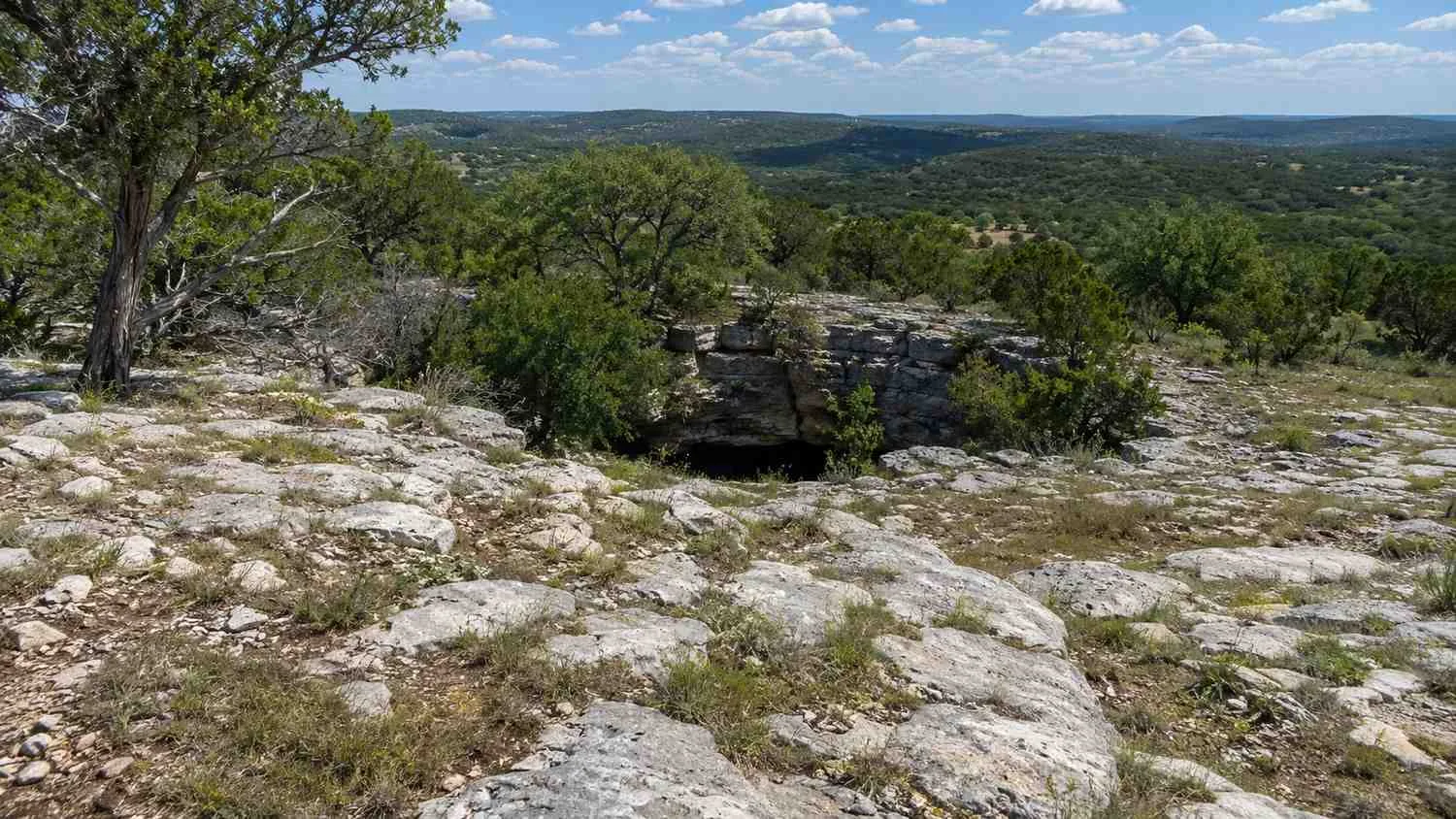
Understanding What the Recharge Zone Actually Is and Why TCEQ Regulates It Differently
The Edwards Aquifer Recharge Zone is the geographic area where the aquifer’s water bearing limestone formations are exposed or near the surface, allowing surface water and precipitation to enter the aquifer relatively directly through fractures, sinkholes, caves, and other karst features. This direct connection between the surface and the aquifer is precisely what makes the recharge zone both geologically distinctive and environmentally sensitive. Unlike a typical groundwater system where contaminants introduced at the surface undergo substantial filtration and attenuation as they migrate slowly through soil and rock to reach the water table, karst recharge features can convey surface contamination into the aquifer with minimal filtration and over a much shorter timeframe, sometimes measured in hours or days rather than years.
Because a substantial population in the greater San Antonio and Austin areas relies on the Edwards Aquifer for drinking water, TCEQ established the Edwards Aquifer Rules, codified in Texas Administrative Code Chapter 213, specifically to regulate development activities within the recharge zone and the contributing zone that drains into it, with wastewater disposal, stormwater management, and regulated activities that could introduce contaminants receiving particular attention. These rules apply in addition to, not instead of, the standard TCEQ wastewater permitting framework that would otherwise govern a project’s treatment and disposal system, which means an Edwards Aquifer Recharge Zone project must satisfy both the general wastewater permit requirements and the additional Edwards Aquifer Rules requirements concurrently.
For Austin area developers, understanding whether a specific site falls within the recharge zone, the contributing zone, or outside both is the essential first step, because the applicable regulatory requirements differ significantly between these designations. TCEQ maintains recharge zone and contributing zone boundary maps, and confirming a specific parcel’s designation through TCEQ’s mapping resources or through a qualified geologist or engineer familiar with the local karst geology should occur during initial site evaluation, not after a wastewater strategy has already been selected based on an assumption about the site’s status.
Wastewater Disposal Restrictions Within the Recharge Zone
The Edwards Aquifer Rules place specific restrictions on wastewater disposal methods within the recharge zone that directly affect which strategies are available to a developer. Land application disposal of treated effluent, the disposal method underlying a standard TLAP permit, is subject to heightened scrutiny within the recharge zone because irrigation of treated wastewater onto land that sits directly above exposed karst recharge features creates a more direct pathway for any residual contaminants in the effluent to reach the aquifer than the same disposal method would create outside the recharge zone. This does not mean TLAP disposal is automatically prohibited within the recharge zone, but it does mean the application must demonstrate, often through additional geologic investigation and a more conservative treatment and buffer design, that the specific disposal site and method will adequately protect groundwater quality given the site’s karst characteristics.
Direct discharge to surface water under a TPDES permit within the recharge zone faces similar heightened scrutiny, since surface water within the recharge zone frequently has direct hydrologic connectivity to the aquifer through the same karst features that define the zone. A TPDES discharge that might be entirely acceptable to a receiving stream outside the recharge zone can require substantially more advanced treatment technology, more stringent effluent limits, or may face practical obstacles to approval within the recharge zone given the direct connection between the discharge point and the aquifer.
Developers should approach the recharge zone wastewater question expecting that whatever disposal strategy would be the default choice outside the recharge zone, whether land application or surface discharge, will likely require additional design conservatism, additional documentation, and in some cases will not be approvable in the straightforward form that would work elsewhere. This is exactly why early engagement with an engineer experienced in Edwards Aquifer Rules compliance, before a wastewater strategy is locked into a site plan or a financial model, is a different level of due diligence than a typical Texas development site requires.
Geologic Investigation and Sensitive Feature Setbacks
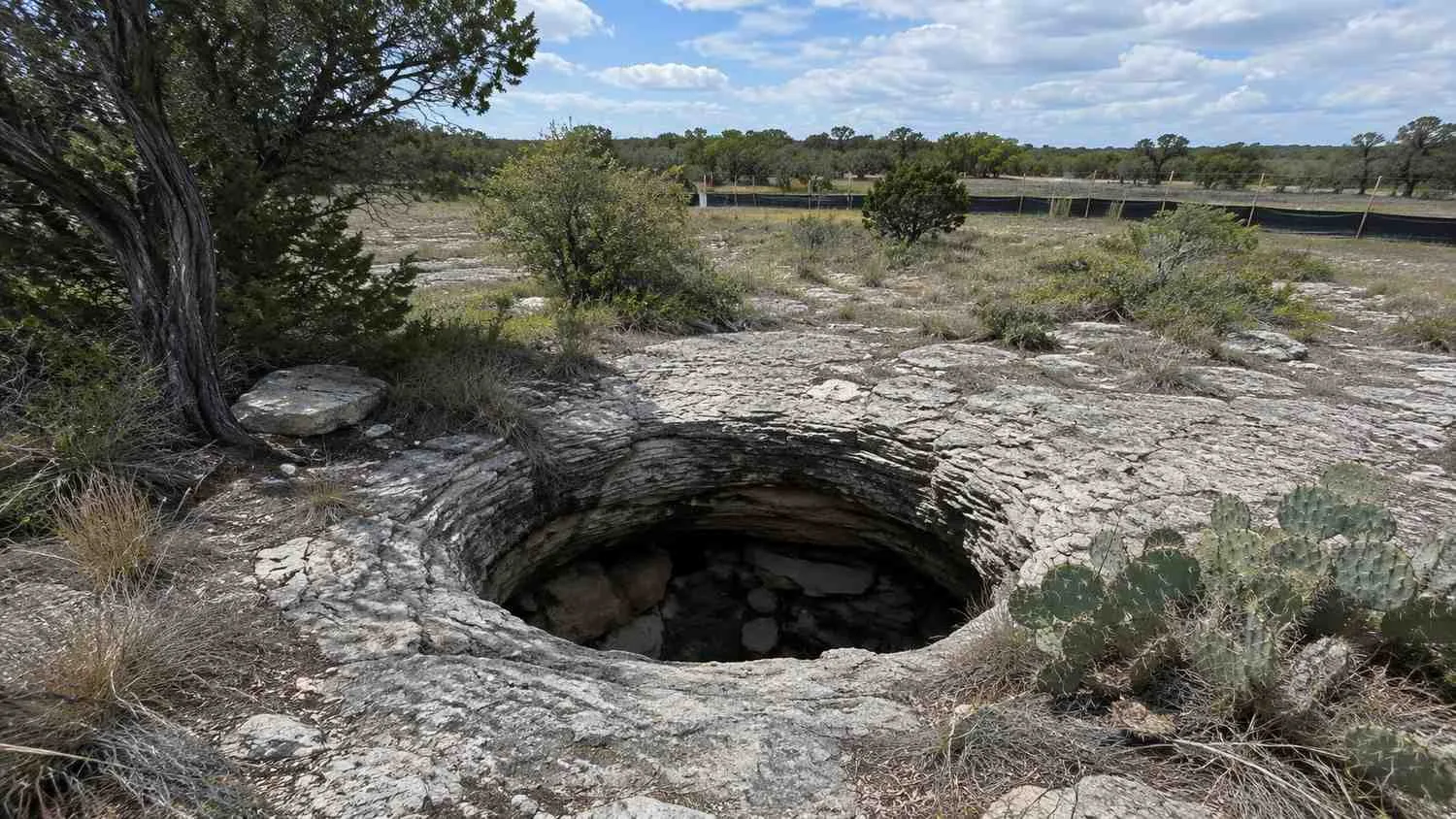
A defining requirement of Edwards Aquifer Rules compliance is the geologic assessment that must be performed to identify sensitive karst features on or near a proposed development site, including caves, sinkholes, faults, fractures, and other features that provide direct connectivity between the surface and the aquifer. This assessment typically requires a qualified geologist to conduct a site investigation, review existing geologic mapping and any documented cave or karst feature databases for the area, and in many cases perform field reconnaissance to identify features that are not captured in existing mapping.
When sensitive features are identified on or near a site, the Edwards Aquifer Rules establish setback and buffer requirements around those features that restrict what development activities, including wastewater disposal areas, can occur within the buffer zone. These setbacks can meaningfully constrain a site’s developable area, particularly for sites with multiple identified karst features scattered across the property, and the constraint applies not just to the treatment plant or disposal field location but potentially to the broader site layout if sensitive features intersect areas planned for other development uses.
Because the geologic assessment and feature identification directly determine how much of a site is actually available for wastewater disposal, this work should be completed early enough that its findings can inform the site plan rather than being discovered after a site plan based on the site’s gross acreage has already been marketed to investors or presented to the municipality. A site that appears to have ample acreage for a TLAP disposal field can turn out to have significantly less usable area once karst feature setbacks are mapped and subtracted from the developable footprint.
Sewer Extension and Lift Station Considerations Within the Recharge Zone
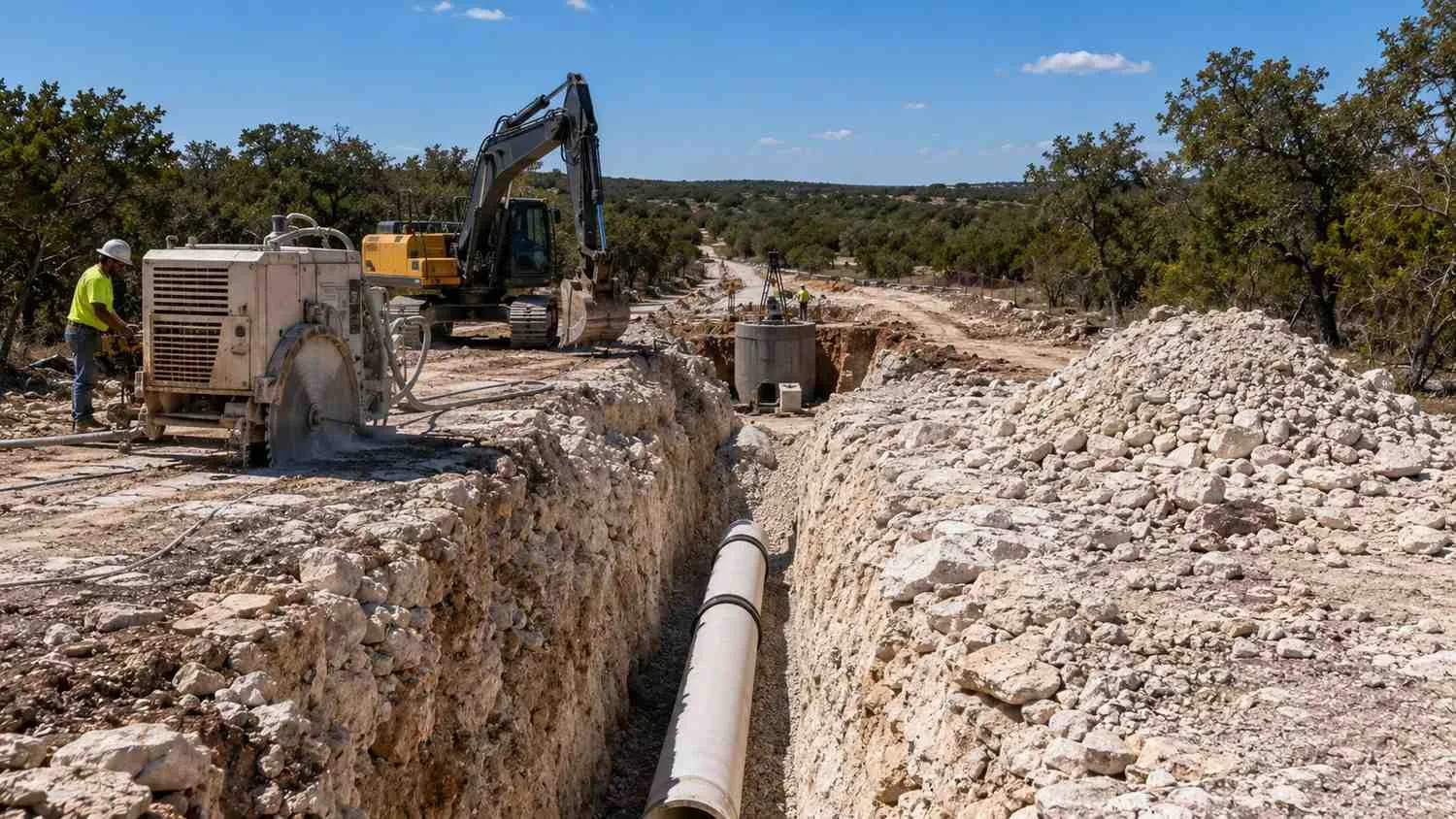
For Austin area developers evaluating connection to an existing municipal sewer system as an alternative to onsite treatment, the recharge zone designation also affects how sewer collection system infrastructure itself is designed and reviewed. Gravity sewer lines and lift stations within the recharge zone are subject to more stringent construction standards intended to prevent leakage or overflow of raw or partially treated wastewater into karst features along the collection system route, including requirements for more robust pipe materials, joint testing, and in some cases double containment for force mains crossing particularly sensitive areas.
Lift station siting within the recharge zone requires the same karst feature investigation applied to treatment and disposal facility siting, since a lift station failure or overflow event occurring directly above a sensitive recharge feature carries a materially higher environmental risk than the same event occurring on a site without that direct aquifer connectivity. Austin-area municipalities and utilities that serve recharge zone areas typically have their own supplemental design standards for collection system infrastructure within the zone, in addition to the TCEQ Edwards Aquifer Rules requirements, and developers should confirm both sets of requirements with the specific serving utility rather than assuming a standard sewer extension design will be accepted without modification.
Stormwater Management as an Integrated Part of the Aquifer Protection Strategy
Stormwater management within the Edwards Aquifer Recharge Zone carries similar heightened scrutiny to wastewater disposal, since uncontrolled stormwater runoff carrying sediment, chemicals, and other pollutants from a construction site or a developed property can enter the aquifer through the same karst features that create the recharge zone’s sensitivity. TCEQ’s Edwards Aquifer Rules require water quality controls for regulated activities within the recharge zone that go beyond standard TPDES construction general permit requirements, often including specific water quality treatment measures designed to remove pollutants from stormwater before it is allowed to infiltrate or discharge on the site.
For a master planned community or mixed-use development within the recharge zone, stormwater management and wastewater disposal strategy should be evaluated together rather than as entirely separate engineering disciplines, since both are governed by the same underlying aquifer protection objective, and in some cases the same karst feature setbacks and site constraints that limit wastewater disposal area also affect where stormwater detention and water quality facilities can be located.
Frequently Asked Questions
How do we find out early in site evaluation whether our Austin-area parcel is within the Edwards Aquifer Recharge Zone?
TCEQ maintains recharge zone and contributing zone boundary maps that can be reviewed to determine a parcel’s preliminary designation, and this check should be one of the first due diligence steps for any Austin area site, performed before a purchase contract is signed. Because recharge zone boundaries can be geologically complex and boundary interpretation sometimes requires site-specific investigation, a preliminary map review should be followed by confirmation from a qualified geologist or engineer familiar with the specific area, particularly for sites near the boundary edge where the designation may not be immediately obvious from a map review alone.
If our site is within the recharge zone, does that mean we cannot use a TLAP permit for wastewater disposal at all?
Not necessarily, but it means the TLAP application will require additional geologic documentation demonstrating that the specific site and disposal design adequately protect groundwater quality given the karst characteristics present, and the design itself may need to be more conservative than a TLAP system outside the recharge zone, potentially including additional treatment steps, larger buffer areas around sensitive features, or a smaller disposal field footprint than the site’s gross acreage would otherwise support. Whether TLAP disposal is feasible for a specific site depends on the specific karst features present and their location relative to the proposed disposal area, which is why the geologic investigation needs to occur before the wastewater strategy is finalized rather than after a TLAP application is already underway.
How much additional time does Edwards Aquifer Rules compliance typically add to a wastewater permitting timeline compared to a similar project outside the recharge zone?
The additional time depends on the complexity of the site’s karst geology and the specific disposal strategy proposed, but developers should expect the geologic investigation and additional TCEQ technical review associated with Edwards Aquifer Rules compliance to add meaningful time beyond a standard TPDES or TLAP permitting timeline outside the recharge zone. A straightforward site with no identified sensitive features and a conservative disposal design may see relatively modest additional review time. A site with multiple identified karst features requiring detailed characterization and potential disposal area redesign can see the geologic investigation and TCEQ review process add several months to a year or more beyond what the same permit type would take outside the recharge zone. Building this additional timeline into project scheduling from the outset, rather than assuming a recharge zone project will move through TCEQ review on the same schedule as a non-recharge zone project, is essential for realistic project planning.
Related Resources
- Dallas Subdivision Wastewater Planning: When City Sewer Isn’t an Option in ETJ Growth Areas
- Wastewater Capacity in Fort Worth’s ETJ: What Happens When the City Won’t Annex Your Development
- Land Application Permits in Texas: A Faster Path to Wastewater Approval for Developers
- Biosolids Land Application from Private Wastewater Treatment Facilities in Texas
- Hydraulic Modeling for Dallas High Rise Developments: Why Pressure Zone Design Matters More Than You Think
- Water Supply Planning for Master Planned Communities in Tarrant County: What Developers Get Wrong
Evaluating Wastewater Strategy for an Austin Area Edwards Aquifer Recharge Zone Site?
MES works with Austin area developers, land acquisition teams, civil engineers, and project managers to confirm recharge zone status, coordinate karst feature investigation, evaluate TLAP and TPDES feasibility under the Edwards Aquifer Rules, design compliant wastewater and stormwater infrastructure, and reduce permitting risk before a site plan or land purchase locks in assumptions the site’s geology cannot support.
We specialize in:
- Edwards Aquifer Recharge Zone status confirmation and karst feature investigation coordination for Austin-area development sites
- TCEQ Edwards Aquifer Rules compliance strategy for TLAP and TPDES wastewater permit applications
- Wastewater disposal feasibility analysis accounting for sensitive feature setbacks and buffer requirements
- Sewer extension and lift station design meeting recharge zone construction standards for Austin area utilities
- Stormwater water quality control design integrated with wastewater disposal strategy for recharge zone properties
- Wastewater permitting timeline and feasibility risk assessment for Austin area master planned community due diligence
Modern Engineering Solutions, Austin, Texas. Contact: (214) 833-6748 or mod-eng.com
Keep reading
More to read.
Talk to an engineer
Tell us about your project.
An engineer reads it
Not a salesperson. Someone who can tell you whether the pathway is real.
You get a first answer
Your options, the agencies involved and the questions that decide cost and schedule.
You decide
No commitment to have the first call.
Prefer the phone? (214) 833-6748