
Blog
Sewage Sludge and Biosolids Land Application Permits in Texas: Rules, Fees, and Common Mistakes
Biosolids land application permits in Texas under 30 TAC Chapter 312: who needs one, how TCEQ fees work, and the paperwork mistakes to avoid.
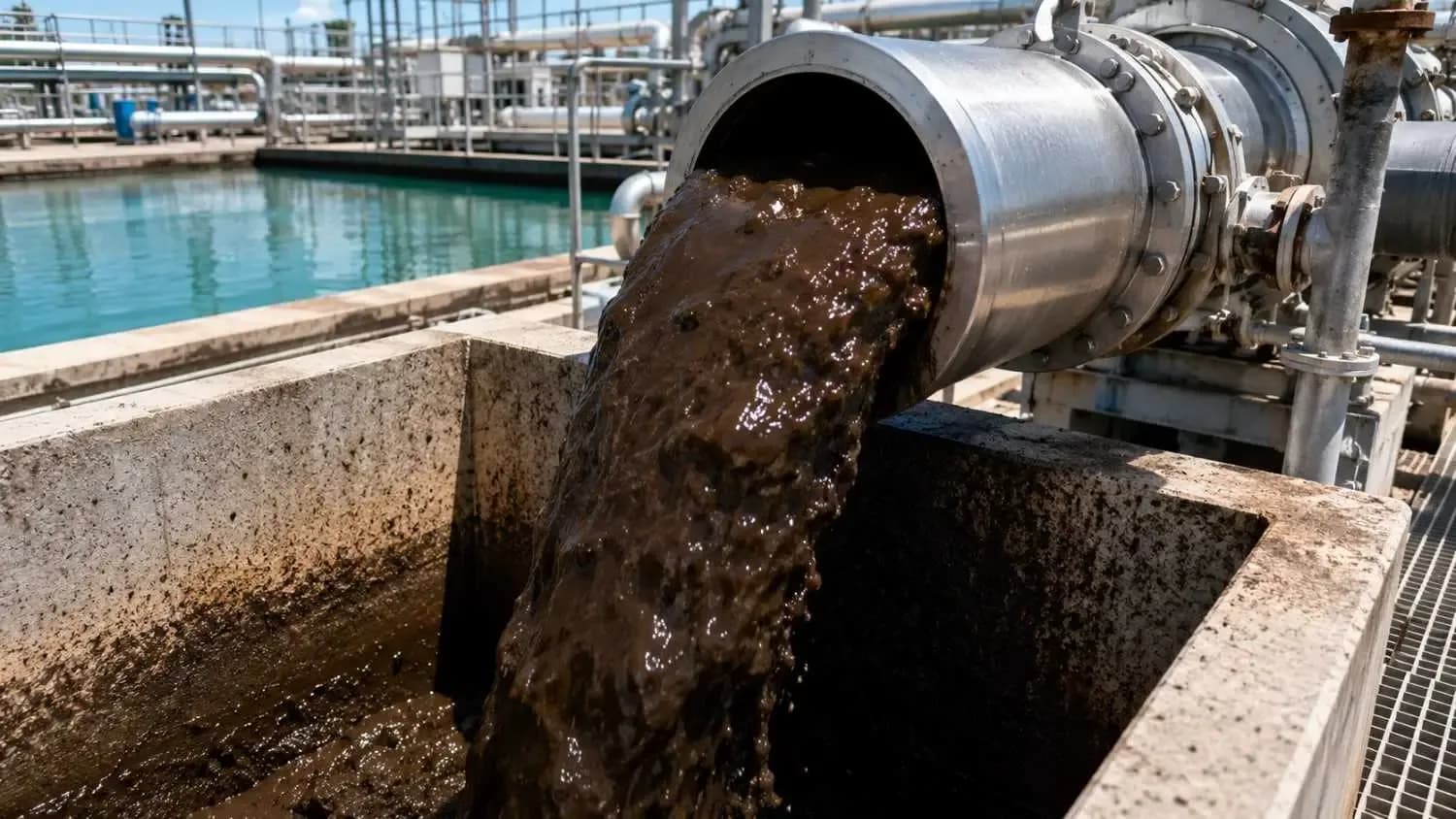
In Texas, biosolids land application permits come from TCEQ under 30 TAC Chapter 312. Class B biosolids need a permit before they go on any field. Class A and Class AB material needs a notification or a registration, and most haulers need a transporter registration. The rules read as limits, but most of what they ask for is paperwork: sampling on schedule, metals tracked per field, every field covered by the authorization and reports filed on time.
Do you need a permit, a registration or a notification?
It depends on the pathogen class and, for Class A or AB, on the metals, PCB and vector attraction results.
- Permit: land applying Class B biosolids, or processing, storing, disposing of or incinerating sludge or biosolids (§312.11).
- Notification: Class A or AB biosolids that meet the metals, PCB, pathogen and vector attraction criteria in 30 TAC §312.4, filed at least 30 days before first use, with an annual report.
- Registration: Class A or AB biosolids that miss those criteria, plus domestic septage and water treatment residuals.
Nobody land applies without TCEQ's prior written authorization (§312.4(d)), and the exclusions in Chapter 312 include none for plant size. A small plant that lets a neighbor spread digested sludge on a pasture is land applying.
What goes into a Class B permit application?
Site, soil, groundwater, insurance and nutrient information on top of the standard application.
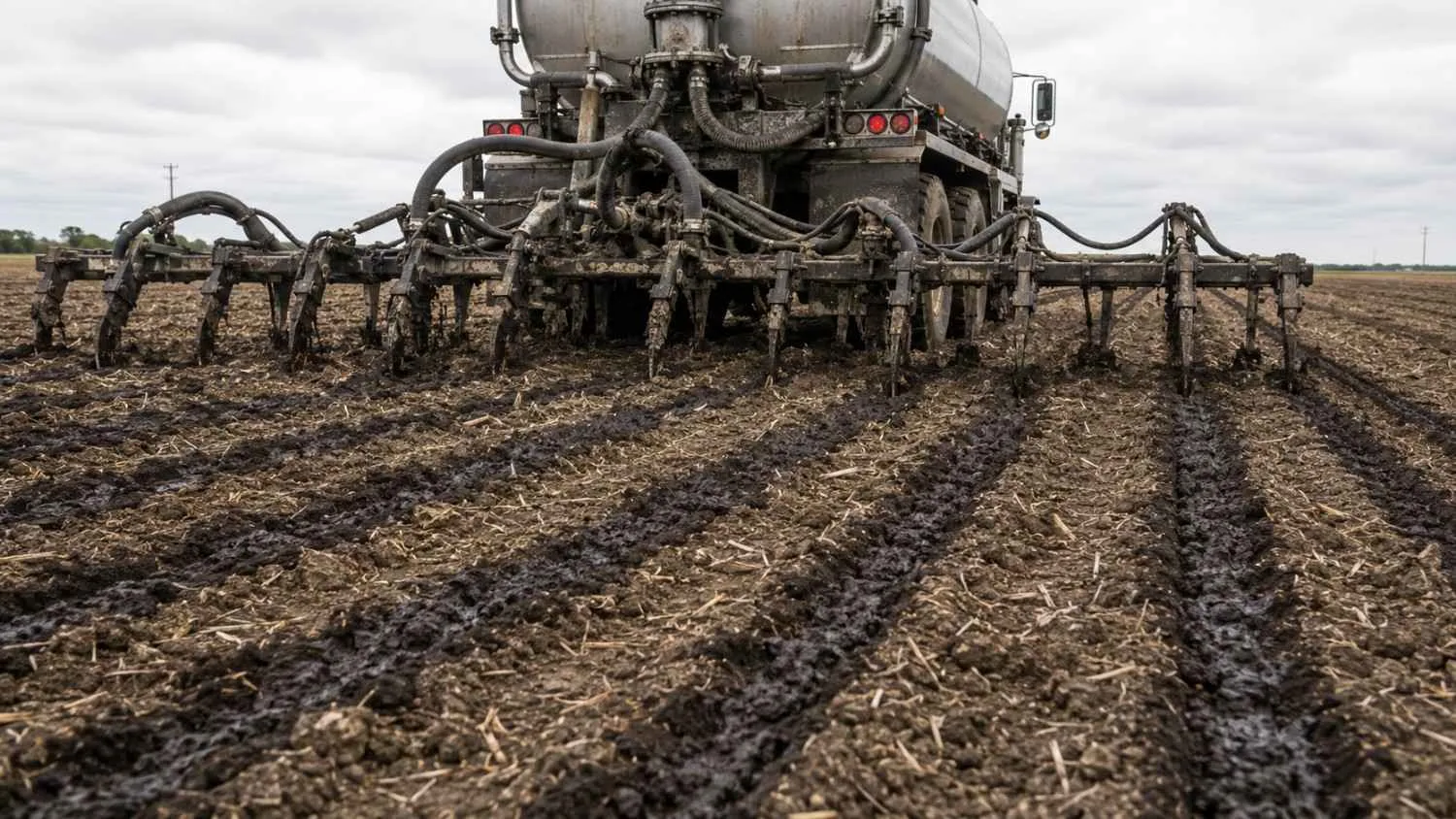
30 TAC §312.11 asks for a site map with landowners within a quarter mile, background soil sampling, groundwater and surface water information, a nutrient management plan under NRCS Practice Standard Code 590, and liability and environmental impairment insurance under the Chapter 37 financial assurance rules (political subdivisions excepted). For biosolids generated in Texas, the applicant is the site operator, and the permit caps the quantity applied.
What is the difference between Class A, Class AB and Class B biosolids?
The class says how far pathogens were reduced. Class A is the least restricted; Class B carries harvest, grazing and access restrictions.
Under 30 TAC §312.82, Class A and AB both need fecal coliform below 1,000 MPN per gram of total solids or Salmonella below 3 MPN per 4 grams. Class A then needs a time and temperature process or a listed process such as composting or heat drying. Class AB uses a pH and temperature treatment or virus and helminth ova testing. Class B needs fecal coliform below 2,000,000 MPN per gram (geometric mean of seven samples) or a process such as aerobic or anaerobic digestion or lime stabilization. Class B fields then carry these restrictions:
- Food crops harvested above ground that touch the biosolids and soil mixture: 14 months.
- Food crops harvested below ground: 20 months, or 38 if the biosolids sat on the surface less than four months before incorporation.
- Other food, feed and fiber crops: 30 days. Grazing: 30 days.
- Public access: one year on high exposure land, 30 days on low.
What site rules apply on the field?
Buffer zones, slope, groundwater depth and weather limits, plus an agronomic application rate.
For bulk biosolids that are not Class A, 30 TAC §312.44 sets buffers including 150 feet from a private well, 500 feet from a public water supply well or intake, and 750 feet from a school, business or occupied residence. No application in rain or on saturated soil, and none on slopes over 8 percent unless TCEQ approves one case by case. Class AB and Class B fields need a roadside sign from three days before application until 14 days after it begins.
Do you have to track cumulative metals on every field?
Not always. Cumulative loading limits bind when bulk biosolids exceed the metal concentrations in Table 3 of §312.43, but a Class B permittee reports the cumulative metals applied to each field every quarter (§312.48). Every load must stay under the Table 1 ceiling concentrations.
When cumulative rates apply, the applier tracks kilograms of each metal per field and keeps those records indefinitely. The Texas values differ from the federal tables: TCEQ's Class B permit application (form TCEQ-10451) lists cumulative limits for nine metals, chromium among them, and only a ceiling limit plus monitoring for molybdenum. Lost field records cannot be rebuilt, and without them nobody can show a field is under its limit.
What sampling, records and reports does TCEQ expect?
Sampling set by tonnage, five years of records for most items, and an annual report due September 30. Class B permittees also report quarterly.
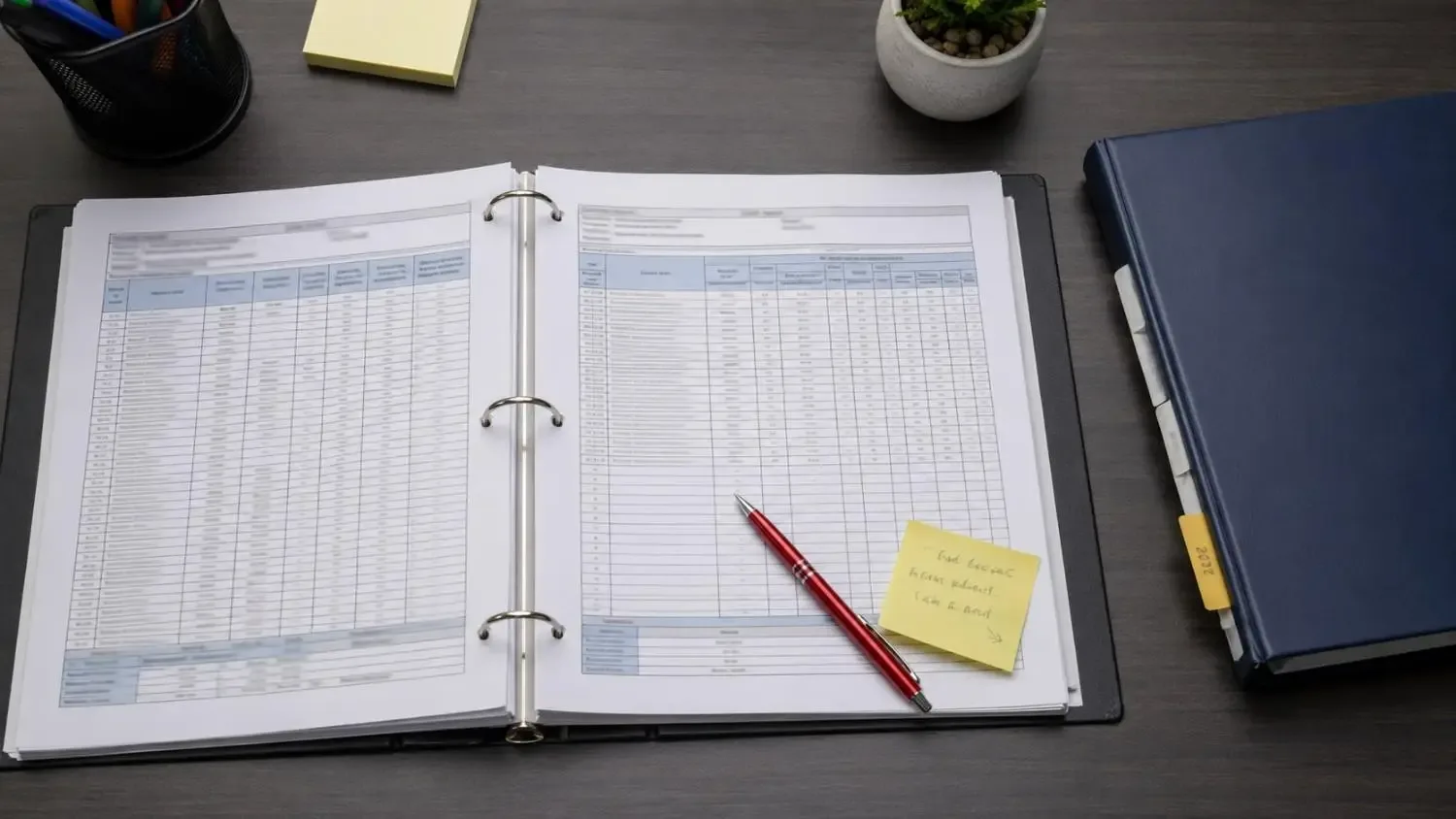
Section 312.46 sets sampling frequency by the yearly amount of biosolids in its Table 5. Even a reduced schedule is at least once a year. Most records are kept five years under 30 TAC §312.47. The annual report covers September 1 through August 31 (§312.48). Class B quarterly reports are due December 15, March 15, June 15 and September 15, and TCEQ's Class B reporting page asks for one even when nothing was applied. Permittees report noncompliance within 24 hours, and in writing within five working days.
How do Chapter 312 fees work?
Each permit and registration pays an annual fee based on the weight of solids reported for the year, with a minimum fee even for an inactive site. The rates are in 30 TAC §312.9.
The fee year matches the report year, and not reporting does not avoid the fee. Transporters pay by volume hauled. A Class B permit application, new or renewal, carries a fee tiered by the quantity to be applied each year. A bill left unpaid 30 days can be grounds to revoke the authorization.
Who is responsible when a contractor hauls and applies the biosolids?
Each party carries its own duties, and the paperwork has to connect them.
The plant gives the land applier notice and the information needed to comply, and the applier does the same for the landowner (§312.42). Haulers need a TCEQ transporter registration (§312.142) unless they carry only Class A biosolids approved for marketing and distribution, and they fill out a trip ticket for each load under 30 TAC §312.145. The generator gets one part of the ticket at pickup and a completed copy within 15 days after delivery. For utilities and municipalities that contract this work out, the weak point is a contractor change, when field records can leave with the old contractor.
What mistakes cause biosolids compliance problems?
Mostly paperwork that does not match the work:
- Applying to a field the authorization does not cover.
- Sampling on last year's schedule after tonnage moved up a tier.
- Losing cumulative metals records when a contractor changes.
- Missing an annual report or a "no activity" quarterly report.
- Hauling with an unregistered transporter or without trip tickets.
- Letting fees go unpaid.
Is your biosolids program ready for an inspection?
If every answer below is yes with a document in hand, you pass. Any no is where to start.
- Does a current authorization cover every field that received material this year?
- Does your sampling count match the frequency for this year's tonnage?
- Under a Class B permit, do you have cumulative metals records for each field?
- Were the annual report and any quarterly reports filed on time?
- Is every hauler registered, with a signed trip ticket for every load?
- Are annual fees paid?
Questions for your engineer or contract operator: Which tier does next year's tonnage put us in? Who holds the field records if we change contractors?
A note on limits: this is general education on Chapter 312 as it reads in October 2026, not a review of your permit. Your permit and TCEQ staff decide what applies to your site.
Frequently asked questions
Does a small package plant need a biosolids permit in Texas?
If its biosolids are land applied as Class B, that land application needs a permit held by the application site's operator. If a registered transporter takes the sludge to another permitted facility instead, your plant is not land applying, but the trip ticket rules still cover every load.
How long do biosolids records have to be kept in Texas?
Five years for most records. Field records behind cumulative metals loading are kept indefinitely.
I manage a small Texas utility, and our new hauling contractor says the last contractor kept all the field records. What should I do before the next application?
Get the records back before anything goes on those fields. Filed Class B quarterly reports include cumulative metals and may hold part of the history. If a field's history cannot be shown, talk to your engineer and TCEQ before applying there.
I'm a Texas developer with a private package plant, and a farmer nearby wants our digested sludge for his pasture. Can we just let him haul it?
Not informally. Unless the sludge meets Class A or AB, spreading it is Class B land application, and it must first meet the Class B pathogen standard. It needs a permit held by the site operator, a registered transporter, buffers, signs and 30 days without grazing after each application.
Related resources
- Biosolids Land Application from Private Wastewater Treatment Facilities in Texas
- Ongoing Compliance After Permit Approval: What a Developer-Operator Needs to Track
- Municipal TPDES Individual Permits: What Texas Cities and Utility Providers Need to Know
- Self Reporting Violations and TCEQ Enforcement Discretion: How Voluntary Disclosure Changes the Outcome of a Permit Exceedance
Facing a biosolids records gap before your next TCEQ inspection?
MES works the engineering side of a biosolids program: the solids treatment process, the sampling plan and the permit paperwork that has to match them. We tell you plainly what to fix first.
We specialize in: wastewater treatment plant design and upgrades, package plant design, TCEQ wastewater permitting, biosolids permit and sampling program review, construction administration
Modern Engineering Solutions, McKinney, Texas. Contact: (214) 833-6748 or contact our team.
Keep reading
More to read.
Talk to an engineer
Tell us about your project.
An engineer reads it
Not a salesperson. Someone who can tell you whether the pathway is real.
You get a first answer
Your options, the agencies involved and the questions that decide cost and schedule.
You decide
No commitment to have the first call.
Prefer the phone? (214) 833-6748