
Texas Wastewater Pretreatment Permits: What Industrial Facilities Discharging to a POTW Must Know
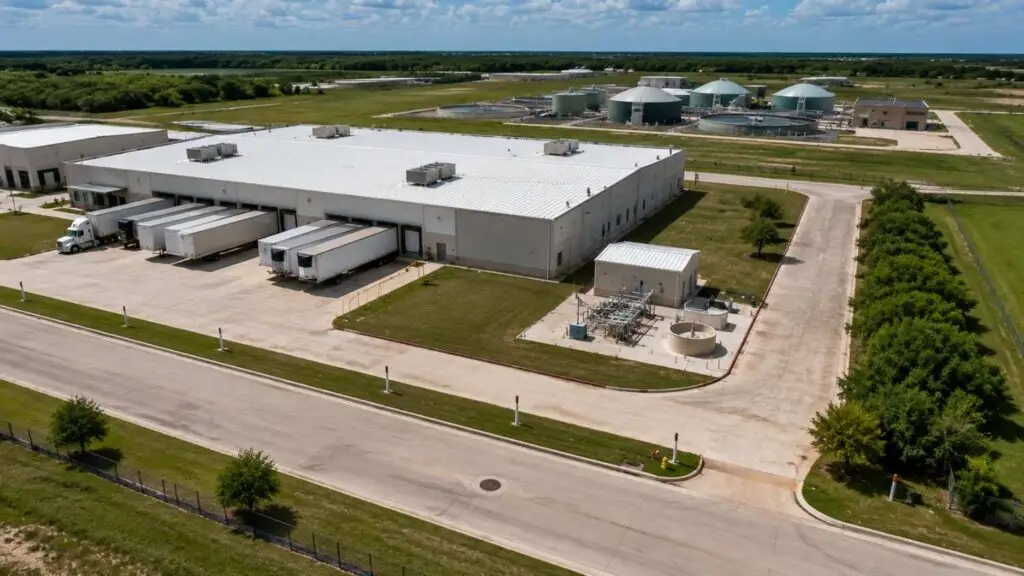
Signing a lease near city sewer service and assuming the wastewater problem is solved is one of the most common and most expensive mistakes industrial facilities and food processors make in Texas. The city connection resolves the physical routing of the wastewater. It does not automatically resolve what the wastewater contains, what the city will accept, or what the facility must do before anything reaches the city’s collection system.
Texas Land Application Permits Explained: Spray Irrigation, Subsurface Drip, and Evaporation Ponds
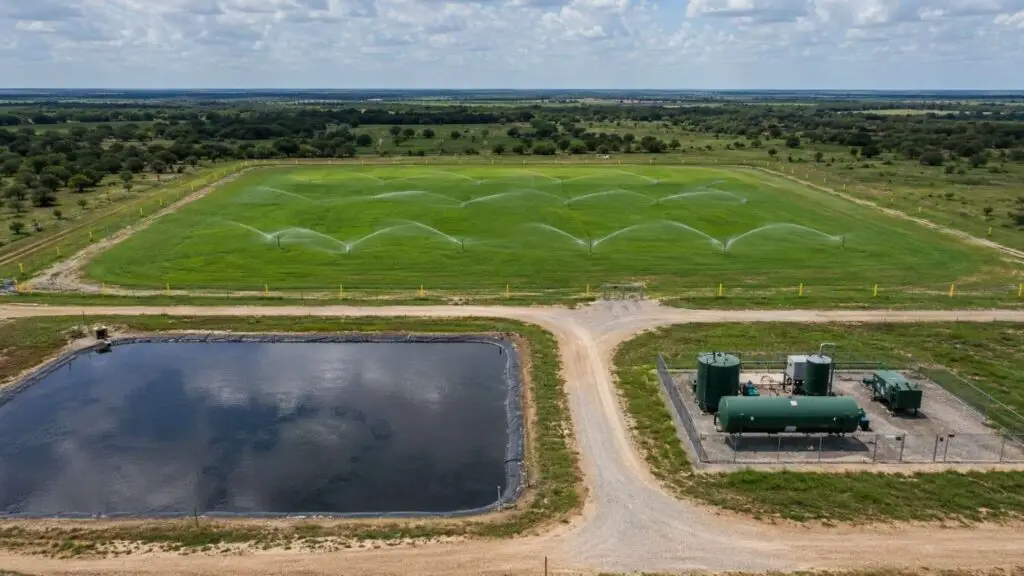
Not every Texas site has a creek nearby. Not every project can support a receiving water analysis. And not every developer wants to spend 24 to 36 months in TCEQ’s discharge permit queue. A Texas Land Application Permit offers a different path: one that keeps treated effluent on the land, avoids surface water discharge, and bypasses the receiving water review that drives discharge permit timelines. But TLAP is not a single solution. It is a family of methods, each with specific site requirements, engineering constraints, and operational realities that must be matched to the project before engineering begins.
Sewage Sludge and Biosolids Land Application Permits in Texas: Rules, Fees, and Common Mistakes
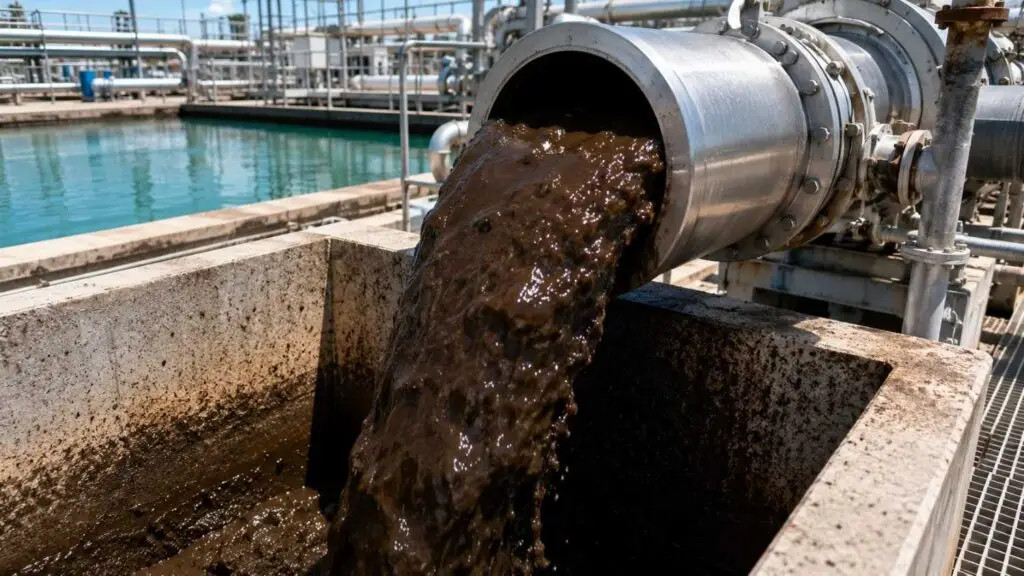
Most municipal wastewater treatment plant operators in Texas have a solid handle on their discharge limits, effluent sampling schedules, and monthly reporting to TCEQ. The part of the compliance picture that consistently has gaps is the back end of the treatment process: what happens to the sludge after it leaves the digester, where the biosolids go, who tracks the application records, and whether the permit authorizing all of it is current and complete.