Modern Engineering Solutions

Water Engineering
For Florida Land Development

Florida water engineering means distribution systems withstanding Category 4 hurricanes, treatment plants removing naturally occurring radium from Floridan Aquifer sources, and supply planning in areas where saltwater intrusion threatens coastal wellfields. From Tampa Bay region growth to Villages retirement expansion, our systems function in Florida’s unique hydrogeology, hurricane exposure, and Southwest Florida Water Management District regulatory framework.

Engineering Built for Outcomes, Not Overhead

Florida water projects fail when engineers apply distribution design standards from other states to a regulatory and hydrogeological environment where high water tables, FDEP drinking water permitting, and hurricane resilience requirements create conditions that generic approaches miss entirely.

Value Over
Hours

We price Florida water engagements around confirmed outcomes: FDEP construction permits approved, distribution systems sized for Florida’s peak demand patterns, and storage designed for hurricane emergency conditions rather than standard operational reserves that leave developments vulnerable during extended power outages.

Speed as a Design Constraint 

FDEP drinking water permit timelines and utility service confirmation affect when Florida developers can commit to builder presales. We treat both as schedule inputs from the first project meeting rather than parallel processes that create surprises when they don’t align with construction timelines.

Deep Work, Not Meeting Culture

High water table pipe buoyancy requirements, hurricane emergency storage calculations, and FDEP technical criteria get resolved through engineering before applications are filed. Reviewers receive complete packages because Florida-specific water system problems were solved before submission.

AI as Leverage, Not a Shortcut

AI handles FDEP documentation and hydraulic calculation formatting so licensed Florida PEs focus on distribution design, pressure zone coordination, and hurricane resilience planning across South Florida, Central Florida, and the Panhandle. Every technical decision is made and stamped by a professional engineer.

What We Do

Modern Engineering Solutions delivers water engineering for Florida land development including supply evaluation, treatment planning, FDEP permitting, and distribution system design statewide.
Source water quality in Florida varies dramatically between Floridan Aquifer withdrawals containing naturally occurring radionuclides like radium-226 and uranium requiring removal, surface water from lakes or rivers needing filtration and disinfection, and brackish coastal sources demanding reverse osmosis desalination. Groundwater throughout central counties often contains elevated total dissolved solids, hardness exceeding 300 mg/L as calcium carbonate, and hydrogen sulfide creating taste and odor complaints.

Tampa Bay area relies increasingly on desalination because traditional groundwater sources approach maximum sustainable yield creating supply constraints. Villages retirement community north of Orlando exemplifies large-scale development requiring treatment capacity expanding with phased absorption. Hurricane resilience becomes critical because Category 4 wind loads and storm surge flooding destroy inadequately designed facilities. Treatment costs get evaluated against Florida’s year-round development pace allowing continuous construction unlike seasonal northern markets.
Public Water System permits from FDEP require demonstrating treatment meets primary and secondary drinking water standards, adequate source capacity exists for projected demand, and distribution system provides sufficient pressure and fire flow. Consumptive Use Permits from Water Management Districts authorize groundwater withdrawals after evaluating impacts on wetlands, lakes, and existing legal users. South Florida, Southwest Florida, St. Johns River, Suwannee River, and Northwest Florida Water Management Districts each apply different criteria for permit approval.

Projects in Water Resource Caution Areas like Tampa Bay face stricter scrutiny because groundwater depletion already affects surface water features. Alternative water supply projects using reclaimed water, stormwater, or desalination receive expedited permitting and potential funding. Complete applications including aquifer testing, water quality analysis, and demand projections receive FDEP approval in 14-18 weeks. Missing hydrogeological data extends permitting to 30-38 weeks.
Plans for Florida water systems specify corrosion-resistant materials surviving coastal salt spray and aggressive groundwater chemistry, hurricane-rated equipment anchoring surviving 140 MPH winds, and installation procedures preventing pipe flotation in shallow water table conditions. Treatment facility structures use reinforced concrete construction meeting current wind load codes. Electrical systems elevate control panels above flood zones.

Distribution system details show dewatering methods for trenching through saturated soils where water tables sit 18-24 inches below grade. Water main specifications address external corrosion from acidic groundwater common in Florida geology. Valve vault designs include drainage because structures below water table experience constant groundwater intrusion. Storage tank anchorage prevents overturning from hurricane winds. Wet season construction protocols address daily afternoon thunderstorms during summer months. Plans coordinate with Consumptive Use Permit withdrawal rates and FDEP treatment requirements.
Water main networks in Florida accommodate flat terrain providing minimal pressure from elevation, high external groundwater pressure requiring robust pipe materials, and hurricane scenarios testing system survival during extended power outages. Most developments have terrain slopes under 1% requiring careful hydraulic analysis. Pipe materials resist external corrosion from acidic groundwater and internal corrosion from aggressive water chemistry.

Installation through water-saturated soils needs dewatering and controlled backfill preventing flotation. Valve placement considers flooding because below-grade vaults in high water table areas require constant pumping for access. Fire flow requirements often exceed available supply in water-constrained regions requiring storage or pressure boosting. Many developments connect to existing utilities like Orlando Utilities Commission, JEA in Jacksonville, or Tampa Water Department rather than developing independent sources. Provider coordination begins during planning because connection capacity often controls development density.
System models account for Florida’s flat topography providing minimal natural pressure, water age concerns in flat distribution networks where low velocities allow extended retention times, and hurricane emergency scenarios testing backup power adequacy. Low terrain gradients create challenges maintaining minimum velocities preventing water quality degradation during low-demand periods. Water temperature analysis addresses bacterial regrowth because year-round warm conditions accelerate chlorine decay.

Seasonal population modeling captures winter tourist peaks in Southwest Florida beach communities or summer family vacation surges in Orlando theme park areas. Hurricane scenarios test whether storage provides adequate supply during power outages when pumping stops. Fire flow modeling verifies adequate pressure during peak demand coinciding with emergency events. Models support both FDEP permit applications and Water Management District Consumptive Use Permits by demonstrating system adequacy under various operating conditions including emergency scenarios.
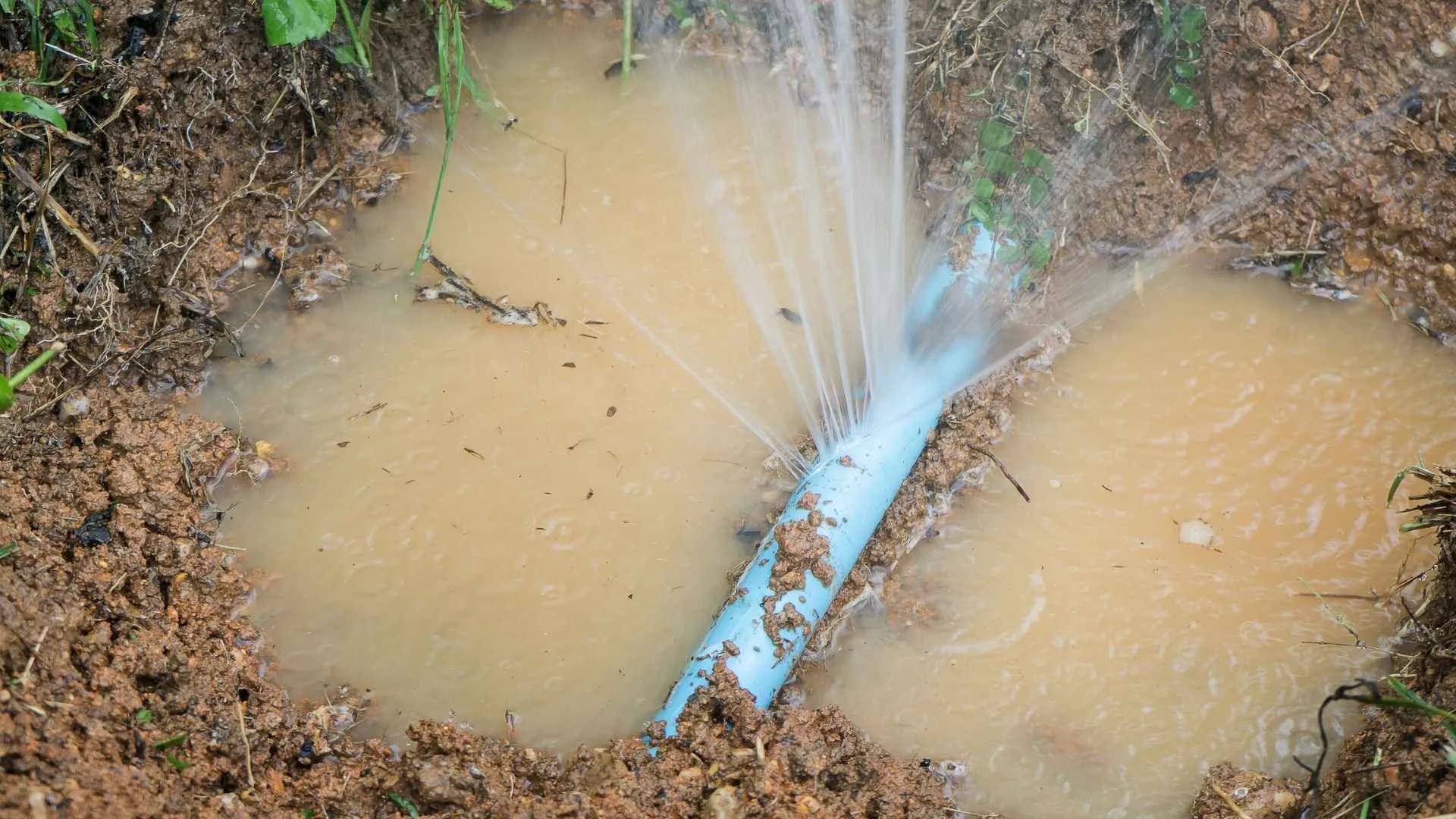
Detecting and repairing leaks becomes critical in Florida where Water Management Districts increasingly scrutinize water loss because supplies approach maximum sustainable yield in many regions. Real losses from main breaks and leaks represent water withdrawn from aquifers but never delivered to customers. Apparent losses from meter inaccuracy mean water pumped and treated but not billed. Acoustic leak detection, pressure monitoring, and meter testing identify problem areas.

Aging systems in St. Petersburg, Fort Lauderdale, or Pensacola areas with infrastructure installed decades ago experience significant losses. High water table conditions make leak detection challenging because saturated ground masks acoustic signatures. Water Management Districts can deny permit renewals or expansions when utilities demonstrate poor loss control. Aggressive leak repair programs free supply capacity for growth without requiring additional groundwater withdrawals in water-stressed areas.
Pumping facilities throughout Florida require watertight construction resisting groundwater intrusion, hurricane-resistant buildings surviving wind loads and flooding, and backup power providing multi-day operation during extended utility outages. Variable frequency drives improve efficiency across demand ranges. Equipment rooms need dehumidification because humid conditions accelerate corrosion and electrical component degradation. Pump selection accounts for warm water temperatures year-round.

Control systems elevate above flood zones or include waterproof enclosures. Generator fuel storage prevents saltwater contamination during storm surge. Telemetry allows remote monitoring during hurricane evacuations. Odor control addresses complaints because warm conditions volatilize taste and odor compounds from groundwater sources. Stations in coastal counties need enhanced flood protection because storm surge exceeds base flood elevations during major hurricanes. Year-round warm humid conditions require robust corrosion protection for all exposed metal components and electrical equipment.
Pressure control in Florida addresses occasional elevation changes in central ridge counties, thermal expansion pressure variations from daily temperature swings, and groundwater flooding of below-grade structures. PRV sizing accounts for seasonal demand variations in tourist-dependent communities. Vault construction requires watertight design because structures below water table flood continuously without robust waterproofing and drainage.

Controls maintain steady downstream pressure as demand fluctuates. Redundant valve configurations allow maintenance without system shutdown. Vault access considers flooding because pumping may be necessary before entry. Material specifications address corrosion from humid conditions. Installation in areas with shallow limestone bedrock sometimes limits depth options requiring careful hydraulic design. Vaults locate for reasonable maintenance access during wet season when afternoon thunderstorms create standing water. Proper pressure control prevents main breaks from excessive pressure and extends component service life.
Storage facilities in Florida need hurricane-resistant construction surviving 140 MPH sustained winds, foundation designs accounting for limestone or sandy soils, and water quality protection preventing excessive temperatures promoting bacterial growth. Steel or concrete tanks meet AWWA standards with coatings resisting warm humid conditions. Mixing systems prevent thermal stratification and water quality degradation.

Tank sizing accounts for fire reserves, emergency storage during power outages, and seasonal demand patterns. Elevated tanks require robust wind load design. Ground storage needs hurricane anchoring preventing flotation from storm surge. Rehabilitation addresses coating failures from warm temperatures and high humidity. Interior access occurs during cooler months when draining doesn’t create emergency shortages. Older tanks may need seismic retrofitting in limited areas with earthquake potential. Coastal installations need corrosion protection from salt spray. Proper tank design maintains water quality during Florida’s year-round warm conditions.

Our Approach

Florida water engineering starts with service territory confirmed, high water table conditions understood, and FDEP requirements established before distribution design opens. That sequence prevents the feasibility problems that surface after land closes when hydrogeological or regulatory constraints haven’t been answered first.

Service Confirmed First

Water service territory and provider capacity get confirmed before distribution design begins. South Florida’s complex utility district landscape, Central Florida’s regional utility providers, and Panhandle’s municipal water systems each present different service confirmation processes. Developers learn what service is available and under what conditions before engineering commitments are made.

Hydraulic Modeling for Florida

Distribution mains get sized using peak day demand calculations that reflect Florida’s outdoor irrigation patterns, hurricane emergency demand scenarios, and fire flow standards for your development’s density. High water table conditions affect pipe buoyancy design requirements that hydraulic models calibrated for other states don’t incorporate.

FDEP Permit Assembly

Water system permits reach FDEP with hydraulic analysis, fire flow documentation, storage calculations, and service confirmation assembled as one complete package. Applications get structured around FDEP’s specific drinking water permit criteria rather than generic submittals that generate information requests extending timelines.

Startup Through Certification

Pressure testing, disinfection, and bacteriological sampling get coordinated with Florida contractors so FDEP certification documentation is complete before lots need to close. Startup milestones align with lot release schedules so certificates of occupancy issue when construction finishes rather than waiting on documentation assembly.

Projects

Modern Engineering Solutions delivers water and wastewater engineering across diverse regulatory environments, demonstrating efficient permitting and site-specific design expertise.

Why Choose Modern Engineering Solutions

Why Choose MES

1

Supply Confirmed, Not Assumed

Water service confirmation in Florida means written commitment from the serving utility, not verbal assurance. South Florida's dense utility district landscape, Central Florida's regional providers, and Panhandle municipal systems each have different capacity reservation processes that written confirmation navigates before design investment is made.

2

FDEP Permits Clear Fast

FDEP drinking water permit packages include hydraulic analysis, fire flow documentation, storage calculations, and service confirmation assembled before first submission. Developers working with us don't discover a permit timeline extended by months because the original application left technical questions open for information request cycles.

3

Storage Sized for Florida

Tank sizing accounts for Florida's peak irrigation demand, fire flow reserve, and hurricane emergency storage that extended power outages require. Developments that size storage for standard operational conditions discover during the first hurricane season that emergency reserves weren't adequate when grid power restoration takes days rather than hours.

4

Civil and Water Coordinated

Distribution main routes get established with grading plans, wastewater alignments, and high water table conditions already coordinated. Pipe buoyancy requirements and utility corridor conflicts get resolved during design rather than during construction when re-excavation under Florida's groundwater conditions costs change orders.

Frequently Asked Questions

Water treatment planning and FDEP distribution permitting for a South Florida subdivision need to advance together. Treatment planning determines water source, treatment requirements, and system capacity. The FDEP permit documents that the proposed distribution system meets Florida’s drinking water standards for pressure, fire flow, and storage.

South Florida water permitting involves coordination with FDEP’s South District drinking water program and the serving utility’s specific connection requirements. Miami-Dade, Broward, and Palm Beach county utility systems each apply different connection standards and capacity reservation processes that affect how permit applications get structured.

MES handles water treatment planning coordinated with FDEP distribution permit requirements for South Florida land developers, structuring applications around South Florida’s hydrogeological conditions and district-specific utility standards.

Distribution design and hydraulic modeling for a Hillsborough County development require familiarity with Tampa Bay Water regional supply system dynamics, Hillsborough County’s utility standards, and the flat terrain conditions that affect pressure zone design across the Tampa Bay area.

Hillsborough County water engineering involves:

  • Hydraulic modeling reflecting Tampa Bay area peak day demand patterns including Florida’s outdoor irrigation season that drives consumption significantly above annual averages
  • Pressure zone design for Hillsborough County’s relatively flat terrain where elevation differences are minimal but pressure management still affects service quality at system extremities
  • High water table pipe buoyancy calculations for distribution mains installed in areas where seasonal groundwater rises above pipe crown elevations
  • Fire flow analysis meeting Hillsborough County Fire Rescue requirements that affect pipe sizing and hydrant spacing throughout the development

MES provides distribution design and hydraulic modeling for Hillsborough County developments coordinated with civil grading and wastewater design simultaneously.

FDEP drinking water construction permits for Florida distribution systems typically take 30-60 days for complete applications. Incomplete applications generate information requests that extend this timeline significantly.

A complete FDEP distribution permit application includes:

  • Hydraulic analysis demonstrating pressure and fire flow compliance under peak demand conditions
  • Storage calculations showing adequate volume for peak day demand, fire flow reserve, and hurricane emergency storage
  • Service confirmation from the water supply source or serving utility
  • Construction drawings meeting FDEP standards for pipe materials and installation
  • High water table buoyancy analysis where seasonal groundwater elevations affect pipe installation

MES assembles complete FDEP permit packages before first submission so baseline review timelines reflect actual agency processing rather than information request cycles.

Water losses analysis evaluates the difference between water entering a distribution system and water reaching end users. In Florida, water losses analysis matters for land development because aging distribution systems in established South Florida and Central Florida communities have documented loss rates from pipe corrosion and joint deterioration that high water table conditions accelerate.

Florida-specific water losses considerations for land developments include:

  • High water table conditions accelerate corrosion in older unlined distribution mains, creating loss rates in established Florida systems that newer systems in drier states don’t experience
  • Florida utilities with high loss rates may have less effective supply capacity than gross supply figures suggest, affecting whether additional development connections are feasible without system rehabilitation
  • Some Florida utilities require developers connecting to high-loss systems to contribute to main replacement programs as a service condition

MES evaluates water losses analysis requirements during Florida water due diligence before design investment is committed.

Florida residential water storage requirements combine standard operational components with hurricane emergency provisions that most other states don’t require.

Standard storage components include:

  • Peak day storage sized for Florida’s outdoor irrigation season when consumption exceeds annual averages significantly
  • Fire flow reserve calculated as required fire flow rate multiplied by required duration
  • Operational storage for pressure equalization and system emergency reserve

Hurricane emergency storage adds requirements specific to Florida:

  • Extended emergency reserve accounting for power outages that Florida hurricanes create, where grid restoration can take days to weeks in severely affected areas
  • FDEP and utility standards in hurricane-prone Florida counties increasingly require storage that maintains minimum service pressure for 72 hours without grid power when emergency generators aren’t available
  • South Florida developments near the coast face more stringent hurricane storage requirements than Panhandle or Central Florida developments based on historical hurricane impact patterns

MES calculates Florida storage requirements incorporating hurricane emergency provisions so storage systems serve residents during post-storm periods when water service continuity matters most.

A booster pump station increases distribution pressure in zones where existing supply pressure can’t deliver adequate service. Florida’s flat terrain means booster stations are less common here than in mountainous states, but specific Florida conditions still create booster station requirements.

Florida situations requiring booster stations include:

  • Large South Florida developments where distribution main length from the primary supply point creates pressure drops at system extremities under peak demand and fire flow conditions
  • Central Florida developments at slightly elevated terrain relative to the regional water system’s pressure zone
  • Developments connecting to older Florida transmission mains where system pressure has declined as aging infrastructure reduces hydraulic capacity

Florida-specific booster station design considerations include emergency power provisions that FDEP and Florida utilities require given hurricane vulnerability, and high water table buoyancy design for pump station wet wells and underground vaults. MES designs Florida booster stations sized for full buildout demand with hurricane emergency power provisions incorporated from initial design.

A pressure reducing vault lowers distribution pressure from a higher supply zone to a lower service zone, protecting pipes and meters from excessive pressure. Florida developments need pressure reducing vaults when connecting to transmission mains or regional supply systems that operate at pressures exceeding safe residential distribution limits.

Florida-specific pressure reducing vault design involves high water table buoyancy considerations for below-grade vault construction that drier states’ vaults don’t require. Seasonal groundwater rise above vault floor elevations creates hydrostatic uplift that vault structural design must resist.

MES includes pressure reducing vault design as part of Florida distribution system engineering, coordinating vault locations with high water table conditions and civil grading so installations account for Florida’s groundwater environment from initial design.

Water tank design covers engineering of new storage tanks for Florida distribution systems. Tank rehabilitation covers repairs and coating replacement for existing tanks reaching end of service life in Florida’s corrosive coastal and high-humidity environment.

New tank design becomes relevant when developments construct independent water systems, when serving utilities require developer-funded storage expansion as a service condition, or when existing system storage doesn’t meet hurricane emergency reserve requirements for new development phases.

Florida-specific tank considerations include:

  • Coastal corrosion environment that affects exterior coating specifications and structural material selection differently than inland states
  • Hurricane wind load design requirements that Florida’s coastal exposure zones impose beyond standard tank structural design
  • Foundation design accounting for Florida’s high water table and variable soil conditions including loose sands and organic soils common in South and Central Florida

MES sizes Florida water tanks incorporating hurricane emergency storage provisions and designs for Florida’s coastal environment rather than applying inland standard specifications that don’t account for Florida’s exposure conditions.

Construction drawings for a Florida water distribution system typically include:

  • Plan and profile sheets showing main alignments, pipe sizes, and depths with high water table buoyancy notes and Florida soil corrosivity pipe material specifications
  • Service lateral detail sheets meeting the serving utility’s construction standards
  • Hydrant location plans meeting Florida fire authority requirements
  • Booster station plan and detail sheets with hurricane emergency power provisions
  • Pressure reducing vault detail sheets with buoyancy design for high water table conditions
  • Water tank plan and detail sheets with Florida coastal corrosion and hurricane wind load specifications

MES produces Florida water distribution construction drawings satisfying both FDEP permit conditions and serving utility construction standards simultaneously.

FDEP administers drinking water construction permits through district offices that apply the same state standards with regional emphasis reflecting Florida’s varied hydrogeological conditions.

FDEP district office differences affecting water permit applications include:

  • South District covering South Florida applies standards that reflect Miami-Dade, Broward, and Palm Beach counties’ high water table conditions and dense utility district landscape
  • Central District covering Orlando and Tampa areas applies standards reflecting Central Florida’s karst geology and Tampa Bay regional water supply system dynamics
  • Northwest District covering the Panhandle applies standards reflecting the region’s different hydrogeological conditions and less complex utility service territory landscape

Complete FDEP applications to any district office typically take 30-60 days. MES structures applications around the specific district office criteria rather than applying South Florida standards to Central Florida projects or vice versa.

Insufficient capacity from the serving Florida utility is a feasibility issue requiring resolution before design investment, not a permitting obstacle to work around after land closes.

Options when serving utility capacity is insufficient include:

  • Alternative provider where adjacent service territories exist, particularly relevant in South Florida’s dense utility district landscape where multiple providers sometimes serve adjacent areas
  • Reclaimed water integration reducing potable demand by using Florida’s developed reclaimed water infrastructure for irrigation and other non-potable uses
  • Utility capacity expansion participation where developers fund infrastructure improvements as a service condition, common in high-growth Central Florida areas where utility expansion lags development absorption
  • Development timing adjustment where planned utility expansions have known completion timelines that make phasing adjustments feasible

MES evaluates supply constraints and alternatives during Florida water due diligence before land acquisition rather than after design investment has been made.

Florida water engineering differs from Texas and Arizona in ways that affect design standards, construction costs, and permit requirements.

Compared to Texas:

  • Florida’s high water table creates pipe buoyancy design requirements and foundation considerations for tanks and pump stations that Texas developments in most regions don’t face
  • Florida’s hurricane emergency storage requirements add storage volume beyond what Texas operational reserve calculations produce
  • Florida’s coastal corrosion environment affects pipe material and tank coating specifications that Texas inland developments don’t require

Compared to Arizona:

  • Florida lacks Arizona’s ADWR Certificate of Assured Water Supply requirement, replacing it with FDEP drinking water construction permits and utility service confirmation processes
  • Florida’s high water table creates buoyancy design requirements that Arizona’s desert subsurface conditions don’t produce
  • Florida’s hurricane resilience requirements create storage and emergency power design obligations that Arizona’s desert heat events don’t impose at the same regulatory level

MES applies Florida-specific high water table design standards, hurricane resilience requirements, and FDEP permitting criteria rather than approaches from other states that don’t match Florida’s hydrogeological and coastal environment.

Talk to an Engineer

Florida water projects need Consumptive Use Permits, FDEP approvals, and hurricane-resistant design. We’ll review your site specifics and outline supply availability and regulatory requirements in a 15-minute call.