
Colorado Water Rights and Discharge Permits: Integrating Water Rights into Wastewater Permitting Strategy
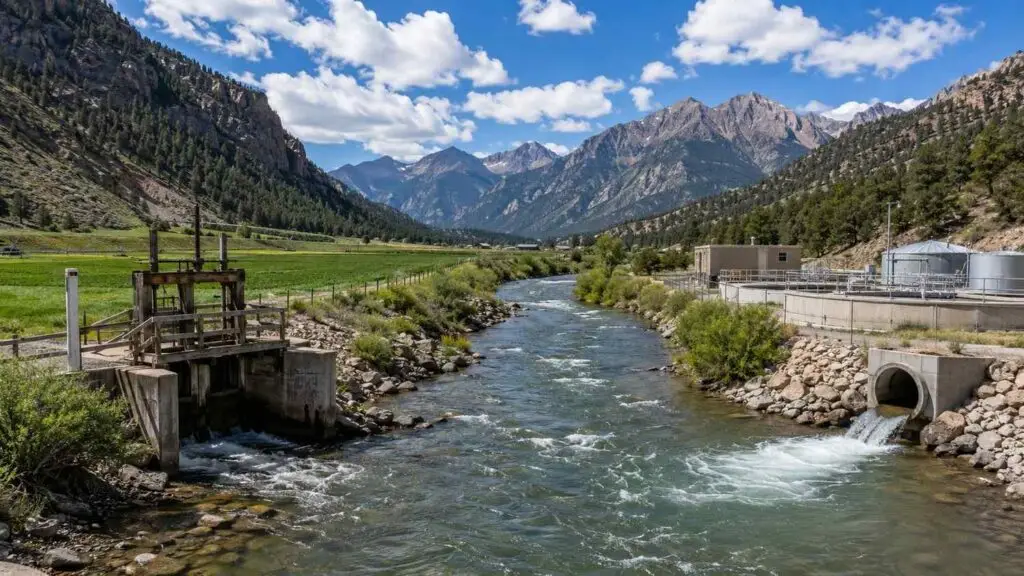
A Colorado developer or municipality that designs its wastewater permitting strategy without accounting for water rights is planning in a vacuum. Water rights in Colorado are not a separate legal domain that can be addressed after the discharge permit is issued and the treatment plant is built. They are an integrated part of the water management framework that determines what you can legally do with your wastewater after it is treated, where you can discharge it, and what constraints apply if you want to reuse it rather than return it to a stream. Getting the engineering right without getting the water rights analysis right produces projects that are permitted on paper but unworkable in practice.
Antidegradation Policy in Colorado Water Permits: What It Means for New Discharge Permits

A developer or municipality that selects a discharge location without evaluating the antidegradation status of the receiving water is making a permitting decision without the most important variable. Colorado’s antidegradation policy is not a formality that gets resolved during permit review. It is a threshold question that can determine whether a proposed discharge is feasible at all, what treatment level will be required, whether alternatives must be formally evaluated, and how long the permitting process will take. Getting the answer wrong at the beginning of a project costs far more than getting it right.
Public Notice and Citizen Petition in Colorado Water Quality Permitting: Preparing for Opposition

A Colorado discharge permit application that triggers community opposition is not just a regulatory problem. It is a project schedule problem, a budget problem, and in some cases a project viability problem. The public notice and citizen petition process built into Colorado water quality permitting exists to give affected parties a meaningful opportunity to challenge permit decisions they believe are inadequate. For developers and municipalities who have not prepared for that process, the opposition that arrives during public comment can extend timelines by twelve to twenty four months and consume engineering and legal resources that were not in the original project budget.