Quick Answer
Type I permits cover uses where human contact with reclaimed water is likely, such as residential irrigation, public parks, school athletic fields, and unrestricted golf courses. Higher treatment quality is required. Type II permits cover uses where human contact is unlikely, such as restricted-access irrigation, highway rights-of-way, sod farms, dust control, and nighttime golf course irrigation. Less stringent treatment is required because direct public exposure is controlled. Both types are governed by 30 TAC Chapter 210 and administered by TCEQ. The permit you need depends entirely on how and where your reclaimed water will be used.
Type I Reclaimed Water: What It Is and When It Applies
Type I reclaimed water covers uses where contact between the public and the water is reasonably expected.
Type I uses under 30 TAC §210.32 include:
- Residential landscape irrigation
- Irrigation of public parks, school yards, and athletic fields
- Unrestricted golf courses where the public is present during irrigation
- Fire protection systems, both internal sprinklers and external hydrants
- Food crop irrigation where the water may contact the edible portion of the crop
- Water bodies where recreational activities such as wading or fishing are anticipated
What this means in practice: If you are a developer building a master-planned community where homeowners irrigate their lawns from a central reclaimed water system, you need Type I quality. If a municipality wants to water public parks or sports fields during daytime hours, that is Type I. The higher treatment bar exists because the public is present when water is applied and direct contact is reasonably expected.
Type I reclaimed water may also be used for any Type II application, giving permitted systems maximum operational flexibility.
Type II Reclaimed Water: What It Is and When It Applies
Type II reclaimed water covers uses where human contact is unlikely because access is controlled or irrigation occurs when the public is not present.
Type II uses under 30 TAC §210.32 include:
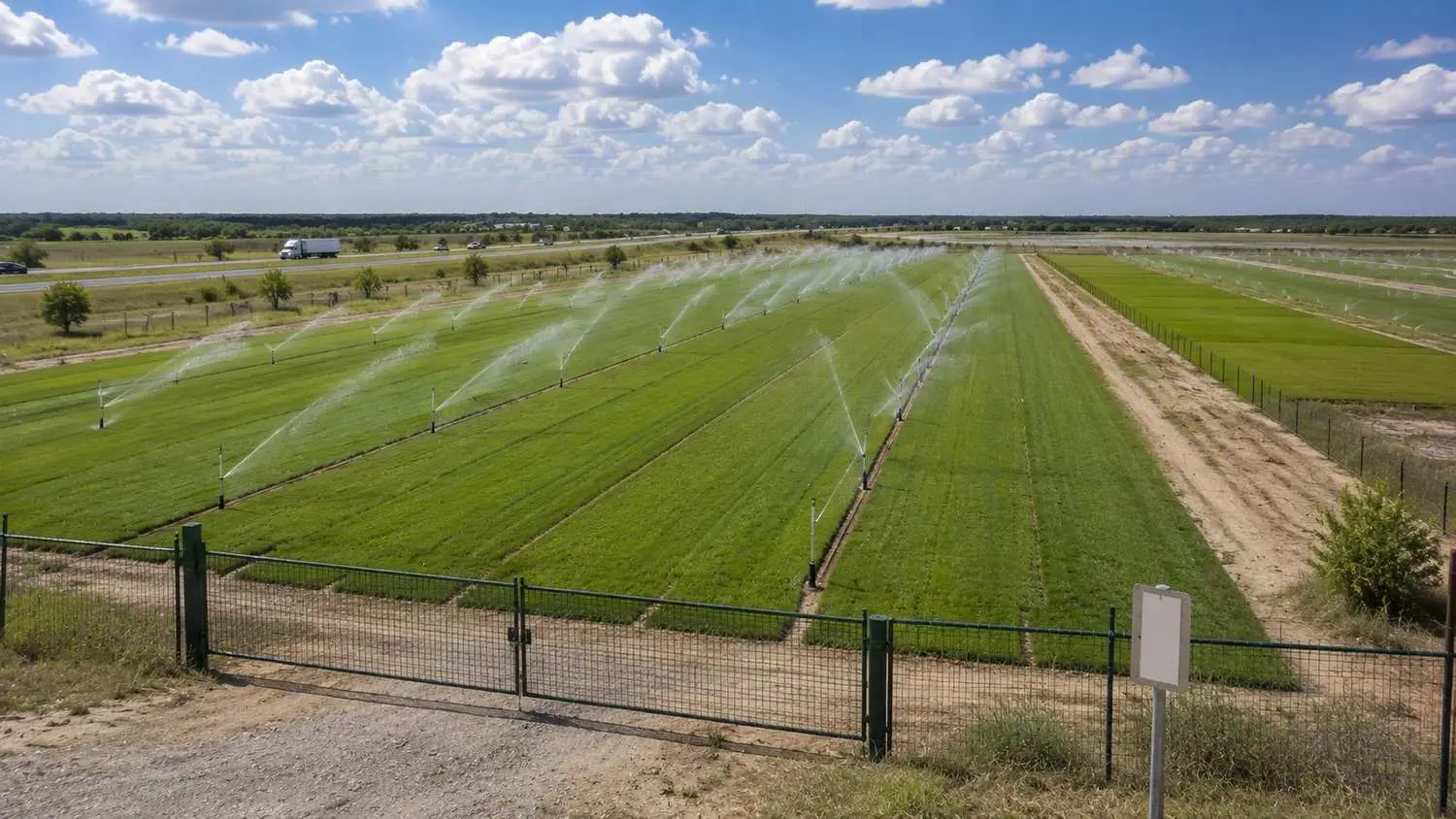
- Irrigation of sod farms, silviculture, and limited-access highway rights-of-way
- Food crop irrigation where reclaimed water does not contact the edible portion
- Soil compaction and dust control at construction sites where aerosol drift is minimized
- Maintenance of impoundments where direct human contact is not likely
- Golf course irrigation under restricted-access conditions
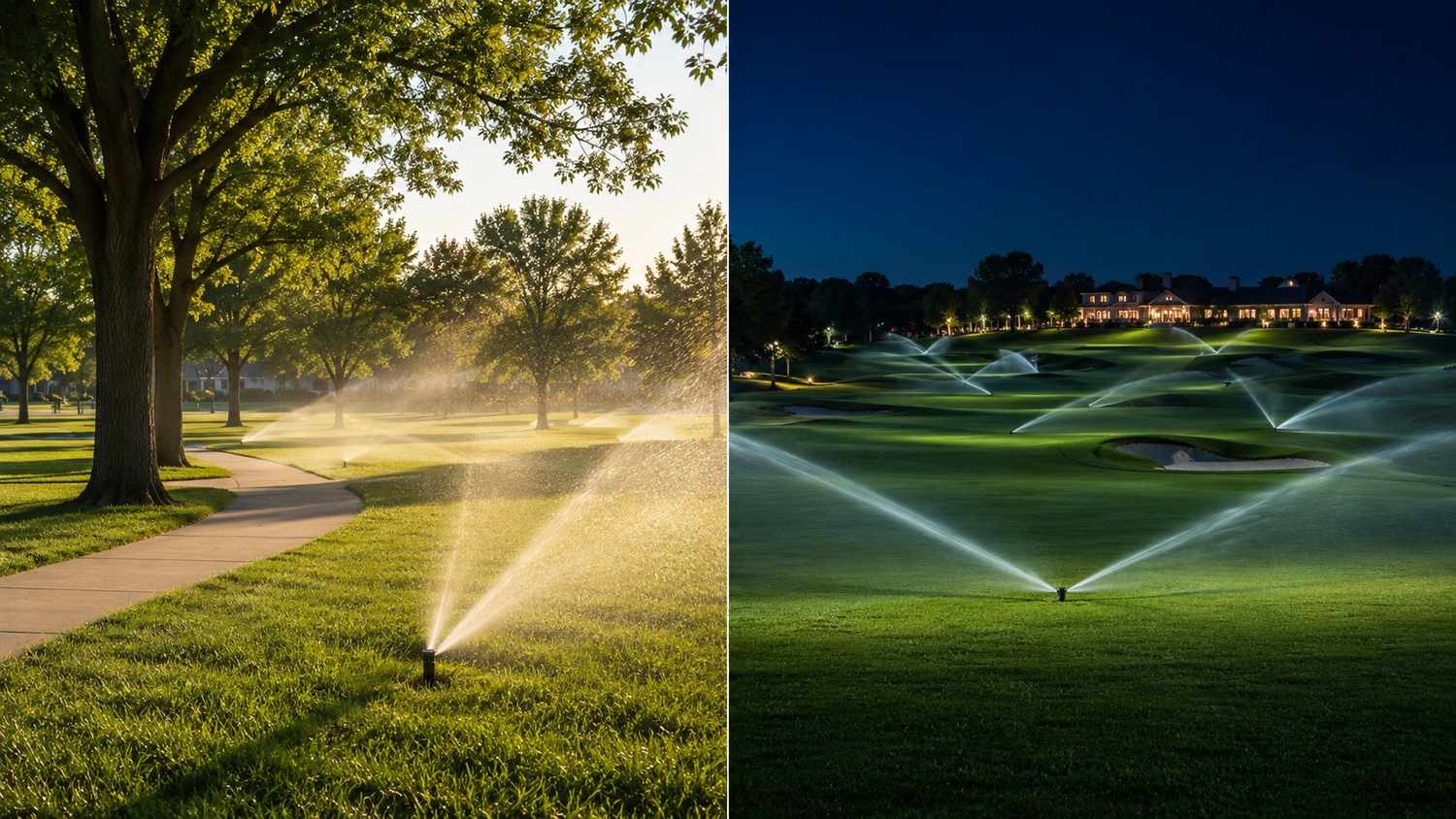
The golf course distinction trips up developers and operators more than any other use. A golf course is not automatically Type I or Type II. It depends on when and how irrigation occurs and whether public access is controlled during that time.
Fairway irrigation conducted overnight using automated systems, while restricting physical access to active irrigation zones, can qualify for Type II authorization. The same course running automatic irrigation during peak daytime play, with golfers walking through spray zones, requires Type I treatment standards and operational controls.
Critically, the public does not need to be excluded from the entire property. Irrigating fairways overnight does not prohibit use of the clubhouse or other facilities located a sufficient distance from active irrigation areas.
Type I vs. Type II at a Glance
| Factor | Type I | Type II |
|---|---|---|
| Human contact | Likely | Unlikely |
| Typical uses | Residential irrigation, public parks, unrestricted golf courses, fire protection | Restricted-access irrigation, sod farms, dust control, nighttime golf course irrigation |
| Treatment stringency | Higher | Lower |
| Public access during use | Permitted | Must be restricted or controlled |
| Can it cover the other type? | Yes, Type I covers all Type II uses | No, Type II cannot substitute for Type I |
Who Needs a Chapter 210 Permit?
TCEQ requires written approval before reclaimed water can be provided to another party for reuse. If treated effluent is leaving your site and going to an end user for any beneficial purpose, you need authorization before operations begin.
You likely need a Chapter 210 permit if:
- You are a developer building a community and want to use treated effluent for common area or residential irrigation
- You are a municipality with a wastewater treatment plant looking to provide reclaimed water to golf courses, parks, or large commercial users
- You are a golf course operator taking reclaimed water from a neighboring utility instead of drawing from a potable supply or aquifer
- You are designing a large-scale development with on-site wastewater treatment and want to reuse treated effluent for landscaping
You may not need a permit if you are producing Level I industrial reclaimed water and using it entirely on-site. On-site industrial reuse does not require TCEQ notification or approval. Municipal reclaimed water delivered off-site to another party always requires written authorization.
Operational Requirements That Catch Projects Off Guard
Getting your Chapter 210 authorization is not the finish line. TCEQ imposes ongoing requirements your engineering team needs to design around from day one.
Sampling and analysis. Producers of Type I and Type II reclaimed water must sample and analyze the water before distribution. Your system needs lab testing infrastructure and documentation showing ongoing compliance.
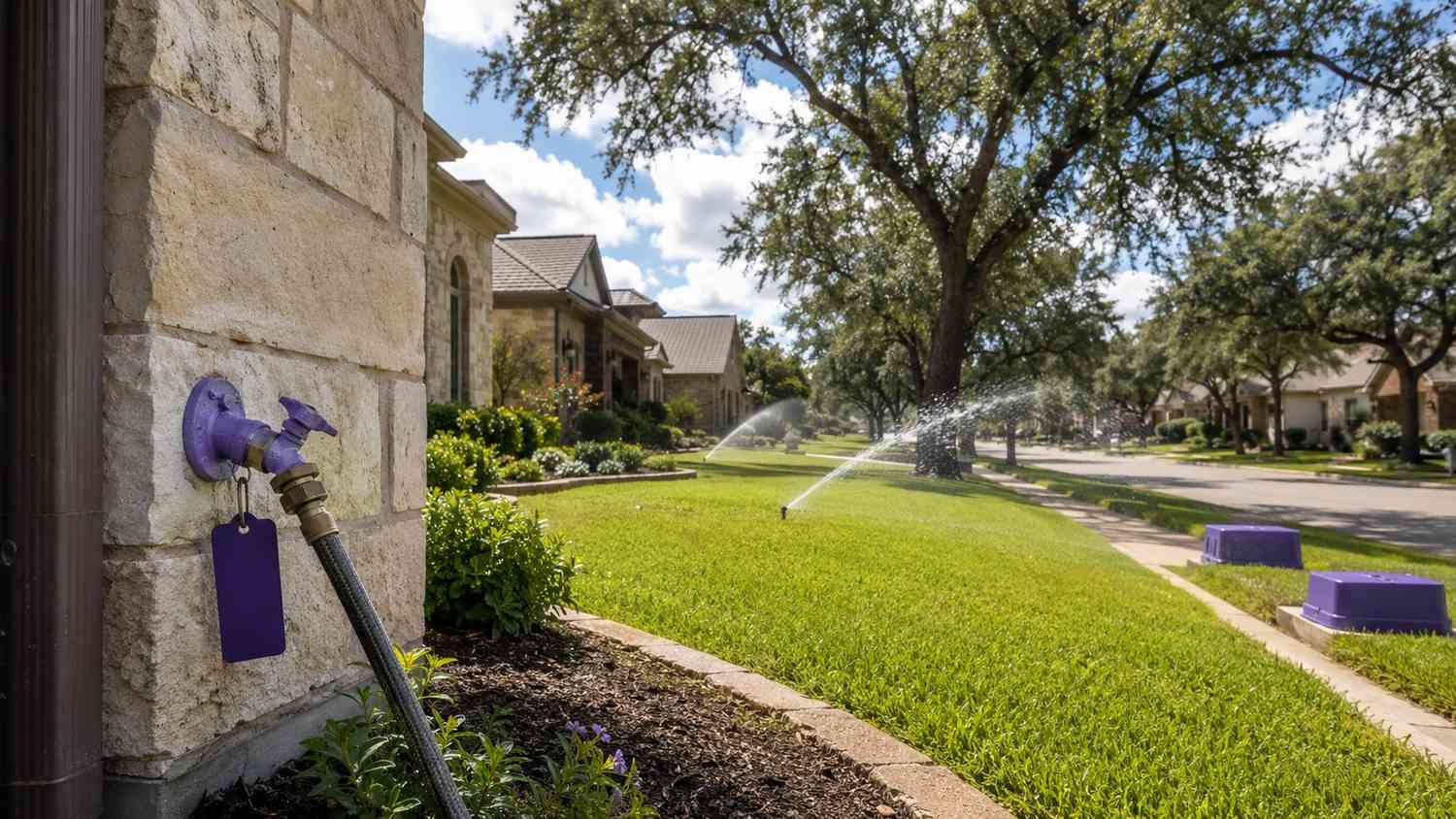
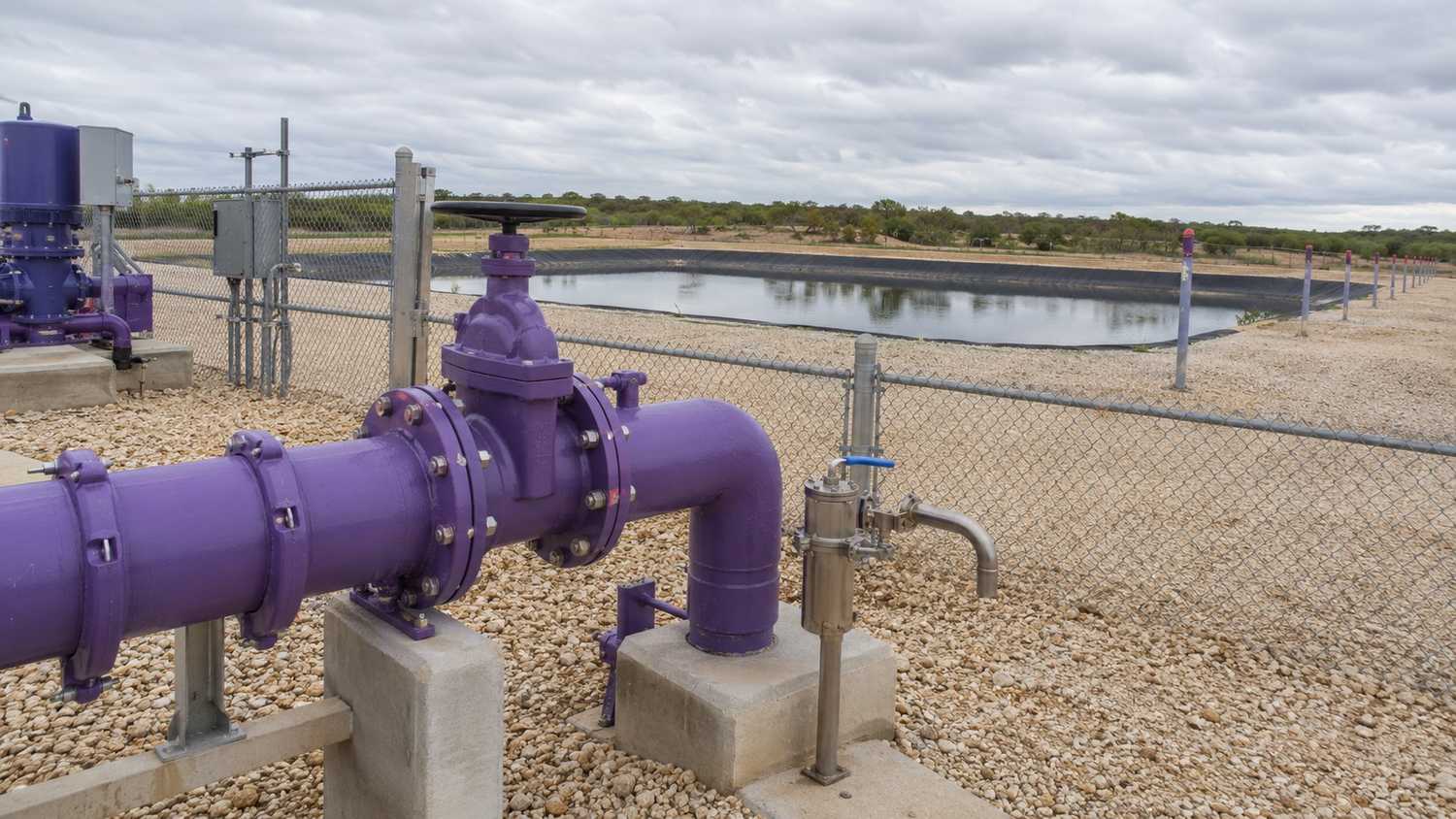
Purple pipe and signage. All exposed reclaimed water piping, hose bibs, and faucets must be painted purple, clearly marked in English and Spanish, and wherever possible separated from potable water piping by at least nine feet horizontally. No interconnections between reclaimed and potable systems are permitted under any circumstances.
Storage. Unless stored in a leak-proof fabricated tank, reclaimed water must be held in a lined pond meeting the engineering specifications in 30 TAC §210.23. For sizing guidance see How to Size a Wastewater Storage Reservoir for a Texas Reuse Project.
Water rights. If reclaimed water is piped directly to the user or a holding vessel and never enters a state watercourse, it is not subject to water-rights restrictions. If it routes through any channel considered a state watercourse before reaching the end user, a separate water right authorization is required.
Application completeness. Incomplete submittals are the single most common reason TCEQ timelines extend unexpectedly. A complete application includes a water reuse contract, an operation and maintenance plan, and all required supporting attachments from the start. For what complete submittals look like in practice, see What Engineers Submit to TCEQ and Why Your Application Gets Rejected.
Why This Permit Is Becoming Critical for Texas
Chapter 210 reclaimed water reuse is no longer a niche strategy. Cities including Amarillo, Lubbock, Odessa, and Harlingen already use reclaimed water at scale for golf courses, cooling towers, and power generation. These are mature infrastructure systems, not pilot programs.
Texas Water Code Section 16.053 requires regional water planning groups to consider all potentially feasible water management strategies, including those that develop new supplies. Reclaimed water reuse is explicitly among them. For the full picture on Texas water supply pressures, see Texas Water Infrastructure Crisis: The $134 Billion Funding Gap.
As aquifer constraints tighten and drought restrictions increase, developers and municipalities that build Chapter 210 reclaimed water systems today are not just solving a permitting problem. They are building infrastructure that will be essential for the communities they serve.
Frequently Asked Questions
Can a project permitted under Type II upgrade to Type I without a new permit?
No. Type I and Type II are separate authorizations with different treatment standards and operational requirements. A Type II facility that wants to add residential irrigation or other Type I uses must obtain a separate Type I authorization. The treatment system must also be capable of meeting Type I effluent quality standards before Type I use can begin.
Does a 210E Industrial Reclaimed Water Authorization replace a Type I or Type II permit?
The 210E authorization under 30 TAC Chapter 210, Subchapter E is a separate authorization pathway for projects with industrial wastewater components. It is not a substitute for a Type I or Type II authorization under Subchapter D. Projects that combine industrial and domestic wastewater and want to use treated effluent for both industrial and landscape reuse applications may need both an industrial reclaimed water authorization and a Type I or Type II authorization depending on the specific uses.
How long does a Chapter 210 Type I or Type II permit take to obtain?
Timeline varies based on application completeness and TCEQ review workload. Complete applications with all required attachments including the water balance study, reuse contract, and operations plan move through review faster than incomplete submittals that generate deficiency notices. Engaging an engineer with direct Chapter 210 application experience before the submittal is prepared is the most reliable way to minimize the review timeline.
Need a Chapter 210 Reclaimed Water Permit for Your Texas Project?
Modern Engineering Solutions works with Texas developers, municipalities, and engineering firms to design and permit reclaimed water systems under 30 TAC Chapter 210. Whether your project needs a Type I authorization for a residential irrigation system, a Type II permit for a golf course or restricted-access landscape, or a 210E industrial authorization for a mixed-use development, our team handles the full process from water balance study through written TCEQ authorization.
We specialize in:
- Chapter 210 Type I and Type II reclaimed water permit preparation and TCEQ coordination
- 210E Industrial Reclaimed Water Authorization for mixed-use and industrial developments
- Water balance studies and waste stream analysis
- Package wastewater treatment plant design and permitting
- Water and wastewater feasibility analysis during land due diligence
All permit framework information is based on 30 TAC Chapter 210 as administered by TCEQ. Contact an engineer licensed in Texas before designing or submitting any reclaimed water system.
Modern Engineering Solutions, McKinney, Texas and Golden, Colorado. Licensed in TX, CO, CA, OK, NV, AZ, FL, KS, NM. 300+ projects completed. Contact: (214) 833-6748 or mod-eng.com