
Blog
California’s New Direct Potable Reuse Rules: What the Regulations Actually Require and Where Implementation Stands
DPR sounds like a fast water supply fix, but it is not a project level shortcut. See what California actually requires and who this framework is built for.
Quick Answer
California’s State Water Resources Control Board adopted direct potable reuse regulations in December 2023, with the rules taking effect in 2024, making California the first state with a regulatory framework allowing treated recycled water to go directly into a drinking water distribution system without first passing through an environmental buffer like a groundwater basin or a reservoir. That distinguishes DPR from indirect potable reuse, which requires that environmental buffer, and from non-potable reuse and traditional recycled water distribution, which serve irrigation and industrial uses through a separate purple pipe system rather than the drinking water supply at all. DPR is not a faster permitting shortcut for an individual developer needing a water supply solution on a project timeline. It is a regional utility scale strategy requiring advanced treatment trains, extensive online monitoring, redundant treatment barriers, source control programs, brine management, emergency response planning, and sustained public communication, typically pursued by water agencies planning supply diversification over a multi-year horizon, not a tool that shortens water supply availability for a single development project.
What DPR Actually Is, and What It Replaces in the Reuse Spectrum
Water reuse in California exists on a spectrum defined by how much separation sits between treated wastewater and the point where it becomes part of a drinking water supply. Non potable reuse, the recycled water distributed through purple pipe systems for irrigation or industrial use we described in evaluating Title 22 engineering reports, never enters the drinking water system at all, it serves a separate distribution network with its own quality standards tied to public access and contact risk. Indirect potable reuse introduces treated water into an environmental buffer, injecting it into a groundwater basin for groundwater recharge, or blending it into a reservoir for surface water augmentation, before that water is eventually withdrawn and treated again as a drinking water source. That environmental buffer provides both a physical time delay and an additional layer of natural attenuation before the water reaches a treatment plant intake or well.
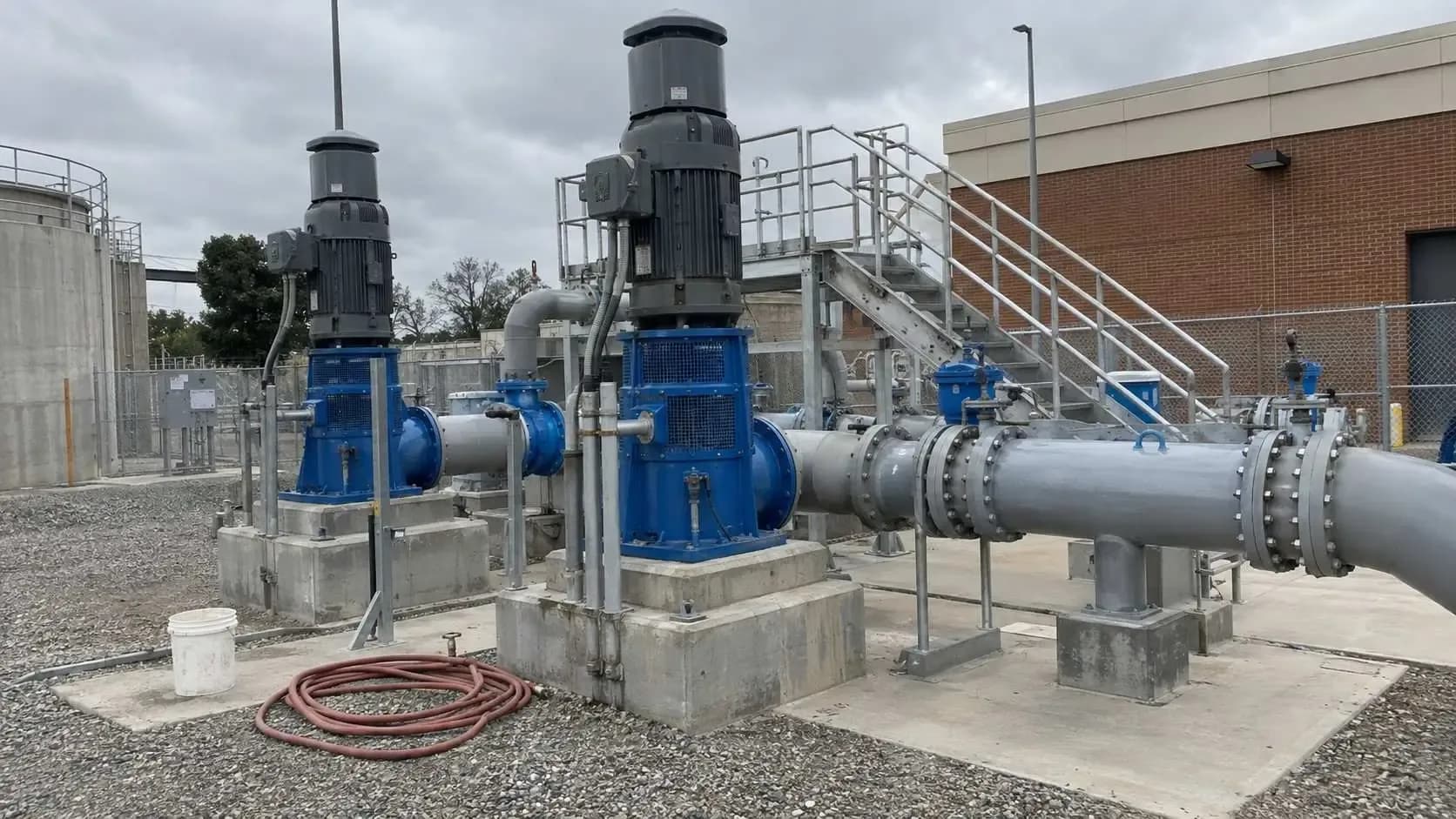
Direct potable reuse removes that environmental buffer. Treated water goes either directly into a drinking water treatment plant’s raw water supply or, in the most advanced form authorized under California’s new rules, directly into the drinking water distribution system itself. Removing the environmental buffer does not mean removing the safety margin, it means that margin has to come entirely from engineered treatment, monitoring, and operational reliability instead of from time and natural processes in a groundwater basin or reservoir. That shift in where the safety margin lives is the central design and regulatory challenge the new rules are built around, and it is why DPR systems require a fundamentally different level of engineered redundancy than indirect potable reuse or non potable reuse systems.
What the Regulations Actually Require: Treatment, Monitoring, and Redundancy
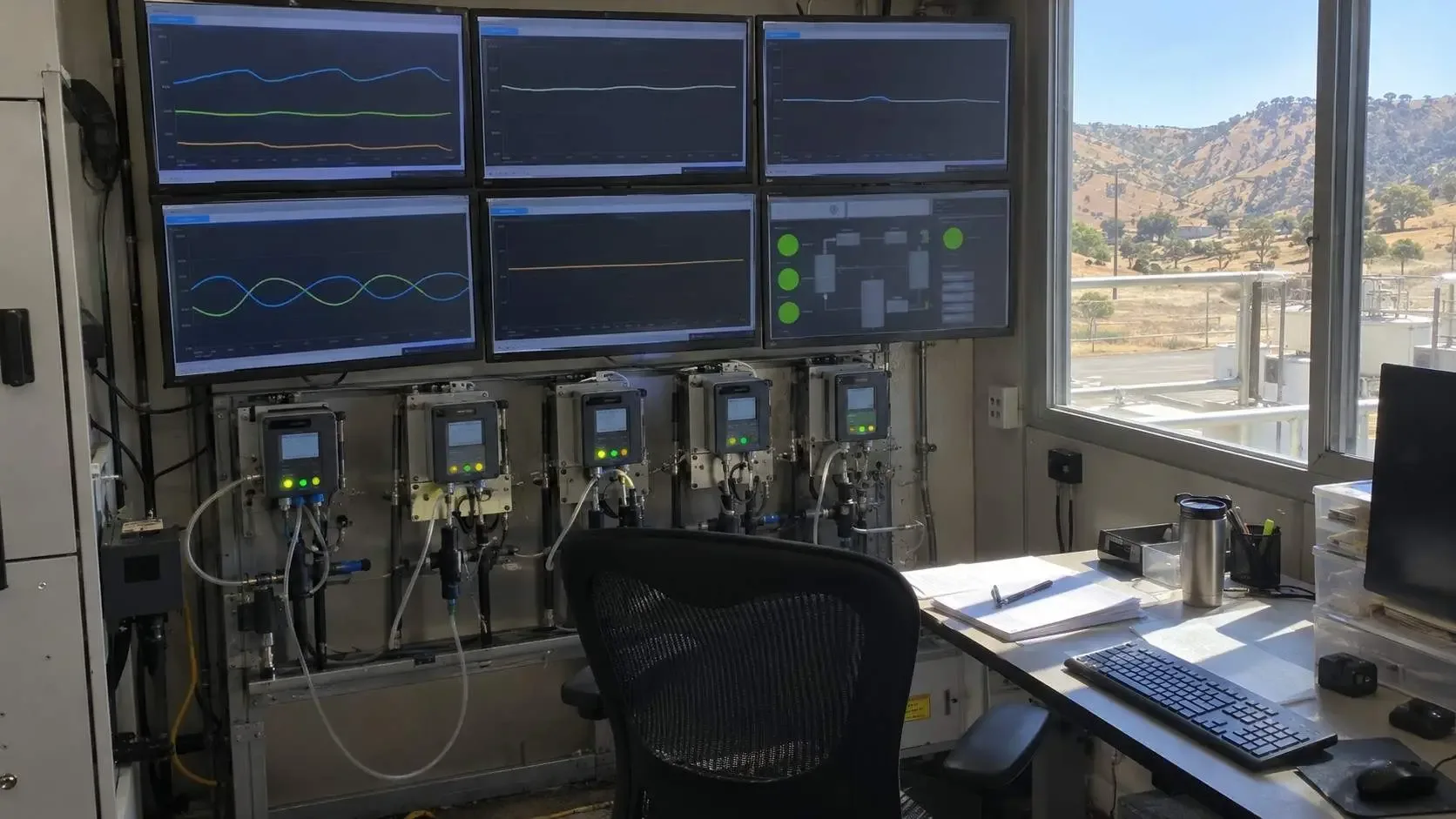
California’s DPR regulations require multiple redundant treatment barriers specifically because there is no environmental buffer to catch a treatment failure before it reaches consumers. This generally means an advanced treatment train combining processes like reverse osmosis, advanced oxidation, and other pathogen and chemical removal barriers, engineered with enough redundancy that no single treatment process failure results in inadequately treated water reaching the distribution system. The regulations also require extensive online, real-time monitoring capable of detecting a treatment failure quickly enough to trigger an automatic response, diverting flow away from the distribution system, before contaminated water could actually reach customers.
Source control programs are a required companion to the treatment requirements, because DPR’s safety case depends partly on managing what enters the wastewater stream in the first place, not relying on treatment alone to remove every possible contaminant regardless of source. This means industrial pretreatment programs, the same pretreatment framework governing SIU and categorical industrial users discharging to a sewer, become directly relevant to a DPR system’s overall safety design, since limiting harmful discharges at the source reduces the burden on downstream treatment. Brine management, disposing of the concentrated waste stream produced by reverse osmosis and other advanced treatment processes, adds its own environmental and cost consideration that has to be resolved as part of the overall system design, not treated as a downstream problem to solve later.
Operator Reliability and Emergency Response as Regulatory Requirements, Not Just Best Practice
DPR regulations treat operator reliability and emergency response planning as core regulatory requirements, not operational best practices layered on top of compliance. Given the absence of an environmental buffer, the system depends on trained, qualified operators and documented emergency response procedures functioning correctly essentially all the time, because there is no multi week or multi month buffer period during which a problem could be caught and corrected before affecting the drinking water supply the way there might be with indirect potable reuse. This requirement translates into specific staffing, training, and procedural documentation obligations that are considerably more extensive than what a conventional recycled water system or even an indirect potable reuse system requires.
Public communication is built into the regulatory framework as well, reflecting the reality that DPR represents a significant shift in how the public understands their drinking water source, and water agencies pursuing DPR have to plan for sustained public engagement and transparency about how the system works and how its safety case is maintained, not a one time announcement when the system comes online. This is a genuinely different obligation than the technical monitoring and reporting requirements attached to non potable reuse or even NPDES and WDR discharge permits, because it is about maintaining public trust in the water supply itself over the long term, not just regulatory compliance on paper.
Why DPR Is a Utility Strategy, Not a Developer’s Water Supply Shortcut
The scale and complexity of these requirements are precisely why DPR is pursued by water agencies and utilities planning regional water supply diversification, not by individual developers looking to secure a water supply for a specific project on a development timeline. Building the advanced treatment, monitoring, and operational infrastructure DPR requires takes significant capital investment and multi year implementation timelines that have nothing in common with the speed considerations that make onsite reuse or sewer connection attractive for an individual industrial or commercial project.
A developer evaluating water supply options for a specific project should understand DPR as something that might, over a long horizon, change the regional water supply picture a water agency serves that developer’s project from, not as a permitting or engineering path the developer’s own project would pursue directly. The practical water reuse decisions most developers actually face, whether their project’s reclaimed water goes through a Title 22 engineering report for onsite irrigation reuse, whether industrial wastewater discharges through a local SIU permit, or whether a site without sewer access needs a WDR-governed onsite system, remain governed by the frameworks we have covered throughout this series, and DPR does not replace or accelerate any of them for an individual project.
Where Implementation Actually Stands and What That Means for Planning Timelines
With the regulations adopted in December 2023 and taking effect in 2024, California is still in the early implementation phase of a regulatory framework that took years to develop. Water agencies pursuing DPR now are working through project-specific engineering, environmental review, and public engagement processes that will play out over years, not months, and the practical experience base of operating DPR systems under this specific regulatory framework is still developing in real time as the first projects move through implementation.
This matters for how any organization, a municipality, a water district, or an industrial user with a large scale water reuse ambition, should think about DPR’s role in their planning horizon. It is a real and significant new tool in California’s water supply toolkit, but it is a long horizon regional strategy, not a near term project solution, and treating it as though it will resolve a water supply gap on a development or industrial project’s actual timeline is a mismatch between what the regulation is built to do and what a specific project actually needs solved.
Frequently Asked Questions
Does California’s DPR framework apply to individual developers or only to water agencies?
It applies functionally to water agencies and utilities with the capital and multi year implementation capacity to build and operate DPR compliant advanced treatment and monitoring infrastructure. Individual developers are not pursuing DPR directly for a specific project, their water supply and wastewater reuse decisions run through the non-potable reuse, indirect potable reuse, or discharge frameworks that already apply to their site.
What treatment is actually required under California’s new DPR regulations?
The regulations require multiple redundant advanced treatment barriers, typically including processes like reverse osmosis and advanced oxidation, combined with extensive real time online monitoring capable of detecting a treatment failure and diverting flow before it reaches the distribution system, since there is no environmental buffer to provide a natural safety margin.
How much does a DPR system cost compared to other water reuse strategies?
DPR systems require significantly more capital investment than non potable reuse or even indirect potable reuse systems, due to the advanced treatment redundancy, extensive monitoring infrastructure, and brine management requirements involved. Specific cost figures depend heavily on scale and site conditions and are not something a general comparison can responsibly quantify without a project specific engineering evaluation.
Is California’s DPR framework fully implemented and operating today?
The regulations were adopted in December 2023 and took effect in 2024, meaning California is in an early implementation phase, with water agencies now working through project specific engineering, environmental review, and public engagement processes that extend over multiple years. Operating experience under this specific framework is still developing.
How does MES help clients decide whether DPR is relevant to their water supply or reuse strategy?
For most clients, we confirm that DPR is not the applicable framework for their project and instead focus on the water reuse or discharge path that actually fits their timeline and scale, non potable reuse under Title 22, indirect potable reuse where relevant to a water agency’s larger supply planning, or the discharge and pretreatment frameworks covering sewer connection and onsite systems.
Related Resources
- The Title 22 Engineering Report: The Real Bottleneck in California Recycled Water Projects
- The 90 Day Rule: What California Industrial Users Must Do Before Discharging to a Sewer
- Local Sewer Connection vs. State Permit: When a California SIU Permit Is the Faster Path
- Permitting Land Application: Choosing Between WDRs and Recycled Water Rules
Not Sure Whether DPR Applies to Your Water Supply Strategy?
If you are evaluating water reuse options and want a clear read on whether direct potable reuse is relevant to your timeline and scale, or whether a different reuse or discharge path actually fits your project, MES can help you make that call before you invest engineering time in the wrong framework.
We specialize in:
- Water reuse strategy comparison across non potable, indirect potable, and direct potable reuse
- Title 22 engineering and reuse area planning for near term non potable reuse projects
- Industrial pretreatment and SIU permitting support for sewer connected discharges
- WDR feasibility review for sites without sewer access
- Long term regional water supply planning support for utilities and water agencies
Modern Engineering Solutions, San Jose, California. Contact: (214) 833-6748 or mod-eng.com
Talk to an engineer
Tell us about your project.
An engineer reads it
Not a salesperson. Someone who can tell you whether the pathway is real.
You get a first answer
Your options, the agencies involved and the questions that decide cost and schedule.
You decide
No commitment to have the first call.
Prefer the phone? (214) 833-6748