
Blog
TCEQ Permit Timelines for Dallas Area Industrial Facilities: What Food & Beverage Manufacturers Need to Know
TCEQ permit timelines for a Dallas food or beverage plant hinge on the utility discharge permit, pretreatment, any TPDES filing and stormwater coverage.
Quick answer
TCEQ permit timelines for a Dallas area food or beverage plant depend on where the wastewater goes. Most plants discharge to a city sewer, so the clock that matters is the utility's industrial discharge permit plus any pretreatment equipment it requires. A plant discharging to a creek needs a TCEQ TPDES permit, which TCEQ says to file at least 330 days ahead.
Outdoor storage or loading can add an industrial stormwater authorization. Map all three before you sign the lease.
Why is food and beverage wastewater treated differently?
It is much stronger and less steady than the wastewater most tenants produce. Washdown from equipment, floors and containers carries product residue, cleaning chemicals and, in some plants, dairy solids or meat byproducts. BOD and TSS can run many times the strength of household sewage.
Three traits draw a utility's attention:
- Organic load. High BOD and TSS use treatment capacity, and many utilities charge or limit for it.
- Fats, oils and grease. FOG builds up in sewer lines and causes blockages. Federal rules bar discharges that obstruct sewer flow, and local programs add grease limits and interceptor rules.
- pH swings. A caustic wash followed by an acid sanitizer can produce short pH spikes even when the daily average looks fine.
The federal floor on pH is in 40 CFR §403.5(b)(2): no discharge below pH 5.0 unless the city's treatment works is specifically designed to accept it. Your utility's local limits, required by §403.5(c), set the actual range you must meet.
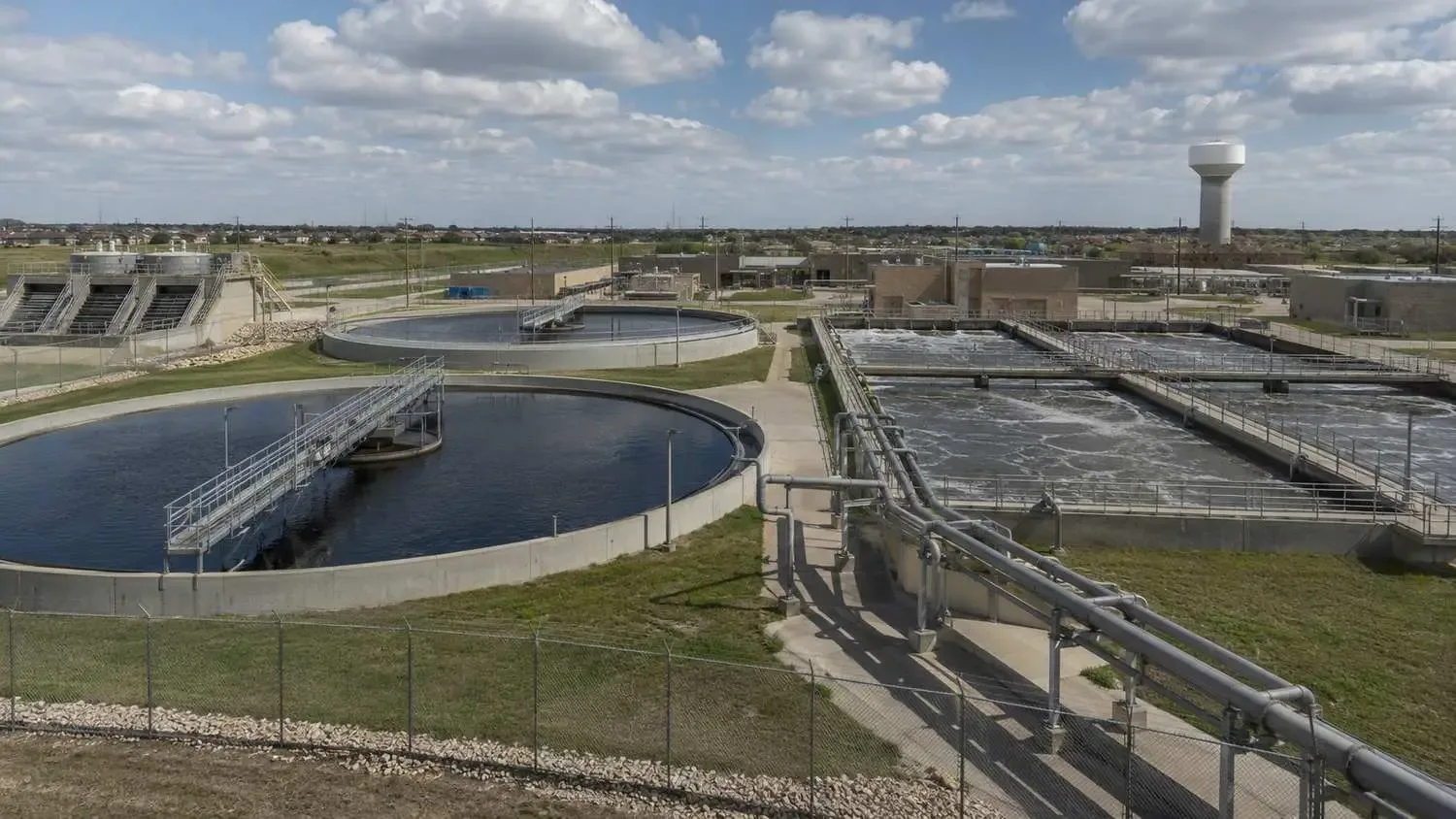
Which permits set the timeline?
Up to three authorizations, each with its own clock.
- Industrial wastewater discharge permit from the utility, if you discharge to a sewer and qualify as a significant industrial user.
- TPDES permit from TCEQ, only if you discharge treated wastewater directly to a creek or other water in the state.
- Industrial stormwater coverage from TCEQ, if industrial activity is exposed to rain.
New construction adds the Construction General Permit, TXR150000, while the ground is disturbed. A tenant improvement inside an existing shell usually does not trigger it.
Will your plant need a utility discharge permit?
Probably, if it runs more than a light process flow. The General Pretreatment Regulations in 40 CFR Part 403 require approved programs to permit significant industrial users. Under 40 CFR §403.3(v), that includes every user subject to categorical pretreatment standards, plus any user discharging an average of 25,000 gallons per day or more of process wastewater, or a process stream that is 5 percent or more of the treatment plant's average dry weather hydraulic or organic capacity.
A utility can also designate a smaller plant as significant. Our post on significant industrial user designation covers how that works.
Start by finding out which utility treats the site's sewage. Dallas Water Utilities serves the city, and many suburbs run their own programs or send flow to a regional provider with its own rules.
How far ahead must you apply in Dallas?
At least 90 days before discharge, if Dallas Water Utilities serves the site. The Dallas pretreatment program FAQ says potential significant users under construction should apply for a discharge authorization permit at least 90 days before discharging.
The Dallas discharge permit page says all significant industrial users must obtain and keep a wastewater discharge permit. Treat 90 days as the floor. The permit application needs a credible wastewater characterization first, and a new plant has no history to sample.
That characterization comes from the process water balance, equipment data and cleaning cycles. It tells the utility whether you meet local limits as built or need pretreatment as a permit condition.
How does pretreatment equipment change the schedule?
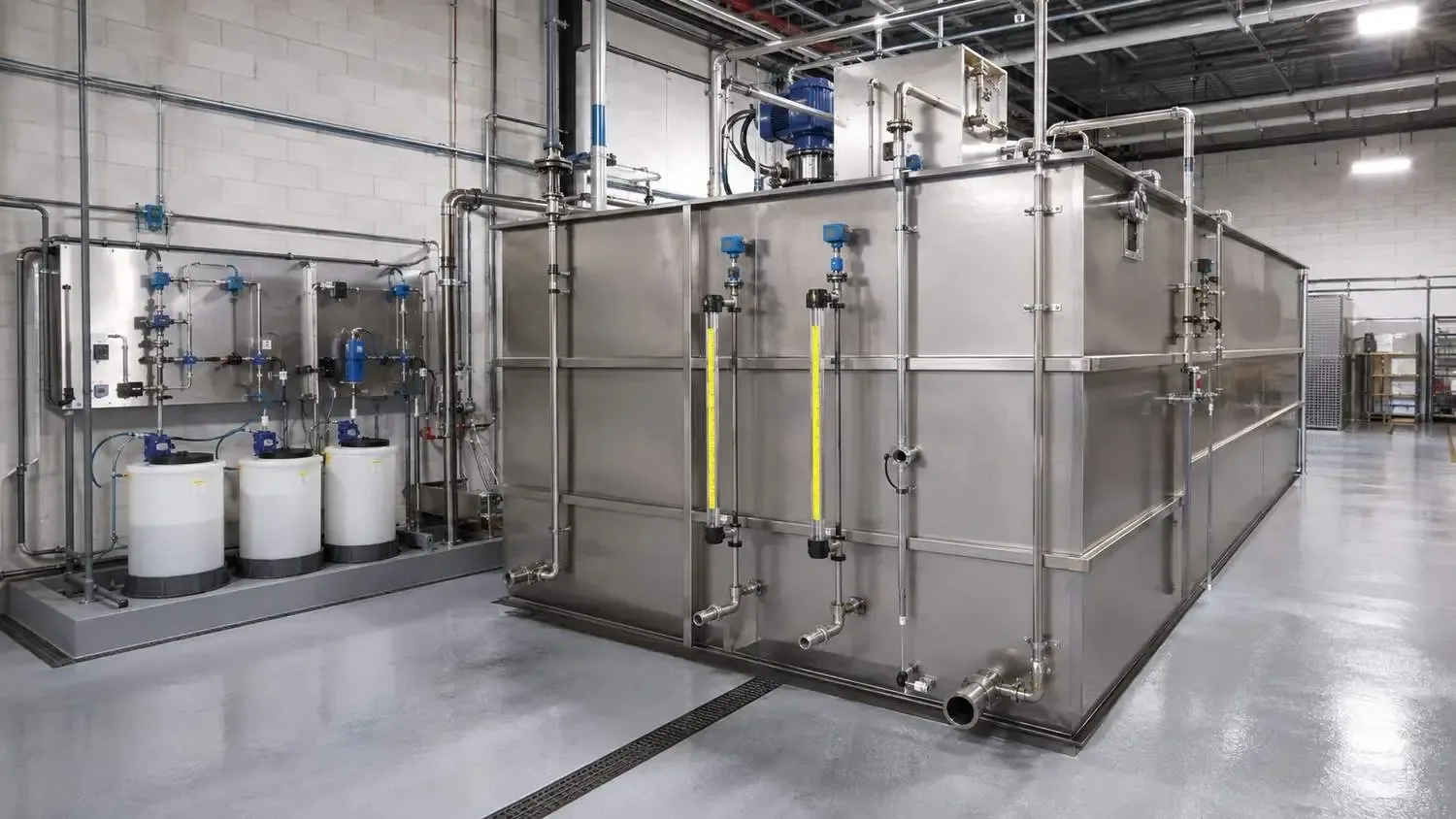
Pretreatment is often the longest item, because it must be designed, bought, installed and started up before full production discharge. Common equipment for food and beverage plants includes:
- grease interceptors sized for the actual production volume;
- equalization tanks to smooth flow and strength;
- automatic pH neutralization;
- dissolved air flotation or similar systems for high-strength streams.
Each has its own lead time, and a requirement found late adds that time straight onto your startup date. Ask your engineer and suppliers for current lead times on the specific equipment.
What if the site has no sewer and must discharge to a creek?
Then the TPDES permit becomes the schedule. TCEQ's industrial permit process page says to submit the application at least 330 days before the proposed discharge begins, or as soon as possible.
The process includes administrative and technical review, two public notices, a comment period, and the chance of a public meeting or contested case hearing. A food plant discharging directly also needs full biological treatment, not just pretreatment, because no city plant sits downstream.
When does industrial stormwater coverage apply?
When industrial activity is exposed to rain, such as outdoor storage, loading, washdown or waste bins. Food and kindred products plants are Sector U of TCEQ's Multi-Sector General Permit, TXR050000, renewed effective August 14, 2026.
The 2026 MSGP requires a new facility to submit its notice of intent before industrial activity starts. The stormwater pollution prevention plan must be developed and implemented before the notice is filed. Provisional coverage begins when TCEQ confirms receipt of an electronic notice. The plan is the long pole, not the filing.
How do you protect the startup date?
Do the wastewater work during site selection, before the lease is signed. A short readiness check:
- Do you know which utility treats the site's sewage and its application lead time?
- Do you have a wastewater characterization for your process and cleaning cycles?
- Have you met the pretreatment coordinator with that data?
- Do you know whether pretreatment equipment is likely, and its lead time?
- Have you checked whether outdoor activity triggers stormwater coverage?
If any answer is no, the startup date is a guess. With the answers in hand, you can set a real schedule and negotiate lease terms that reflect it.
Limits of this article: it is general education as of October 2026. Utility rules vary across the Dallas area, so confirm requirements with the utility serving your site and with TCEQ.
Frequently asked questions
Does every food plant need a TCEQ permit for its wastewater?
No. A plant discharging to a city sewer usually deals with the utility's pretreatment program, not a TCEQ wastewater permit. TCEQ issues a TPDES permit only for a direct discharge to water in the state.
Can stormwater coverage wait until after opening?
No. Under the 2026 MSGP, a new facility files its notice of intent, or a no exposure certification, before industrial activity begins, with the pollution prevention plan already developed and implemented.
We are looking at a Dallas building for a beverage bottling line. How do we find out early whether the utility will require pretreatment?
Ask the pretreatment staff at the utility serving the property for a pre-application meeting. Bring a preliminary characterization from your engineer: expected flow, BOD, TSS and pH range from your process and cleaning cycles. That conversation, before you commit to the lease, is the most reliable early read.
I run operations for a bakery moving into a North Texas industrial park. Our flow is small. Can we skip the discharge permit?
Maybe, but confirm it. The federal significant user threshold is 25,000 gallons per day of process wastewater, yet a utility can designate a smaller user too. You may still face grease interceptor rules and local limits even without a permit.
Is there a way to speed up TCEQ's review of a TPDES application for a food plant?
The notice and comment steps cannot be skipped. The controllable part is a complete, technically sound first submission, since deficiency letters and information requests add time.
Related resources
- Texas Wastewater Pretreatment Permits: What Industrial Facilities Discharging to a POTW Must Know
- Stormwater Discharge Permitting for Industrial Facilities: TPDES Industrial Stormwater Permits Explained
- FOG Pretreatment Programs for Texas Restaurants and Food Service Facilities
- Industrial TPDES vs. TLAP: Which Wastewater Permit Path Fits Your Texas Facility?
Planning a food or beverage plant in the Dallas area?
We help manufacturers map wastewater and stormwater permits before the lease is signed, and we design the pretreatment and site systems that keep startup on schedule.
We specialize in:
- Process wastewater characterization and permit path evaluation
- Pretreatment system design
- Utility discharge permit application support
- TPDES discharge permit applications
- Stormwater pollution prevention plans
- Site civil engineering for industrial facilities
Modern Engineering Solutions, McKinney, Texas. Contact: (214) 833-6748 or mod-eng.com
Talk to an engineer
Tell us about your project
An engineer reads it
Not a salesperson. Someone who can tell you whether the pathway is real.
You get a first answer
Your options, the agencies involved and the questions that decide cost and schedule.
You decide
No commitment to have the first call.
Prefer the phone? (214) 833-6748