
Blog
How Modeling Wastewater Treatment Processes Saves Resources and Money
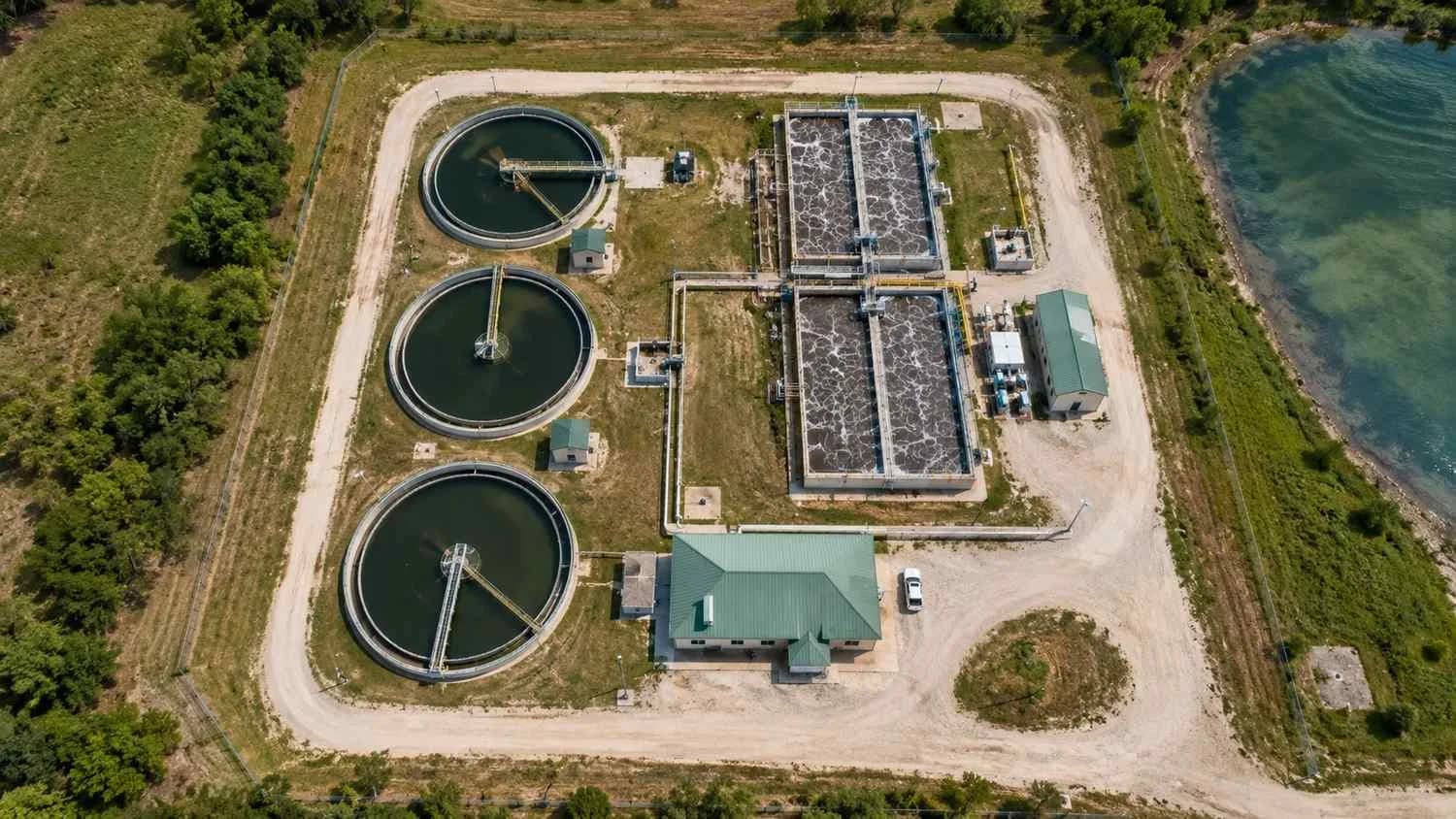
A wastewater treatment plant is an important part of our water infrastructure, but it can be expensive to build and operate.
Quick Answer
Mathematical models simulate the wastewater treatment process, allowing municipalities and operators to identify inefficiencies and optimize plant operations before making physical changes. The results of this modeling approach are well documented: savings of up to 30% in energy usage and 15% in chemical costs. For small municipalities and utility operators managing tight budgets, process modeling is one of the most cost-effective tools available for improving plant performance without capital investment in new equipment.
What Wastewater Is and Why Treatment Matters
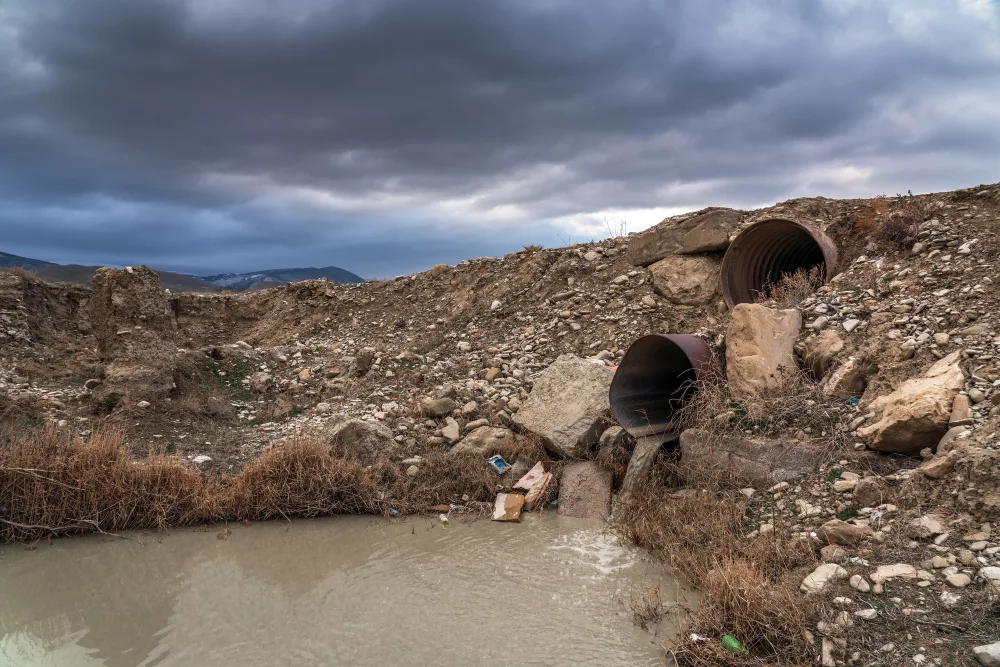
In order to understand how modeling wastewater treatment processes saves resources and money, it is important to first understand what wastewater is and the treatments involved. Wastewater is water that has been used for a particular purpose and then needs to be disposed of because it is no longer clean or safe for use. There are three main types of wastewater: municipal, industrial, and agricultural. Each type requires a different treatment process in order to make it safe for release back into the environment.
The wastewater treatment plant is a crucial part of any municipality. It is responsible for removing contaminants from wastewater and sewage before releasing them back into the environment. Proper operation of the plant is essential to protect public health and the environment. Mathematical models can be used to help operators optimize plant operations and improve treatment efficiency.

Wastewater Treatment: How to Model It
The following are the core principles of wastewater treatment modeling that every municipality and utility operator should understand.
Wastewater treatment is a process used to remove pollutants from wastewater. The treatment train typically includes screening and grit removal, primary clarification, biological treatment, secondary clarification, and disinfection before effluent is released or reused. Each stage has performance variables that modeling can optimize.
Wastewater treatment plants use a variety of processes. Activated sludge, sequencing batch reactors, membrane bioreactors, and lagoon systems each operate under different biological and hydraulic conditions. A model that accurately represents the specific process at a given plant produces actionable optimization results. A generic model applied without calibration to site-specific data produces estimates that may not reflect actual performance.
Modeling wastewater treatment plants is important for predicting performance. Before a plant expansion is built, before a new chemical dosing strategy is implemented, or before aeration rates are changed, a calibrated process model can predict how those changes will affect effluent quality, energy consumption, and solids production. That predictive capability reduces the risk of operational disruption from untested changes.
There are a number of different models available. Biological process models such as Activated Sludge Model No. 1 (ASM1) and its successors are widely used for municipal treatment plants. Hydraulic models simulate flow routing through the plant under varying load conditions. Energy models track power consumption by process unit. The right model depends on what the operator needs to optimize.
The choice of model depends on the specifics of the plant being modeled. A small extended aeration package plant serving a rural community requires a different modeling approach than a large activated sludge facility serving a municipal population of 50,000. Matching model complexity to the actual decision being made keeps the analysis tractable and the results useful.
How Modeling Reduces Operational Costs
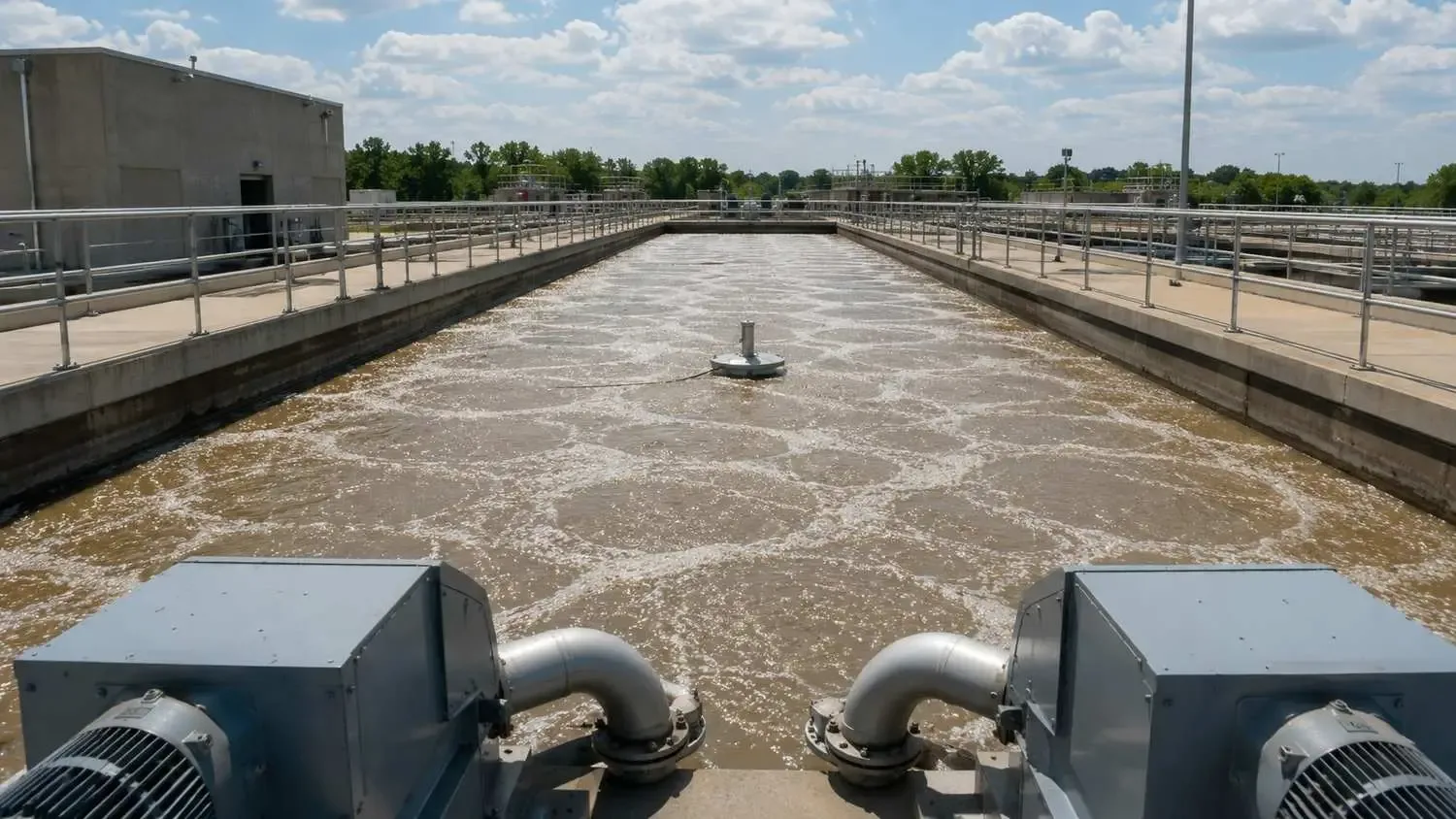
Modeling wastewater treatment processes can save municipalities time and money. By simulating the wastewater treatment process before building a physical model or implementing operational changes, municipalities can determine the most efficient and cost-effective approach. Wastewater treatment modeling also helps municipalities optimize their treatment processes, which reduces the resources used and lowers operational costs.
The traditional wastewater treatment process is expensive and can consume significant resources. Aeration alone typically accounts for 50 to 70% of a treatment plant’s energy bill. A model that identifies the optimal dissolved oxygen setpoint for the biological process, calibrated to actual influent loading data, can reduce aeration energy without compromising effluent quality. Chemical dosing for phosphorus removal, disinfection, and sludge conditioning represents another significant operating cost that modeling can optimize by identifying the minimum effective dose under varying influent conditions.
The documented results of this modeling approach are substantial: savings of up to 30% in energy usage and 15% in chemical costs. For a small treatment plant spending $200,000 per year on energy and chemicals, that represents $45,000 to $60,000 in annual savings from optimization alone, without capital investment in new equipment.
Planning Future Expansions With Process Models
Beyond day-to-day operational optimization, modeling the wastewater treatment process allows municipalities to plan for future expansions or upgrades with confidence. A plant that is approaching its permitted capacity needs to know whether it can meet effluent limits at higher flows before it is required to by regulatory timeline. A process model run at projected future flows identifies whether the existing biological system, clarifiers, and disinfection capacity will perform within permit limits, or whether specific unit processes will become limiting before the overall design flow is reached.
This information changes how capital improvement plans are written. Instead of planning an across-the-board plant expansion, the modeling results may show that only the aeration system and secondary clarifiers need upgrading at the next capacity threshold while the headworks and disinfection system have adequate margin. That targeted approach protects capital that would have been spent unnecessarily on processes that were not limiting.
For private development projects designing a new wastewater treatment facility, process modeling during the design phase confirms that the selected treatment system will meet the permit’s effluent limits at design flow and peak conditions before the permit application is submitted. An application supported by a calibrated process model demonstrating effluent compliance moves through TCEQ review more efficiently than one relying on manufacturer specifications alone.
Frequently Asked Questions
What software is used for wastewater treatment process modeling?
Several software packages are widely used in the water and wastewater industry. BioWin, GPS-X, and SUMO are common biological process simulators used for activated sludge and nutrient removal modeling. EPANET is widely used for hydraulic modeling of distribution systems. The selection depends on the treatment process being modeled and the specific questions the analysis is intended to answer.
How accurate are wastewater treatment process models?
A calibrated model (one that has been adjusted to match actual plant performance data before being used for prediction) is substantially more accurate than an uncalibrated model run with default parameters. Calibration requires influent characterization data, effluent monitoring data, and operational records from the plant being modeled. The quality of the model output is directly tied to the quality and completeness of the data used to calibrate it.
Can process modeling help with permit compliance?
Yes. Process modeling can identify whether an existing plant will meet its permit limits under projected future loading conditions, flag which unit processes are most likely to become limiting as flows increase, and support permit renewal documentation with predicted effluent performance data. For new facility permits, a process model demonstrating compliance at design flow and peak conditions strengthens the engineering submittal and reduces the likelihood of technical deficiency notices during review.
Related Resources
- Advancements in Wastewater Treatment: Screen Technologies and Grit Removal Innovations
- Guide to Design a Wastewater Treatment Plant in AutoCAD
- Flow Rate Projections: How to Size a WWTP for Your Development Without Over-Building
- Capital Improvement Planning for Small Municipalities
Need Process Modeling Support for Your Wastewater Treatment Plant?
Modern Engineering Solutions provides wastewater treatment process modeling for municipalities, Texas developers, and utility operators, supporting operational optimization, permit compliance documentation, and capital improvement planning.
We specialize in:
- Biological process modeling for activated sludge and extended aeration systems
- Hydraulic modeling for plant capacity analysis and expansion planning
- Energy and chemical optimization analysis for operating cost reduction
- Process model development to support TCEQ permit applications
- Capital improvement plan support: identifying limiting processes before committing to full plant expansion
Modern Engineering Solutions, McKinney, Texas. Contact: (214) 833-6748 or mod-eng.com
Keep reading
More to read.
Talk to an engineer
Tell us about your project.
An engineer reads it
Not a salesperson. Someone who can tell you whether the pathway is real.
You get a first answer
Your options, the agencies involved and the questions that decide cost and schedule.
You decide
No commitment to have the first call.
Prefer the phone? (214) 833-6748