
How to Read a Hydraulic Grade Line
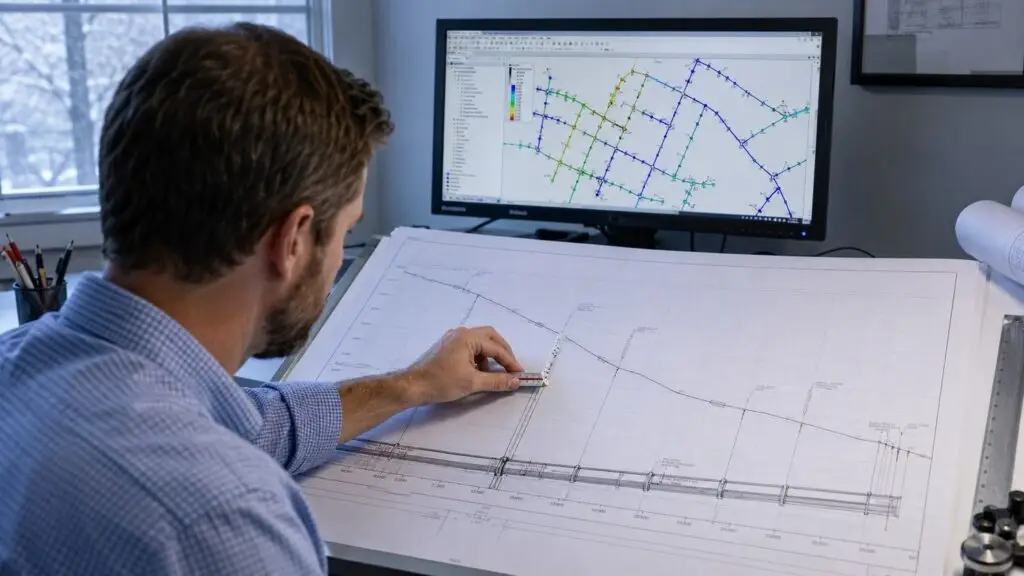
If you have ever reviewed a plan set for a water main, sewer collection system, or stormwater network and seen a sloped line running above or alongside the pipe, that line is the hydraulic grade line. Understanding what it tells you is one of the most practical skills anyone involved in infrastructure review can develop.
5 Common Wastewater Hydraulic Modeling Mistakes That Kill Project Budgets
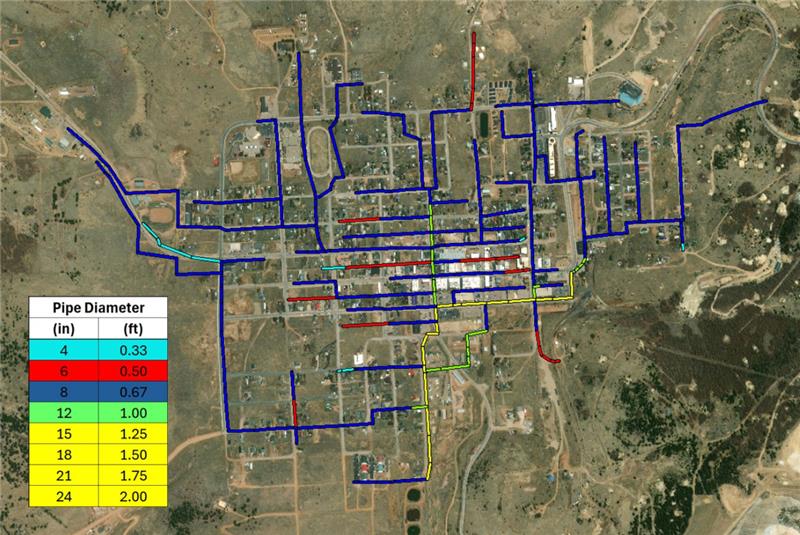
Wastewater hydraulic modeling failures create some of the worst emergencies communities can face. Unlike water system problems that develop gradually, wastewater modeling mistakes reveal themselves during peak flow events when collection systems overflow into streets or treatment plants can’t handle incoming flows. Raw sewage backups trigger immediate environmental violations and can shut down entire developments within hours.
These emergencies hit small Colorado communities particularly hard. Emergency repairs cost tens of thousands in contractor overtime and regulatory fines. Traditional solutions require upsizing collection systems or upgrading treatment plants that most communities can’t afford. The choice becomes impossible: face financial ruin or continue risking environmental disasters that bring state regulators to your door.
This crisis isn’t unique across Colorado as communities face aging wastewater infrastructure built during growth periods when funding was available, but now face upgrade costs exceeding annual budgets entirely.
How Modeling Wastewater Treatment Processes Saves Resources and Money
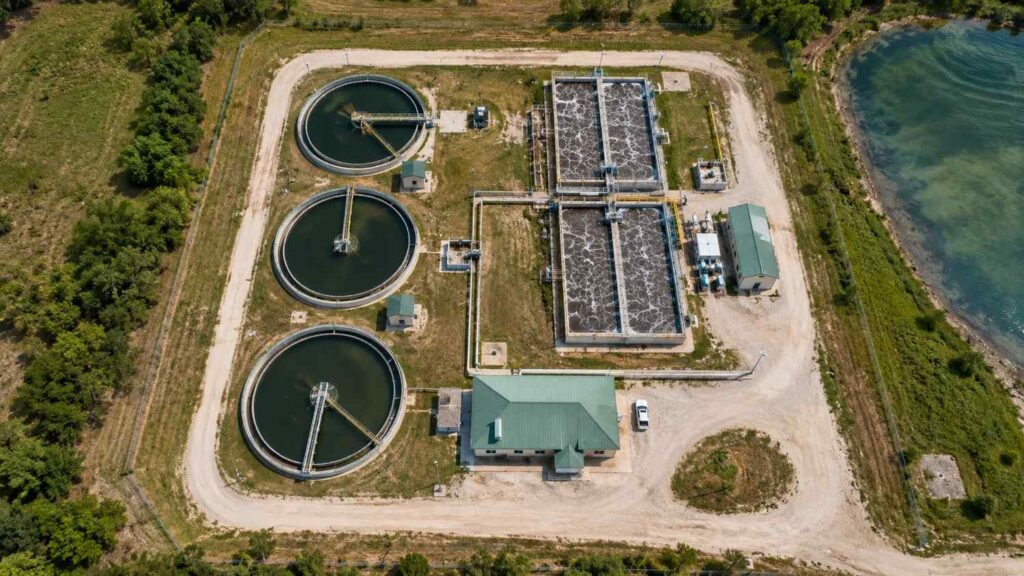
Water is a precious resource that needs to be managed properly in order to sustain the environment and our economy. A wastewater treatment plant is an important part of our water infrastructure, but it can be expensive to build and operate. Modeling wastewater treatment processes can help save resources and money by optimizing plant performance.