
Colorado CDPHE Discharge Permit Process: Timeline, Requirements, and How It Differs from Texas
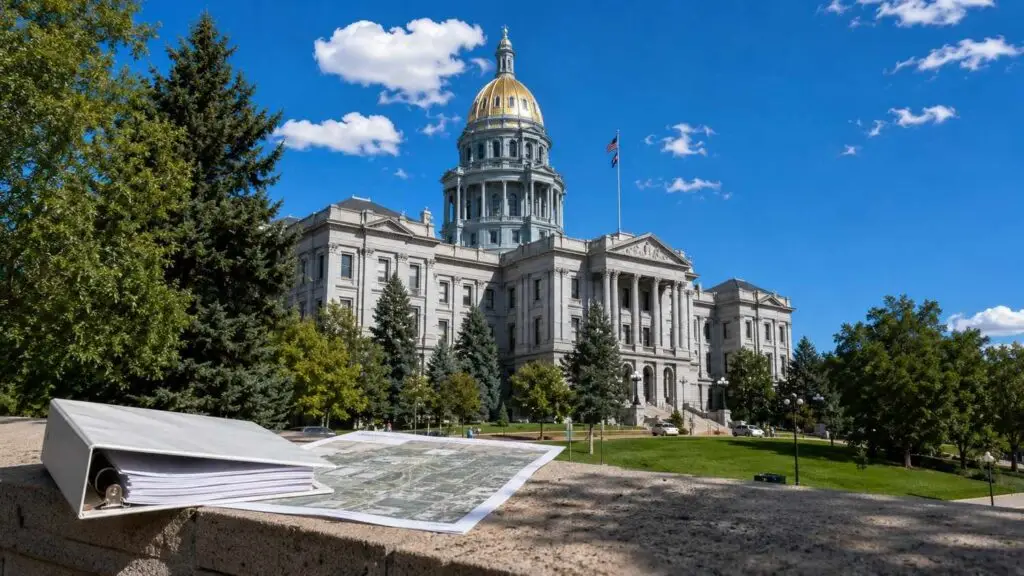
A developer or municipality that has successfully navigated Texas TCEQ discharge permitting and then assumes Colorado will follow the same general path is going to be surprised, and those surprises tend to show up as schedule delays, redesign costs, and funding gaps that were not in the original project budget. Colorado and Texas both regulate wastewater discharge under the federal Clean Water Act framework, but the agencies, the review culture, the water quality standards, and the practical timeline for getting a permit issued are different enough that they require a genuinely separate planning approach.
Plan of Reuse vs. Direct Discharge: Strategic Wastewater Disposal Decisions in Colorado
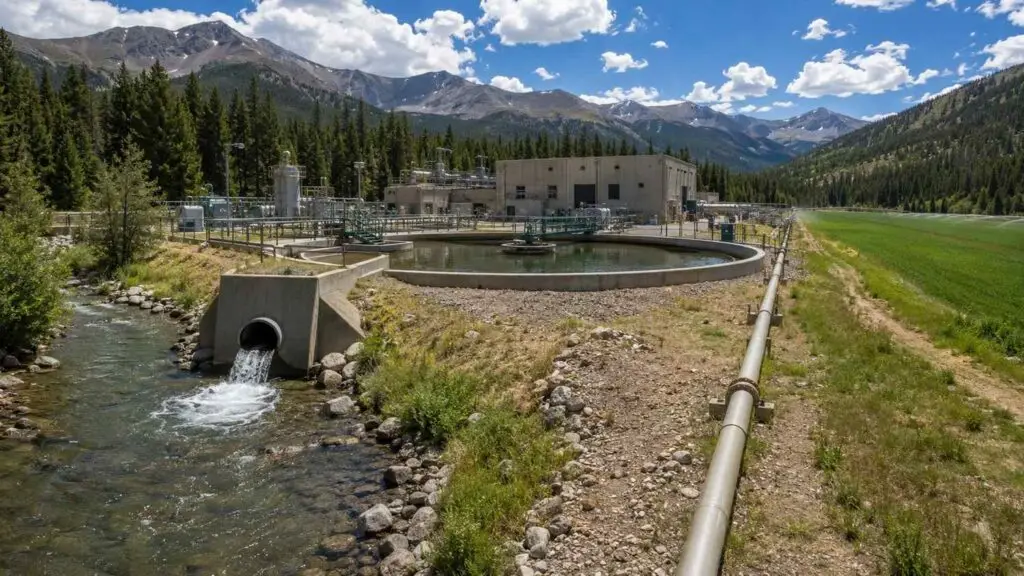
The question of what to do with treated wastewater in Colorado is not a permit category decision. It is a project strategy decision that affects land requirements, water rights, treatment levels, operating costs, regulatory review timeline, and long-term project feasibility. Developers and municipalities that treat wastewater disposal as a detail to resolve after the treatment plant is designed consistently discover that the disposal pathway they assumed was available either does not work for their site or costs far more than they planned.
Seasonal Flow and Snowmelt: Designing Colorado Discharge Permits for Extreme Hydrologic Variation
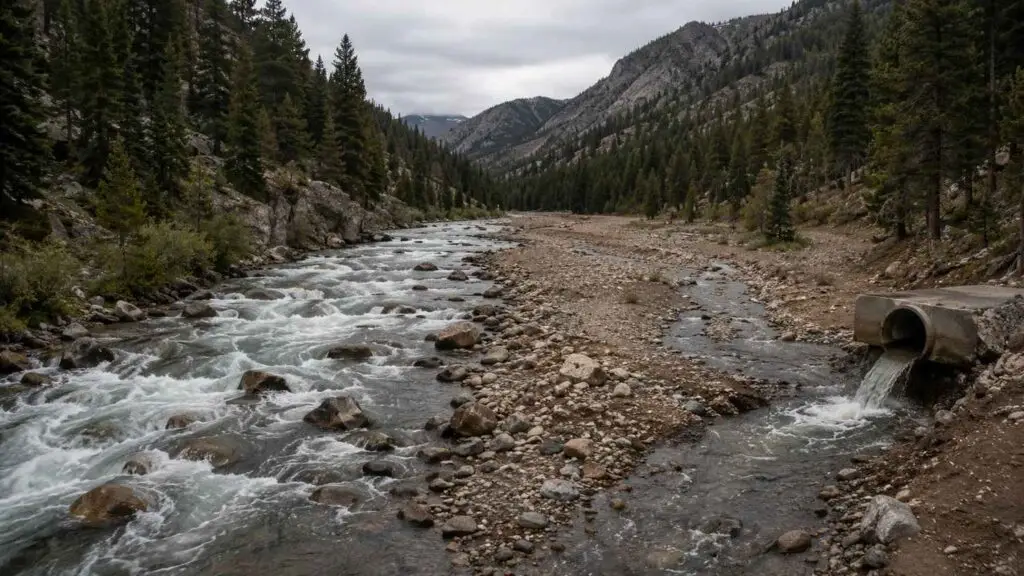
Colorado hydrology does not behave like a steady state engineering assumption. A mountain stream that runs at several hundred cubic feet per second during spring snowmelt can drop to a fraction of that flow by late summer and fall to a trickle in winter. A wastewater discharge that looks feasible and well-diluted during April runoff can become the dominant flow contribution to the same stream by September. If your discharge permit strategy was developed without accounting for that range of conditions, the permit limits you receive and the compliance challenges you face will reflect that oversight.