
Water Line Replacement in Dallas: How Developers Navigate Aging Trinity River Authority Infrastructure
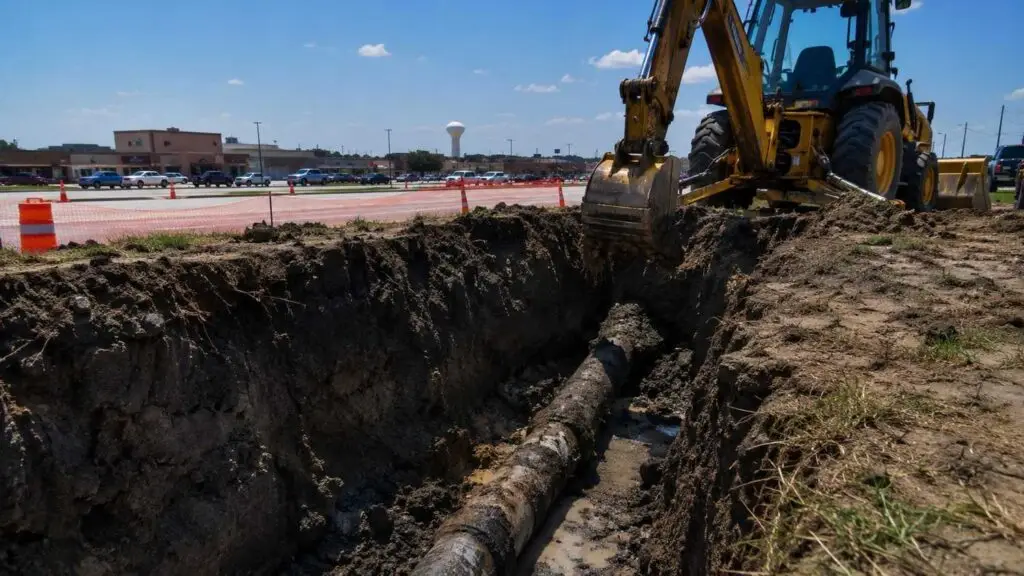
A site in the Dallas Fort Worth growth corridor can look completely developable on paper. Zoning is right, the pro forma works, and the water line running along the frontage road appears to solve the utility question before it is even asked. Then the utility capacity inquiry comes back, and the answer is that the existing line is forty years old, undersized for the proposed density, and any connection will require an offsite line replacement that the developer did not budget, did not schedule, and did not know was coming until the site plan was already deep into design. This is one of the most common and most avoidable sources of late stage schedule risk in Dallas-area development, and it deserves the same due diligence attention as zoning, environmental, and title work.
Every Month You Wait on TCEQ, Costs You $50,000 to $200,000
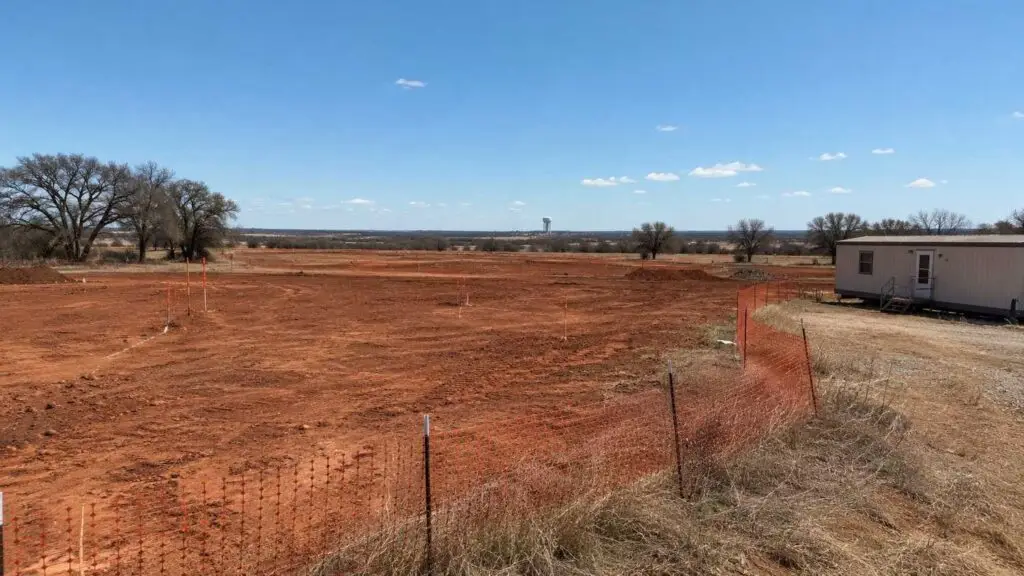
Developers across Texas are losing months, and millions, to permit queues that a faster pathway can sidestep entirely. Here is what your engineers should be telling you before you break ground.
Designing Water Systems for Arizona Battery Energy Storage Facilities
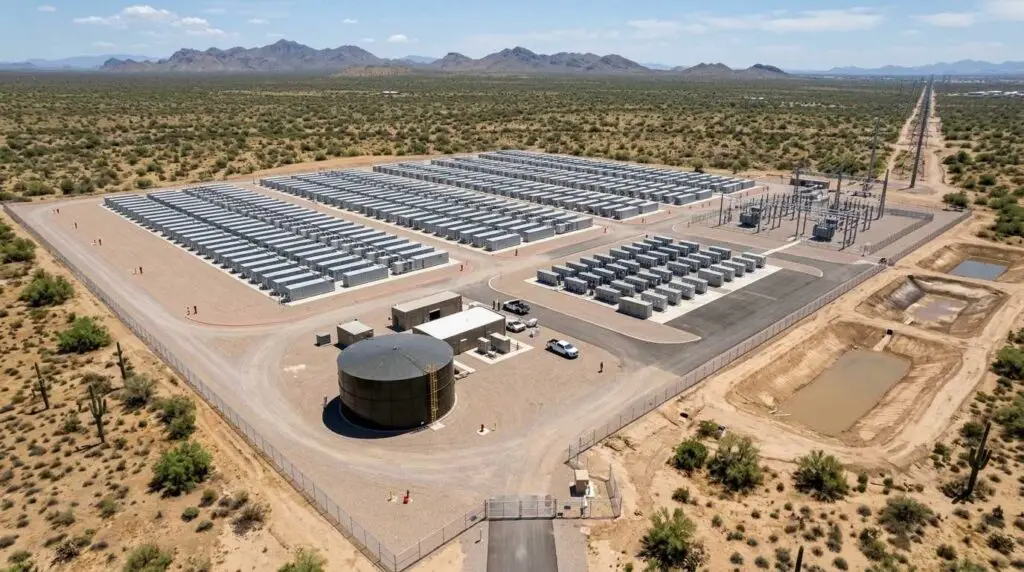
Battery energy storage facilities look simple on a site plan. Rows of containerized battery units, an inverter yard, a substation connection, and a gravel pad. The water infrastructure requirement appears minimal compared to a data center or a manufacturing plant. That appearance is misleading, and the developers who discover it too late are the ones dealing with fire marshal rejections, permit holds, and redesigns that push construction timelines into the next fiscal year. Water system design for a BESS facility in Arizona is not a background utility detail. It is a site feasibility and safety planning question that must be answered before entitlements are filed.