
I-35 Corridor Development Wastewater Feasibility: How to Avoid the Most Common TCEQ Errors in Hays County
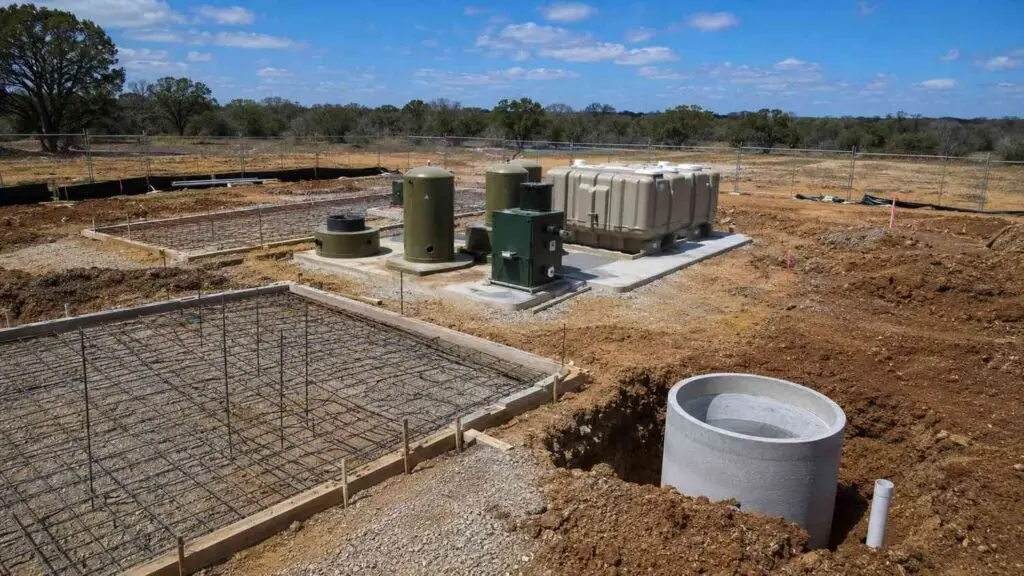
Hays County is growing faster than its wastewater infrastructure can keep pace with, and the I-35 corridor between Austin and San Antonio is the epicenter of that pressure. Developers who have permitted projects successfully elsewhere in Texas are discovering that a wastewater strategy assembled quickly and submitted to TCEQ without the level of technical rigor the agency now expects for this corridor comes back with deficiency letters, requests for additional information, and months of delay that were entirely avoidable. The mistakes are not exotic. They are the same handful of errors showing up project after project, and they are almost all preventable with the right feasibility work done before the application is submitted, and ideally before the land closes.
LCRA Water Rights and New Development: What You Need to Know Before Breaking Ground East of Austin
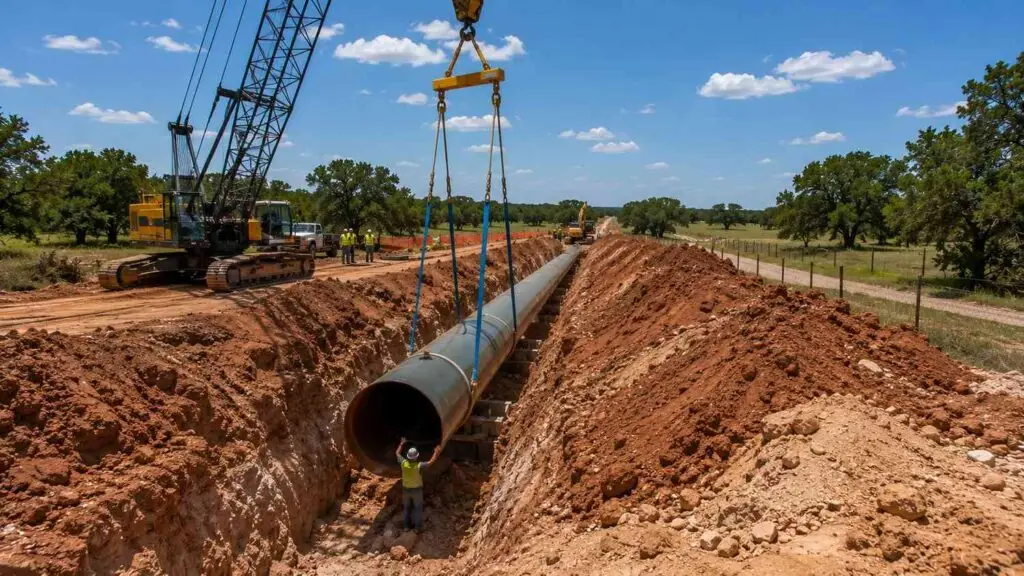
The growth corridor east of Austin, running through Bastrop, Caldwell, and eastern Travis County, is absorbing development pressure that the region’s water supply and utility infrastructure was not originally built to handle. Unlike a purely municipal water question where the answer usually comes down to distribution system capacity, water supply feasibility in this corridor frequently runs through the Lower Colorado River Authority, a regional river authority with its own water rights, wholesale contracts, and drought management priorities that operate on a timeline and logic distinct from any individual developer’s project schedule. A tract that looks straightforward on paper can turn out to depend on water supply arrangements that take years to negotiate and are subject to conditions the developer has no ability to control.