
Reactive Clay Soils and Buried Utility Design: Engineering Water and Sewer Lines on Eagle Ford and Austin Chalk Formations
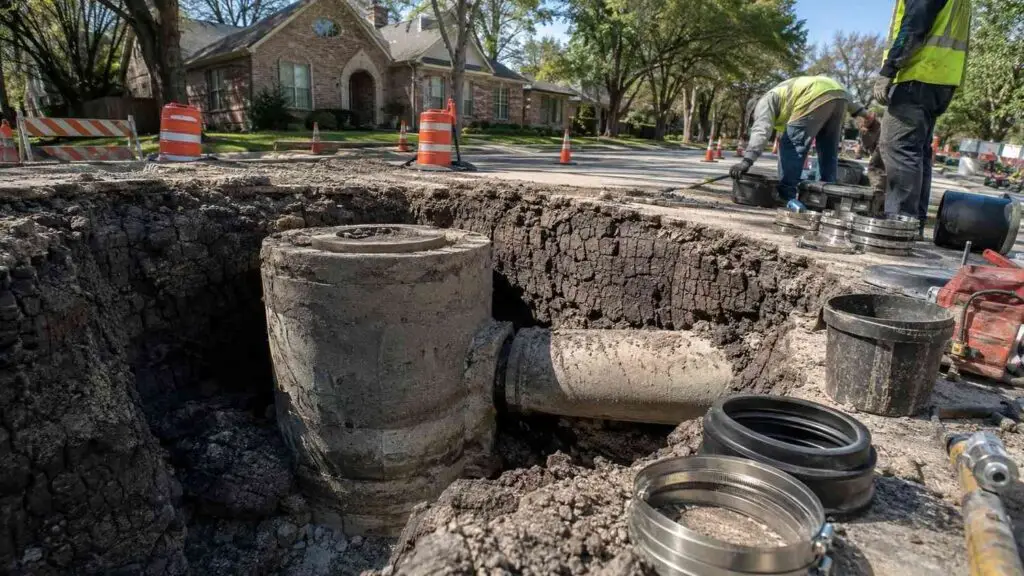
A water main and a sewer line don’t care what a site plan says about them. They care what the soil around them does over the following twenty, thirty, or fifty years, and in large parts of the Dallas area, sitting on Eagle Ford Shale or Austin Chalk formations, that soil doesn’t sit still. Reactive clay soils common to these formations expand when they get wet and contract when they dry out, and a buried pipe that isn’t specifically designed around that movement is a pipe that’s accumulating stress, joint deflection, and settlement risk from the day it’s backfilled, whether or not any of that shows up as a visible problem until years later.
Sanitary Sewer Overflow Risk in Dallas’s Older Watersheds: What White Rock and Turtle Creek I&I History Means for Infill Developers
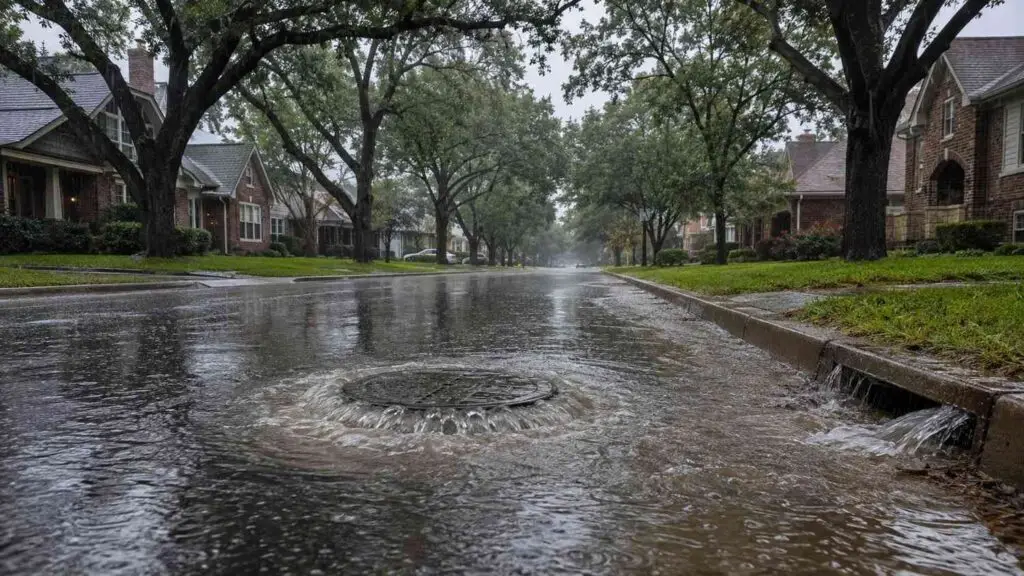
Being inside Dallas city limits with an existing sewer main running along the street frontage feels like the wastewater question is already answered. For infill development in some of Dallas’s older watersheds, including the neighborhoods draining toward White Rock Creek and Turtle Creek, that assumption is exactly where wastewater due diligence should start, not stop. Sewer infrastructure in these watersheds was installed decades before current infill densities, current design standards, or current wet weather flow expectations existed, and a lot of it has been carrying inflow and infiltration loads for years that weren’t part of its original design basis. A site inside the city limits with a sewer main at the curb is not automatically a site with adequate, reliable sewer capacity, and treating those two things as the same has created real schedule and cost problems for infill developers who found this out during city review rather than during due diligence.