
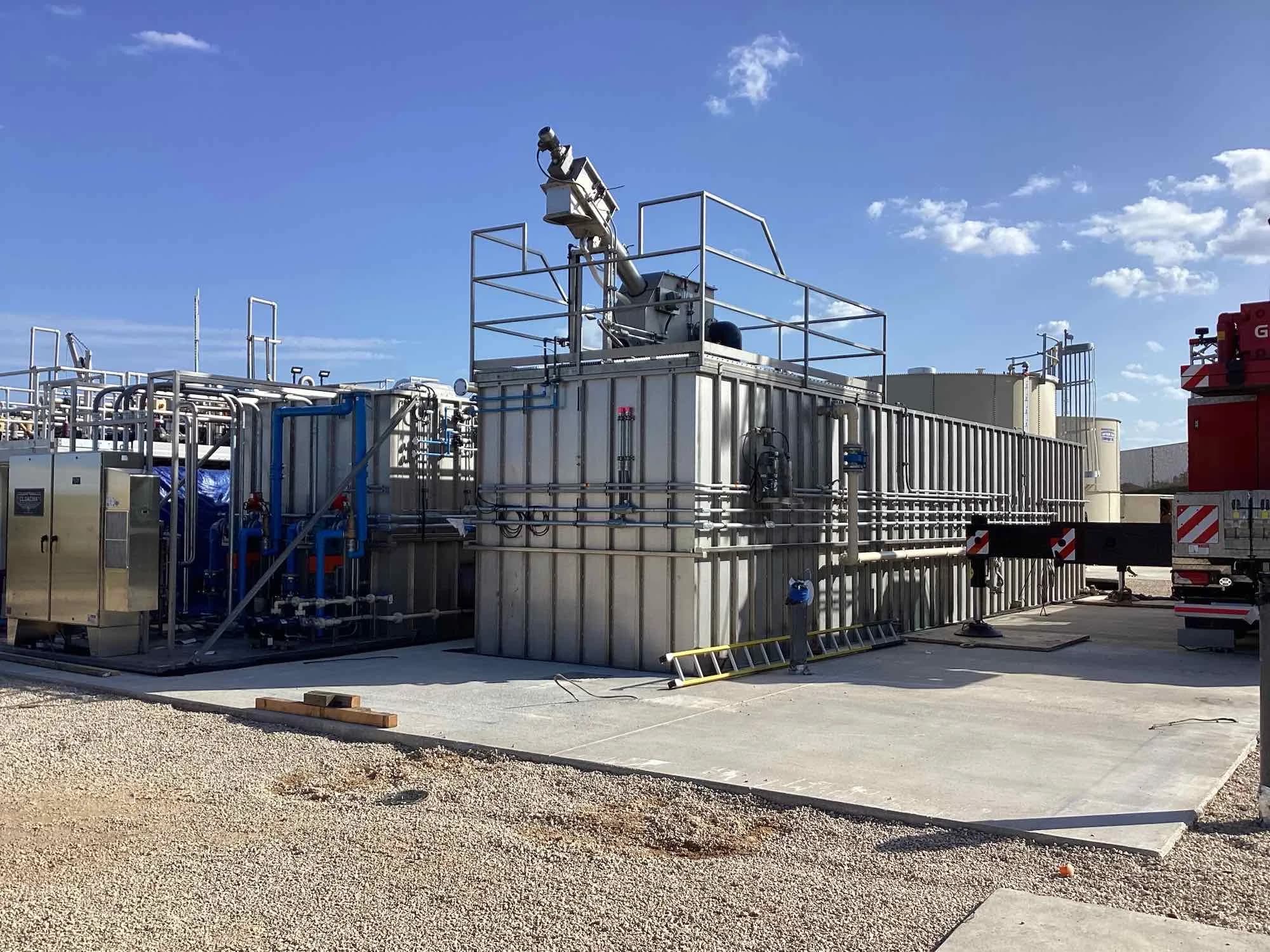
Taylor, TX
Business park reuse after a county septic denial in Taylor, TX
A TCEQ 210E reuse authorization in 4 weeks kept a Taylor, Texas, business park on schedule after the county denied septic.
Read the projectSite feasibility and due diligence
We list every permit your site needs, put them in the order that protects your schedule, and rank the site conditions most likely to add cost.
Before you commit design money, you need to know what has to be permitted and what could cost more than planned. This review is the part of our site feasibility review and site assessment that answers both. It is a decision-grade screen, not a design.
The draft report reaches you within 3 business days after the site walk and receipt of your site information, and the final follows one round of your comments. Scheduling the walk and agency responses are outside that clock. The durations in the matrix are typical, not promises: each agency sets its own review time.
The cost ranges are not an opinion of probable construction cost. They tell you which conditions to price, such as a water tank or hydrant a fire code official may require, before you commit.
Each site is a fixed fee, credited toward the permitting scope if you proceed with us. A multi-site program gets portfolio pricing, sequenced by geography.
An engineer reads your note and tells you the pathway, the agencies involved and what decides cost and schedule.
Talk to an engineerProjects
Taylor, TX
A TCEQ 210E reuse authorization in 4 weeks kept a Taylor, Texas, business park on schedule after the county denied septic.
Read the projectTalk to an engineer
Not a salesperson. Someone who can tell you whether the pathway is real.
Your options, the agencies involved and the questions that decide cost and schedule.
No commitment to have the first call.
Prefer the phone? (214) 833-6748