
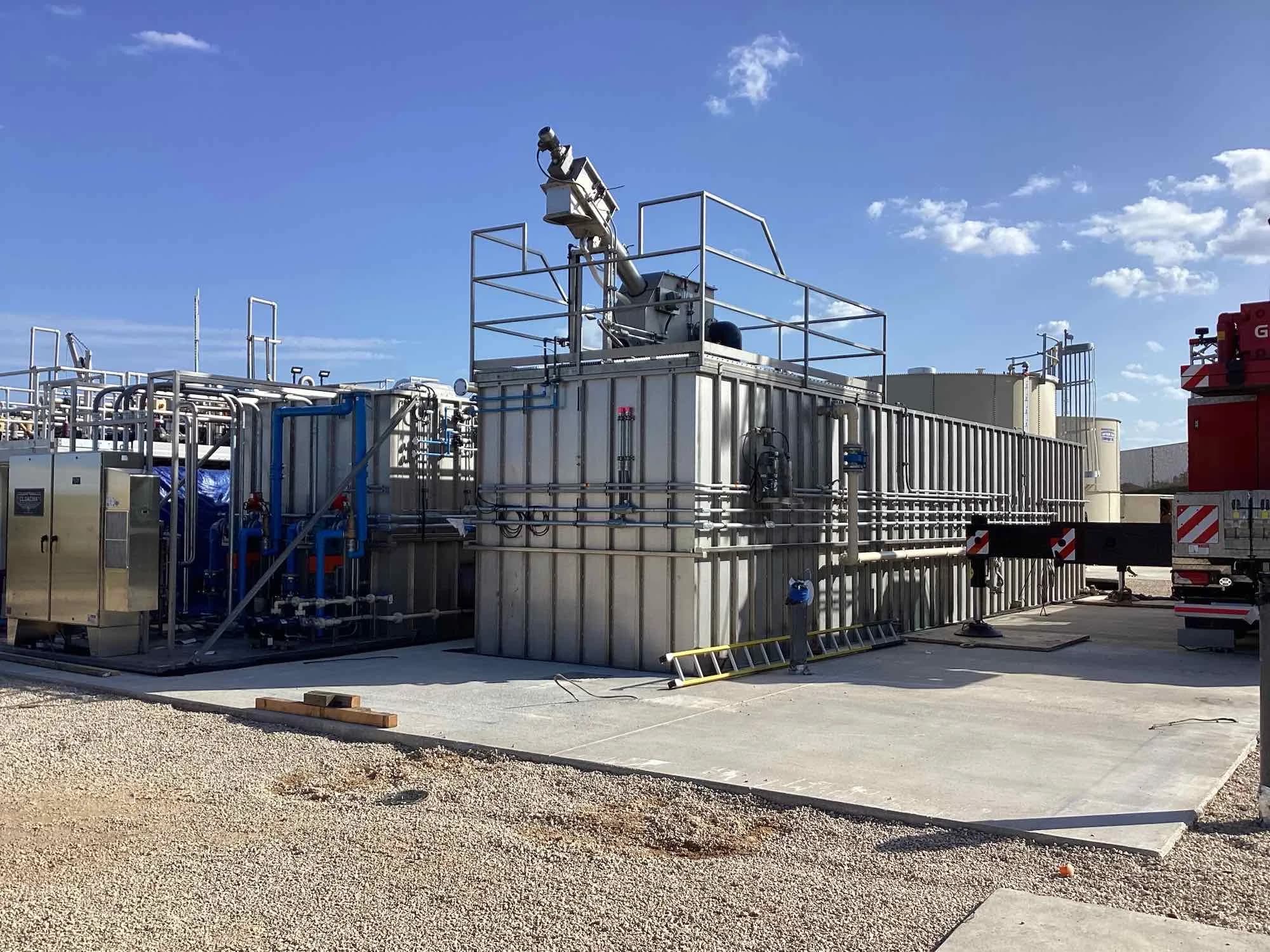
Taylor, TX
Business park reuse after a county septic denial in Taylor, TX
A TCEQ 210E reuse authorization in 4 weeks kept a Taylor, Texas, business park on schedule after the county denied septic.
Read the projectSite feasibility and due diligence
Before your option period ends, we find out who can serve the tract with water and sewer, whether they have room for you, and what it takes if no one can.
Title work and a Phase I do not tell you whether a tract can be served. A main at the property line does not prove capacity. The pipe at your connection, every lift station downstream and the plant all need room for your flow. Only the utility's own commitment binds it, so we get its answer in writing.
In the first week after you go under contract. During the option period, the answers can still change the price, the structure or the decision to close. After closing, you carry the problem at the price you paid.
A written answer: can the site be served, by which path, at what cost range, and with which permit steps in what order. If it cannot be served on your schedule, we say so in writing. The findings go into a site assessment report reviewed by a licensed Professional Engineer.
The review is a fixed fee per site, credited toward our design and permitting if you go ahead. One site or several can go in one review.
An engineer reads your note and tells you the pathway, the agencies involved and what decides cost and schedule.
Talk to an engineerProjects
Taylor, TX
A TCEQ 210E reuse authorization in 4 weeks kept a Taylor, Texas, business park on schedule after the county denied septic.
Read the projectKeep reading
Talk to an engineer
Not a salesperson. Someone who can tell you whether the pathway is real.
Your options, the agencies involved and the questions that decide cost and schedule.
No commitment to have the first call.
Prefer the phone? (214) 833-6748