
TCEQ’s Power Reliability Requirements: Generator vs. Dual Feed Design
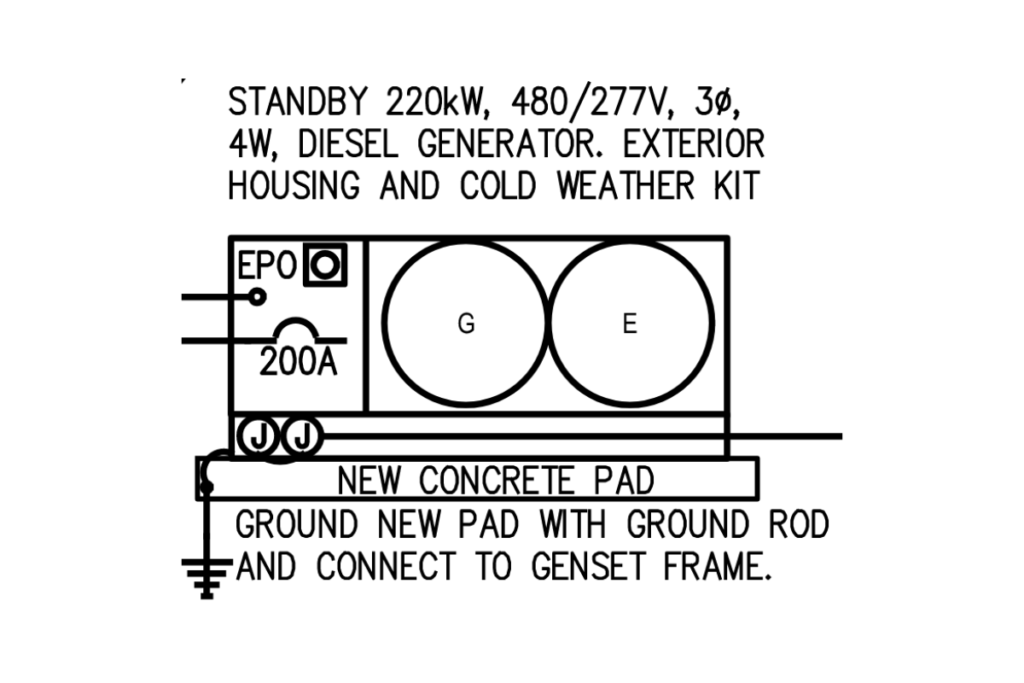
The Texas Commission on Environmental Quality (TCEQ) requires every regulated water and wastewater facility to demonstrate that essential systems will continue to operate during an electrical outage. This requirement is not just a formality; without backup power, a distribution system can lose pressure in a matter of minutes, disinfection can stop, and wastewater lift stations can overflow. Any of these conditions can create a direct public health hazard and, at the same time, put the utility in violation of its permit.
What You Should Know About Rainwater Collection Systems for Texas Communities
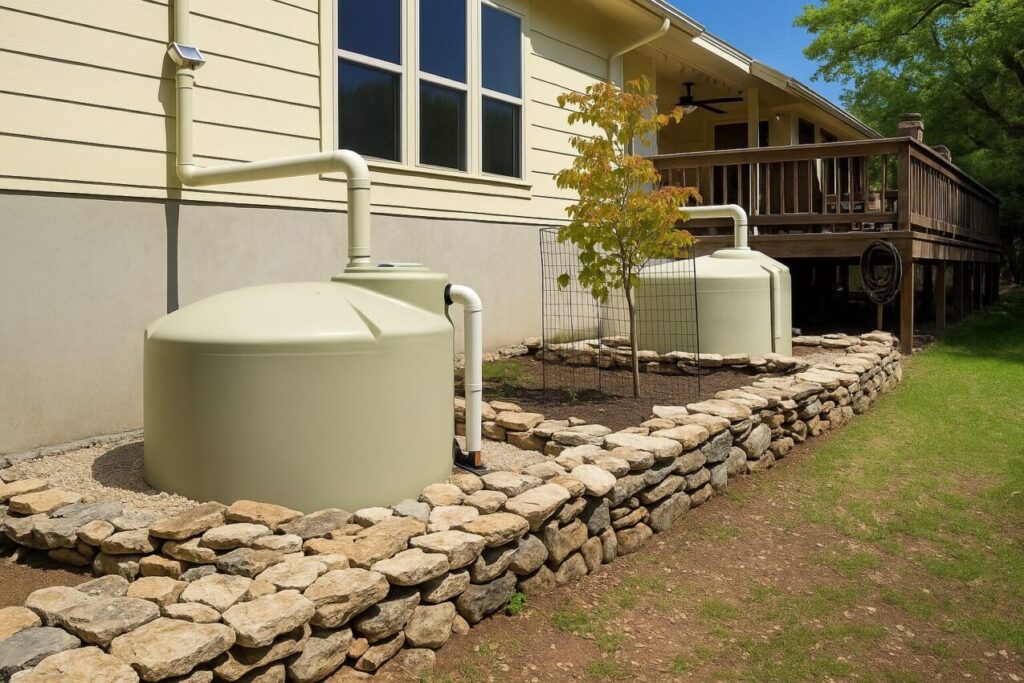
Texas weather plays by its own rules. When drought hits, cities watch their water bills climb alongside soaring tap fees and in some communities, new water taps are not being issued at all. When storms roll through, valuable rainwater rushes down storm drains instead of filling storage tanks. More Texas communities are turning this wasted resource into a budget-saving opportunity, especially where water access has become restricted.
Texas Wastewater Permitting Guide For Developer
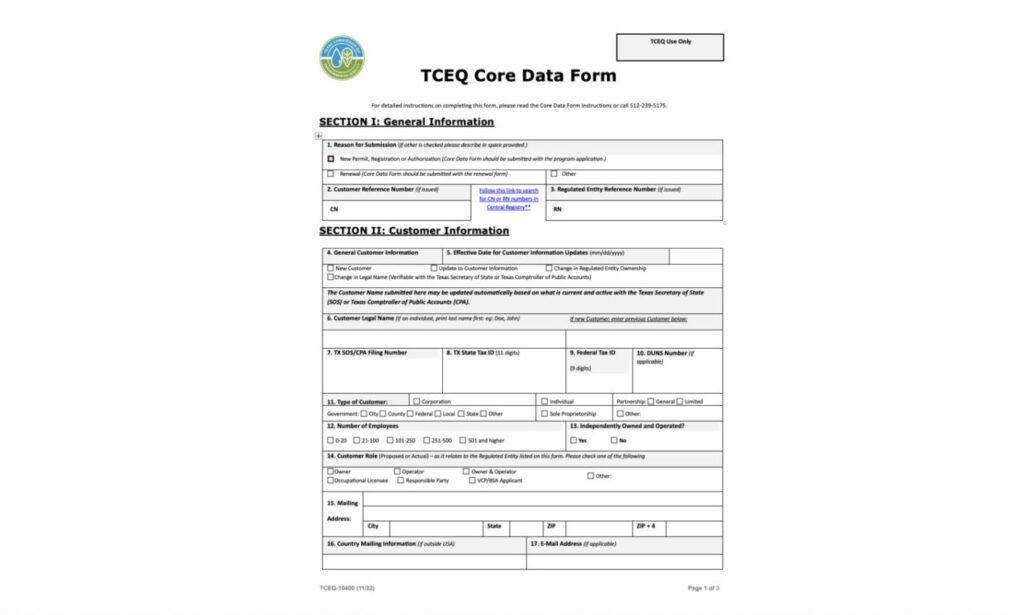
Texas wastewater permitting requires developers to obtain TCEQ approval before constructing or operating wastewater treatment facilities. The process involves three main permit types: TPDES (surface water discharge), TLAP (land application), and Chapter 210 (reclaimed water reuse).
Texas Land Development Application Process
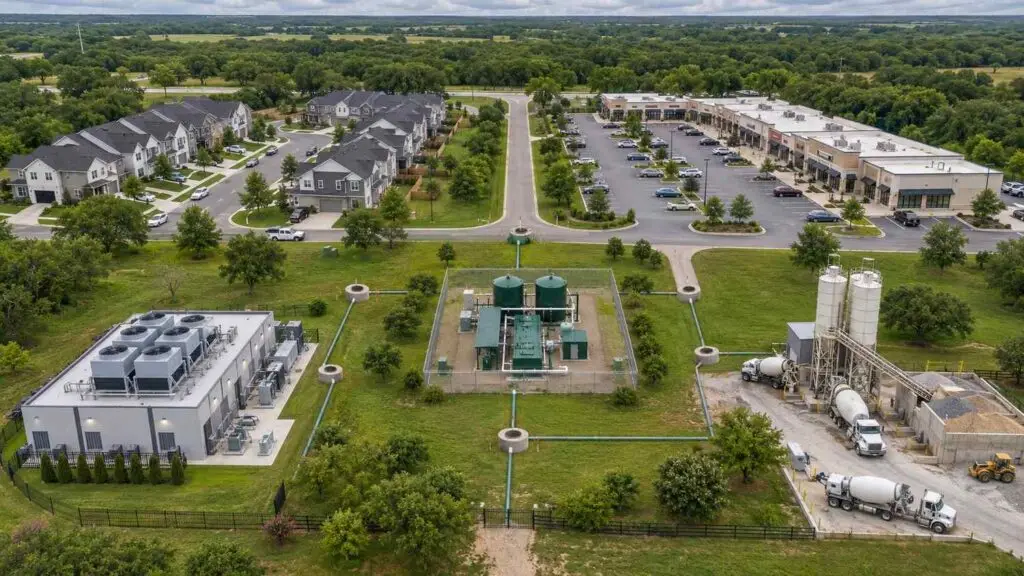
Starting September 1, 2019, Texas implemented new legislation under HB 3167 that created a new subdivision application process that affects development projects across the state. Whether you are developing a residential subdivision, a commercial site, or a mixed-use project in Texas, understanding the new requirements before you submit your application prevents delays and keeps your project on schedule.