
Edwards Aquifer Recharge Zone Development: What Austin Area Developers Must Do Differently for Wastewater
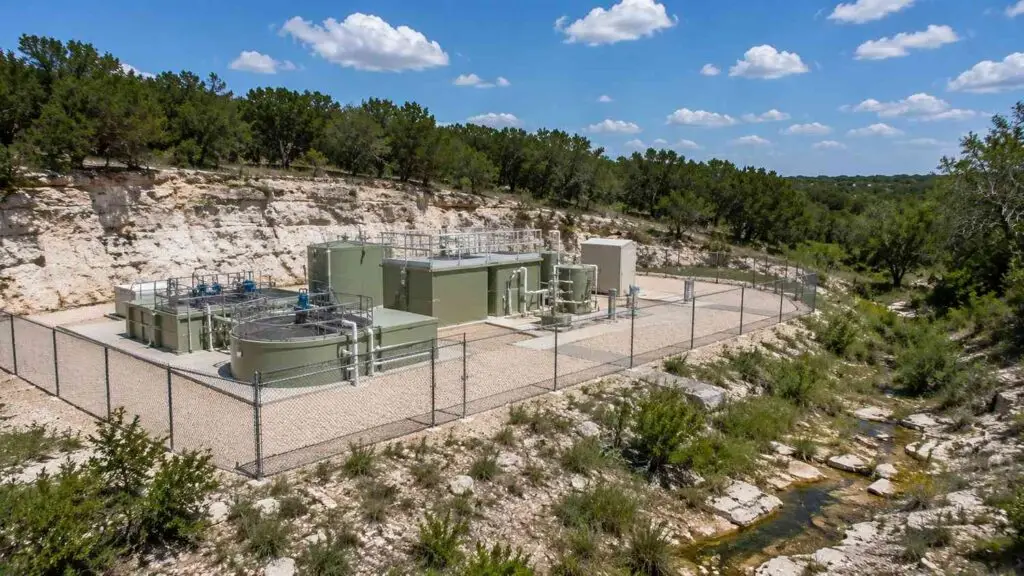
An Austin area developer who has permitted wastewater systems successfully in other parts of Texas can still get a rude introduction to the Edwards Aquifer Recharge Zone. The same TLAP or TPDES strategy that would move through TCEQ review in six months in a typical Central Texas county can face a fundamentally different level of technical scrutiny, additional design requirements, and, in some cases, outright disposal restrictions once a site sits within the recharge zone boundary. The Edwards Aquifer is not treated by TCEQ as just another groundwater resource. It is the primary drinking water source for well over a million Central Texans, it recharges through exposed karst limestone with minimal natural filtration, and the regulatory framework governing development within its recharge zone reflects that sensitivity directly in how wastewater infrastructure is reviewed and approved.
Wastewater Capacity in Fort Worth’s ETJ: What Happens When the City Won’t Annex Your Development
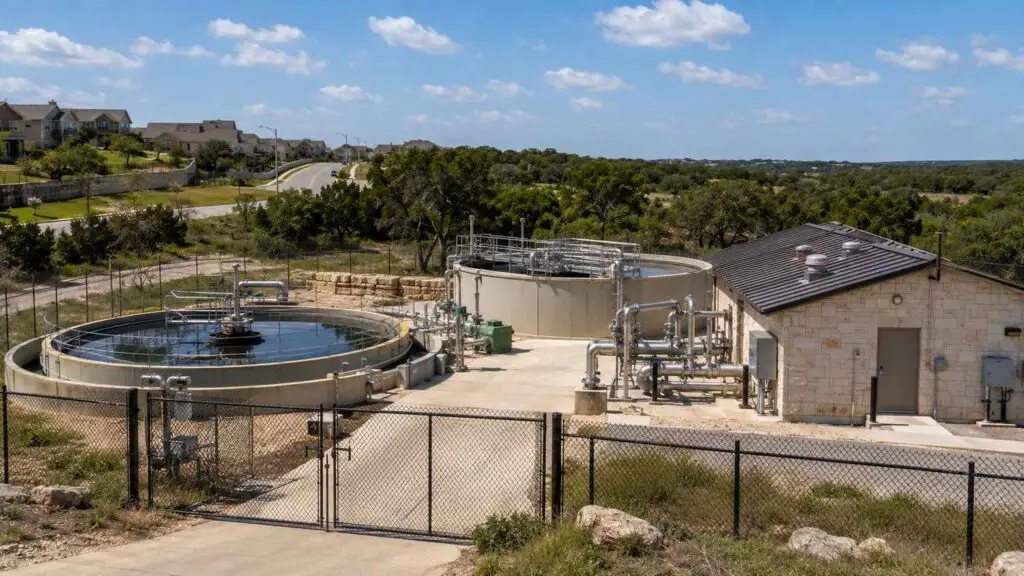
Fort Worth is one of the fastest growing cities in the country, and its extraterritorial jurisdiction stretches across a wide arc of land that developers reasonably assume will eventually get city sewer service, city annexation, and city level infrastructure investment. Reasonably, but not automatically, and not necessarily on the timeline a development’s financing and phasing plan requires. A land tract sitting inside Fort Worth’s ETJ is not the same thing as a land tract with confirmed sewer service, and the gap between those two conditions has derailed more than a few master-planned community pro formas that assumed proximity to a major city was itself a form of infrastructure guarantee.
Water Supply Planning for Master Planned Communities in Tarrant County: What Developers Get Wrong
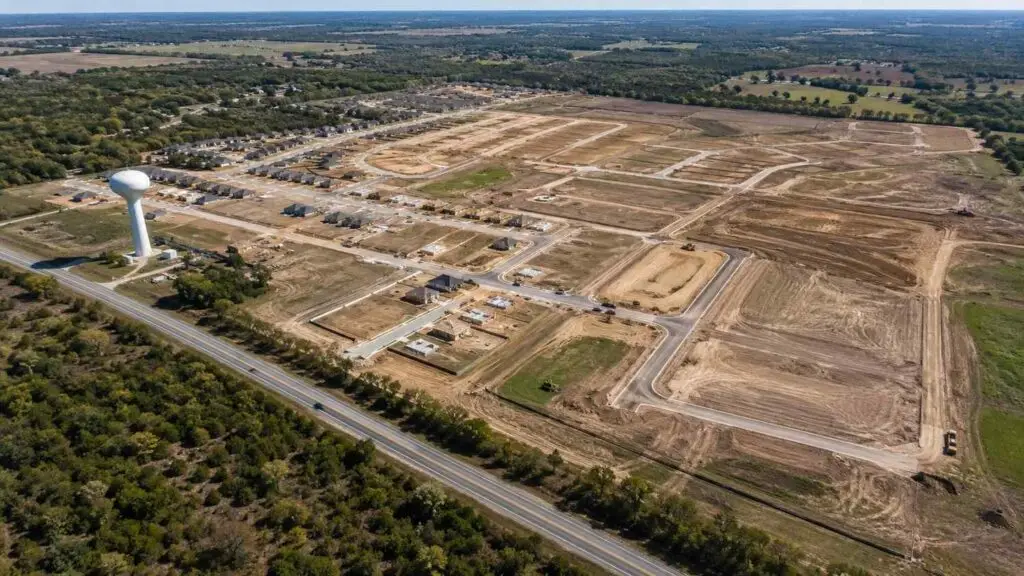
Tarrant County is absorbing some of the fastest residential growth in Texas, and master planned community developers are competing hard for large land tracts in growth corridors stretching from Fort Worth’s western edge through Aledo, Willow Park, Azle, and the county’s rural to suburban transition zones. The land acquisition team that closes fastest often wins the tract. But speed on the acquisition side creates a specific and recurring failure mode: water supply assumptions get made quickly, verified loosely, and locked into a phasing plan and pro forma before anyone has confirmed what the serving utility can actually deliver. By the time the gap surfaces, it is usually attached to a lot yield reduction, a phasing delay, or an unplanned capital cost that was never in the underwriting.