
Stormwater and Utility Coordination in McKinney’s High Growth Subdivisions: Avoiding the Common Redesign Trap
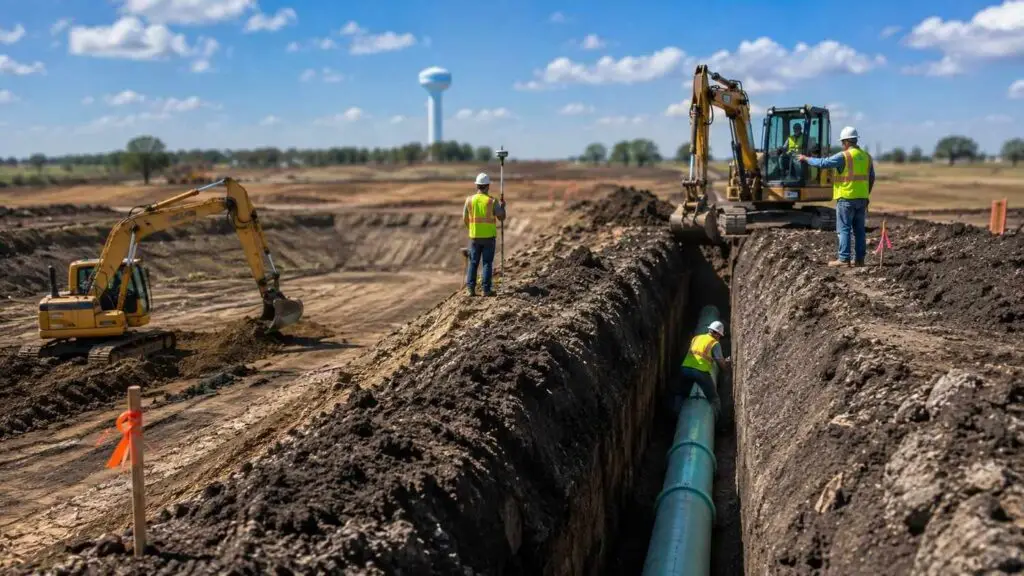
A subdivision layout that looks finished on paper, streets drawn, lots platted, detention pond dropped into the low corner of the site, can still be months from actually being buildable if nobody checked that layout against the utility routes it assumes will fit around it. This is the redesign trap that shows up repeatedly in McKinney’s fast growing subdivision market: a civil design team finalizes the lot layout and drainage plan first, then hands it to the utility design effort second, and discovers that the water line, sewer line, or lift station the project needs doesn’t actually fit where the site plan assumed it would, because the detention pond, an easement, or a drainage crossing is sitting exactly where the utility route needed to go.
NTMWD Connection vs. Private Treatment: The McKinney Developer’s Guide to Choosing the Right Wastewater Path
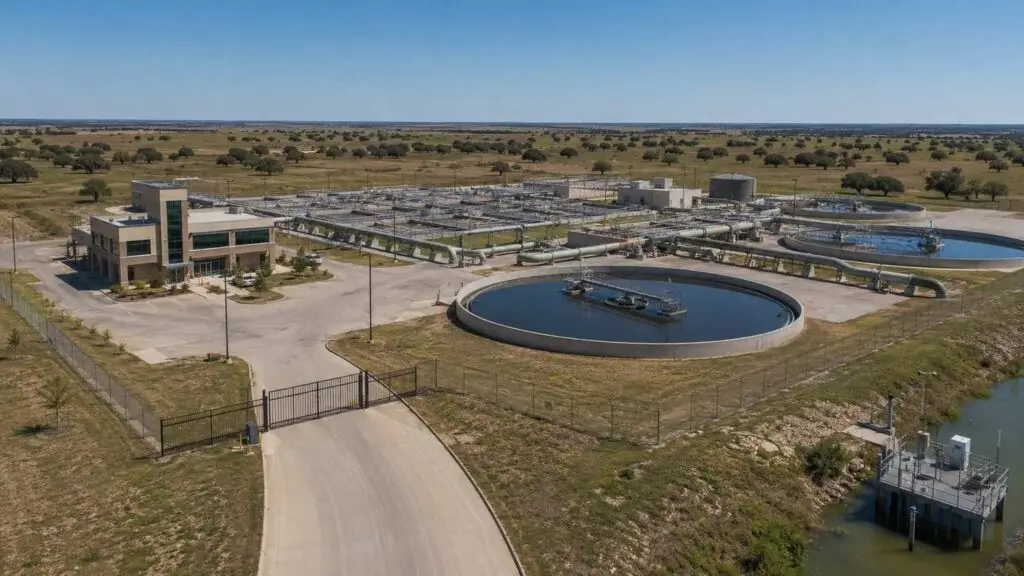
North Texas Municipal Water District service is the wastewater answer most McKinney-area developers reach for first, and in a large share of cases, it’s the right answer. Regional capacity, established infrastructure, and a governance structure that doesn’t require a developer to build and operate a treatment facility make NTMWD connection an appealing default. The mistake isn’t choosing NTMWD. The mistake is assuming it’s automatically available, automatically affordable, and automatically fast enough for your project’s timeline without actually confirming any of those three things before land closes or a site plan gets locked in.
Water Storage and Pressure Zone Design for McKinney’s Rolling Terrain: Engineering for Collin County Topography
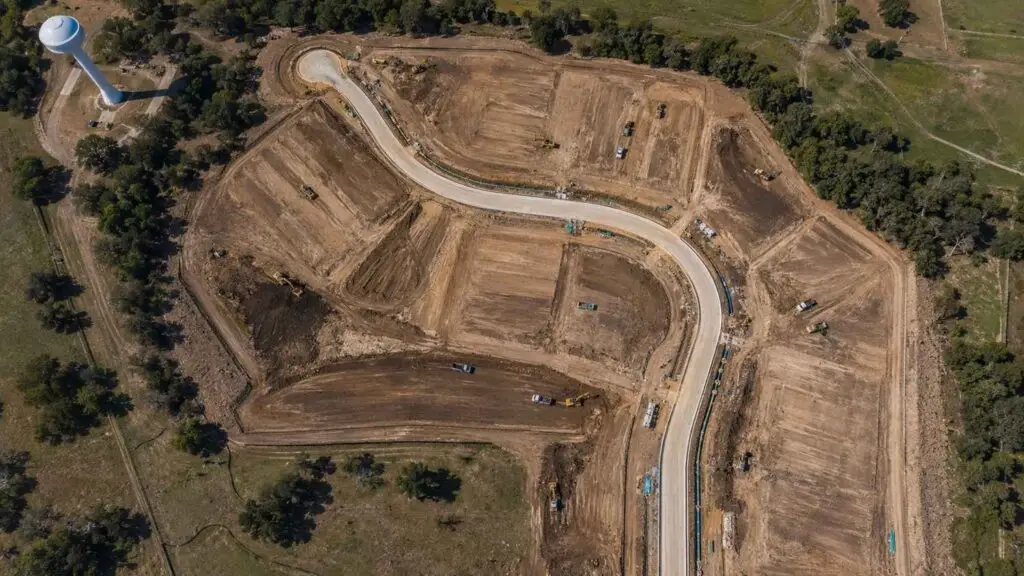
McKinney’s terrain doesn’t look dramatic on a windshield tour. There are no mountains, no steep bluffs, nothing that visually announces itself as an engineering challenge. That’s exactly what makes it deceptive. The gradual elevation changes across McKinney and the surrounding Collin County growth corridor, often fifty to a hundred feet of relief across a single development site, are more than enough to create real water pressure problems if a distribution system is designed around a flat terrain assumption instead of the site’s actual hydraulic profile. Developers discover this the hard way when a pressure complaint, a fire flow deficiency, or a redesign requirement shows up during construction plan review, well after the site layout and lot configuration were already finalized around a water system design that didn’t account for what the ground itself was doing.