Quick Answer
Food and beverage manufacturing facilities in the Dallas area generate process wastewater with characteristics, high biochemical oxygen demand, elevated total suspended solids, fats oils and grease, and variable pH, that most publicly owned treatment works regulate through industrial pretreatment programs requiring a discharge permit, sampling, and in many cases pretreatment equipment before the facility can connect to the sewer system. Facilities discharging directly to a water body rather than to a POTW require a TPDES permit from TCEQ, and any facility with outdoor material storage, loading, or process areas exposed to precipitation needs to evaluate industrial stormwater permit coverage. The realistic timeline from lease signing to full production discharge authorization can run anywhere from a few weeks for a straightforward low-strength waste stream connecting to a POTW with an established pretreatment program, to six months or longer for a high-strength waste stream requiring pretreatment system design, installation, and startup testing before the POTW will authorize full discharge. Evaluating wastewater permitting requirements before lease execution, not after, is the only reliable way to protect a production startup date.
Why Food and Beverage Wastewater Is Different From Typical Industrial Discharge
Food and beverage processing generates wastewater with characteristics that are fundamentally different from the wastewater a typical light industrial or warehouse tenant produces. Washdown water from processing equipment, floors, and containers carries organic residue, cleaning chemicals, and in some operations, blood, dairy solids, or fruit and vegetable processing byproducts that create biochemical oxygen demand and total suspended solids concentrations many times higher than typical domestic sewage. A bakery, a beverage bottling line, a dairy processing operation, or a meat and poultry facility can each produce wastewater with BOD concentrations in the thousands of milligrams per liter, compared to the two hundred to three hundred milligrams per liter typical of untreated domestic sewage, and TSS concentrations that follow a similarly elevated pattern.
Fats, oils, and grease are a particular concern for food and beverage facilities because they cause operational problems in the collection system beyond the treatment plant’s ability to process the organic load. FOG that is discharged without adequate removal accumulates in sewer lines, restricting flow and eventually causing blockages and overflows that create both an operational cost for the POTW and a public health and environmental compliance problem. Nearly every Dallas-area POTW pretreatment program includes specific FOG discharge limits and, for facilities with significant fryer, grill, or fat-rendering operations, a grease trap or grease interceptor requirement that must be sized correctly for the facility’s actual production volume, not just the building’s general use classification.
pH variability is another characteristic that distinguishes food and beverage wastewater from typical commercial discharge. Cleaning and sanitizing chemicals used in food processing facilities, including caustic cleaners and acid-based sanitizers, can produce wastewater with pH excursions well outside the six to nine range that most POTW pretreatment programs require at the point of discharge. A facility that runs a caustic cleaning cycle followed by an acid rinse without adequate neutralization or equalization can produce discharge events that violate the local limit even if the facility’s average daily discharge would otherwise be compliant, and pretreatment program inspectors specifically look for this pattern when reviewing food and beverage facility compliance history.
Local Limits, Industrial Pretreatment Programs, and POTW Coordination
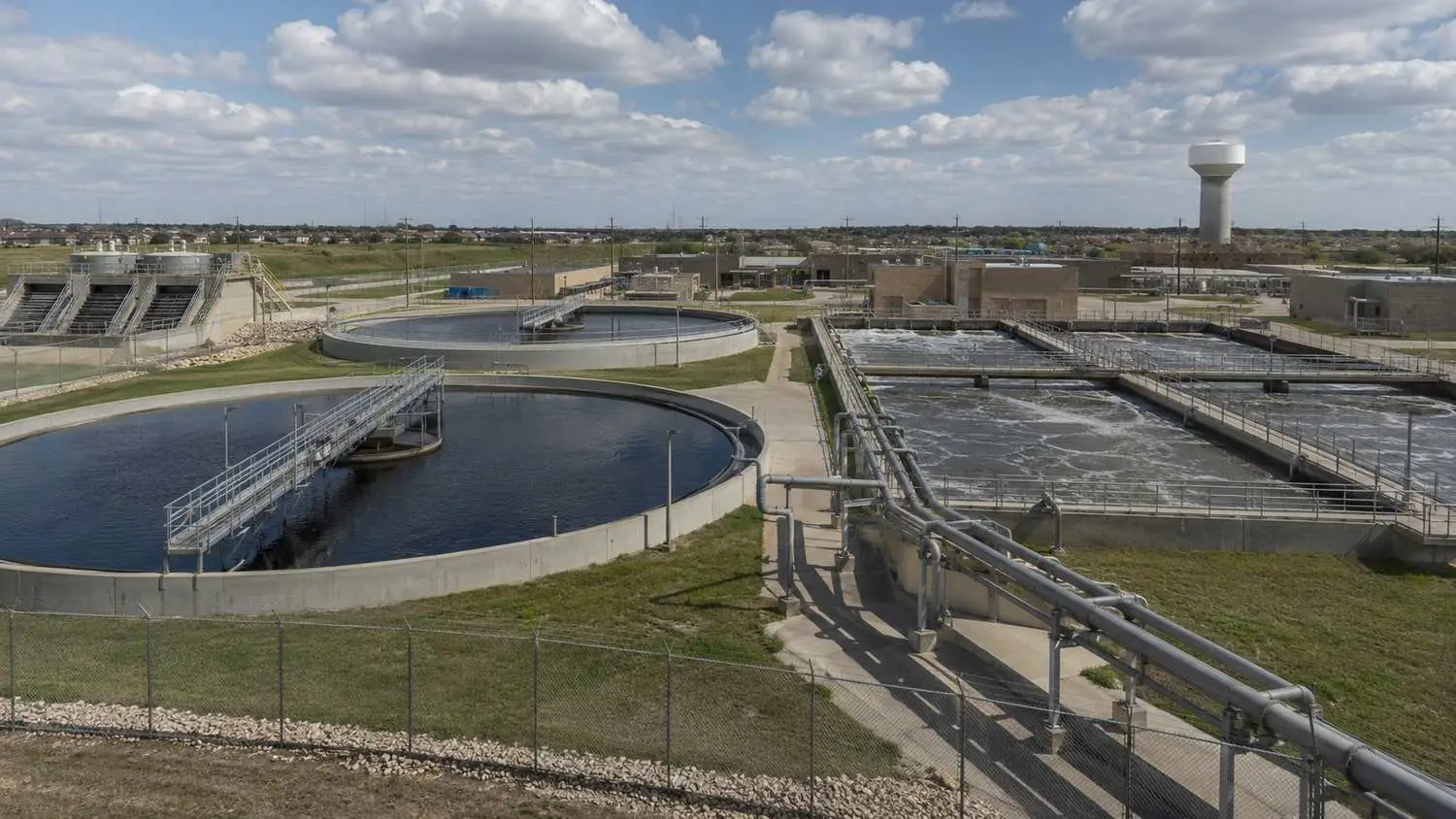
Most Dallas area municipalities and utility districts that operate a publicly owned treatment works have an approved industrial pretreatment program under the federal Clean Water Act’s General Pretreatment Regulations, administered with TCEQ oversight in Texas. The pretreatment program establishes local discharge limits for specific pollutants, categorizes industrial users by their discharge characteristics and volume, and requires significant industrial users to obtain an industrial wastewater discharge permit from the POTW before connecting to or discharging into the sewer system. Food and beverage manufacturers are almost always classified as significant industrial users given their typical BOD, TSS, and FOG discharge characteristics, which means the industrial discharge permit process is not optional and cannot be skipped by simply connecting to an available sewer line.
The industrial discharge permit application process requires the facility to characterize its anticipated wastewater discharge, including flow volume, BOD, TSS, FOG, pH range, and any other pollutants of concern based on the specific processing operations. For a new facility without operating history, this characterization relies on process water balance calculations, equipment specifications, and comparison to similar operations, which requires engineering analysis rather than a simple estimate. The POTW’s pretreatment coordinator reviews the application, may request additional information or a pilot discharge characterization, and determines whether the facility’s anticipated discharge will comply with local limits as proposed or whether pretreatment equipment will be required as a permit condition.
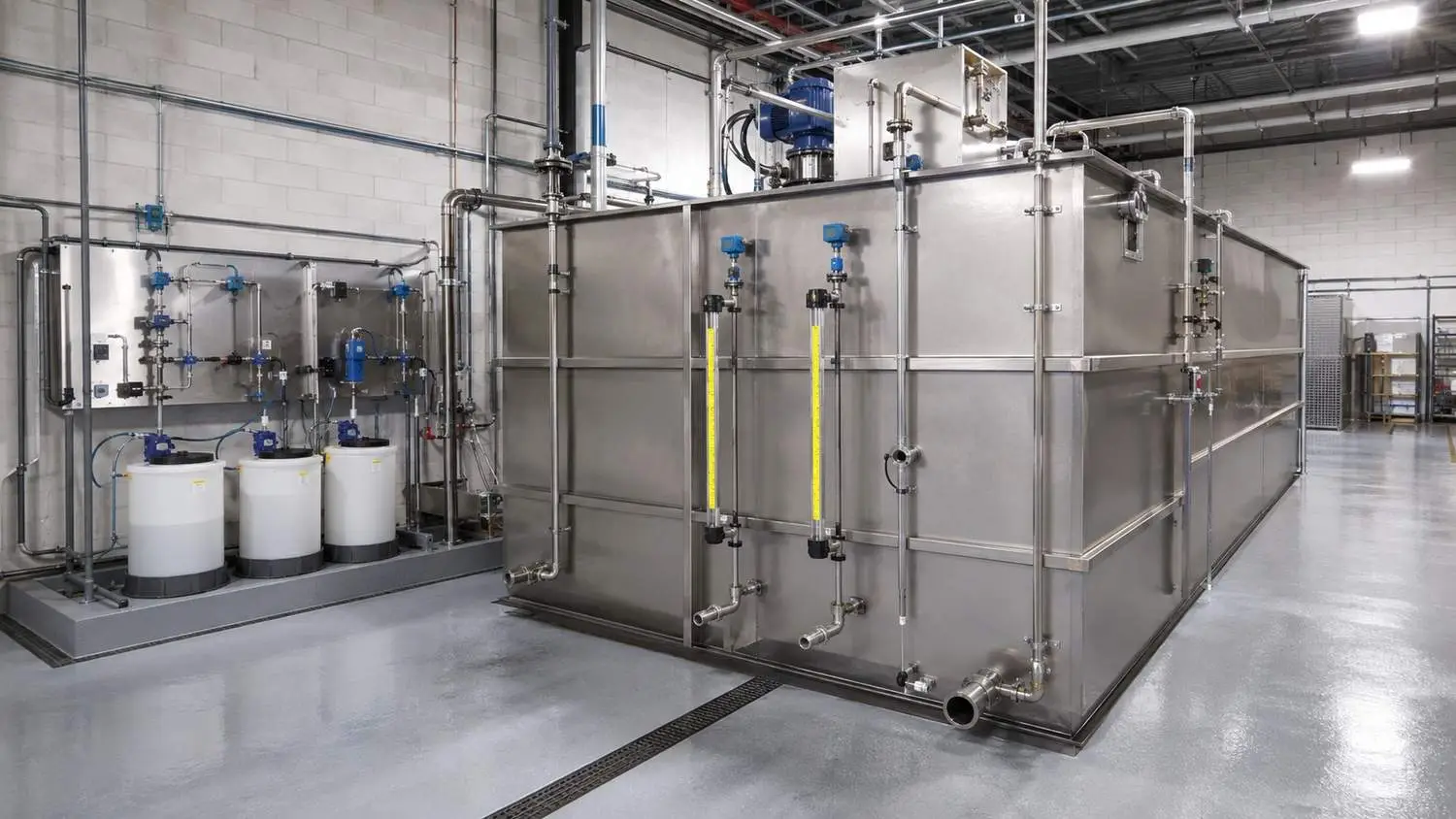
When the POTW determines that pretreatment equipment is required, the facility must design, permit if applicable, procure, install, and commission that equipment before the POTW will authorize full production discharge. Common pretreatment technologies for food and beverage facilities include grease interceptors and traps for FOG removal, equalization tanks that buffer flow and concentration variability before discharge to the sewer, pH neutralization systems that automatically dose acid or caustic to bring discharge within the required pH range, and in cases with particularly high-strength waste streams, dissolved air flotation systems or other pretreatment technology that reduces BOD and TSS before discharge. Each of these technologies has its own procurement lead time, installation requirement, and startup testing period, and a facility that discovers the pretreatment equipment requirement late in its buildout schedule is adding that lead time directly onto its production startup date.
TPDES Permits for Facilities Discharging Directly to Water Bodies
Some Dallas area industrial sites, particularly in more rural or outlying areas of the region, are not served by a POTW and must evaluate direct discharge to a water body under a TPDES permit issued by TCEQ, following the same regulatory framework that governs municipal and private wastewater treatment plant discharges. A food or beverage manufacturer proposing direct discharge must design a treatment system capable of meeting effluent limits established for the specific receiving water, which for high strength food processing waste typically requires biological treatment capable of substantial BOD and TSS removal, not just the pretreatment level of treatment that would be adequate before discharge to a POTW with further treatment capacity downstream.
TPDES permit application review by TCEQ follows a defined regulatory timeline that includes technical review, a public notice and comment period, and in some cases a contested case hearing process if the application draws opposition. For a new TPDES permit application, the realistic timeline from a complete application submission to final permit issuance commonly runs nine to eighteen months, and this timeline should be factored into any project schedule for a facility that will require a new TPDES permit rather than connection to an existing POTW. Facilities evaluating a site in an area without POTW service should treat the TPDES permitting timeline as a primary schedule driver for the entire project, not as a parallel activity that will complete alongside faster moving construction and equipment procurement activities.
Industrial Stormwater Permitting for Food and Beverage Sites
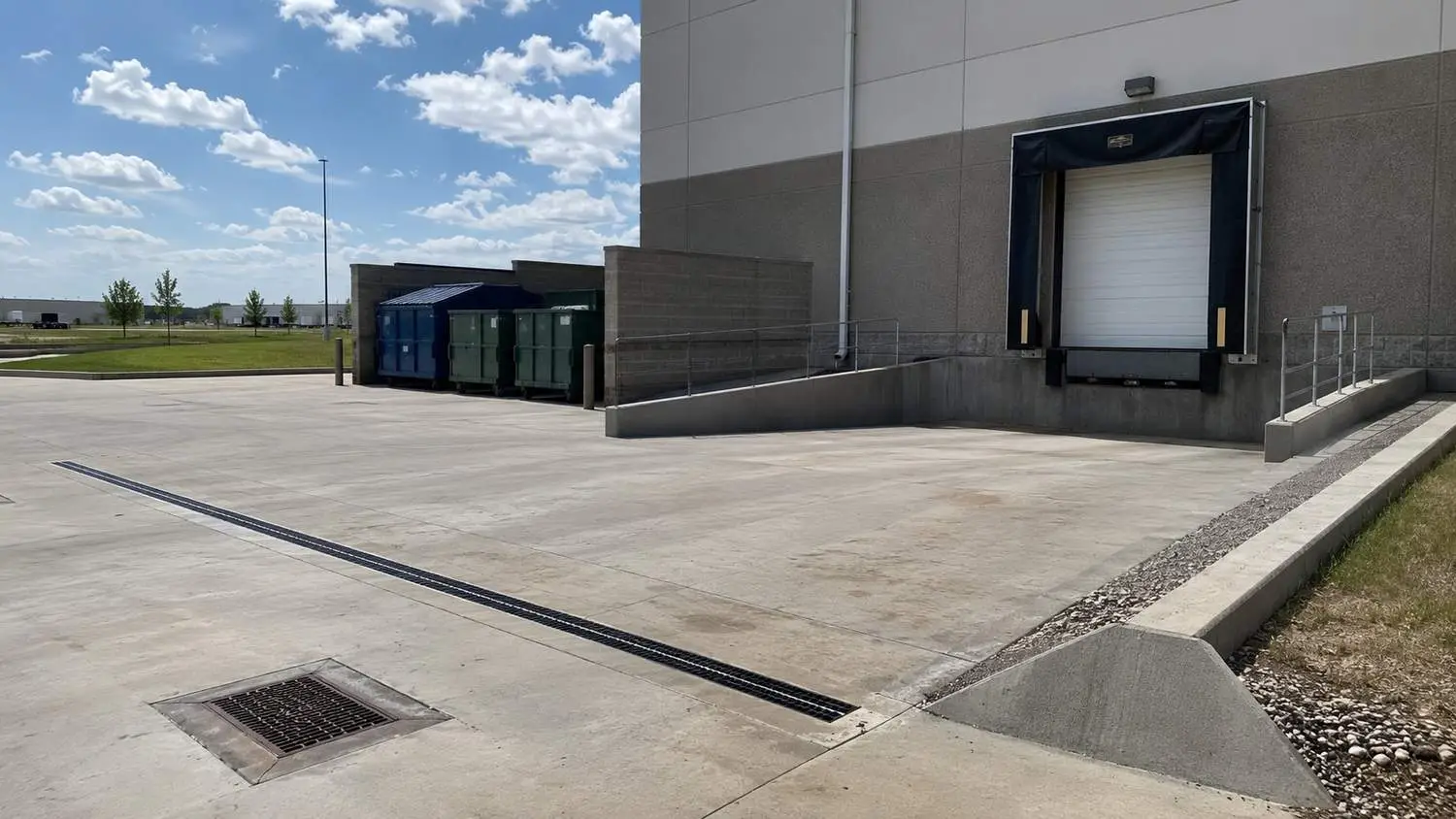
Food and beverage manufacturing facilities with outdoor material storage, loading dock areas exposed to precipitation, outdoor equipment washdown areas, or outdoor waste storage require evaluation under TCEQ’s Multi-Sector General Permit for industrial stormwater discharge. The Multi Sector General Permit identifies specific industrial sectors, including food and beverage processing subcategories, that are covered by the permit and establishes sector-specific requirements including stormwater pollution prevention plan development, visual monitoring, and in some cases benchmark monitoring for specific pollutants associated with the sector’s typical operations.
Facilities that determine their operations trigger Multi Sector General Permit coverage must submit a Notice of Intent to TCEQ before discharging stormwater associated with industrial activity, and coverage generally becomes effective a defined number of days after the Notice of Intent is submitted, assuming no additional TCEQ review is triggered. Developing the stormwater pollution prevention plan required under the permit requires a site assessment that identifies pollutant sources, existing and needed stormwater controls, and the specific monitoring program the facility must implement, and this work should be completed before the facility begins operations that involve outdoor material handling, not treated as a compliance item to be addressed after an inspection identifies a gap.
Construction-related stormwater permitting is a separate consideration for facilities involving new construction or significant site disturbance, requiring coverage under TCEQ’s Construction General Permit for the duration of land disturbing construction activity. For a tenant improvement project inside an existing building shell with no significant outdoor site disturbance, construction stormwater permitting is typically not triggered, but for a build-to-suit facility or a project involving expanded parking, loading areas, or outdoor processing infrastructure, the construction general permit requirements should be evaluated as part of the overall project permitting scope.
Building Wastewater Permitting Into the Facility Startup Schedule
The practical lesson for food and beverage manufacturers evaluating Dallas-area facilities is that wastewater and stormwater permitting can be the longest lead time item in the entire startup process, longer than equipment procurement, longer than tenant improvement construction, and in some cases longer than the entire lease negotiation and site selection process combined. A facility that assumes wastewater permitting will be a routine formality handled during the final weeks before opening is a facility at serious risk of a startup delay measured in months, with the associated carrying cost of a leased or purchased facility that cannot yet generate production revenue.
The practical mitigation for this risk is straightforward: initiate the wastewater characterization and POTW or TCEQ coordination process during site selection and lease negotiation, before the lease is signed or the purchase closes. A preliminary discussion with the local POTW’s pretreatment coordinator, informed by a realistic process wastewater characterization prepared by an engineer familiar with the specific type of food or beverage processing planned, will identify whether pretreatment equipment is likely to be required, what the anticipated approval timeline looks like, and what documentation the POTW will expect. This information, obtained before lease commitment, allows the manufacturer to build a realistic and defensible startup schedule and to negotiate lease terms, including free rent or tenant improvement allowances, that account for any wastewater permitting timeline that will delay the start of production.
Frequently Asked Questions
We are evaluating a Dallas-area building for a beverage bottling operation. How do we find out early whether the local POTW will require pretreatment equipment?
Contact the pretreatment coordinator at the POTW serving the specific property, generally located within the city’s water utilities or environmental services department, and request a pre application discussion. Provide a preliminary wastewater characterization prepared by an engineer, including anticipated flow, BOD, TSS, and pH range based on your specific bottling process and cleaning procedures. Most Dallas-area pretreatment coordinators are willing to provide an informal assessment of likely permit requirements and pretreatment expectations based on this information before you submit a formal application, and this early conversation is the most reliable way to identify a pretreatment equipment requirement before you are contractually committed to a lease or purchase.
How much does pretreatment equipment typically add to a food and beverage facility’s startup timeline in the Dallas area?
The timeline impact depends on the specific pretreatment technology required. A grease interceptor or trap sized appropriately for the facility can often be procured and installed within a few weeks to a couple of months, causing a modest schedule impact if identified early. A pH neutralization system with automated dosing controls typically requires several months from design through procurement, installation, and startup testing. A dissolved air flotation system or other advanced pretreatment technology for high strength waste streams can require six months or longer from design initiation to full operational startup testing. Because these timelines are significant relative to a typical tenant improvement construction schedule, identifying the specific pretreatment requirement early in site selection, rather than after lease execution, is the factor that most determines whether pretreatment equipment causes a production delay.
Is there a way to speed up TCEQ’s TPDES permit review for a food processing facility that cannot connect to a POTW?
TCEQ’s TPDES permit review timeline is governed by statutory and regulatory public notice and comment procedures that cannot be substantially compressed regardless of the applicant’s schedule urgency. The most effective way to manage this timeline is to submit a technically complete and well supported application on the first submission, since requests for additional information in response to an incomplete application are the most common cause of extended review timelines beyond the typical range. Engaging an engineer experienced with TCEQ’s TPDES program to prepare the application, including a technically defensible effluent characterization and treatment system design, reduces the likelihood of additional information requests and keeps the application on the more predictable end of the typical nine to eighteen month timeline.
Related Resources
- Water Line Replacement in Dallas: How Developers Navigate Aging Trinity River Authority Infrastructure
- Dallas Subdivision Wastewater Planning: When City Sewer Isn’t an Option in ETJ Growth Areas
- Land Application Permits in Texas: A Faster Path to Wastewater Approval for Developers
- Approved Plans Aren’t Always Optimized Plans: The Difference Can Cost $15 Million
- Biosolids Land Application from Private Wastewater Treatment Facilities in Texas
Evaluating Wastewater Permitting for a Dallas Area Food or Beverage Facility?
MES works with food processors, beverage manufacturers, industrial tenants, plant managers, and commercial developers throughout the Dallas area to evaluate wastewater characterization, coordinate with POTW pretreatment programs and TCEQ, design pretreatment systems, prepare TPDES and industrial stormwater permit documentation, and protect production startup schedules from avoidable permitting delays.
We specialize in:
- Process wastewater characterization and pretreatment requirement evaluation for Dallas area food and beverage manufacturers
- POTW pretreatment coordinator liaison and industrial discharge permit application support
- Pretreatment system design including grease interceptors, equalization, and pH neutralization for food and beverage facilities
- TPDES permit application preparation for industrial facilities requiring direct discharge in areas without POTW service
- Industrial stormwater Multi-Sector General Permit evaluation and stormwater pollution prevention plan development
- Facility startup schedule risk assessment integrating wastewater and stormwater permitting timelines with construction and tenant improvement planning
Modern Engineering Solutions, Dallas, Texas. Contact: (214) 833-6748 or mod-eng.com