
Newsletter
What Colorado Wastewater Providers Need to Know
Discover key insights for Colorado wastewater providers, including regulations, funding options, and innovative treatment solutions to improve system efficiency.
What Colorado Wastewater Providers Need to Know
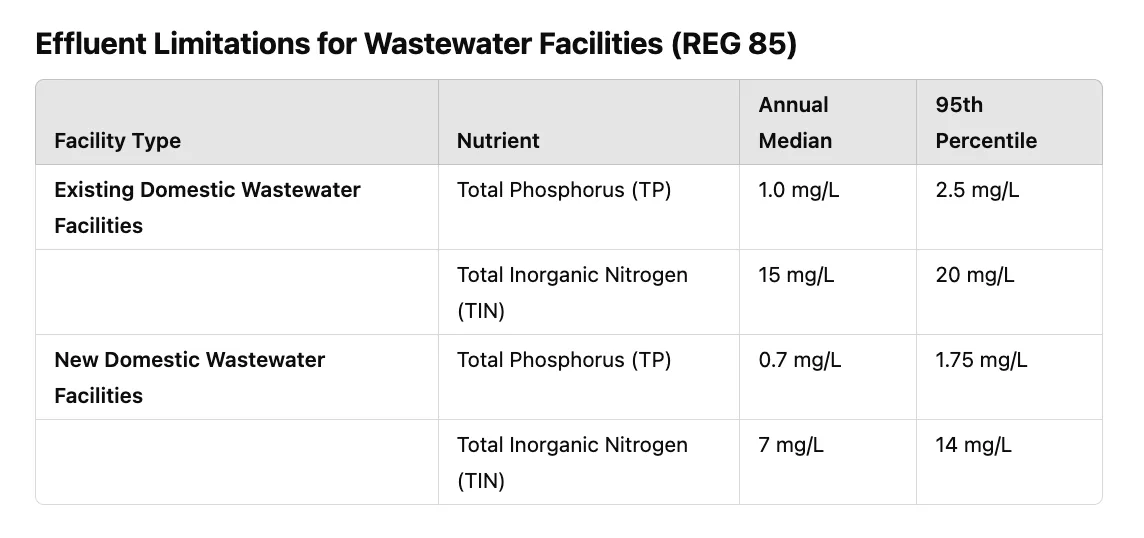
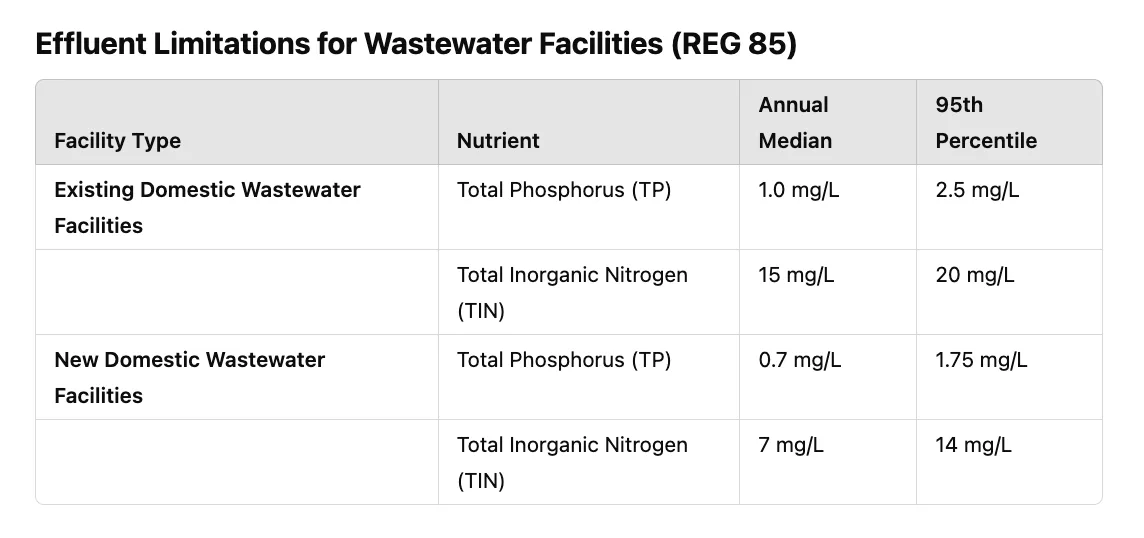
40% of wastewater plant operators we’ve interviewed struggle to meet effluent quality standards outlined in Colorado’s REG 85. This critical regulation aims to control nutrient levels, including nitrogen and phosphorus, to protect water quality in rivers and streams.
Addressing these challenges often requires investments in advanced treatment technologies and customized operational strategies. Communities facing these issues should explore funding opportunities, such as the State Revolving Fund (SRF), to support upgrades and ensure compliance with regulatory requirements.
Why REG 85 Matters
Regulation 85 sets specific nutrient effluent limits to mitigate pollution and improve water quality in Colorado. For facilities with a design capacity of ≤ 2.0 MGD and disadvantaged communities, the compliance deadline has been extended to December 31, 2027, to accommodate necessary upgrades and adjustments. These limits, focusing on phosphorus and nitrogen removal, present challenges that require innovative solutions.
What This Means for Wastewater Providers
Meeting these effluent limits often requires significant modifications to existing systems. For some communities, such as those relying on lagoon systems, compliance can seem unattainable without substantial investments. For example, a small community with a 300,000-gallons-per-day lagoon system was recently advised to replace it with a mechanical treatment plant. The estimated cost of $60 million far exceeded the community’s budget, highlighting the need for practical and cost-effective solutions.
To make informed decisions, facilities should carefully evaluate their long-term compliance needs. A full plant replacement may not always be the best option, especially when future regulatory updates could further tighten effluent standards.
What Should You Do?
If your facility is affected by these changes, now is the time to act. Here’s what you can do:
- Get Educated: Familiarize yourself with Regulation 85 and other upcoming changes from CDPHE and the EPA.
- Evaluate Solutions: Assess the long-term implications of your current system’s performance against the new standards.
- Plan Ahead: Avoid rushing into expensive upgrades without a clear understanding of future permitting limits.
Talk to an engineer
Tell us about your project.
An engineer reads it
Not a salesperson. Someone who can tell you whether the pathway is real.
You get a first answer
Your options, the agencies involved and the questions that decide cost and schedule.
You decide
No commitment to have the first call.
Prefer the phone? (214) 833-6748