Quick Answer
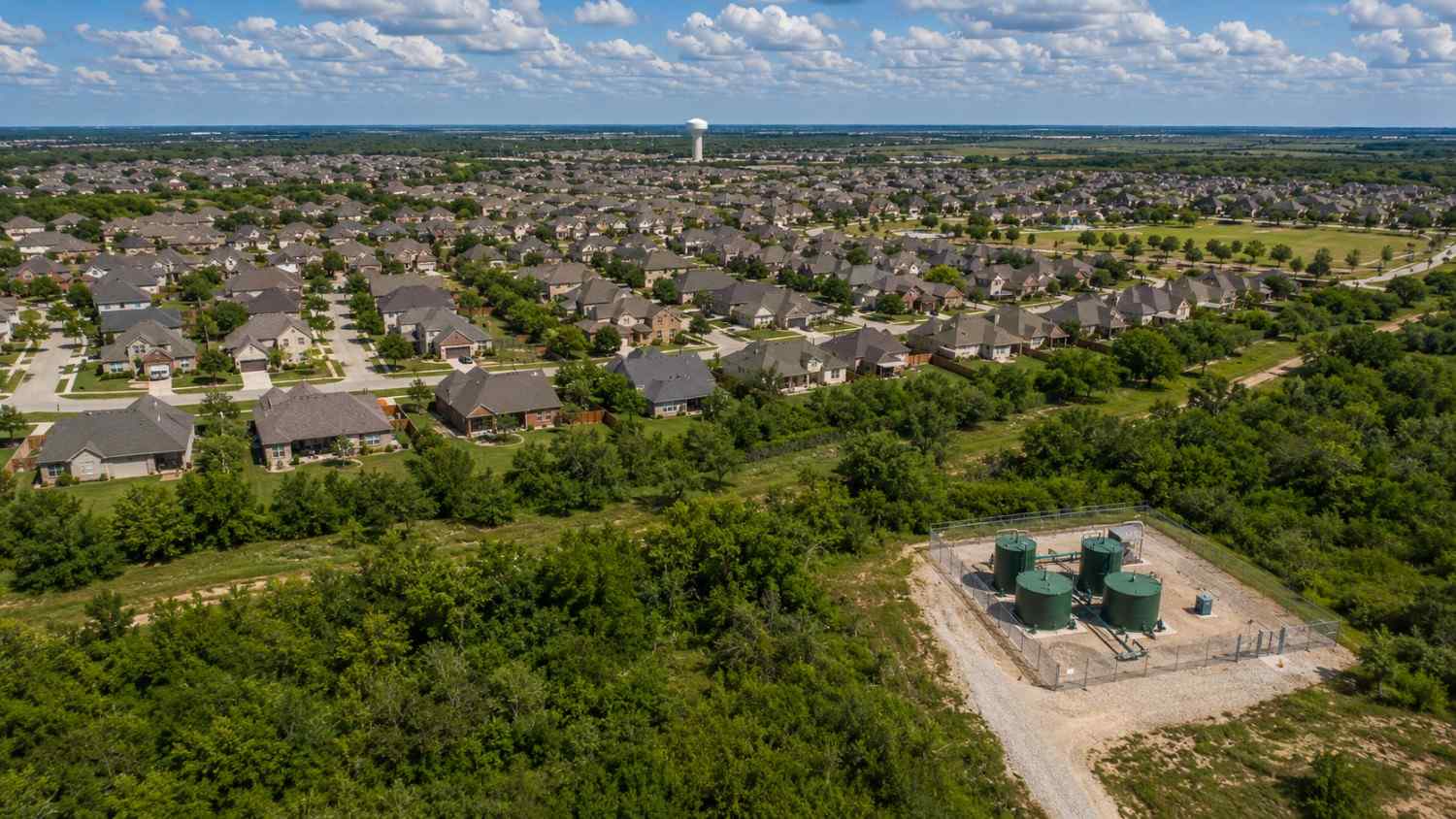
A private wastewater treatment plant is a developer-owned or developer-operated facility that treats domestic wastewater generated by a residential subdivision, commercial project, master-planned community, or mixed-use development that cannot connect to a public sewer system. When the treated effluent from that facility is discharged to a creek, river, ditch, or other surface water, the facility requires a TPDES permit issued by TCEQ for the wastewater treatment facility and the discharge. For qualifying projects that include an industrial wastewater component and a viable reuse plan, a 210E Industrial Reclaimed Water Authorization may provide a significantly faster permitting path. The choice between these pathways, and the decision to build a private WWTP at all, is one of the most consequential planning decisions a Texas developer makes because it affects land use, project timeline, construction cost, operational responsibility, and long-term compliance obligations from the moment the permit application is filed through the life of the development.
Why Texas Developers Build Private Wastewater Treatment Plants
The most common reason a Texas developer builds a private WWTP is straightforward: the nearest municipal sewer system cannot or will not serve the site at a cost the project can absorb.
In Texas’s rapidly growing outer suburban and rural fringe areas, development is consistently outpacing municipal infrastructure extension. A developer acquiring a 400-lot subdivision tract two miles outside a city’s extraterritorial jurisdiction has a site that city planners may eventually serve but not on a timeline that supports the developer’s financing, absorption schedule, or investor commitments. Waiting for public service to arrive is not a development strategy. Building private wastewater infrastructure is.
Several specific scenarios consistently produce private WWTP decisions on Texas development sites:
Municipal sewer is too far away. A site two to five miles from the nearest public sewer main faces a force main extension cost that typically runs $15 to $30 per linear foot installed, before lift stations. A two-mile extension at those rates produces $158,000 to $316,000 per mile in pipeline cost alone, before the lift stations, legal easements, and design fees that a long extension requires. For many development sites, a private WWTP at $18 to $20 per gallon of design capacity is less expensive than the off-site infrastructure a public connection would require.
The municipal system lacks capacity. Cities with maxed-out lift stations, treatment plants operating near permitted capacity, or collection systems already experiencing inflow and infiltration problems may decline to accept new development flows even when the development is physically adjacent to the service area. A developer who acquires land in a growing corridor and is told by the city that the lift station cannot accept additional connections without developer-funded upgrades faces the same economic calculus: contribute to public infrastructure improvement, or build private.
Municipal connection is contingent on annexation. Some Texas municipalities will not extend service to extraterritorial jurisdiction developments without annexation agreements that create long-term obligations the developer or the future property owners may not want. A private utility system avoids those obligations.
The development is in an unincorporated rural area. Much of Texas’s industrial, commercial, and residential development is occurring in unincorporated areas of fast-growing counties that have no public wastewater infrastructure of their own. Private wastewater treatment is not the last resort for these projects. It is the only realistic option.
What a Private TPDES Domestic Wastewater Permit Requires
When a private WWTP discharges treated effluent to a water of the state (a named creek, an unnamed tributary, a drainage ditch that connects to a waterway) the facility requires a TPDES permit for the treatment plant and the discharge. This is the same regulatory framework that applies to municipal wastewater systems, administered by TCEQ under the Texas Pollutant Discharge Elimination System program.
The TPDES permit for a private domestic wastewater facility establishes the permitted design flow in gallons per day, the effluent limits the treated water must meet before discharge, the monitoring and sampling requirements, the reporting schedule, and the receiving water protections the discharge must maintain. For a domestic-only subdivision WWTP discharging to a small Texas tributary, a typical permit includes monthly average limits for BOD and TSS in the range of 20 to 30 mg/L, E. coli limits, pH limits, and dissolved oxygen requirements. Facilities discharging to more sensitive receiving waters, particularly in the Hill Country or near Edwards Aquifer recharge zones, may face more stringent nutrient limits or antidegradation requirements. For a detailed explanation of how to read these limits, see How to Read a TCEQ Effluent Limit Table.
The permitting timeline for a private domestic TPDES permit in Texas currently runs 24 to 36 months under standard review conditions. In sensitive watersheds, contested case hearings triggered by third-party opposition can push that timeline past 36 months. A developer who closes on land and files a TPDES application on the same day is looking at a minimum of two years before construction can begin on the treatment plant, during which time the project is carrying land financing costs, property taxes, and other holding expenses without generating any revenue.
For a developer with $100,000 to $200,000 per month in carrying costs, a 24-month TPDES permitting timeline represents $2.4 to $4.8 million in carrying cost exposure before construction can start. Those numbers belong in the acquisition model before the land closes, not in the project review after the permit queue position is locked in.
When a 210E Authorization Changes the Calculation
For Texas developers whose projects include any industrial wastewater component, the 210E Industrial Reclaimed Water Authorization under 30 TAC Chapter 210, Subchapter E provides a dramatically faster alternative to the TPDES discharge permit pathway.
Under 30 TAC §210.53(b)(2), a project qualifies for 210E Level II authorization when its wastewater contains any amount of industrial flow commingled with domestic wastewater. No minimum industrial percentage is required. A master-planned community with a data center, a concrete batch plant, or a light industrial tenant qualifies. A commercial development with a warehouse facility that generates equipment wash water qualifies. MES has secured 210E approvals in 4 to 10 weeks during TCEQ’s busiest periods for projects ranging from 5,000 GPD to 2.0 MGD.
Per 30 TAC §210.56(a)(3), the 210E authorization serves as both the construction permit and the operating authorization for the facility. No separate TPDES wastewater treatment facility permit is required. The authorization eliminates the receiving water analysis, the public hearing process, and the third-party opposition window that drive TPDES discharge timelines past 24 months. For a detailed comparison of both pathways, see 210E vs. TPDES Discharge Permit: A Side-by-Side Comparison.
For a developer who might otherwise carry $2 million or more in avoidable carrying costs waiting for a TPDES discharge permit, the engineering evaluation of whether the project qualifies for a 210E (a two to four week analysis) is the most financially leveraged planning task on the project. For more on what qualifies, see What Is a 210E Authorization and How Can It Save Your Texas Development Project.
What the Permit Means for Long Term Ownership
A private WWTP with a TPDES permit is not a piece of infrastructure the developer builds and walks away from. It is a regulated facility that the developer or whoever the developer transfers it to operates under ongoing compliance obligations for the life of the development.
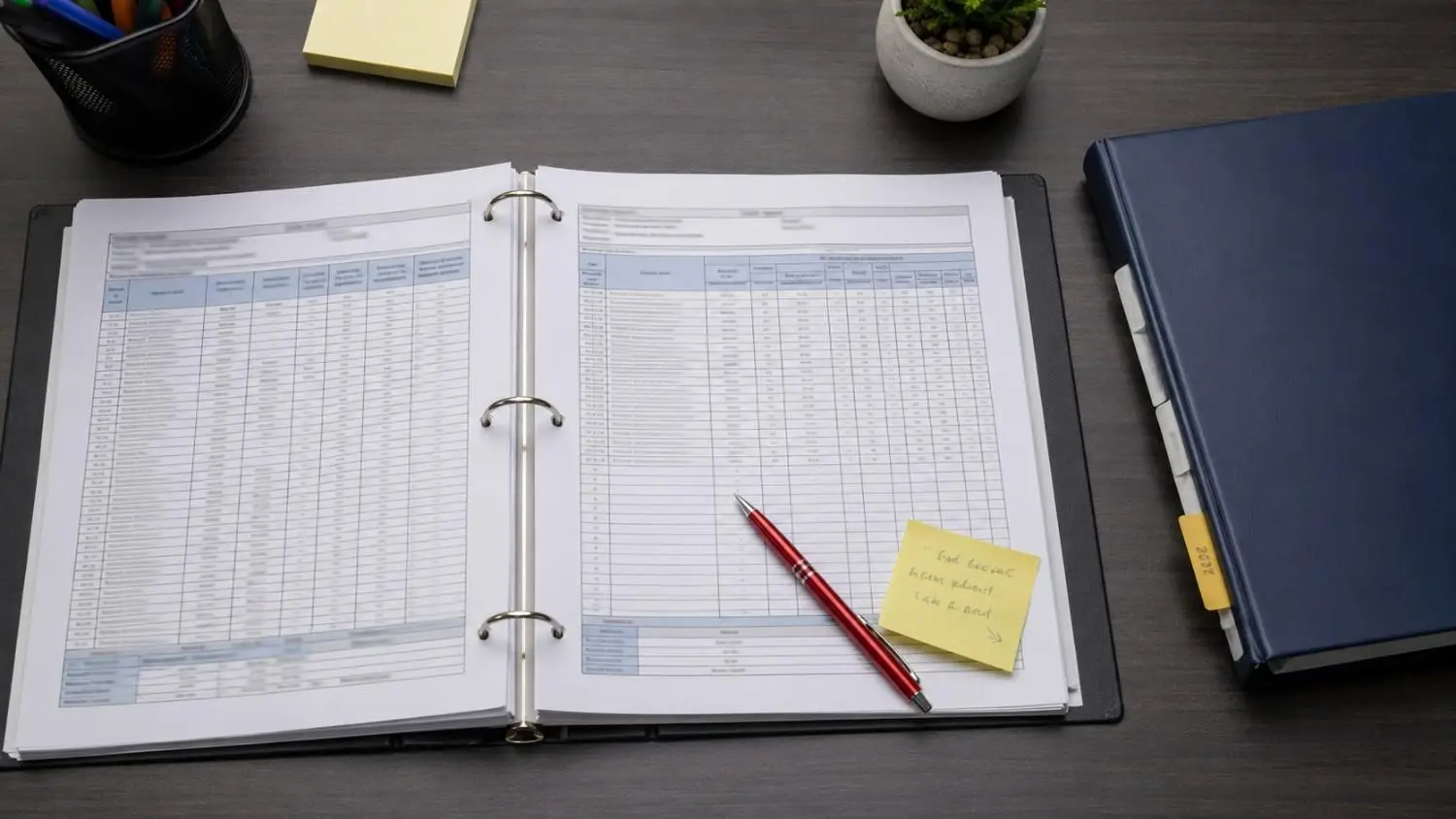
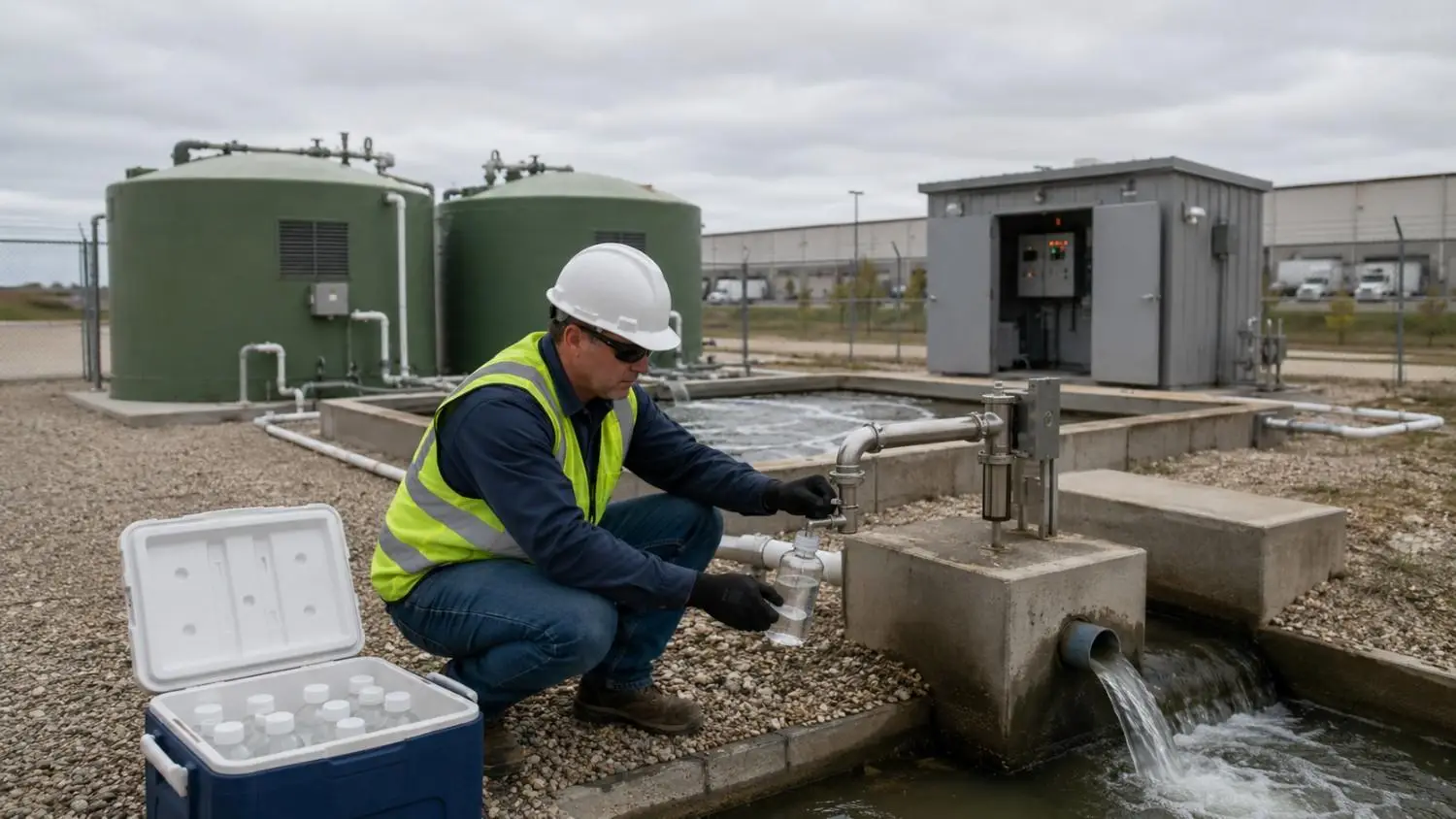
Those obligations include daily operational logs, monthly effluent sampling and laboratory analysis, discharge monitoring reports submitted to TCEQ on a monthly basis, a certified wastewater operator on staff, five-year recordkeeping of all compliance documentation, and permit renewal every five years through a process that may return tightened effluent limits based on updated receiving water quality standards.
Some Texas developers operate their private WWTP directly through a utility entity they control, using the private utility model to provide wastewater service to the development’s lots or tenants while retaining the revenue stream that utility service generates. A developer and operator in Montgomery County who worked with Modern Engineering Solutions built this model into a private utility company that now finances infrastructure for other developers using the same approach, financing 70% of wastewater infrastructure for partner developers while operating the resulting utility assets. The private WWTP that was once a development cost becomes a revenue-generating asset in the hands of an operator who understands both the regulatory compliance obligations and the utility business model.
For developers who do not want to operate a utility long term, the treatment plant must be transferred to a qualified operator (a municipal utility district, a water supply corporation, or a licensed private operator) before the developer exits the project. That transfer requires TCEQ permit modification and documentation that the receiving entity has the technical and financial capacity to operate the facility in compliance with its permit terms.
Frequently Asked Questions
How much does a private WWTP cost to design and build in Texas?
Modern Engineering Solutions designs private WWTP facilities at $18 to $20 per gallon of design capacity for concrete-constructed systems, which is the most cost-effective construction approach for facilities in the 50,000 to 500,000 GPD range. A 130,000 GPD facility costs approximately $2.3 to $2.6 million to construct. Package treatment systems at smaller scales may cost less in construction but carry higher long-term operational and maintenance costs than custom-designed concrete systems. For a full breakdown of how infrastructure cost affects your project, see How Wastewater Infrastructure Affects Your Pro Forma.
Can a developer sell lots before the TPDES permit is issued?
TCEQ requires a valid permit authorization before construction of the treatment facility begins. Lot sales can proceed before permit issuance in most cases, but the development cannot be platted in a way that creates the obligation of wastewater service before the service infrastructure has a permit to operate. The sequencing of platting, sales, and permitting should be coordinated with both the engineer and legal counsel before the development program is finalized. For guidance on the Texas land development application process, see Texas Land Development Application Process.
What is the difference between a private WWTP and a municipal utility district?
A private WWTP is a treatment facility owned and operated by a private entity (a developer, a property owner, or a private utility company). A municipal utility district is a political subdivision of the state created under Texas Water Code Chapter 54, with the authority to issue bonds, levy taxes, and provide water and wastewater service to the district’s territory. Developers in Texas frequently use MUDs to finance water and wastewater infrastructure for large residential developments by shifting the cost to the eventual homeowners through district taxation. MUDs require TCEQ approval of the district creation and the project plan, which adds time to the development process but may be the most economical long-term solution for large-scale residential projects.
Related Resources
- Your Three Wastewater Disposal Options in Texas: Discharge, Reuse, or Land Application
- Building a Private WWTP in Texas: What Developers Need to Know Before They Commit
- How Carrying Costs Are Killing Texas Development Projects and the Permit Strategy That Fixes It
- What Is a 210E Authorization and How Can It Save Your Texas Development Project
Evaluating a Private WWTP or Permit Pathway for Your Texas Development?
Modern Engineering Solutions works with Texas developers to evaluate private WWTP feasibility, compare TPDES and 210E permit pathways, and design treatment facilities that support the development timeline and long-term compliance obligations of private utility operations.
We specialize in:
- Private WWTP feasibility evaluation including TPDES, TLAP, and 210E pathway comparison
- TPDES domestic wastewater permit applications for privately owned Texas treatment facilities
- 210E Industrial Reclaimed Water Authorization preparation for qualifying mixed-use and commercial projects
- Treatment plant design at $18 to $20 per gallon construction cost for 50,000 to 500,000 GPD facilities
- Post-permit startup, operator coordination, and long-term compliance support for private utility operations
Modern Engineering Solutions, McKinney, Texas. Contact: (214) 833-6748 or mod-eng.com