Quick Answer
When a Dallas area development site sits beyond the reach of existing municipal sewer infrastructure, developers generally have four viable wastewater strategies to evaluate: extending an offsite sewer line to connect to the nearest municipal system, constructing a private wastewater treatment plant permitted under a TPDES or TLAP permit, forming a Municipal Utility District to finance and operate infrastructure independently, or, in more limited cases, developing a land application or reuse strategy under Texas’s 210E reclaimed water framework. Each option carries distinct cost, timeline, regulatory, and long-term operational implications, and the right choice depends on site distance from existing infrastructure, projected lot yield, phasing plans, and the developer’s tolerance for ongoing operational responsibility. Confirming which of these paths is viable, and at what cost, before finalizing a subdivision layout or closing on land is the single most effective way to protect a project’s feasibility.
Why ETJ and County Sites Create Wastewater Service Gaps
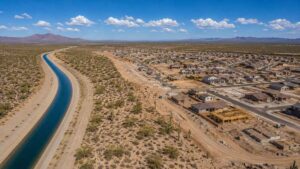
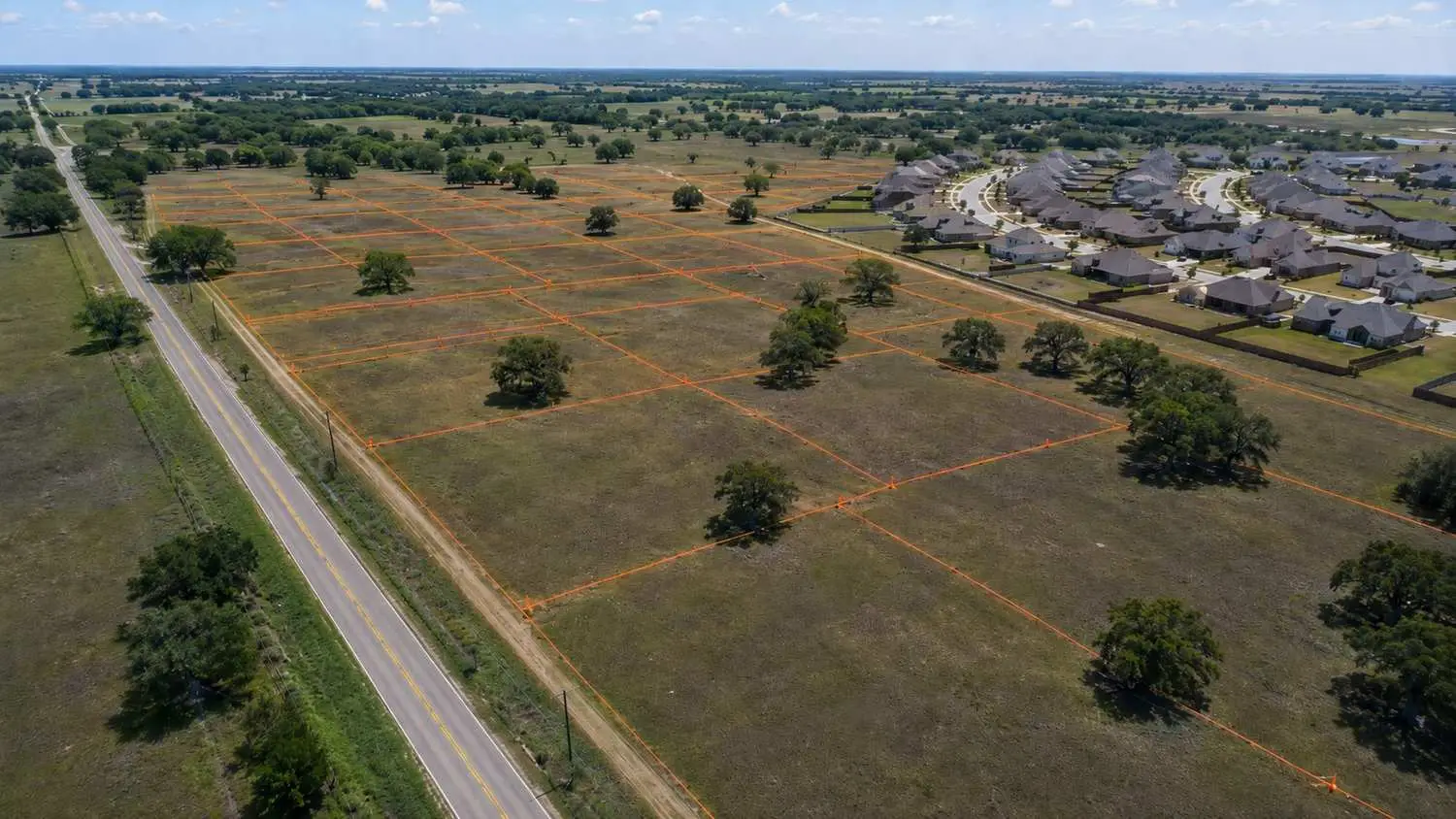
Extraterritorial jurisdiction areas around Dallas and its surrounding municipalities exist precisely because they are the growth frontier, land that has not yet been annexed into a city and is not yet served by that city’s utility infrastructure. Municipal sewer systems are built incrementally, extending outward from the treatment plant and trunk lines as development justifies the capital investment. In a rapidly growing corridor, a developer’s proposed subdivision may be located well ahead of the municipality’s current sewer extension plans, and the gap between the site and the nearest point of connection can range from a few hundred feet to several miles depending on the specific location and the pace of surrounding development.
The municipality’s willingness to extend service to a specific site, even when the distance is modest, depends on factors that are not always visible from a site map. Treatment plant capacity is not unlimited, and a municipality may have allocated its remaining treatment capacity to other approved developments already in its pipeline, leaving no capacity available for a new applicant regardless of the physical proximity of the sewer main. Some municipalities also restrict service extensions outside their corporate limits as a matter of policy, preferring to require annexation before service is extended, which introduces a political and procedural dimension to the wastewater question that has nothing to do with engineering feasibility.
For county land outside any city’s extraterritorial jurisdiction, municipal sewer service is typically not an option at all, and the wastewater strategy must be built around private infrastructure from the outset. Understanding which category a specific site falls into, inside a municipality’s ETJ with a plausible service extension path, inside an ETJ with a municipality unwilling to extend service, or entirely outside any municipal ETJ, is the first analytical step in wastewater feasibility planning, and it should happen before a subdivision concept plan is drawn.
Offsite Sewer Extension: Evaluating the Real Cost and Timeline
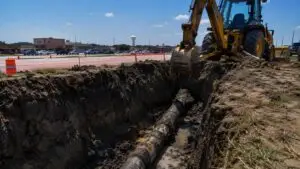
When municipal sewer service is theoretically available but requires an offsite extension to reach the development site, the true feasibility question is not whether extension is possible but what it costs and how long it takes relative to the project’s financial timeline. An offsite gravity sewer extension requires maintaining adequate slope across the full extension distance, and on flat Dallas area terrain, a long extension can require the receiving trunk line to be significantly deeper than the connecting development’s collection system, which affects both construction cost and the feasibility of gravity flow versus the need for an intermediate lift station.
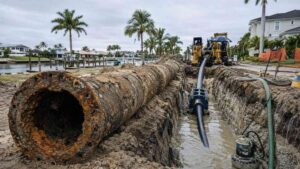
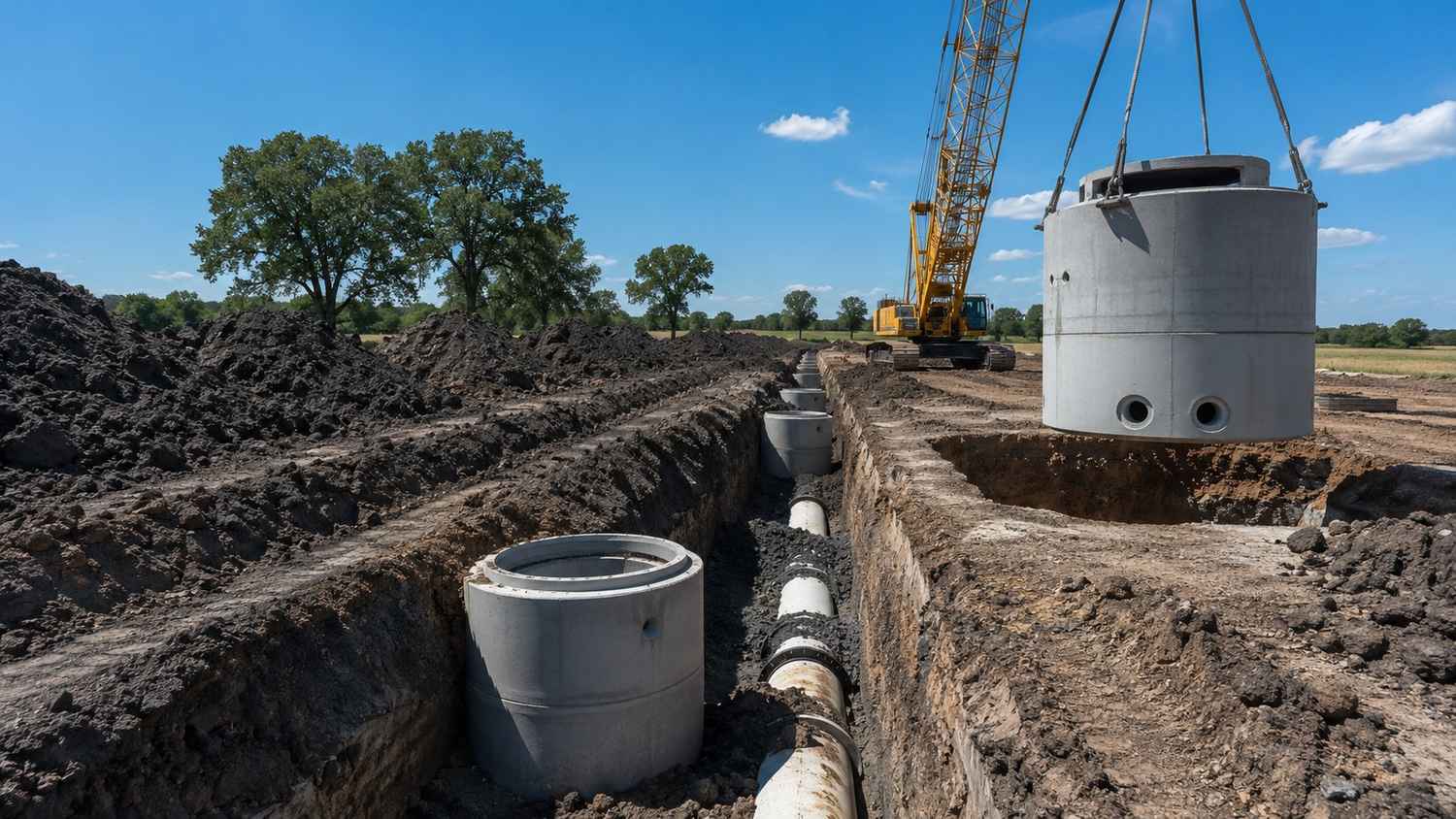
Lift station requirements are common for ETJ developments extending sewer service over distance, and a lift station introduces both capital cost and long term operational responsibility that must be assigned to either the developer, a homeowners association, a municipal utility district, or the receiving municipality depending on the arrangement negotiated. Easement acquisition across intervening properties is frequently the pacing item for offsite sewer extensions, similar to the challenge described for offsite water line replacement projects, and a developer who has not identified and begun negotiating easements for an offsite sewer extension early in the due diligence process risks a schedule delay that can extend well beyond the extension’s actual design and construction timeline.
Cost participation and reimbursement agreements for offsite sewer extensions follow similar principles to water line extensions, with the developer typically funding the full cost of the extension needed to serve their project and in some cases receiving reimbursement rights as other properties subsequently connect to the same infrastructure. The realistic net cost of an offsite extension, after accounting for likely reimbursement over a reasonable timeframe, should be calculated as part of the financial feasibility analysis for the site, compared directly against the alternative strategies of private treatment or MUD formation.
Private Wastewater Treatment Plants: TPDES and TLAP Permitting Paths
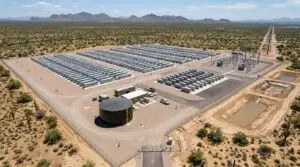
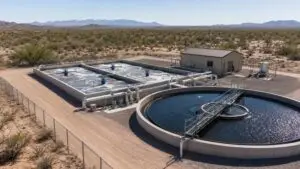
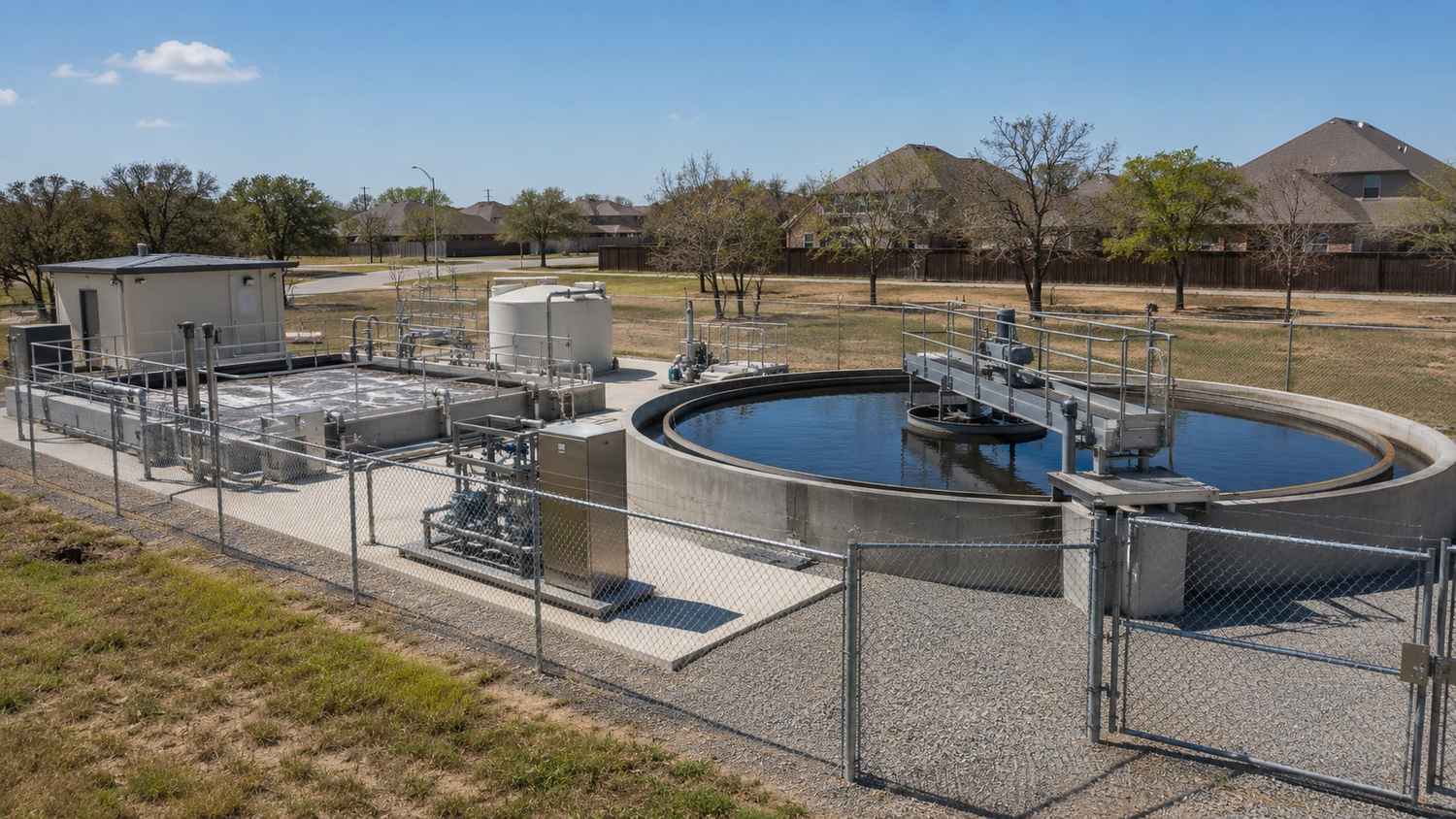
When municipal sewer extension is not feasible or not cost effective, a private wastewater treatment plant becomes the primary alternative for a Dallas area subdivision. Private treatment facilities in Texas are permitted through the Texas Commission on Environmental Quality under either a Texas Pollutant Discharge Elimination System permit, which authorizes discharge of treated effluent to a water body, or a Texas Land Application Permit, which authorizes disposal of treated effluent through irrigation or other land application methods rather than direct discharge.
The choice between TPDES and TLAP depends heavily on site conditions. A TPDES permit requires a receiving water body with adequate assimilative capacity for the discharge and requires the treatment plant to meet effluent quality standards calculated specifically for that receiving water’s characteristics, which can require advanced treatment technology if the receiving stream is small or already stressed by other dischargers. A TLAP permit avoids the receiving water discharge question entirely by requiring adequate land area for irrigation disposal of the treated effluent, which shifts the feasibility question from receiving water capacity to available land area, soil characteristics, and the practical management of an irrigation disposal system over the long term.
For a Dallas area subdivision developer, the land area requirement for a TLAP system is often the deciding factor. A TLAP system requires disposal fields sized according to the treatment volume and the site’s soil percolation characteristics, and that land must be dedicated to the disposal function rather than developed for lots, which directly reduces the developable acreage and lot yield of the project. A TPDES system avoids that land consumption but requires a suitable receiving water and generally a higher level of treatment technology, which increases capital and operating cost. Evaluating both options against the specific site’s soil conditions, receiving water availability, and target lot yield is necessary before either technology path is selected.
Regardless of which permit type is selected, the treatment plant requires an owner and operator who will hold long term responsibility for the facility’s performance and TCEQ compliance. For most subdivision developments, this operational responsibility transfers to a homeowners association, a municipal utility district, or a private utility company that operates the plant under Public Utility Commission regulation. Developers should evaluate operational responsibility and long term cost allocation for the treatment plant as carefully as they evaluate its initial capital cost, because a poorly performing treatment plant with unclear operational responsibility becomes a homeowner association liability and a marketing problem for the remaining lots in the subdivision.
Municipal Utility District Formation as an Infrastructure Strategy
Municipal Utility District formation is a financing and governance strategy that Dallas area developers use to fund water, wastewater, drainage, and road infrastructure for large subdivisions through tax exempt bonds repaid by the district’s property tax and the developer’s reimbursement agreement, rather than funding all infrastructure directly from project equity or construction financing. A MUD is a political subdivision created through a process that requires either legislative approval or Texas Commission on Environmental Quality approval depending on the specific circumstances, and it has the authority to issue bonds, levy property taxes within the district, and own and operate utility infrastructure serving the district.
For a large Dallas area ETJ subdivision where the wastewater strategy involves a private treatment plant, MUD formation is a common approach because it provides a governance structure for owning and operating the treatment plant beyond the development period, when the developer’s direct involvement in the project will eventually end. The MUD’s tax base, drawn from the assessed value of homes built within the district, provides the ongoing revenue stream that funds treatment plant operation, maintenance, and eventual capital replacement long after the original developer has sold out the subdivision and moved to other projects.
MUD formation and bond issuance is a multi year process that requires coordination with TCEQ, in many cases with the Texas Legislature, and with the underwriters and bond counsel who structure the district’s financing. Developers evaluating MUD formation as part of their wastewater strategy should build the MUD timeline into their overall project schedule from the earliest planning stages, because the financing structure the MUD provides is frequently a prerequisite for the capital the treatment plant construction requires, not a parallel activity that can catch up after construction has already started.
Reclaimed Water and 210E Reuse Considerations
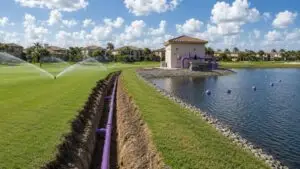
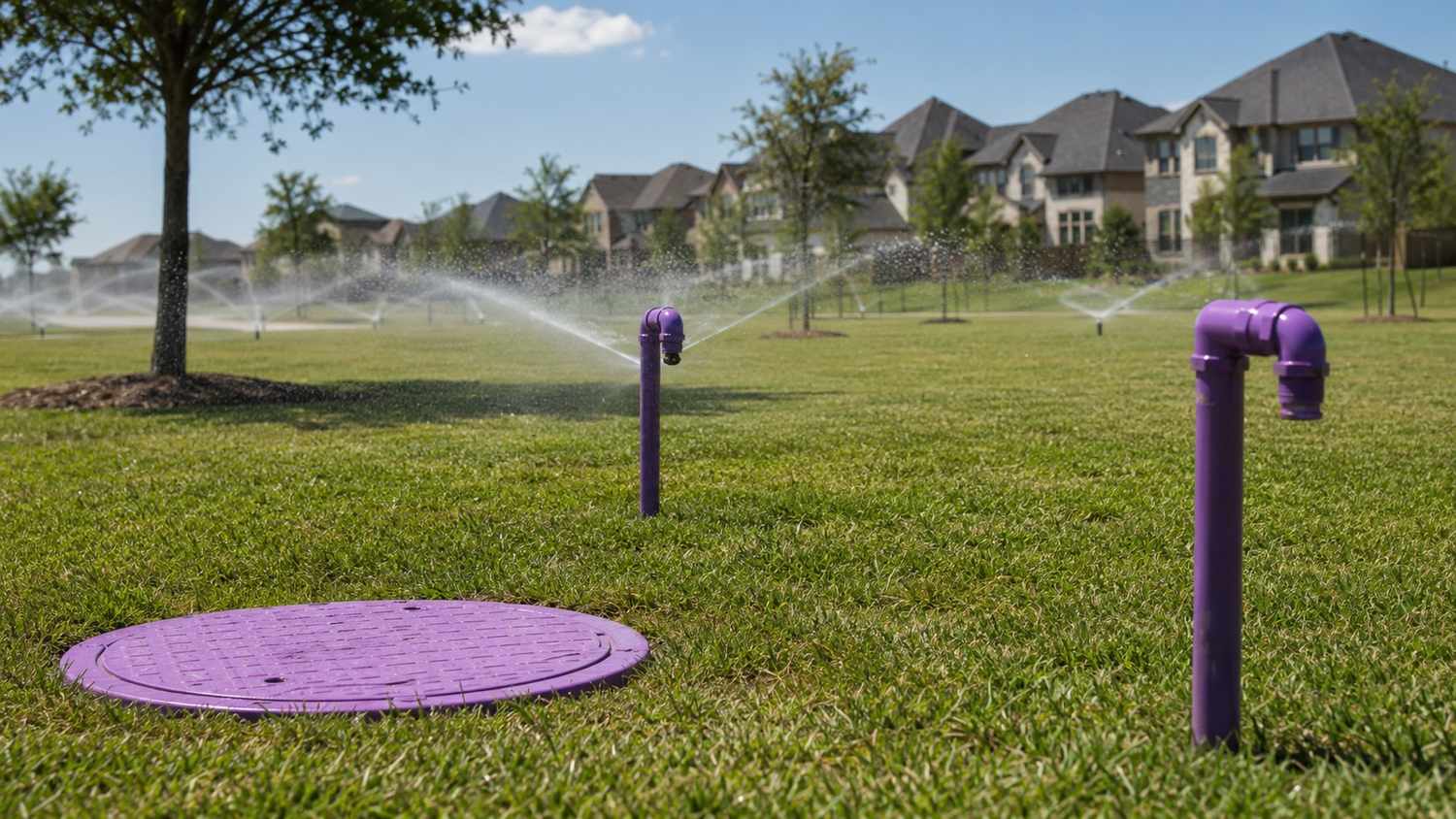
Texas’s Chapter 210 rules, which govern the use of reclaimed water, provide a framework that some Dallas-area subdivisions incorporate into their wastewater strategy, particularly where a private treatment plant is already part of the plan and there is irrigation demand within the development that reclaimed water can serve. A subdivision with substantial common area landscaping, a golf course, or a park system can reduce its treatment plant’s disposal burden and reduce the community’s potable water demand simultaneously by treating wastewater to the appropriate Chapter 210 standard and distributing it through a purple pipe system for irrigation use.
For a TLAP permitted facility, reclaimed water reuse for common area irrigation can serve as part or all of the land application disposal strategy, potentially reducing the dedicated disposal field acreage that would otherwise be required if the treated effluent had no beneficial reuse destination. This integration of the disposal strategy with the reuse strategy is a design decision that should be evaluated early, because the treatment plant’s design, the disposal or reuse land area requirements, and the distribution infrastructure needed for reuse are all interdependent decisions that are far more expensive to reconfigure after construction than to plan correctly from the beginning.
Frequently Asked Questions
How do we determine early in the site evaluation process whether our Dallas-area ETJ site can realistically get municipal sewer service?
Submit a formal service availability inquiry to the municipality whose ETJ the site falls within, describing your proposed lot count and development program, and request written confirmation of treatment plant capacity availability, the distance and route to the nearest connection point, and the municipality’s policy on extending service outside its corporate limits. Municipalities vary significantly in their willingness to extend service into ETJ areas, and a written response early in your due diligence process is far more valuable than a general assumption based on the municipality’s overall growth reputation. If the municipality’s response indicates capacity constraints or policy resistance to ETJ extension, begin evaluating private treatment and MUD formation options in parallel rather than waiting for a definitive negative answer before pivoting your strategy.
What is the realistic cost and land impact difference between a TLAP system and connecting to municipal sewer for a 300-lot subdivision?
The cost and land impact comparison is highly site specific and depends on the distance to municipal sewer, the terrain and depth requirements for the extension, the soil characteristics available for TLAP disposal fields, and the treatment technology required for either option. As a general pattern, a TLAP system consumes developable land for disposal fields that a municipal sewer connection does not, which directly reduces lot yield, while a distant municipal sewer extension can consume comparable or greater capital in extension construction and easement acquisition without any land yield loss. A side by side financial feasibility analysis comparing total capital cost, land yield impact, operational cost over a defined holding period, and permitting timeline for both options, calculated specifically for your site and lot program, is the only reliable way to make this comparison rather than relying on general assumptions from other projects.
If we choose a private wastewater treatment plant now, can we connect to municipal sewer later if the city extends service to our area?
In many cases, yes, though the transition requires coordination with the municipality and careful planning of the private plant’s design and permit to accommodate an eventual changeover. Some developers design their private treatment plant with a defined operational life tied to the anticipated timeline for municipal service extension, structuring the TCEQ permit and the plant’s physical design to support decommissioning and reconnection when city sewer becomes available. This approach requires upfront coordination with both TCEQ and the municipality regarding the transition plan, and it should be evaluated during initial permitting rather than assumed as an automatic future option, because decommissioning a private treatment plant and reconnecting a subdivision’s collection system to a new municipal main is itself a capital project that must be planned and budgeted.
Related Resources
- Water Line Replacement in Dallas: How Developers Navigate Aging Trinity River Authority Infrastructure
- Land Application Permits in Texas: A Faster Path to Wastewater Approval for Developers
- Approved Plans Aren’t Always Optimized Plans: The Difference Can Cost $15 Million
- Biosolids Land Application from Private Wastewater Treatment Facilities in Texas
Evaluating Wastewater Strategy for a Dallas Area ETJ Subdivision?
MES works with developers, land acquisition teams, subdivision planners, and civil engineers throughout Dallas area ETJ and county growth corridors to evaluate municipal sewer service availability, compare private treatment plant options under TPDES and TLAP permits, assess MUD formation feasibility, design reclaimed water reuse strategies, and confirm wastewater feasibility before a subdivision layout or land closing locks in assumptions the site cannot support.
We specialize in:
- Municipal sewer service availability due diligence for Dallas area ETJ and county development sites
- Private wastewater treatment plant design and TPDES or TLAP permit application support for Texas subdivisions
- Offsite sewer extension feasibility analysis, easement coordination, and cost participation strategy
- Municipal Utility District formation coordination and infrastructure planning for large Dallas area developments
- Chapter 210 reclaimed water reuse system design integrated with private treatment plant disposal strategy
- Wastewater feasibility analysis and lot yield impact assessment for Dallas area subdivision planning
Modern Engineering Solutions, Dallas, Texas. Contact: (214) 833-6748 or mod-eng.com