Quick Answer
Sanitary sewer overflow risk in Dallas’s older watersheds, including areas within the White Rock Creek and Turtle Creek drainage basins, stems primarily from aging sewer infrastructure that experiences inflow and infiltration, extraneous stormwater and groundwater entering the system through deteriorated pipe joints, cracked mains, and leaking manholes, which consumes collection system and treatment capacity that would otherwise be available for actual sanitary wastewater flow. During wet weather, this extraneous flow can cause specific segments of an older system to surcharge, meaning the pipe runs full or under pressure rather than flowing freely, increasing the risk of a sanitary sewer overflow at a manhole or other access point and constraining how much additional wastewater flow the city can safely accept from new development connecting into that same system segment. An infill developer evaluating a site within one of these older watersheds should confirm specific downstream capacity and known I&I conditions before assuming connection will be approved without conditions, since the city’s own capacity review can identify a need for offsite improvements, flow restrictions, or in some cases a requirement to fund system rehabilitation as a condition of approving new connections into an already stressed sewer segment.
Why Being Inside City Limits Doesn’t Guarantee Adequate Capacity
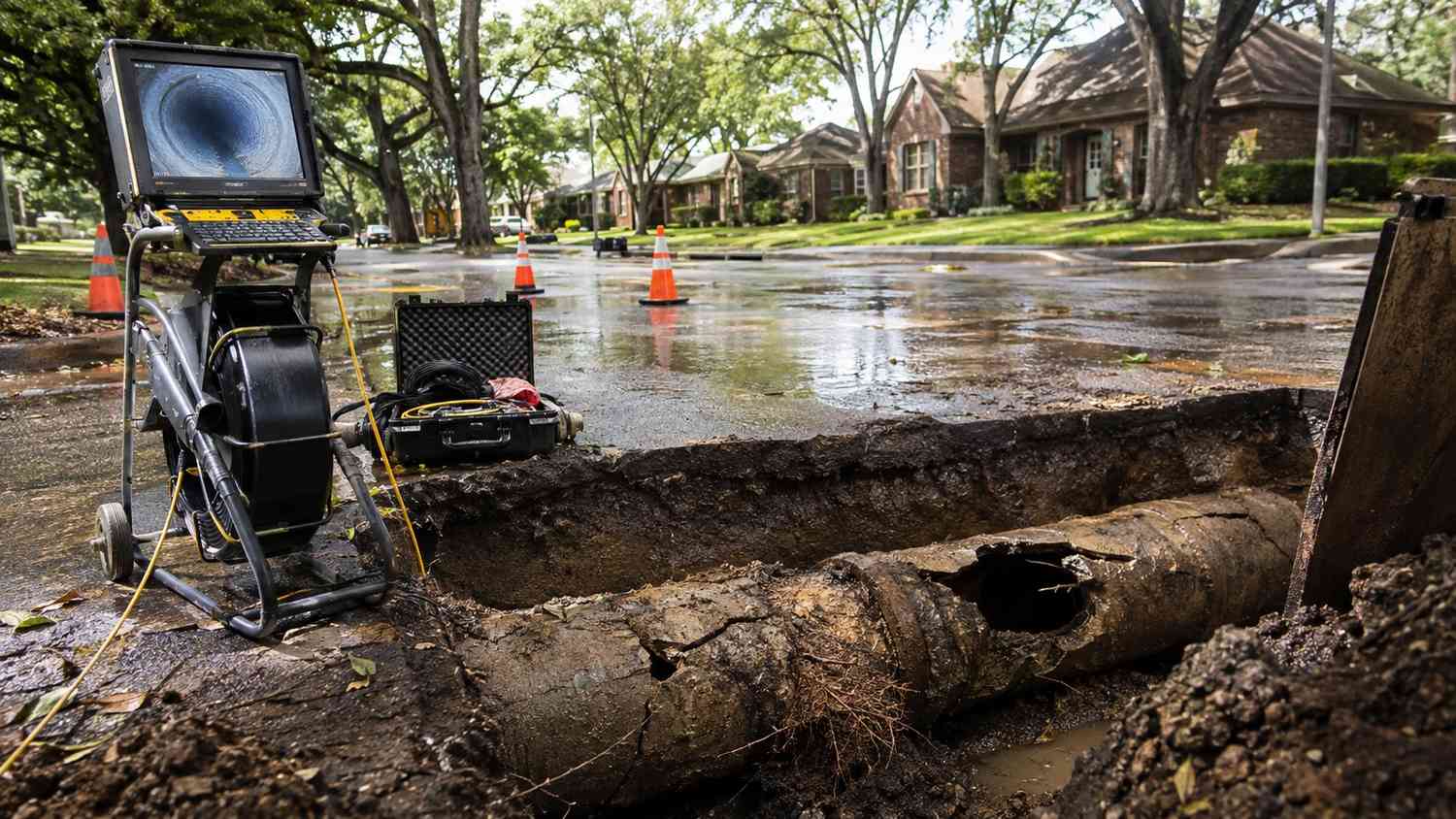
Dallas’s sewer collection system, like most large, older American cities, is a patchwork of infrastructure installed across many decades, with some segments dating back well over half a century and others reflecting more recent standards and materials. The watersheds draining toward White Rock Creek and Turtle Creek include some of the city’s older established neighborhoods, where much of the original sewer infrastructure predates current design standards for pipe materials, joint sealing, and manhole construction that modern systems use specifically to minimize inflow and infiltration. This isn’t a reflection of poor original engineering. It reflects the reality that pipe materials, joint technology, and construction practices considered standard when this infrastructure was installed have since been superseded by better performing alternatives, and infrastructure installed to the older standard has had decades for joints to degrade, pipe materials to crack, and manhole structures to develop the kind of leakage pathways that let stormwater and groundwater into a system designed to carry only sanitary wastewater.
An infill developer’s site being located within Dallas city limits confirms that municipal sewer service exists somewhere in the area. It does not confirm that the specific segment your site would connect to has adequate reserve capacity to accept your project’s flow, particularly during wet weather when the surrounding system’s inflow and infiltration burden is at its highest and the same segment’s available capacity for new sanitary flow is correspondingly reduced. This distinction, between service existing in the area and capacity being confirmed available for your specific project, is the central due diligence gap that creates avoidable risk for Dallas infill developers.
How Inflow and Infiltration Compounds in Older Watersheds
Inflow refers to stormwater entering a sanitary sewer system through direct connections that shouldn’t exist, illegal downspout or area drain connections, or through openings in manhole covers that allow surface water to pour directly into the system during rainfall. Infiltration refers to groundwater seeping into the sewer system through cracked pipes, deteriorated joints, or defective manhole structures below the water table, a more gradual but often more persistent source of extraneous flow than inflow, since infiltration can occur continuously whenever groundwater sits above the pipe’s elevation, not just during active rainfall.
In older watersheds like those draining toward White Rock Creek and Turtle Creek, where clay soils and shifting ground conditions common throughout North Texas have had decades to work on aging pipe joints and manhole seals, both inflow and infiltration tend to compound over an infrastructure segment’s operating life rather than remaining constant, since deteriorating joints and cracks tend to worsen gradually over time absent active rehabilitation, and each additional defect adds incrementally to the segment’s total extraneous flow burden. This compounding effect means an older segment’s I&I burden today may be measurably worse than it was ten or twenty years ago, and a city capacity assessment performed today reflects current conditions that continue to evolve, which is exactly why current, project specific capacity confirmation matters more than relying on general information about the area’s sewer service from years past.
Wet-Weather Surcharging and Its Effect on Connection Approval
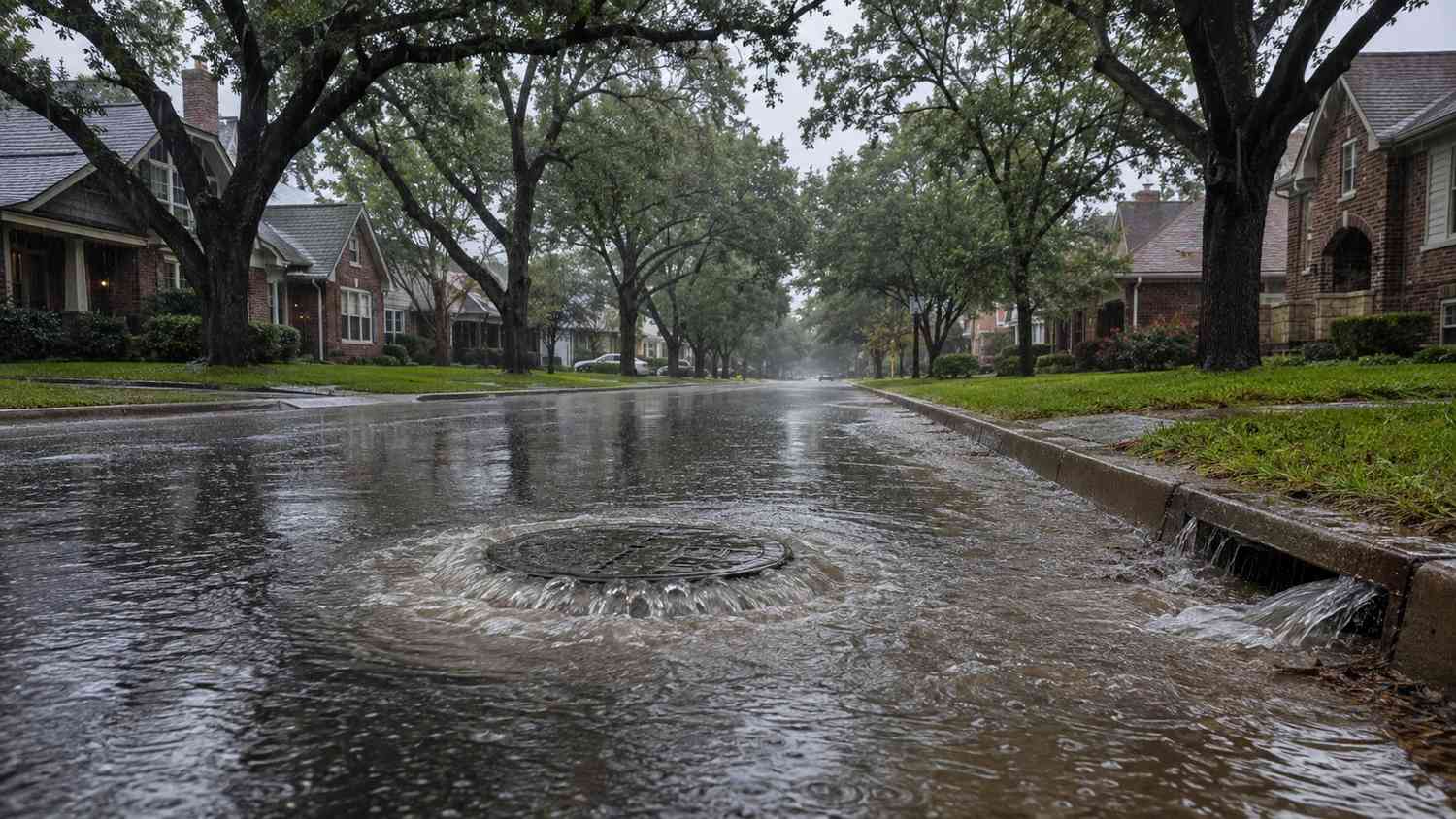
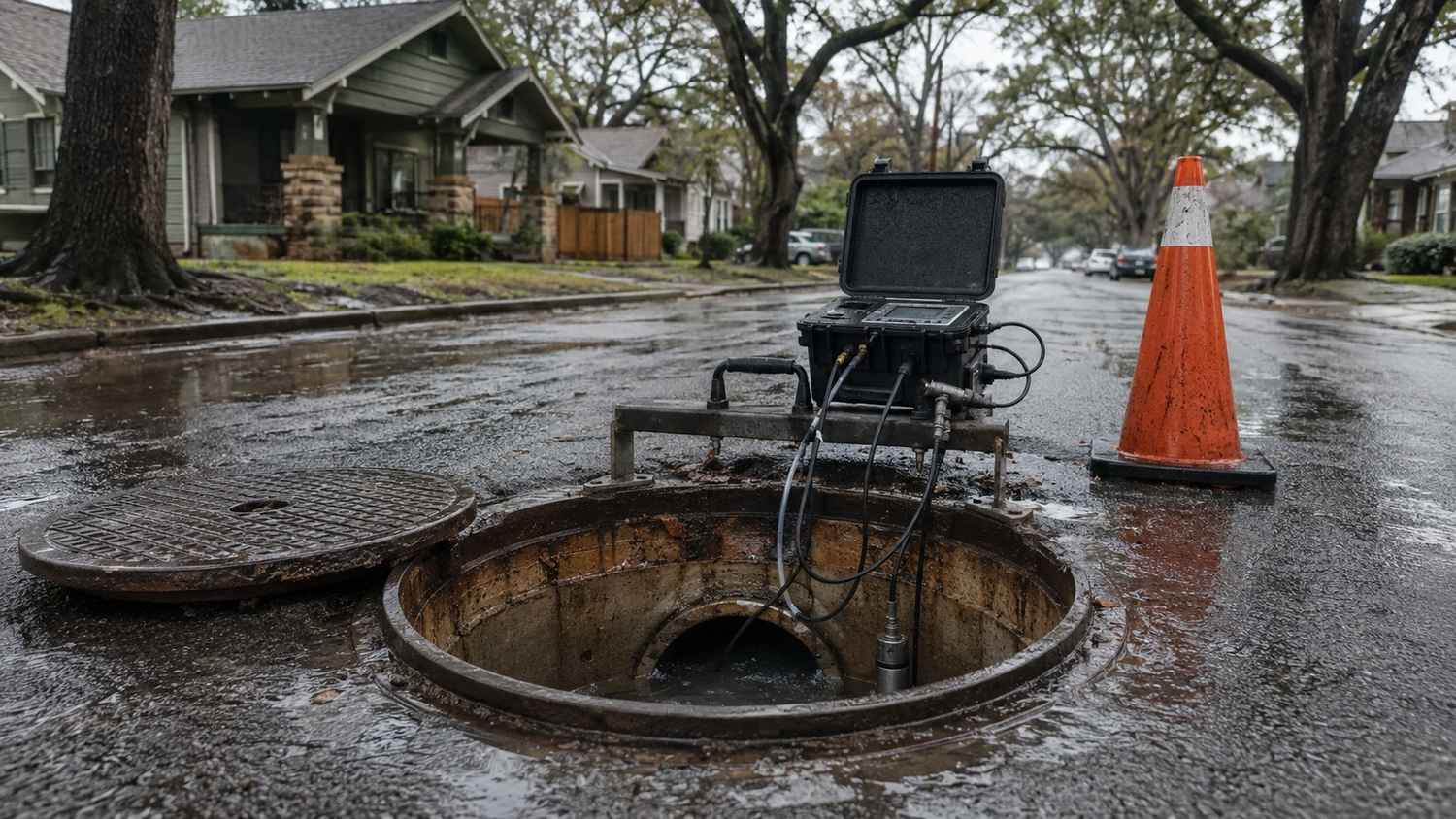
The practical consequence of significant inflow and infiltration in a specific sewer segment is that the segment’s flow during wet weather can be dramatically higher than its flow during dry weather, sometimes several times higher, even though the actual sanitary wastewater generation from the neighborhood it serves hasn’t changed at all. When this wet weather flow approaches or exceeds a pipe segment’s hydraulic capacity, the segment surcharges, meaning it can no longer convey flow under normal gravity conditions and instead backs up under pressure, a condition that increases the risk of a sanitary sewer overflow at a manhole, a low point in the system, or a private property connection if the surcharge is severe enough.
Dallas Water Utilities evaluates this wet weather capacity condition as part of reviewing new connection requests, and a segment with documented or modeled surcharging risk during design storm conditions represents meaningfully less available capacity for new development than the same segment’s dry weather flow numbers alone would suggest. This is precisely why a capacity review limited to dry weather flow conditions can significantly overstate a segment’s actual available capacity for a new infill connection, and why a thorough capacity confirmation needs to specifically evaluate wet weather performance, not just average or dry weather flow, for any site within a watershed with a documented or suspected I&I history.
Downstream Bottlenecks and Lift Station Impacts
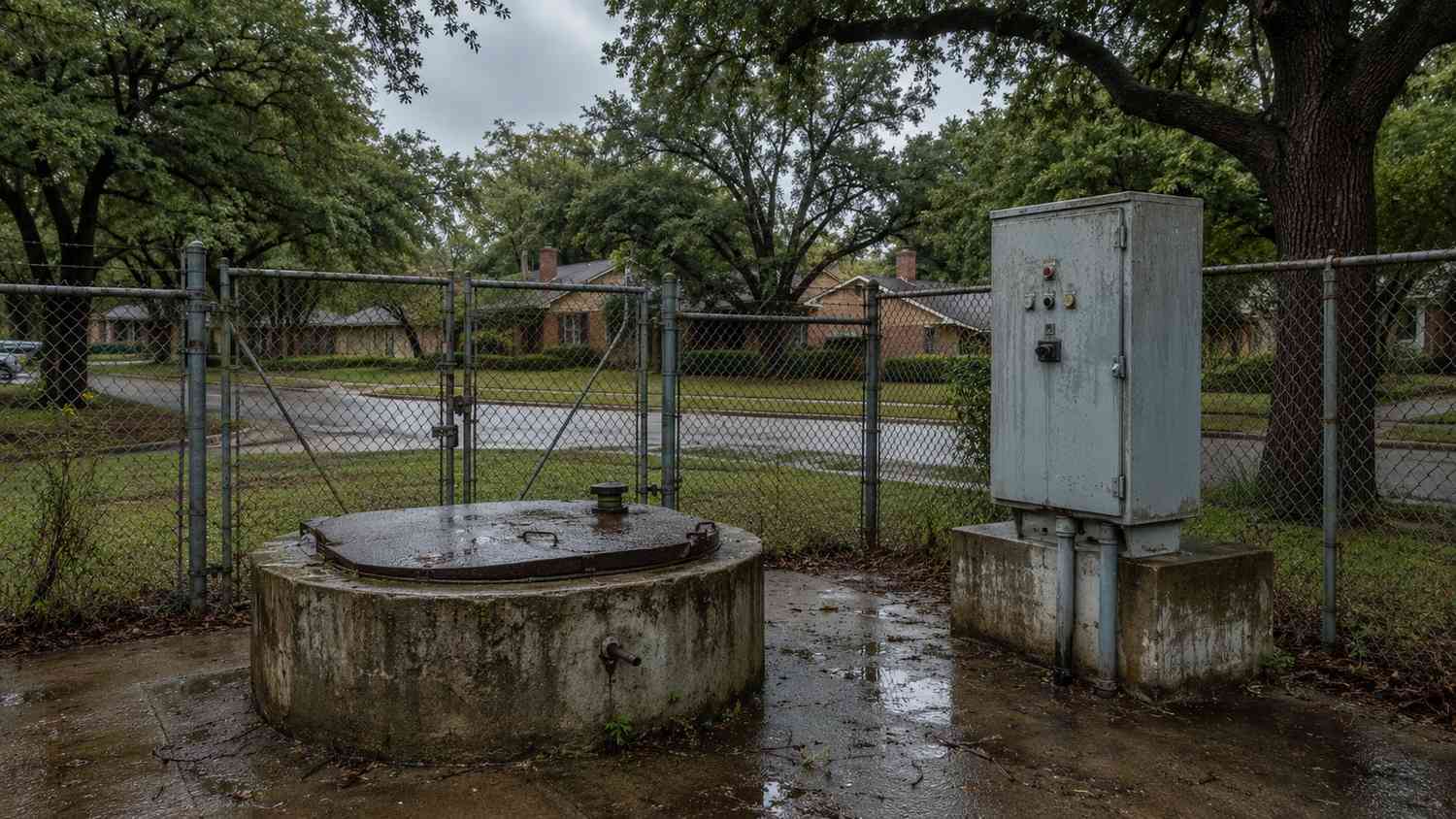
An infill site’s own immediate connection point isn’t the only location where capacity constraints can affect project feasibility. The downstream sewer network carrying flow from your connection point toward the treatment plant, including any lift stations along that path, needs adequate capacity for your project’s added flow as well, and a downstream segment or lift station operating near its own capacity limit, whether due to I&I burden or simply the cumulative effect of other development that has connected upstream over the years, can become the actual binding constraint on your project even when your immediate connection point shows adequate capacity in isolation.
This downstream evaluation is a common gap in less thorough capacity due diligence, since it requires tracing the flow path beyond the immediate connection point and evaluating capacity at each significant downstream node, a more involved analysis than checking capacity at a single point but one that reflects how sewer systems actually function, where a bottleneck anywhere along the path from your site to the treatment plant can constrain your project regardless of how much capacity exists at your specific connection.
How This Risk Translates to Entitlement and Schedule Risk
When a Dallas capacity review identifies inadequate capacity for a proposed infill connection, whether due to I&I related wet weather constraints, downstream bottlenecks, or simple capacity exhaustion from cumulative development, the city’s response can range from requiring specific offsite improvements as a condition of approval, to limiting the approved connection flow below what the project needs, to in some cases declining to approve the connection until system improvements are completed through the city’s own capital improvement program on a timeline the developer doesn’t control. Any of these outcomes can affect a project’s schedule, budget, and in some cases its fundamental feasibility if the required offsite improvement or the city’s own improvement timeline doesn’t align with the developer’s project economics.
Discovering this risk during due diligence, before land closing or site plan finalization, gives a developer options that don’t exist once these commitments are already made, including adjusting the acquisition price to reflect a needed offsite improvement, evaluating an alternative connection point or routing that avoids the constrained segment, or in some cases reconsidering the site’s development program to reduce projected flow to a level the constrained system can actually accommodate.
Frequently Asked Questions
How can we find out if our specific infill site is in an area with known I&I or sanitary sewer overflow history?
Dallas Water Utilities maintains records related to system performance, including areas with documented overflow history and known I&I concerns, and requesting this information directly from the utility as part of your site specific due diligence, along with requesting a formal capacity confirmation for your specific proposed connection point and flow, is the reliable way to get project specific information rather than relying on general reputation about a particular neighborhood or watershed.If our site’s capacity review identifies a wet weather constraint, does that mean our project isn’t feasible?
Not necessarily. A wet weather capacity constraint identified during due diligence is a planning input rather than an automatic disqualifier, and there are often multiple paths forward, including funding a specific offsite rehabilitation or capacity improvement as part of your project’s infrastructure scope, coordinating with the city on the timing of a planned capital improvement that would resolve the constraint, or evaluating an alternative connection point with more available capacity. The specific path depends on your project’s flow, the nature of the constraint, and your project’s timeline, which is why identifying the constraint early, while these options are still available, matters considerably more than the constraint itself.Is this I&I and overflow risk specific to White Rock and Turtle Creek, or does it apply to other older Dallas neighborhoods too?
White Rock Creek and Turtle Creek are useful examples because they include some of Dallas’s older, well established residential watersheds where aging infrastructure and I&I concerns are commonly documented, but the underlying risk, aging sewer infrastructure with accumulated inflow and infiltration burden, applies to other older Dallas neighborhoods and, more broadly, to older watersheds throughout North Texas cities generally. Any infill site within an older, established sewer service area, regardless of the specific watershed name, warrants the same project specific capacity and wet-weather performance confirmation described in this article rather than assuming the watershed specific examples discussed here are the only areas where this risk exists.Related Resources
- Hydraulic Modeling for Dallas High Rise Developments: Why Pressure Zone Design Matters More Than You Think
- Post Hurricane Infrastructure Recovery: How Houston Developers Can Build Flood Resilient Water and Wastewater Systems
- Approved Plans Aren’t Always Optimized Plans: The Difference Can Cost $15 Million
- Land Application Permits in Texas: A Faster Path to Wastewater Approval for Developers
Evaluating Sewer Capacity and Overflow Risk for a Dallas Infill Site?
MES works with Dallas infill developers, land acquisition teams, and civil engineers to confirm sewer capacity, review inflow and infiltration and wet weather performance history, evaluate downstream bottlenecks and lift station constraints, and identify offsite improvement needs before land closes or a site plan is finalized.
We specialize in:
- Site specific sanitary sewer capacity confirmation for infill development in older Dallas watersheds
- Inflow and infiltration and wet weather surcharge risk evaluation for White Rock Creek, Turtle Creek, and similar service areas
- Downstream bottleneck and lift station capacity analysis for infill connections into aging collection systems
- Sanitary sewer overflow risk assessment supporting connection approval and entitlement due diligence
- Offsite improvement scoping and cost evaluation for infill projects facing capacity constrained sewer segments
- Wastewater due diligence coordination before land closing, platting, or site plan finalization in Dallas infill markets