
Blog
Capital Improvement Planning for Small Municipalities: Where to Start When You Don’t Know Where to Start
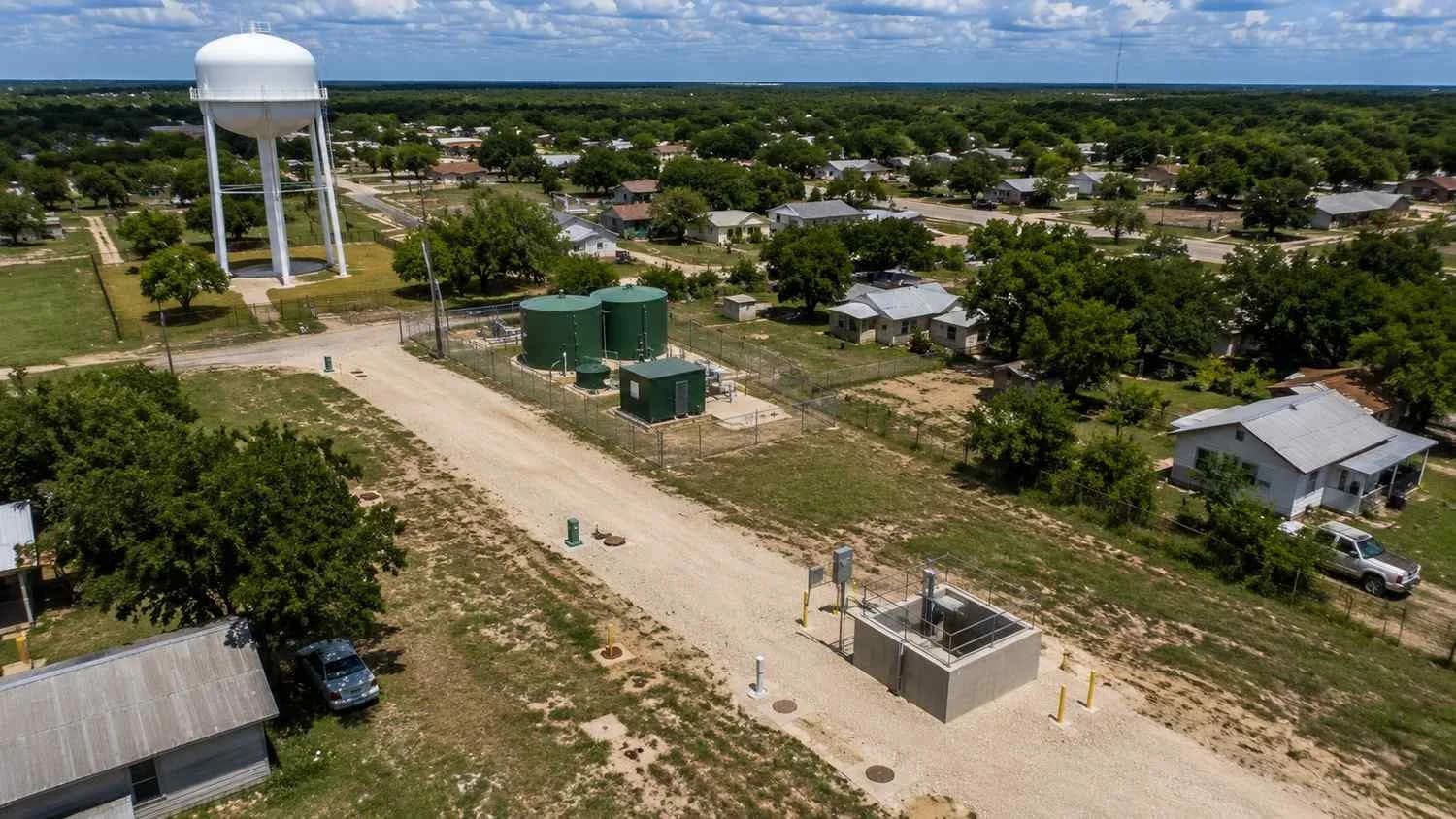
Capital improvement planning for a small water or wastewater system starts with a rough asset list, the driver behind each need and the funding calendar.
Capital improvement planning for a small municipality starts with a short list, not a perfect inventory. Write down the ten or twenty assets most likely to fail or put you out of compliance, note what is driving each one, get an engineer's cost estimate for the top projects and line them up against the state funding calendar. That is enough to move a water or wastewater system from paying for emergencies to building planned, fundable projects.
Why do small systems stay stuck in reactive mode?
Because the people running them have no spare hours, and emergencies always win the agenda.
A pump fails at 2 a.m. The operator fixes it, the board approves the repair, and nobody asks what fails next. A manager handling billing, compliance reports and resident calls has no time for a five-year plan.
The cost shows up later, in after-hours labor, rush parts and temporary equipment. And the state revolving funds below build their project lists once a year, so an undocumented need can miss a cycle.
What should you inventory first?
The assets most likely to fail and most painful if they do.
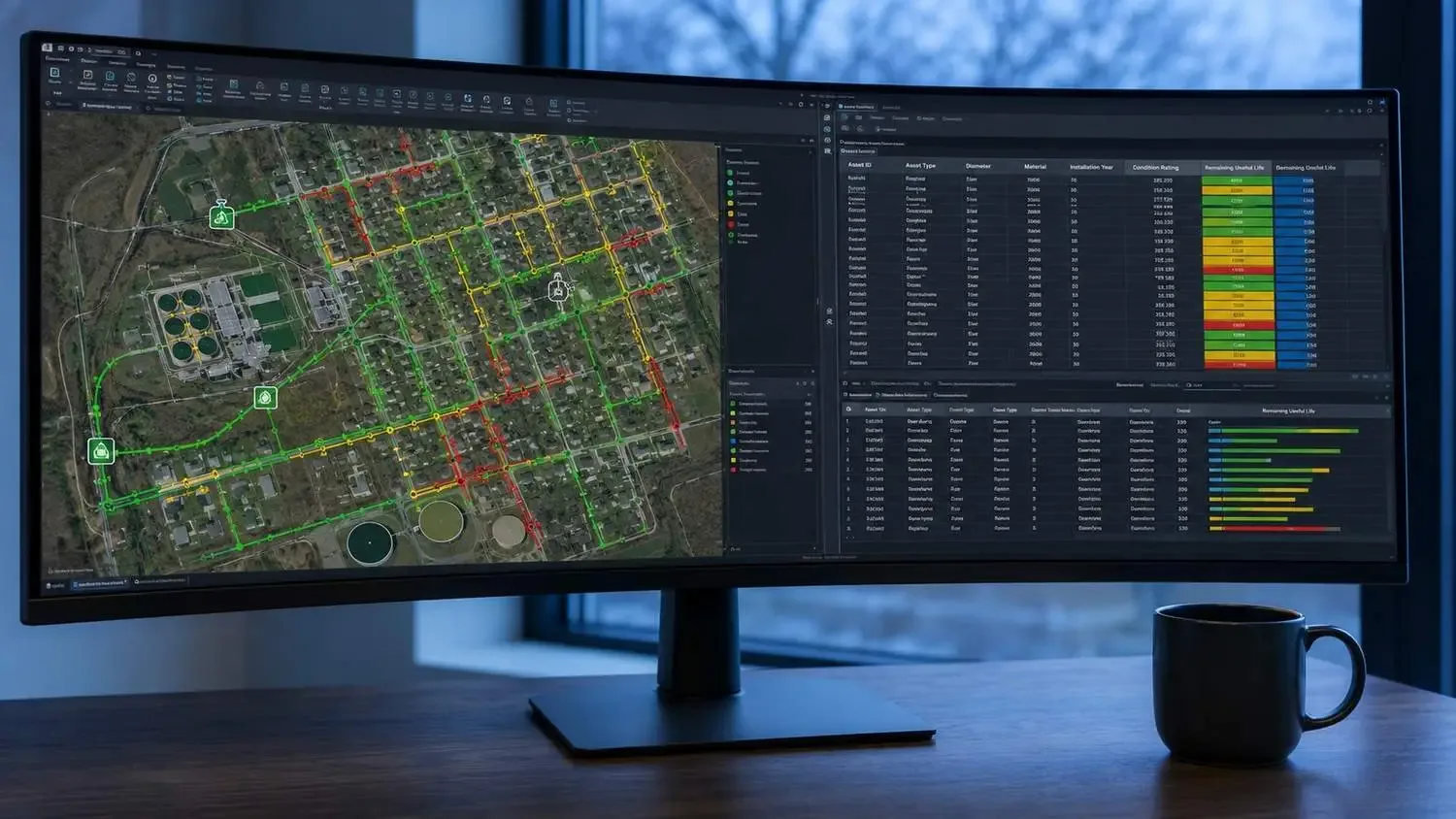
EPA's Asset Management 101 guide for small water and wastewater systems frames the work as five core questions: the current state of your assets, the level of service you must provide, which assets are critical, the lowest life-cycle cost plan for capital work and O&M, and the long-term funding strategy. EPA calls it a good starting point for any size system and says estimates are fine where records are hard to find.
For each treatment unit, main, lift station, tank, well and booster station, record when it went in, its condition and when it needs replacement. Where records are thin, use operator knowledge, maintenance logs, old drawings and a site walk.
Then rank the list. EPA defines critical assets as those with a high risk of failing and major consequences if they do. A single-pump lift station with no backup and parts nobody makes anymore outranks an old water main that still holds pressure.
What is driving each project?
One of four things: compliance, capacity, condition or efficiency. The driver sets the priority and the funding case.
Compliance projects go first because someone else sets the date. Per TCEQ's enforcement process page, a notice of violation specifies a time frame to respond and requires documentation of compliance, and an agreed order spells out the actions needed to correct the violations.
Capacity projects come from a system that cannot serve current or planned demand. In Texas, 30 TAC §305.126(a) sets two triggers for a permitted domestic wastewater plant. At 75 percent of permitted flow for three consecutive months, the permittee must start engineering and financial planning for expansion or upgrading. At 90 percent for three consecutive months, it must obtain the commission's authorization to build the added treatment or collection facilities. A main that fails a fire flow analysis for a municipal distribution system, or a storage tank that cannot hold pressure at peak demand, belongs here too.
Condition projects cover assets past their service life with repairs that keep climbing. A main that generates a large share of the year's repair calls is a capital project, not a maintenance line.
Efficiency projects fix things that work but cost too much to run. Leaked water was treated and pumped for nothing, and a detailed water loss analysis for a rural system shows where it goes. The TWDB's water loss audit page says Texas retail public water systems with more than 3,300 connections, or with a TWDB financial obligation, submit an audit every year, and smaller systems every five years.
How do you turn the list into a phased plan?
Group projects by when they have to happen, then attach a cost estimate the board can vote on.
- Years one to three: compliance projects, high-risk critical assets and anything with a funding window open now.
- Years four to seven: aging assets with rising failure risk, and capacity limits that will block growth.
- Years eight to ten: longer-horizon replacements and efficiency projects that can wait.
A cost the operator remembers from another district's job will not hold up. An engineer's opinion of probable cost for your site will.
For the top projects, that estimate grows into a preliminary engineering report. The 2013 interagency preliminary engineering report template from USDA Rural Development, EPA and other federal agencies asks for the condition of existing facilities, the need for the project, the alternatives, a life cycle cost analysis and a detailed cost estimate, and notes many funding agencies require a professional engineer registered in the state. Your inventory and driver list feed its first sections.
Where does the money come from?
Start with the state revolving funds and USDA Rural Development. Both expect a documented project.
In Texas, the TWDB's Clean Water State Revolving Fund page covers planning, design and construction of wastewater, reuse and stormwater projects for cities, counties and districts. Its Drinking Water State Revolving Fund page covers projects that correct deficiencies such as water quality, capacity, pressure and water loss. For both, solicitation opens in December and closes in March, and a project without a Project Information Form in by that deadline is left off the initial project priority list. Both offer principal forgiveness to disadvantaged communities.
USDA Rural Development makes direct loans and grants for water and waste projects to public bodies. Under 7 CFR §1780.3, a rural area is one not in a city or town of more than 10,000 people. 7 CFR §1780.7 requires the applicant to certify it cannot finance the project itself or through commercial credit at reasonable terms, and 7 CFR §1780.10 caps the grant share by the area's median household income.
In Colorado, the wastewater fund's 2025 Water Pollution Control Revolving Fund Intended Use Plan says CDPHE, the Colorado Water Resources and Power Development Authority and the Department of Local Affairs run it jointly. An eligibility survey each June captures 20-year capital improvement needs, and a project must be on the resulting Project Eligibility List. A capital plan is most of that response.
What does a finished plan give the board?
A ranked project list it can vote on, cost estimates for the budget and rates, and a funding strategy by program and year.
It also changes the meeting. Instead of approving another emergency repair, the board asks: where does that asset sit on the list, and is it time to move it up? For small utilities and municipalities, that is the shift from reacting to governing.
Is your system ready to start a capital improvement plan?
Run this check. Any no is your first task.
- Do you have a list of major assets with approximate install dates?
- Has someone rated the condition of each critical asset, even roughly?
- Do you know which items carry a compliance date from a regulator?
- Do you know your plant's flow as a share of permitted flow for the last twelve months?
- Do your top three projects have an engineer's cost estimate?
- Do you know when your state's revolving fund solicitation or survey opens next?
Then put three questions on the next board agenda. Which asset worries the operator most? Which project has a regulatory date? Who submits the funding form before the deadline?
A note on limits: this is general education on Texas, Colorado and federal programs as of October 2026. Program rules and deadlines change yearly, so confirm them with the agency.
Frequently asked questions
Does a capital improvement plan require a large engineering budget?
No. A small system does not need a full master plan to start. It needs an honest asset list, engineer's estimates for the top projects, a phasing plan and a funding analysis.
What is the difference between a capital improvement plan and a preliminary engineering report?
The plan ranks every project in the system. A preliminary engineering report covers one project in depth, with alternatives, life cycle costs and a detailed estimate, usually for a funding application.
I'm the city manager of a Texas town of about 2,000 people and our wastewater plant has been running near its permitted flow. Where do I start the capital plan?
Start with the flow records. At 75 percent of permitted flow for three consecutive months, 30 TAC §305.126 already requires expansion planning. Check the collection system for inflow and infiltration before sizing anything, then get a Project Information Form to the TWDB before the March close.
I manage a small water and sanitation district in Colorado with old sewer mains and almost no records. What should we do before the next Water Pollution Control Revolving Fund eligibility survey?
Build a rough inventory from operator knowledge and maintenance logs, rank the critical assets and enter your top projects in the survey. A project must be on the Project Eligibility List to be eligible, so a rough entry this year beats a perfect one next year.
Related resources
- Capital Improvement Planning for Small Municipalities
- Aging Infrastructure and Regulatory Changes in Small Water Systems
- Knowing When Your Wastewater Treatment Plant (WWTP) Needs to be Upgraded: A Guide for Rural Communities
- Revitalize Your Community with the USDA Water & Waste Disposal Loan & Grant Program in Texas
Stuck between emergency repairs and a capital plan?
MES helps small water and wastewater systems turn an aging asset list into a phased plan, cost estimates and funding-ready engineering reports.
We specialize in:
- Asset assessments and condition evaluations for small water and wastewater utilities
- Capital improvement plans with ranked project lists and phased schedules
- Preliminary engineering reports for SRF and USDA funding applications
- Treatment plant, lift station, pipeline and storage tank project scoping and cost estimates
- Engineering support from planning through construction
Modern Engineering Solutions, McKinney, Texas, with offices in Golden, Colorado and San Jose, California. (214) 833-6748.
Keep reading
More to read.
Talk to an engineer
Tell us about your project.
An engineer reads it
Not a salesperson. Someone who can tell you whether the pathway is real.
You get a first answer
Your options, the agencies involved and the questions that decide cost and schedule.
You decide
No commitment to have the first call.
Prefer the phone? (214) 833-6748