
Blog
Who designs wastewater lift stations for new developments in Texas?
Texas wastewater lift station design starts with the engineer who seals the plans, the utility that owns the station and the path TCEQ or a city will take.
The designer is a registered professional engineer in Texas working for the developer, the utility, a city, a municipal utility district or a partner engineering firm, and that engineer seals the plans. Texas wastewater lift station design is not a single trade: the station is part of the project's wastewater collection system, so the design has to match the owner, the operator and the review path before anyone sizes a wet well.
What does the engineer who designs a lift station actually do?
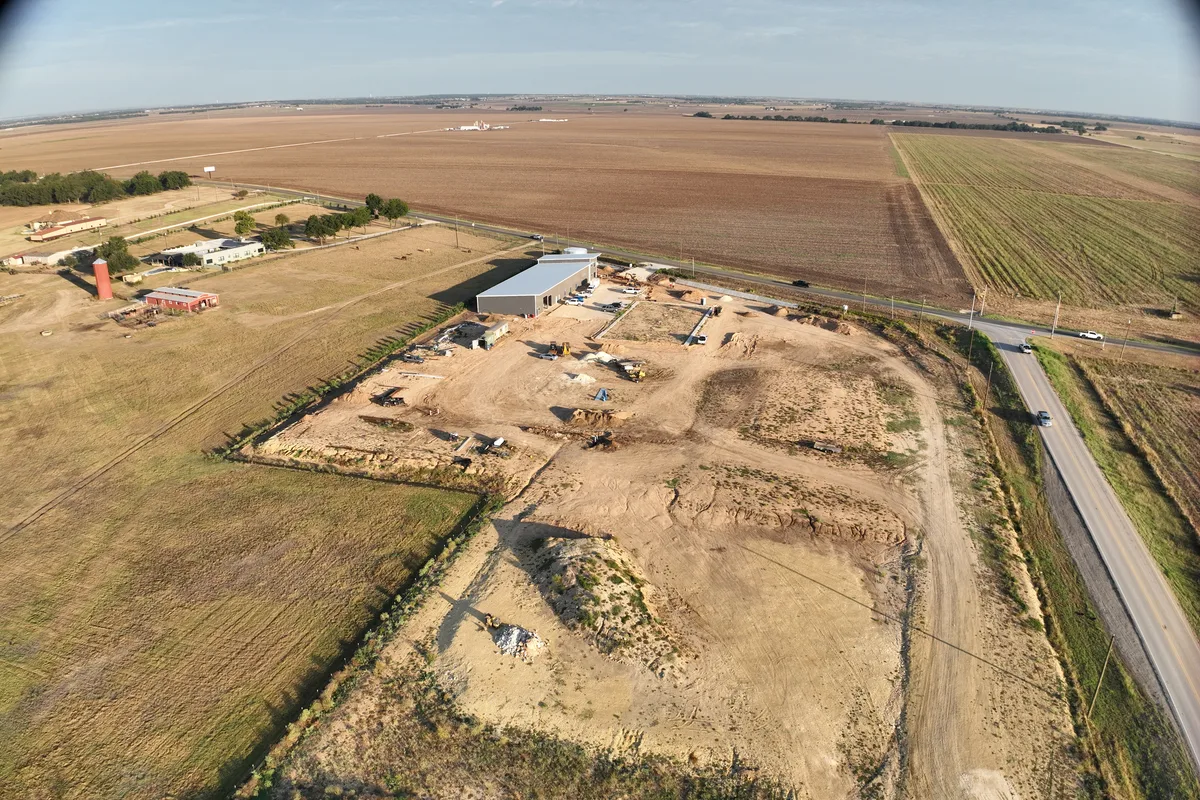
A lift station designer works on the collection system that moves flow to the receiving point. The station is one part of that chain, alongside gravity sewer, manholes and the force main.
MES's water and sewer utility design page lists water mains, fire hydrants, gravity sewers, manholes, lift stations and force mains as one design set. That is the right frame for a new development: the station is not a standalone product.
Does a Texas PE have to seal the lift station plans?
Yes. A registered professional engineer in Texas certifies that the plans and specifications meet all design criteria requirements, and the summary transmittal letter carries that engineer's signature and seal. The letter also names the design firm and its Texas Board of Professional Engineers firm registration number.
TCEQ's wastewater design requirements (opens in a new tab) call for a summary transmittal letter to TCEQ and a copy to the appropriate regional office for each collection system project and wastewater treatment facility project. That letter is where the engineer's certification and seal appear.
Who reviews the design, TCEQ or the city?
TCEQ sets the design rules for domestic wastewater collection systems in 30 TAC Chapter 217, and a city with TCEQ approval authority may review the sewer plans instead. For each collection system project, the owner sends TCEQ a summary transmittal letter sealed by the design engineer.
If TCEQ does not say within 30 business days that it will review the plans, the project is conditionally approved. If TCEQ decides a full technical review is required, the design engineer gets notice within 30 working days of receipt of the summary. TCEQ's plans review page (opens in a new tab) says TCEQ may grant a city authority to review design plans and specifications for wastewater collection system projects and to issue approval or denial letters.
What decides whether the station can connect to a public sewer?
The utility that will own the lines decides, and its capacity decides with it. A sewer main at the property line does not mean capacity. The check covers the downstream lines and lift stations against the new flow, and any upgrade the utility asks for.
Certificates of convenience and necessity (CCNs) from the Public Utility Commission of Texas set which provider may serve the land. That is why the utility question comes before the pump selection: a station designed for the wrong owner or the wrong receiving point is a redesign waiting to happen.
When does a lift station make more sense than deeper gravity sewer?
Gravity sewers need slope, and on flat sites the pipe gets deep fast. At some depth, a lift station can cost less than digging deeper. That comparison belongs before the design is fixed, because the station location and the sewer profile are set together.
If the comparison comes after the layout is fixed, the project lives with a deeper sewer or a station in the wrong place. The designer should compare both before the profile is set.
How is a lift station sized for a phased development?
Size the station for full buildout, then check how it runs in the early phases, when flows are low. A station that only works at buildout is not sized for the project the developer is actually building.
MES's Texas wastewater engineering page describes that two-step check: design for full buildout, then check the early phases when flows are low. The design has to cover the low flows the first phase will produce, not only the peak at full buildout.
What should a developer give the lift station designer?
Give the designer the facts TCEQ's submittal will ask for, not only the site plan. The summary letter needs the owner, the county and the project name. For a lift station, the letter also includes the station name and the project coordinates in decimal degrees with six decimals.
It also describes provisions for emergency power to the treatment units or collection systems. MES works with developers and builders on this handoff, and those items are the same ones that decide the station's owner, review path and receiving point.
What should a developer check before design starts?
Use a short readiness check before the design team starts the station. The items below are the ones that change the design, the submittal or the owner's decision.
- The utility that will own the station has confirmed it can take the flow.
- The review path is named: TCEQ or a city with TCEQ approval authority.
- A Texas PE is named to seal the plans and the summary transmittal letter.
- The station is sized for full buildout and checked for early-phase low flows.
- The TCEQ letter inputs are assembled: owner, county, project name, lift station name, coordinates and emergency power provisions.
- The design team has compared a lift station against deeper gravity sewer where the ground is flat.
Ready only when every item is yes. Any no is a question to settle before design starts, not a note for the next submittal.
This article covers the general Texas review path for domestic wastewater collection systems. It does not decide your site's capacity, your utility's requirements or your permit outcome; those depend on the owner, the receiving system and the review authority.
Frequently asked questions
Who signs the lift station plans in Texas?
A registered professional engineer in Texas certifies that the plans and specifications meet all design criteria requirements. The summary transmittal letter carries that engineer's signature and seal.
Does TCEQ review every lift station design?
No. TCEQ sets the design rules for domestic wastewater collection systems in 30 TAC Chapter 217. Inside a city that holds TCEQ approval authority, the city reviews the sewer plans instead.
Can a city review the sewer plans instead of TCEQ?
Yes. TCEQ may grant a city authority to review design plans and specifications for wastewater collection system projects and to issue approval or denial letters.
When does TCEQ ask for full plans?
If TCEQ decides after its initial review that a full technical review is required, the design engineer gets notice within 30 working days of receipt of the summary.
What flow should the station be sized for?
Size the station for full buildout, then check how it runs in the early phases, when flows are low. The design has to cover the low flows the first phase will produce.
Does a lift station need emergency power?
TCEQ's summary transmittal letter asks for a description of provisions for emergency power to the treatment units or collection systems. That makes emergency power a design item to settle before the submittal.
Related resources
- What should a civil engineering firm verify before handing a wastewater lift station design to a specialist?
- 3 Important Lessons on Upgrading Community Development: The Role of Lift Stations
- Why Your Texas Development Needs a Wastewater Engineer Before the Architect Signs Off
Planning a lift station for a new Texas development?
MES designs wastewater collection, lift stations and force mains for Texas development, with the review path settled before design starts. Bring us the site plan and the utility question, and we can scope what the station needs and who has to review it.
Ask for the first step: pre-acquisition utility screen. A written answer on CCN status, capacity, discharge location and rights, pathway, cost range and permit calendar (15 business days). Ask for it here.
Keep reading
More to read
What we do
On this page
- What does the engineer who designs a lift station actually do?
- Does a Texas PE have to seal the lift station plans?
- Who reviews the design, TCEQ or the city?
- What decides whether the station can connect to a public sewer?
- When does a lift station make more sense than deeper gravity sewer?
- How is a lift station sized for a phased development?
- What should a developer give the lift station designer?
- What should a developer check before design starts?
- Frequently asked questions
- Related resources
- Planning a lift station for a new Texas development?
Planning a project?
Talk to an engineerTalk to an engineer
Tell us about your project
An engineer reads it
Not a salesperson. Someone who can tell you whether the pathway is real.
You get a first answer
Your options, the agencies involved and the questions that decide cost and schedule.
You decide
No commitment to have the first call.
Prefer the phone? (214) 833-6748