
Modern Engineering Solutions

Engineering Firm for Land Developers in

Leander,

Texas

Leander,

Texas

Water And Wastewater Infrastructure Engineering

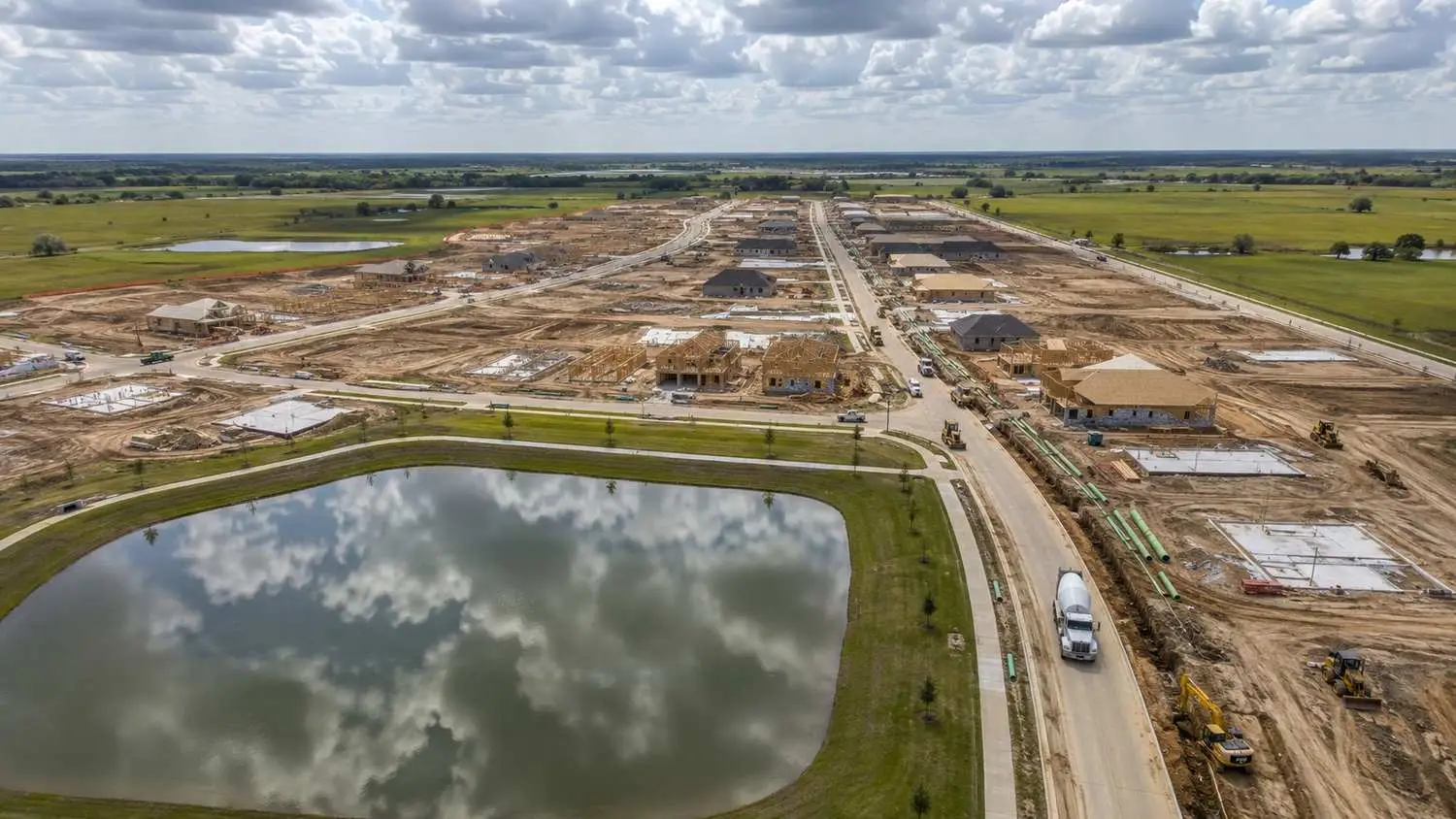
Leander transformed from small Hill Country town to commuter hub as housing prices pushed Austin workers farther northwest, creating infrastructure strain from development absorbing faster than utilities expanded. We work with developers, municipalities, and civil firms throughout Leander and Williamson County on systems catching up with growth already underway.

From capacity-constrained collection upgrades to new treatment facilities and distribution expansions, we secure TCEQ permits in 6-8 weeks instead of 12 months.

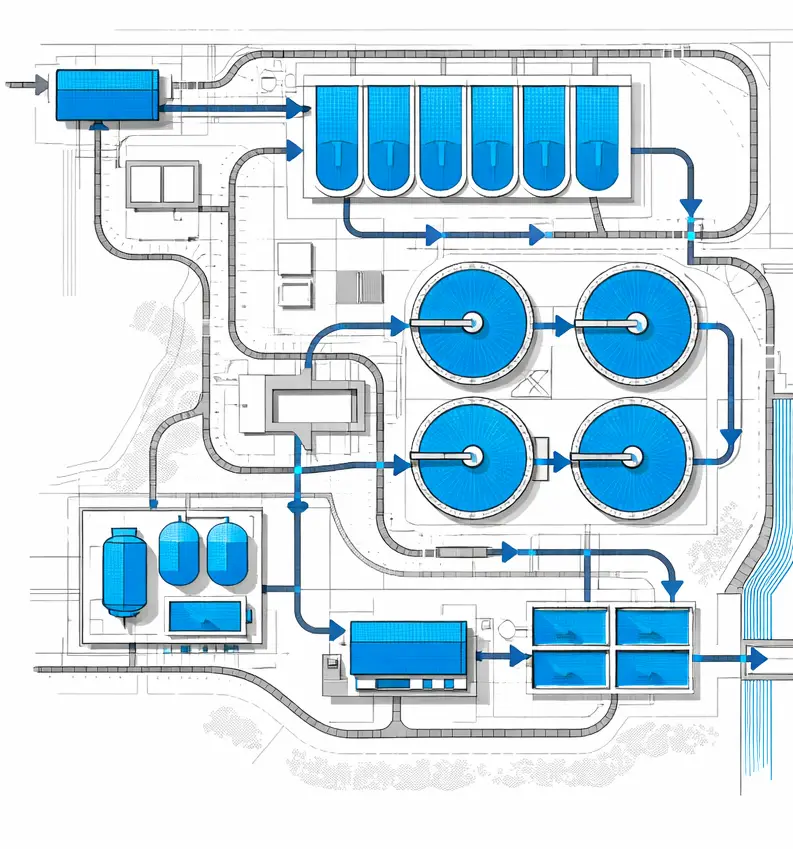
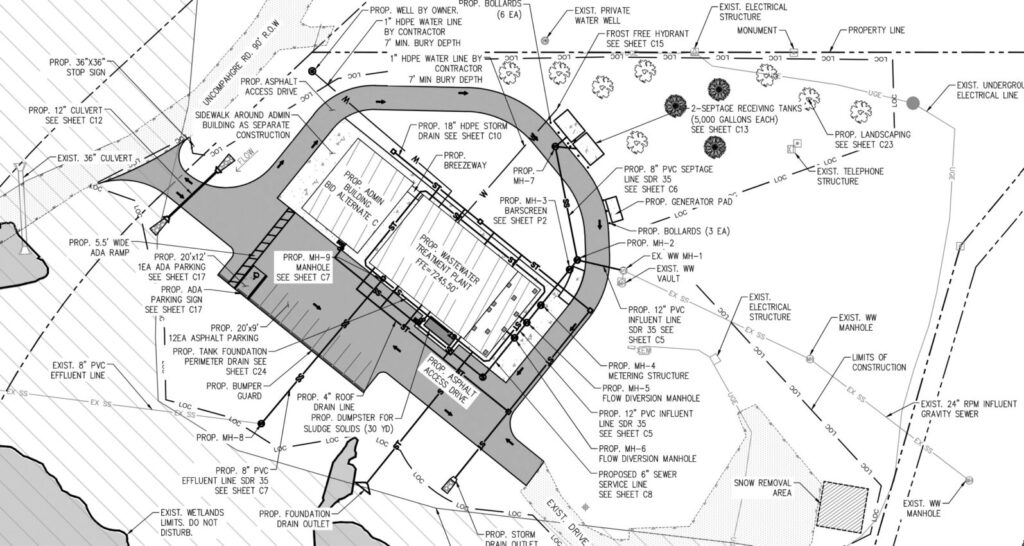
Wastewater sewer infrastructure network map showing trunk sewer mains, secondary collection lines, lift stations, and a central wastewater treatment plant serving a developing district.

Engineering Built for Outcomes, Not Overhead

Leander developments fail when engineering assumes available capacity exists. Growth outpaced infrastructure expansion, creating allocation constraints and system limitations that preliminary feasibility often discovers too late.

Value Over
Hours

Our deliverables include capacity verification completed, allocation secured, systems designed for constrained infrastructure conditions. Costs stay predictable because we confirm capacity availability before design begins rather than discovering limitations after land acquisition closes and budgets commit.

Speed as a Design Constraint 

Builders with presold homes face construction schedules dependent on utility availability that municipal expansion timelines control. Development timing depends on coordinating project phasing with infrastructure capacity that growth demands already stressed. Permit speed matters less than capacity coordination accuracy.

Deep Work, Not Meeting Culture 

Engineers verify municipal capacity allocation and coordinate system expansion timing rather than generating status reports. Real constraints get identified through coordination with Leander utility staff and reviewing actual capacity data, not producing progress presentations that defer technical investigation.

AI as Leverage, Not a Shortcut 

Software accelerates drawing production and calculation formatting while licensed engineers concentrate on capacity allocation verification, expansion coordination, and phasing strategies matching infrastructure availability. Automation handles documentation without replacing capacity analysis requiring utility coordination.

Who We Support

Leander development requires engineers confirming capacity exists before design proceeds, not assuming availability like less-constrained markets allow.

Municipalities and Water Districts

Leander and Williamson County utilities manage infrastructure where growth absorption exceeded expansion capacity, creating allocation constraints affecting new development. We design projects coordinating with expansion schedules, structuring phasing around capacity availability, and sizing for build-out while acknowledging interim limitations.

Developers and Industrial Owners 

Builders working Leander need capacity confirmation before land purchase decisions, not feasibility studies discovering limitations after commitments finalize. Our capacity verification and municipal coordination delivers definitive answers on infrastructure availability in weeks, preventing the financial exposure that happens when developers discover capacity constraints post-acquisition.

Civil Engineering Firms

Site development practices serving Leander often need water and wastewater specialists who understand capacity allocation procedures and expansion coordination without requiring extensive municipal relationship development. We deliver plans accounting for actual capacity constraints rather than theoretical designs assuming unlimited availability.

What We Do

Our Leander work centers on infrastructure coordinating with capacity-constrained municipal systems.

Wastewater Engineering

Collection systems in Leander require capacity allocation from constrained treatment plants before design finalizes. We coordinate with municipal expansion schedules, structure phasing around availability, and design for ultimate capacity while acknowledging current limitations. Projects proceed when capacity exists rather than assuming availability that allocation procedures will deny.

Water Engineering

Distribution systems need coordination with Leander’s expanding infrastructure to confirm pressure zones serve development sites and storage capacity supports new demands. We verify allocation availability before design rather than producing plans requiring revision when municipal coordination reveals capacity limitations that preliminary assumptions missed.

Civil Engineering

When site teams need utility plans accounting for Leander’s capacity constraints, we deliver construction documents addressing actual allocation procedures and expansion coordination. Particularly valuable when general firms lack established coordination with municipal utility staff or recent experience navigating capacity limitations.

Construction Administration

Contractors building Leander utilities coordinate with municipal expansion projects that affect tie-in timing and capacity availability. We provide field support managing these coordination requirements that affect construction sequencing beyond normal utility installation. Projects maintain productivity despite external dependencies on municipal work.

Get Permit Timeline And Cost Estimate

Projects

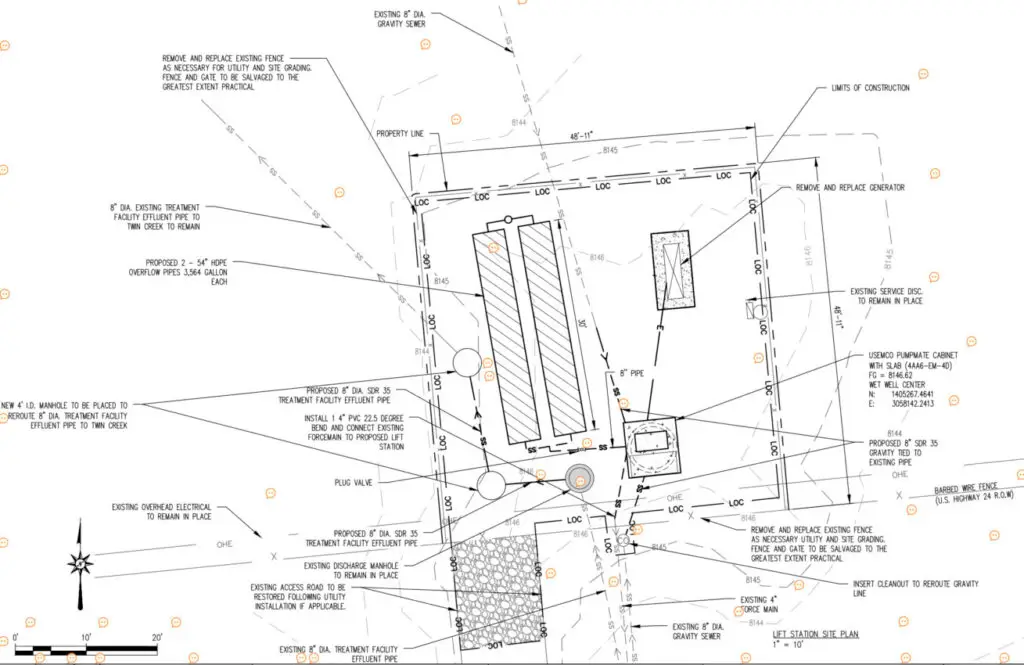
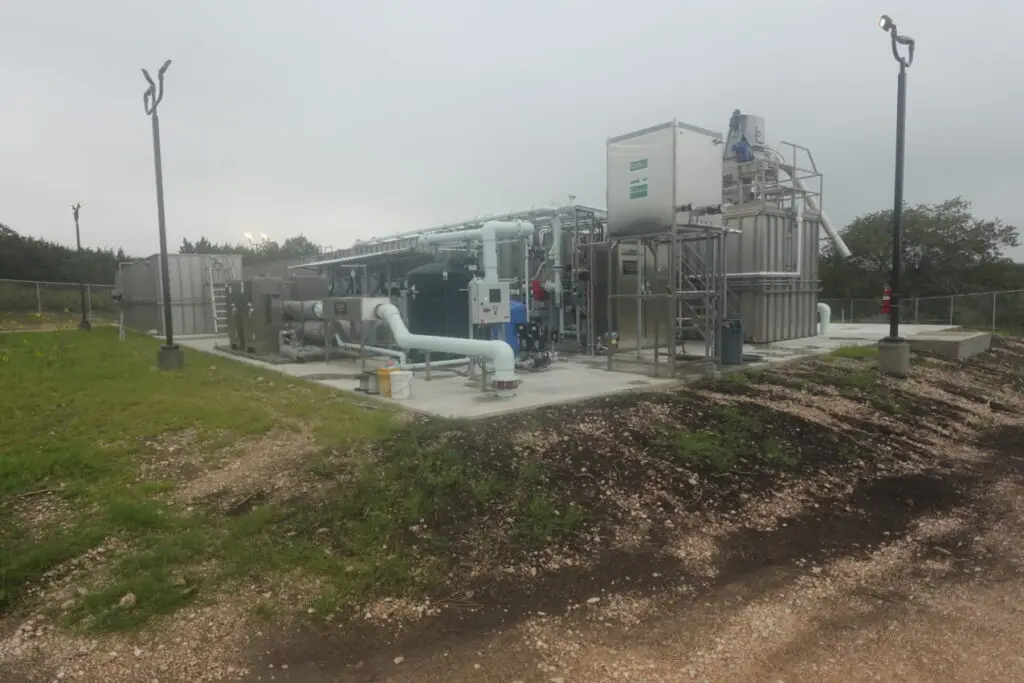
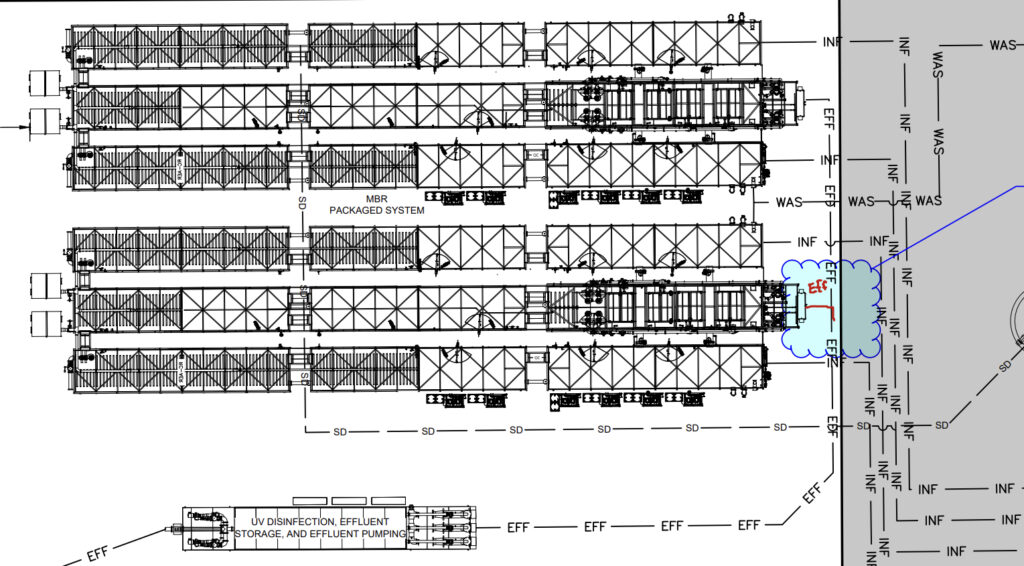
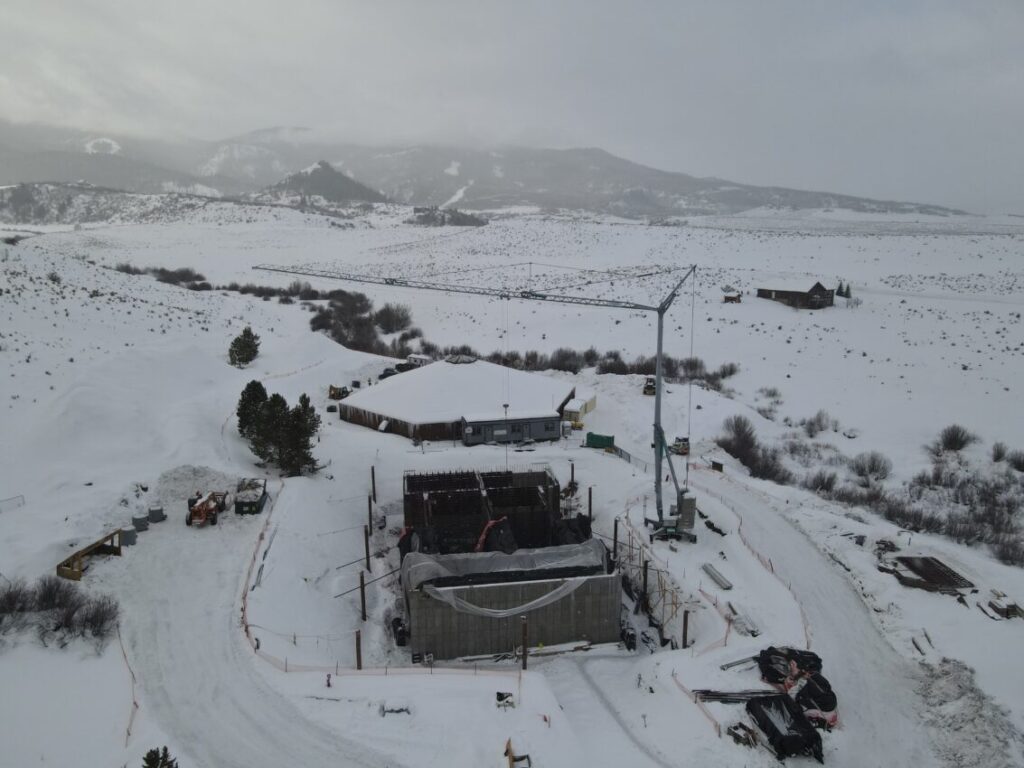
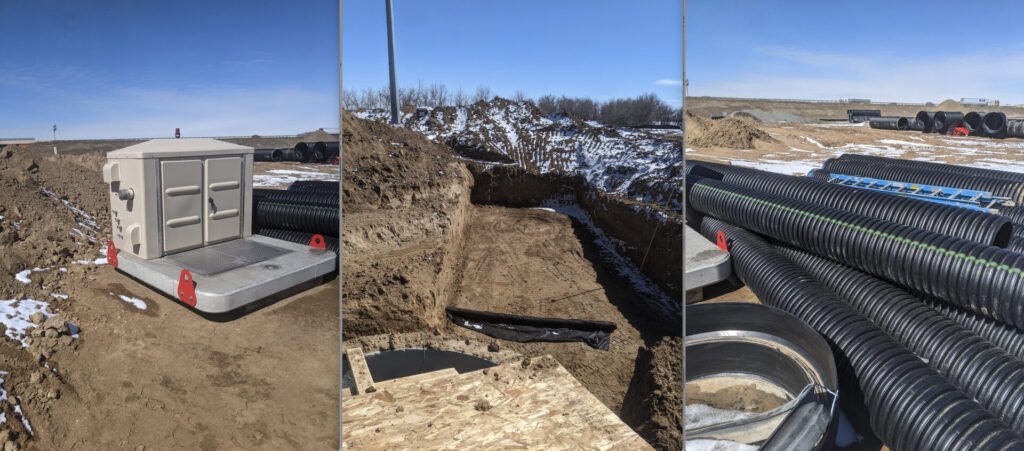
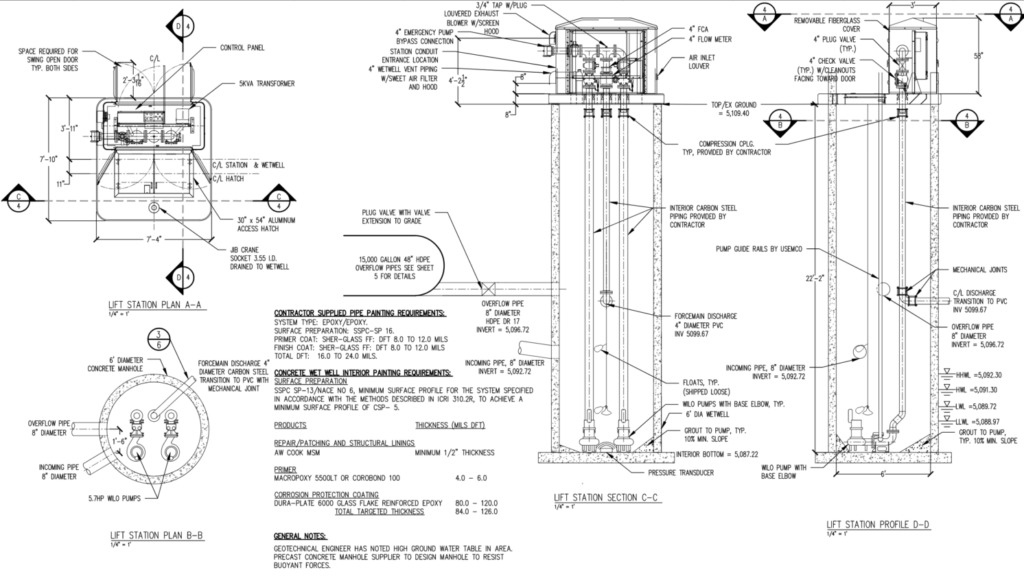
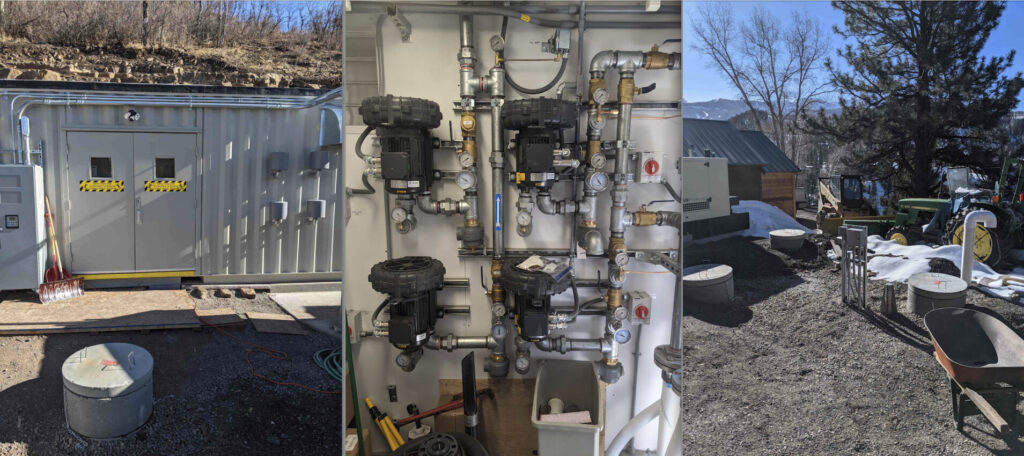
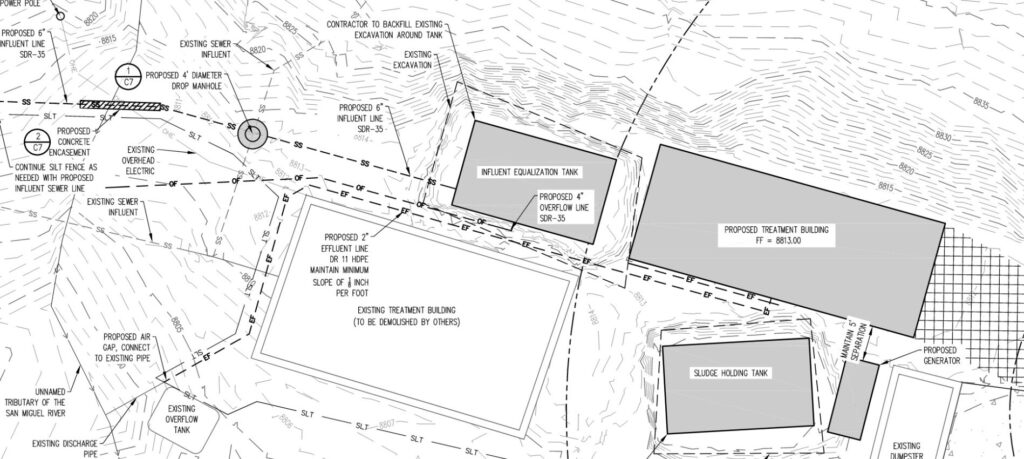
From lift stations to treatment plants, MES delivers water and wastewater engineering for Leander municipalities, developers, and engineering firms - fewer revisions, faster approvals, and costs you can count on.

Blog/Newsletter

Engineering firm AI infrastructure diagram showing connected data flow between Operations, Accounting, HR, Sales, and Marketing departments with AI agents moving through automated workflows

AI infrastructure for engineering firms requires a connected data layer linking all five core departments, Operations, Accounting, HR, Sales, and Marketing, so information flows automatically without manual handoffs between systems.

Why Choose Modern Engineering Solutions

  • Clear Direction

    We tell Leander developers whether municipal capacity exists for their projects or requires waiting for system expansions before proceeding. Direct answers based on coordination with utility staff and reviewing allocation procedures, delivered during initial consultation rather than after design investment discovers constraints.

  • Cost-Effective Systems

    Infrastructure gets designed for capacity actually available rather than theoretical demand calculations that allocation procedures will reject. Phasing coordinates with municipal expansion schedules that control when capacity exists. Engineering based on Leander's actual constraints rather than assumptions about unlimited availability.

  • Predictable Timelines

    TCEQ receives applications after capacity allocation confirms availability and coordination with municipal staff verifies expansion schedules. Approvals happen without revision because submittals demonstrate capacity exists rather than presenting demands that allocation procedures haven't approved yet.

  • Senior-Level Partnership

    Licensed engineers with established Leander utility coordination handle projects personally. No delegating capacity verification to junior staff developing municipal relationships using your project schedule as their networking opportunity.

Get in Touch!

Leander's growth created capacity constraints requiring verification before design proceeds.

Our licensed engineers coordinate with municipal utilities to confirm availability, responding same business day with definitive answers.

🇺🇸 +1

Disclaimer:
We specialize in water and wastewater engineering only.
We do not provide structural, architectural, or MEP services.
Emails from marketing and estimating firm services will be ignored. Please save your time.