
Blog
Understanding Order WQ 2016-0068-DDW: California’s General Recycling Authorization
Order WQ 2016-0068-DDW gives a faster California recycled water path only if your project qualifies. What the general order requires before you rely on it.
Quick Answer
A California developer evaluating recycled water for a project often asks the same practical question early on: is there a faster, more standardized regulatory pathway available, or does this project need to go through a fully custom, project specific approval process from the ground up. Order WQ 2016-0068-DDW is the State Water Board’s general order providing a streamlined authorization pathway for certain recycled water uses that qualify under its specific terms, and understanding whether a specific project actually qualifies, rather than assuming it does simply because recycled water is involved, is the real question that determines whether this general order genuinely speeds up a project or whether a more specific, project tailored approval path is still the right route.What a General Order Is and Why It Exists
A general order is a regulatory mechanism the State Water Board can use to establish standardized requirements covering a category of activities that share enough common characteristics to be reasonably regulated under a single set of terms, rather than requiring every qualifying project to go through an entirely separate, individually negotiated approval process. For recycled water uses that fit within the general order’s defined scope, this can provide a more predictable and potentially faster path to authorization than a fully custom approval process, since the general order’s terms are already established and a qualifying project is essentially confirming it meets those existing terms rather than negotiating new ones from scratch.
Does This Speed Up Every Recycled Water Project? Not Automatically
The genuinely important question for a developer isn’t whether Order WQ 2016-0068-DDW exists and could theoretically apply to recycled water projects in general, it’s whether a specific project’s actual circumstances, source water, treatment level, proposed use, and other project specific factors actually fit within this general order’s defined scope. A project that doesn’t fit within that scope doesn’t get to use this pathway just because recycled water is involved, and assuming general order eligibility without confirming it against the project’s actual specifics is a mistake that can waste time pursuing an approval pathway that was never actually available for that project.
Recycled Water Source
The source of the recycled water, generally the specific wastewater treatment facility and treatment process producing it, is a foundational factor in evaluating general order eligibility, since a general order established with certain assumptions about qualifying treatment and source characteristics may not extend to every possible recycled water source a project might propose. Confirming the specific source water and its treatment characteristics against the general order’s actual defined scope, rather than assuming any recycled water source qualifies, is a necessary first evaluation step.
Treatment Level
Treatment level, how thoroughly the water has been treated and to what quality standard, similarly needs to be evaluated against whatever treatment level requirements the general order actually establishes for the specific category of use being proposed. Title 22 requirements, discussed for engineering report preparation generally, remain relevant here, since treatment level and its relationship to approved use categories is a core element of California’s recycled water framework regardless of whether a project pursues general order authorization or a more project specific approval path.
Proposed Use
The proposed use itself, irrigation, industrial reuse, dust control, construction reuse, or another specific use category, needs to fall within whatever use categories the general order actually covers. A developer should not assume that because irrigation reuse or a similar common use category is generally associated with streamlined recycled water regulation, their specific project’s proposed use automatically fits within this particular general order’s defined scope without confirming that fit specifically.
Responsible Parties
A recycled water arrangement typically involves distinct responsible parties, a recycled water producer, generally the entity operating the treatment facility producing the recycled water, and one or more recycled water users, the entities actually using the recycled water for irrigation, industrial reuse, or another approved purpose. General order authorization, where it applies, generally establishes specific responsibilities for each of these parties, and a project team should clearly understand and document which party is responsible for which specific obligation under the general order’s terms, rather than leaving these responsibilities ambiguous.
Recycled Water Producer Responsibilities
A recycled water producer operating under general order authorization typically carries responsibilities related to treatment reliability, monitoring, and reporting, confirming the recycled water supplied to users consistently meets the quality standards the general order and applicable Title 22 requirements establish for the specific use categories being served. Understanding these producer side responsibilities clearly, and confirming the producing facility is actually equipped and staffed to meet them consistently, is part of evaluating whether general order authorization is a realistic fit for a specific recycled water arrangement.
User Site Requirements
On the user side, site specific requirements typically address how recycled water is actually used, distributed, and controlled at the specific site receiving it, echoing the distribution, cross connection control, and setback considerations discussed for Title 22 Engineering Reports generally. A user site needs to actually implement whatever specific site control requirements apply, and evaluating whether a proposed project’s site design can practically satisfy these requirements is part of a realistic general order eligibility and feasibility evaluation.
Irrigation Reuse and Industrial Reuse
Where irrigation reuse or industrial reuse is the proposed use, the specific characteristics of that use, application methods and areas for irrigation, or process specific considerations for industrial reuse, need to be evaluated against whatever specific requirements apply to that use category, whether under general order authorization or a more project specific approval path. The underlying technical considerations, appropriate treatment quality matched to use, safe distribution, and reliable cross connection control, remain relevant regardless of which regulatory pathway ultimately governs a specific project.
Dust Control and Construction Reuse
Dust control and construction reuse represent additional recycled water use categories relevant to many development projects, particularly during active construction phases, and these uses carry their own specific considerations regarding appropriate recycled water quality and use controls. A developer planning to use recycled water for dust control or other construction phase purposes should evaluate whether and how this specific use fits within available regulatory pathways, rather than assuming it’s automatically covered under whatever authorization applies to the project’s longer term post construction recycled water uses.
Title 22 Requirements and Engineering Reports
Even where general order authorization applies, Title 22 requirements and, depending on the specific circumstances, engineering report documentation addressing treatment, distribution, and cross connection control remain relevant considerations, since a general order provides a streamlined regulatory pathway but doesn’t necessarily eliminate the underlying technical requirements Title 22 establishes for recycled water quality and safe use. Understanding how general order authorization and Title 22 requirements interact for a specific project, rather than assuming one substitutes entirely for the other, is worth confirming directly with the applicable agencies.
Cross-Connection Control, Signage, and Setbacks
Cross-connection control, appropriate signage clearly identifying recycled water infrastructure and use areas, and setback distances from sensitive features all remain important technical safeguards regardless of the specific regulatory pathway governing a project’s recycled water use. A project pursuing general order authorization still needs to implement these safeguards consistent with applicable requirements, and evaluating them as part of site design rather than treating general order authorization as eliminating the need for careful attention to these safeguards is important for both compliance and public health protection.
Inspections, Monitoring, and Recordkeeping
Ongoing inspections, monitoring, and recordkeeping obligations typically continue under general order authorization, similar in spirit to the ongoing compliance obligations discussed for project specific recycled water approvals, and a recycled water producer or user operating under general order authorization should understand these ongoing obligations clearly and plan for them as part of long-term operational responsibility, not just initial authorization.
Agency Coordination
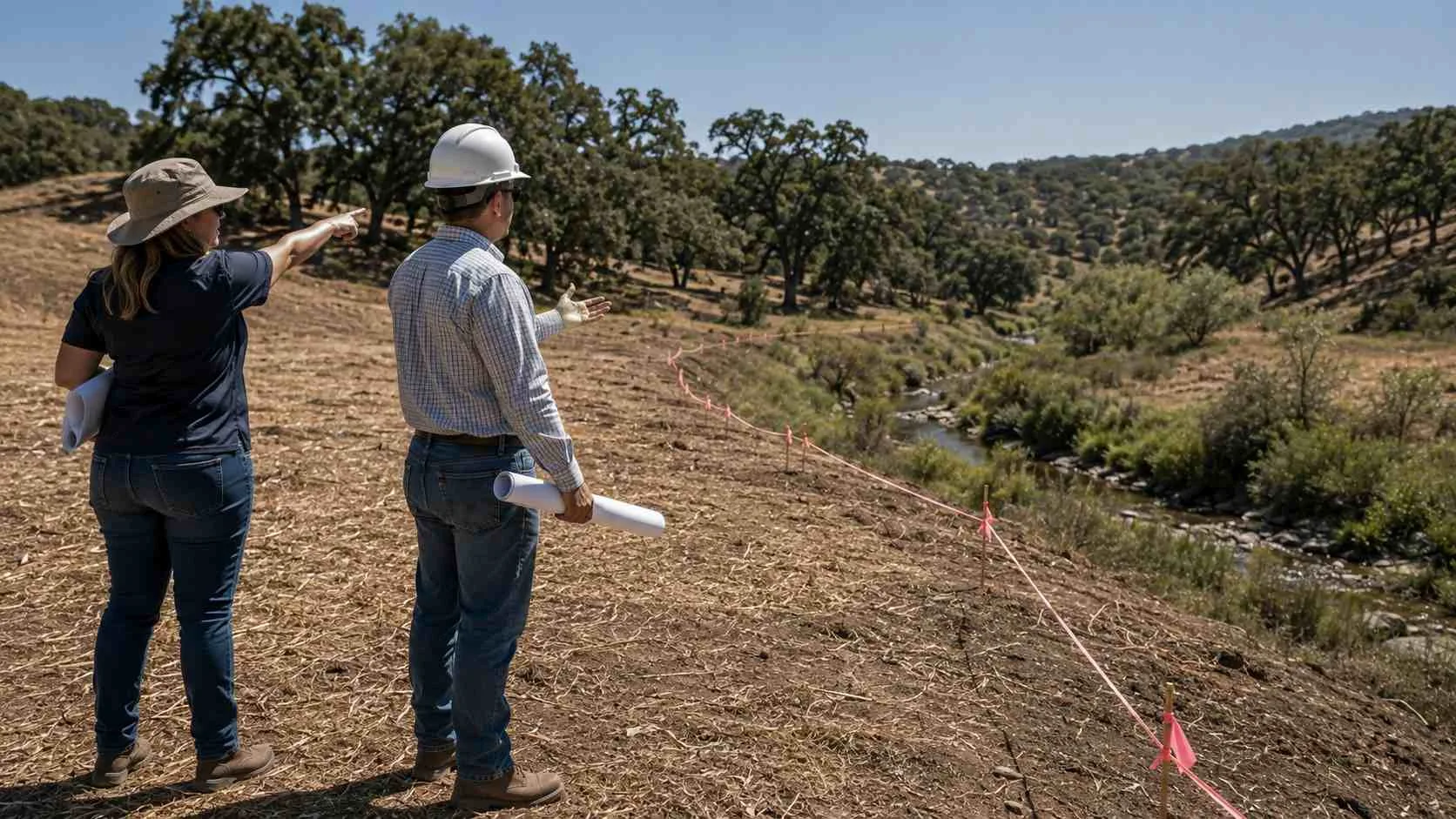
Even where general order authorization appears to be a good fit for a project, coordination with the applicable Regional Water Board, the Division of Drinking Water, and the local recycled water agency serving the project’s area remains an important step, confirming that agency’s specific expectations for how general order authorization is administered in that jurisdiction and any additional local requirements that may apply alongside the statewide general order. Assuming general order authorization eliminates the need for this local agency coordination is a mistake that can leave a project team unprepared for local-specific requirements or expectations.
How MES Approaches This Evaluation
For a California developer or recycled water user trying to answer the practical question this article opened with, whether a general recycling authorization can genuinely speed up their specific project, the honest answer requires a careful, project-specific evaluation against the general order’s actual defined scope and requirements, not a general assumption based on the fact that recycled water and streamlined regulatory pathways are both broadly relevant concepts in California water policy. This evaluation should happen early, before a project team commits to a specific regulatory strategy or communicates a general order timeline expectation to stakeholders that may not hold up once the project’s specific circumstances are evaluated against the order’s actual terms.
Frequently Asked Questions
How do we know if our project qualifies for Order WQ 2016-0068-DDW instead of needing a project specific permit?
A developer should evaluate the project’s specific recycled water source, treatment level, and proposed use against the general order’s actual defined scope, and confirm this evaluation directly with the Division of Drinking Water and the applicable Regional Water Board, rather than assuming qualification based on a general similarity to other recycled water projects.
Does general order authorization mean we don’t need a Title 22 Engineering Report?
Not necessarily, since Title 22 requirements addressing treatment quality and safe use often remain relevant considerations even where general order authorization applies, and a developer should confirm how these requirements interact for the specific project rather than assuming one eliminates the need for the other.
Who is considered the recycled water producer if our development includes its own private treatment facility?
The recycled water producer is generally the entity operating the treatment facility that actually produces the recycled water, and for a development with its own private treatment facility, this responsibility typically falls to whoever owns or operates that facility, a role that should be clearly documented and understood from the start.
Can dust control during construction use recycled water under this general order?
This depends on whether dust control falls within the general order’s specific defined use categories for the project’s circumstances, and this should be confirmed directly with the applicable agencies rather than assumed simply because dust control is a common recycled water use in general practice.
What happens if we start under general order authorization and later realize our project doesn’t actually fit its scope?
This can create delay and require pivoting to a project specific approval process, which is exactly why confirming eligibility carefully before proceeding under general order authorization, rather than assuming eligibility and discovering a mismatch partway through the process, is the more reliable approach.
Related Resources
- The Role of Title 22 Engineering Reports in California Recycled Water Compliance
- Land Application Permits in Texas: A Faster Path to Wastewater Approval for Developers
- Water Reuse in Florida: How the State’s Progressive Rules Are Shaping Infrastructure Design
- TCEQ’s Power Reliability Requirements: Generator vs Dual Feed Design
Before You Assume Order WQ 2016-0068-DDW Applies to Your Project, Confirm It With MES
MES helps California clients evaluate whether Order WQ 2016-0068-DDW applies to their specific recycled water project, prepare supporting documentation, coordinate with the Division of Drinking Water, Regional Water Board, and local recycled water agencies, and design compliant reuse systems whether the project qualifies for general order authorization or needs a project specific approval path.
We specialize in:
- General order eligibility evaluation based on recycled water source, treatment level, and proposed use
- Recycled water producer and user responsibility documentation for irrigation, industrial, and construction reuse
- Cross connection control, signage, and setback design integrated with site planning
- Title 22 coordination alongside general order or project specific authorization strategies
- Monitoring, inspection, and recordkeeping program design for ongoing compliance
- Direct coordination with Regional Water Boards and local recycled water agencies
Contact MES before assuming a general order applies to your recycled water project. (214) 833-6748 or mod-eng.com
Keep reading
More to read.
Talk to an engineer
Tell us about your project.
An engineer reads it
Not a salesperson. Someone who can tell you whether the pathway is real.
You get a first answer
Your options, the agencies involved and the questions that decide cost and schedule.
You decide
No commitment to have the first call.
Prefer the phone? (214) 833-6748