
Blog
Permitting Land Application: Choosing Between WDRs and Recycled Water Rules
California land application can fall under WDRs or recycled water rules, and the wrong path means redesign. Learn which one governs before design begins.
Quick Answer
A California developer looking at land application as an alternative to a direct wastewater discharge often assumes it’s the simpler, faster path. It usually isn’t, at least not automatically. Land application isn’t one simple permitting category with a single set of rules; it can fall under Waste Discharge Requirements, commonly called WDRs, or under California’s recycled water rules built around Title 22, and which pathway actually applies to a specific project depends on the wastewater’s source, its treatment quality, the reuse purpose, soil and groundwater conditions at the receiving site, and the requirements of the applicable Regional Water Board. Choosing the wrong path, or assuming a path without confirming it against the project’s actual circumstances, can mean redesign, added monitoring, delayed approval, or discovering the treatment strategy the project was built around isn’t actually the right one for the permitting route that ends up applying.
Land Application Is Not One Simple Category
It’s an easy but costly assumption to think of land application as a single permitting lane, distinct from discharge but otherwise consistent regardless of a project’s specific details. In practice, California treats land application through at least two meaningfully different regulatory frameworks, Waste Discharge Requirements administered by the applicable Regional Water Board, and recycled water rules built around Title 22 treatment and use requirements, often involving the Division of Drinking Water alongside the Regional Water Board. Which framework actually governs a specific project depends on a set of project specific factors that need to be evaluated early, not assumed based on a general sense that land application is land application regardless of the details.Wastewater Source and Treatment Quality
The source of the wastewater being land-applied, and critically, the treatment quality it has achieved before land application, is one of the most significant factors determining which permitting pathway actually applies. Recycled water rules under Title 22 are built around matching specific treatment quality levels to specific approved uses, similar to the framework discussed for Title 22 Engineering Reports generally, while WDRs can apply to a broader range of discharge to land scenarios that may not fit neatly within Title 22’s specific treatment to use categories. Evaluating a project’s actual treatment process and the quality it achieves against both frameworks’ requirements, rather than assuming treatment quality alone determines the pathway, is a necessary early step.
Reuse Purpose
The purpose of the land application, irrigation supporting a specific crop or landscape use, groundwater recharge, or a discharge to land scenario without a specific beneficial reuse purpose attached, affects which regulatory framework is the appropriate fit. A project with a genuine beneficial reuse purpose, irrigation of a landscape or agricultural area with actual water demand for that purpose, is often a more natural fit for the recycled water framework, while land application without a comparable reuse purpose, functioning primarily as a disposal method, may be more appropriately evaluated under WDRs. This distinction isn’t always clean, and a project’s actual circumstances should be evaluated specifically rather than assumed based on general labels.
Soil Conditions and Groundwater Protection
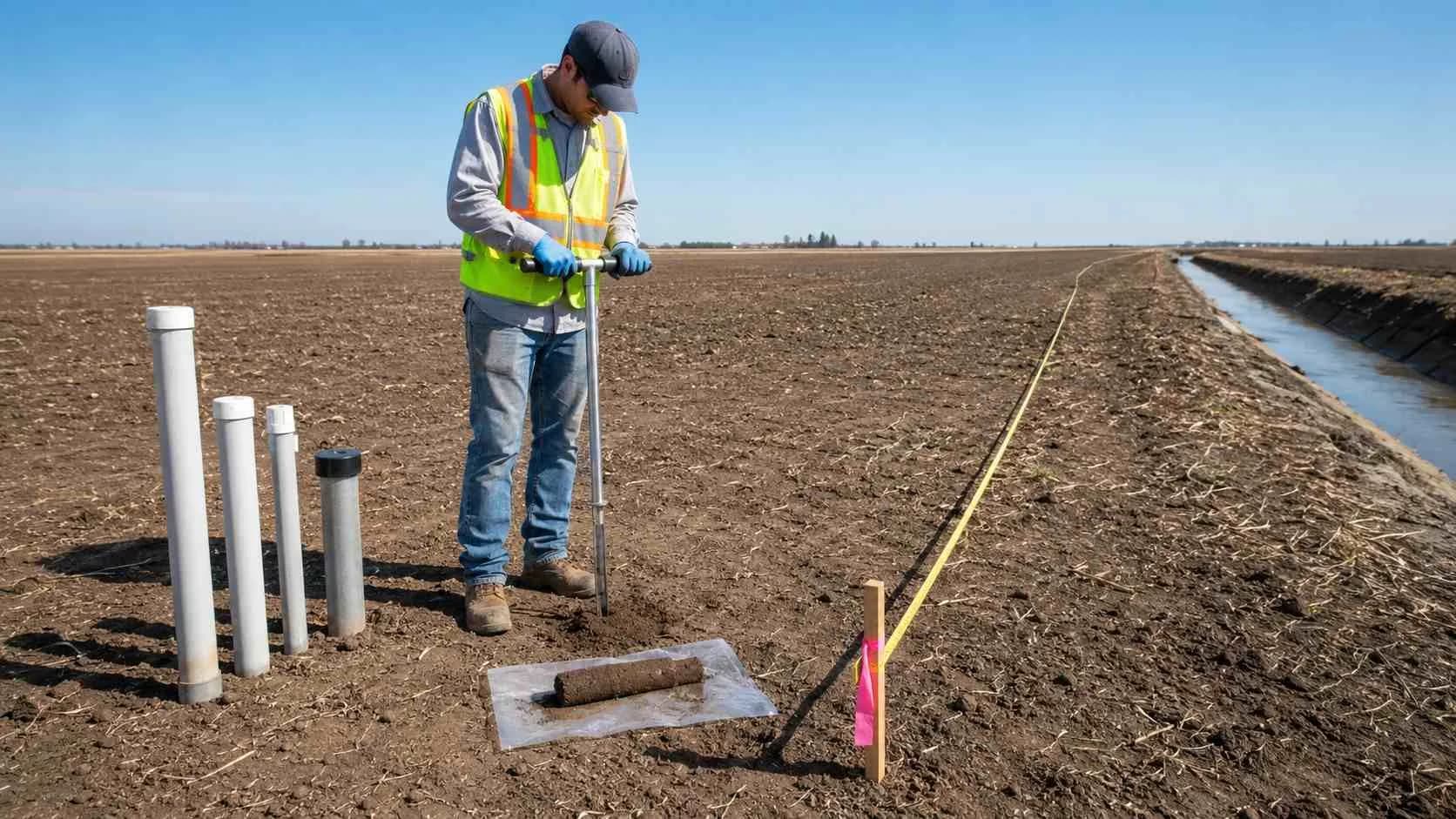
Soil suitability at the proposed land application site, its infiltration characteristics, and its ability to support the specific application rate and wastewater or recycled water characteristics proposed, along with groundwater protection considerations addressing how land application might affect underlying groundwater quality, are relevant considerations under either regulatory pathway, though the specific evaluation methodology and requirements can differ between WDRs and recycled water rules. A site with groundwater conditions of particular sensitivity or with soil characteristics poorly suited to the proposed application rate may face a more demanding evaluation and potentially different requirements than a similar project on a more favorable site, regardless of which regulatory pathway ultimately applies.
Nitrogen Loading
Nitrogen loading, the rate at which nitrogen is applied to the land through the land-applied wastewater or recycled water relative to what the receiving soil and vegetation can appropriately assimilate, is a technical evaluation relevant to protecting groundwater quality under either pathway, similar in concept to the agronomic loading considerations discussed for biosolids land application generally. Establishing an appropriate nitrogen loading rate specific to the project’s actual site conditions, crop or vegetation type, and wastewater or recycled water characteristics, rather than assuming a generic rate, is a necessary technical step regardless of which specific permitting pathway ultimately governs the project.
Salt Management
Salt content in land applied wastewater or recycled water can affect soil health and crop or landscape vegetation productivity over time, particularly for a project involving sustained, long term land application to the same site. Evaluating salt management specifically for a project’s actual wastewater or recycled water characteristics and its proposed receiving site’s soil and vegetation sensitivity is worth including in early feasibility evaluation, since salt related soil degradation over time can undermine a land application strategy’s long term viability even where it initially appears to meet applicable permitting requirements.
Crop Restrictions
Where land application supports agricultural use, crop restrictions, addressing which crops can appropriately be irrigated with the specific quality of wastewater or recycled water proposed, particularly for crops intended for human consumption, are a relevant consideration under recycled water rules specifically, tying back to the treatment quality to use matching that Title 22’s framework is built around. A project proposing agricultural reuse should evaluate its specific proposed crops against applicable treatment quality and crop restriction requirements early, since a mismatch between proposed crop and required treatment quality for that crop can be a significant driver of what treatment strategy is actually needed.
Storage Ponds
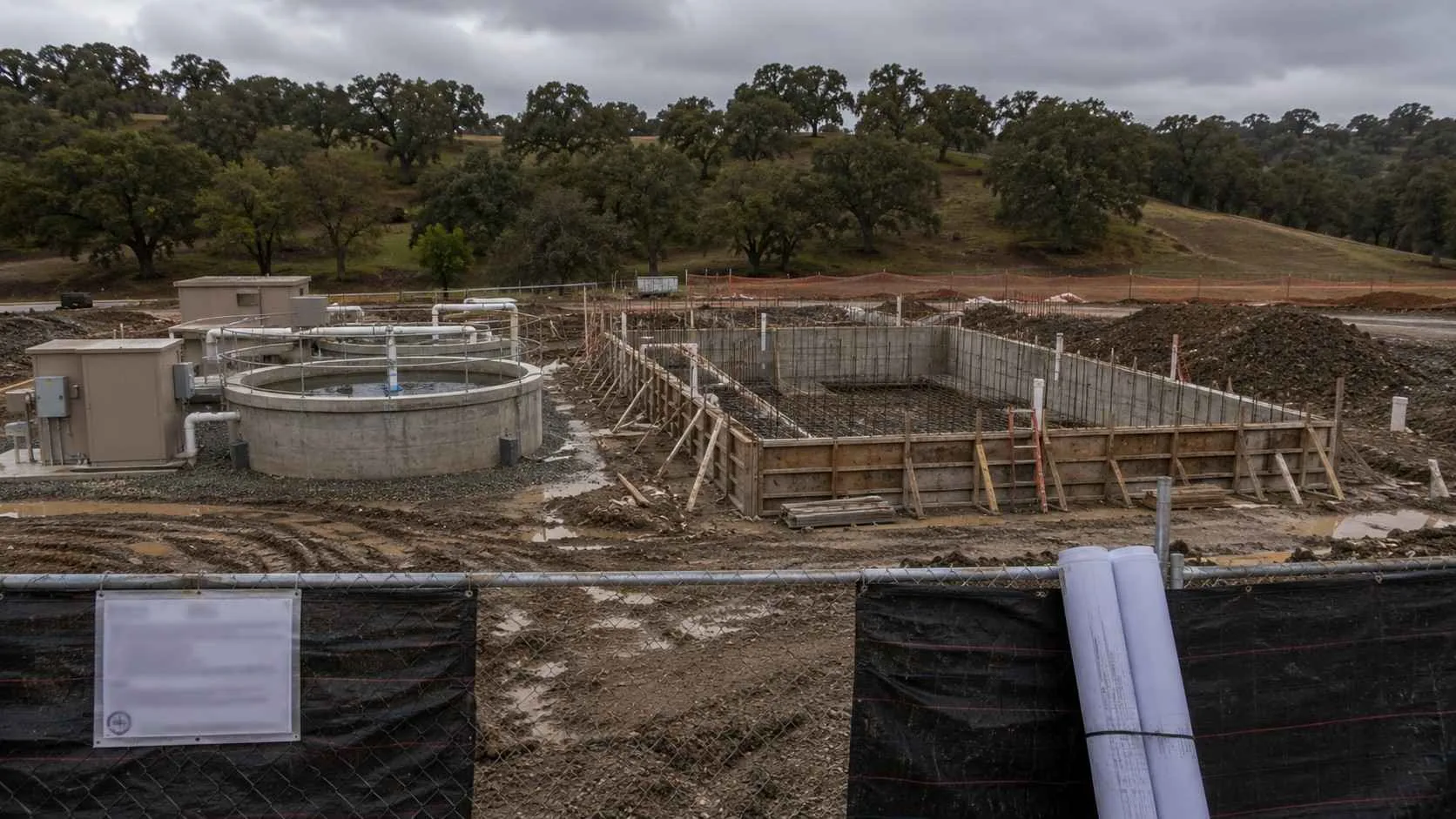
Storage capacity, whether through storage ponds or other storage infrastructure, addressing periods when land application isn’t feasible due to weather, seasonal demand mismatch, or other operational constraints, is relevant under either regulatory pathway, echoing the wet weather storage considerations discussed for reclaimed water systems generally. Sizing storage appropriately for a project’s actual land application schedule and any anticipated interruptions is a design consideration that shouldn’t be finalized until the applicable regulatory pathway and its specific storage related requirements are understood.
Setbacks and Runoff Control
Setback distances from sensitive features, water supply wells, occupied structures, surface water bodies, and runoff control measures preventing land applied wastewater or recycled water from leaving the intended application area uncontrolled, are safeguards relevant under both WDRs and recycled water rules, though specific setback distances and runoff control expectations can differ depending on which framework applies and the specific site and use characteristics involved. Evaluating these safeguards specifically for the project’s actual site and proposed application approach, rather than assuming a generic setback distance applies universally, is part of a thorough land application design process.
Public Access Controls
Where a land application site has any potential for public access, controlling that access appropriately, particularly for a site with recycled water use falling under Title 22’s specific public access and use area requirements, is an important safeguard that needs to be evaluated specifically for the site’s actual conditions and the applicable regulatory pathway’s specific public access requirements.
Title 22 Engineering Reports
Where a project’s land application pathway falls under recycled water rules rather than WDRs, a Title 22 Engineering Report, addressing treatment quality, distribution, cross-connection control, and the other elements discussed for Title 22 compliance generally, becomes a necessary part of the approval process. Understanding early whether a project’s land application approach will actually require this specific documentation, rather than assuming it applies universally to any land application scenario, helps a project team plan its permitting timeline and technical documentation needs realistically.
Regional Water Board Requirements
The applicable Regional Water Board, whichever of California’s regional boards has jurisdiction over the project’s location, plays a central role in either pathway, whether issuing WDRs directly or coordinating with the Division of Drinking Water on recycled water approvals, and each Regional Water Board can bring its own specific interpretations, priorities, and additional local requirements to a land application evaluation. Engaging directly with the applicable Regional Water Board early in project planning, rather than assuming a generic statewide approach will apply uniformly, is an important step for any California land application project.
Why the Development Risk Is Real
The practical risk this article opened with, that a project might assume land application is faster or easier than direct discharge without confirming which specific regulatory pathway actually applies, plays out in a few predictable ways. A project designed around WDR assumptions that actually needs to satisfy recycled water rules may need to revisit its treatment process to meet Title 22 quality requirements it wasn’t originally designed around. A project designed around recycled water assumptions that turns out to be more appropriately evaluated under WDRs may face different monitoring, storage, or site control expectations than what the design team originally planned for. Either mismatch, discovered late in the process rather than during early feasibility evaluation, tends to produce exactly the redesign, added monitoring, and delayed approval this article’s introduction described.
How to Approach This Decision Properly
The right way to approach this decision isn’t to guess based on a general sense of which pathway sounds more favorable, it’s to evaluate the project’s actual wastewater source, treatment quality, reuse purpose, site conditions, and applicable Regional Water Board expectations together, early, and specifically for the project at hand. This evaluation should inform treatment technology selection and site design decisions, rather than being conducted after those decisions have already been made independently, since the whole point of this early evaluation is avoiding the costly mismatch and rework this article has focused on throughout.
Frequently Asked Questions
Is land application always cheaper or faster to permit than a direct discharge in California?
Not necessarily, since the actual permitting pathway and its specific requirements depend on the project’s wastewater source, treatment quality, and reuse purpose, and a land application project can face its own significant technical and permitting requirements that make it comparable to, rather than automatically faster than, a direct discharge approach.
How do we know if our project needs a WDR or falls under recycled water rules?
A developer should evaluate the project’s wastewater source, treatment quality, and intended reuse purpose against both frameworks’ requirements, and confirm this evaluation directly with the applicable Regional Water Board, since this determination depends on project specific factors rather than a general assumption based on the fact that land application is involved.
Can we design our treatment system before knowing which permitting pathway applies?
This carries real risk, since WDRs and recycled water rules can require different treatment quality levels, and finalizing treatment design before confirming the applicable pathway can result in a treatment system that doesn’t actually meet the requirements of the pathway that ends up applying to the project.
Does agricultural land application always require a Title 22 Engineering Report?
Only where the project’s land application falls under recycled water rules rather than WDRs, and this should be confirmed specifically for the project’s actual circumstances rather than assumed, since agricultural land application can potentially fall under either framework depending on the project’s specifics.
What happens if our site’s soil or groundwater conditions aren’t well suited to land application?
This may require a different application rate, additional monitoring, alternative site selection, or reconsideration of land application as the appropriate disposal or reuse strategy altogether, and this evaluation should happen during early feasibility review rather than after a specific site and application rate have already been committed to.
Related Resources
- The Role of Title 22 Engineering Reports in California Recycled Water Compliance
- Understanding Order WQ 2016-0068-DDW: California’s General Recycling Authorization
- Land Application Permits in Texas: A Faster Path to Wastewater Approval for Developers
- Biosolids Land Application from Private Wastewater Treatment Facilities in Texas
Deciding Between WDRs and Recycled Water Rules for Your California Land Application Project?
MES helps California developers, landowners, and utility owners evaluate wastewater source and treatment quality, determine the applicable permitting pathway, coordinate with the appropriate Regional Water Board, and design treatment and land application systems matched to the requirements that actually apply.
We specialize in:
- Early evaluation of WDR versus recycled water rule applicability based on project-specific factors
- Nitrogen loading, salt management, and soil suitability evaluation for land application sites
- Storage pond sizing and runoff control design integrated with permitting strategy
- Title 22 Engineering Report preparation where recycled water rules apply
- Regional Water Board coordination tailored to project location and jurisdiction
- Treatment technology selection aligned with the permitting pathway that actually governs the project
Modern Engineering Solutions, San Jose, California. Contact: (214) 833-6748 or mod-eng.com
Keep reading
More to read.
Talk to an engineer
Tell us about your project.
An engineer reads it
Not a salesperson. Someone who can tell you whether the pathway is real.
You get a first answer
Your options, the agencies involved and the questions that decide cost and schedule.
You decide
No commitment to have the first call.
Prefer the phone? (214) 833-6748