
Blog
Emergency Bypass and Backup Power Requirements for Package Plants: What TCEQ Requires for Reliability During Outages
TCEQ requires package plant backup power that lasts as long as the longest outage in 60 months of utility records and keeps disinfection running.
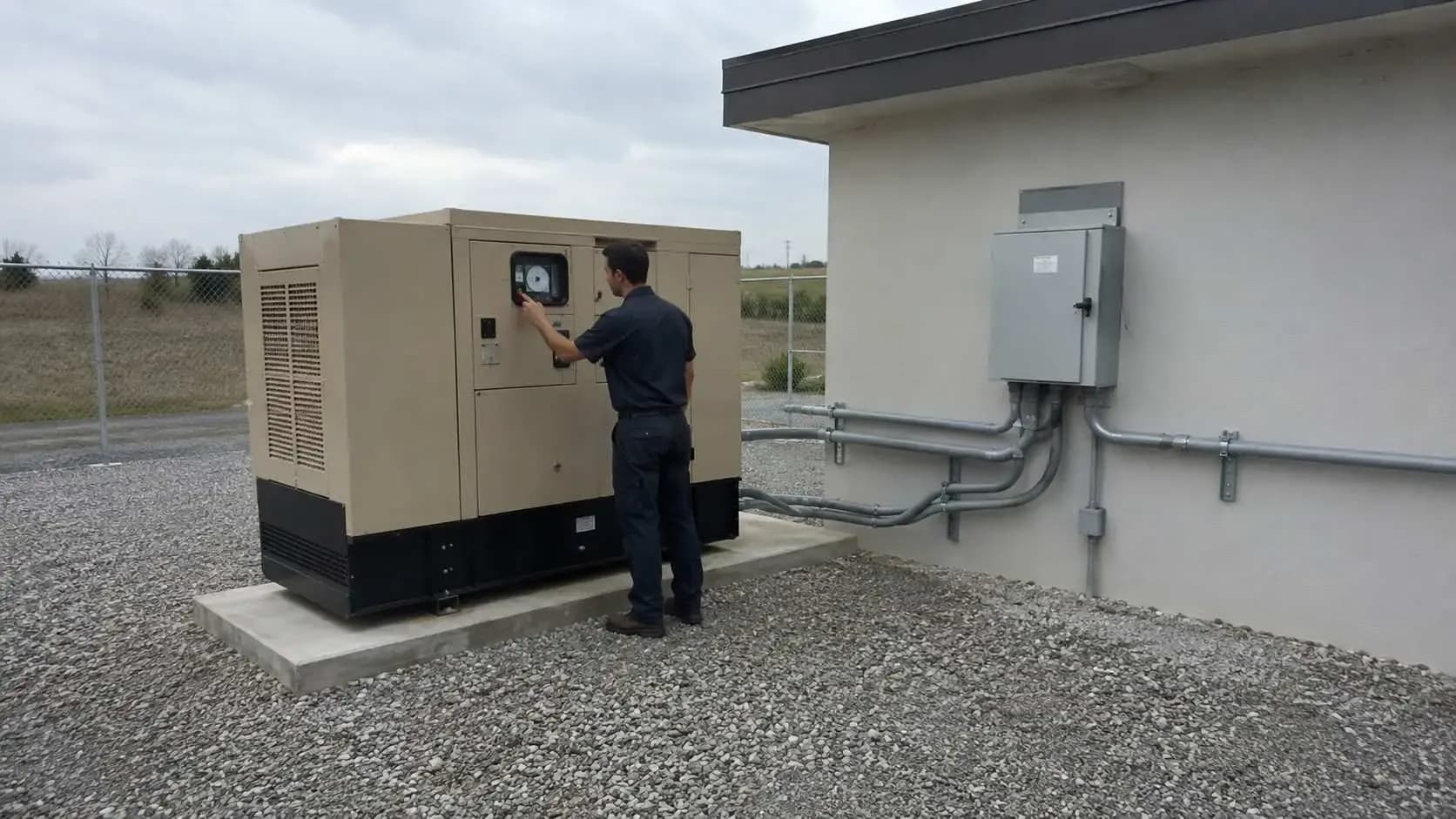
When the power goes out, a package plant must keep untreated and partially treated wastewater out of the outfall and keep disinfecting. TCEQ's rules size package plant backup power, storage or both to the longest outage in the utility's last 60 months of records, or 20 minutes, whichever is longer. An emergency bypass is not a backup plan: TCEQ prohibits one unless it was unavoidable and there was no feasible alternative.
What does TCEQ require when a package plant loses power?
No discharge of untreated or partially treated wastewater, and primary treatment and disinfection through every outage.
30 TAC §217.36, TCEQ's emergency power rule, covers every domestic wastewater plant designed under Chapter 217, package plants included. It requires:
- A design that prevents discharge of untreated or partially treated wastewater during outages.
- Primary treatment, disinfection and return activated sludge pumps running during all outages, even ones longer than the records predict.
- An engineering report that describes emergency operation and names every unit that must run continuously.
30 TAC §217.37, the disinfection power reliability rule, adds a backup power system that keeps disinfection running and restarts it automatically.
How long does the backup system have to run?
At least as long as the longest outage in the last 60 consecutive months of utility records, or 20 minutes, whichever is longer.
Under §217.36(e), the records come from the electric utility in writing, on its letterhead, signed by a knowledgeable employee, listing every outage with its date and duration. The records and your reliability determination go in the engineering report.
The design must also consider peak flow and inflow and infiltration. If the longest outage tops 48 hours and generators provide backup, the owner needs a contract guaranteeing fuel in an emergency and enough fuel storage at the plant for the duration. Ask for the outage letter during site feasibility, before the site plan fixes where the generator and fuel tank go.
Which backup options does TCEQ accept?
Any combination of alternate power, generators, storage and mechanical backup, within three limits.
Section 217.36(i) lists alternate power sources, on-site generators, interceptor systems, on-site retention, collection system storage, portable generators and mechanical backup. The limits:
- Collection system storage cannot be the only means of preventing a discharge.
- The main and alternate power cannot come from the same power plant, which shapes the choice between a generator and a dual feed design.
- A temporary system must be able to run before an unauthorized discharge occurs, with a deployment plan for any weather that could reasonably cause the outage.
Storage buys time, not treatment. A plant with a design flow of 100,000 gallons per day takes in about 4,200 gallons an hour on average, so a four-hour outage is about 17,000 gallons before peak flow and wet weather inflow.
When can a portable generator count as backup?
Only with a tested quick-connect, a properly sized automatic transfer switch where it will be used, and a licensed operator who knows the equipment on call 24 hours a day.
The engineering report must state where each portable unit is stored, how long it takes to arrive, which units it backs up and how it is maintained. If storage fills in 90 minutes and the trailer is two hours away in a storm, the plan fails.
What should the backup power carry?
Every unit the engineering report says must run during an outage, plus the controls and alarms.
Disinfection at full capacity, the return activated sludge pumps and primary treatment are required. Then decide on aeration: the rule still bars discharging partially treated wastewater, so the design either carries the blowers or holds the flow until power returns. Size the generator to start the largest motor while the others run.
30 TAC §217.155, TCEQ's aeration equipment rule, says a blower must restart automatically after an outage, or the plant needs telemetry or an auto-dialer with battery backup to call an operator. In a 100-year floodplain, 30 TAC §217.35 requires protecting electric units from a 100-year flood, for example by setting the generator and panels above that flood elevation.
What alarms does a package plant need?
An audiovisual alarm that sends every alarm condition by auto-dialer, SCADA or telemetry to a continuously monitored location.
Under §217.36(b) through (d), it must activate itself on power loss, pump failure or high water, with self-testing at the panel. SCADA that reports a lost connection replaces the audiovisual part. A dialer that dies with the plant cannot report the outage, so give the panel and dialer battery backup.
Is an emergency bypass ever allowed?
Rarely. For a TPDES-permitted plant, bypassing untreated or partially treated wastewater is prohibited unless it was unavoidable to prevent loss of life, personal injury or severe property damage, there was no feasible alternative, and notice was given.
30 TAC §305.535, TCEQ's bypass rule, says that test fails if adequate backup equipment should have been installed, in the exercise of reasonable engineering judgment, to prevent a bypass during normal downtime or preventive maintenance. A thin design is not a defense.
Outside a maintenance bypass that stays within effluent limits, a planned bypass needs prior notice, at least ten days ahead if possible. An unanticipated bypass that exceeds an effluent limit must be reported within 24 hours under 30 TAC §305.125(9), with a written report within five days. So bypass planning means designing so you never need one, and writing an outage procedure that tells the operator who to call and what to record.
How much equipment redundancy does TCEQ expect?
Enough that one failed blower or pump does not stop treatment.
TCEQ's domestic wastewater compliance investigation checklist, a 2019 form, asks about power failure safeguards, at least two functional lift pumps and at least two functional blowers. The aeration rule also requires full design air with the largest compressor out of service.
How do you keep the backup systems ready?
Test them under load on a schedule, and log the results.
The emergency power rules require a tested quick-connect, documented maintenance for portable units and alarm self-testing, but set no test interval for a permanent generator. Set one from the manufacturer's guidance. Plan for fuel turnover, service and operator time from day one, and turn the report's emergency operation description into the operator's outage procedure.
Is your outage plan ready for TCEQ review?
It is ready when you can answer yes to all six.
- Do you have a signed utility outage letter covering 60 months?
- Does the backup last at least as long as the longest outage, or 20 minutes, with peak flow and inflow considered?
- Does disinfection have backup power that restarts it automatically?
- Do primary treatment and return activated sludge pumps keep running?
- If the longest outage tops 48 hours, do you have a fuel contract and on-site fuel storage?
- Does the alarm report power loss, pump failure and high water to a monitored location?
Six yeses mean the emergency operation section of the engineering report has what it needs. Any no comes first.
Questions for your engineer: Which units must run continuously? How long does storage last at peak flow? Who answers the alarm at 2 a.m.?
A note on limits: this is general education from TCEQ's Chapter 217 design rules (last revised December 4, 2015, per TCEQ's wastewater design rules page), its Chapter 305 permit rules and its inspection checklist, as of October 2026. Your permit and TCEQ's review govern.
Frequently asked questions
Is a standby generator required for a package plant?
Not by name. But §217.37 requires a backup power system for disinfection, so any plant that disinfects needs one. Options include a permanent generator, an alternate feed from a different power plant, or a portable generator that meets the rule's conditions.
Can emergency storage replace backup power?
No. Storage can hold flow, but disinfection still needs backup power, and collection system storage can never be the only safeguard.
I'm developing a 250-lot subdivision in Texas with its own package plant, and the co-op's records show a three-day outage in the last five years. What changes?
If that is the longest outage, the backup must run at least three days, with peak flow and wet weather inflow considered. Because that is over 48 hours, a generator-based design also needs a fuel supply contract and enough fuel storage at the plant for the whole event.
I run a small Texas utility district with one package plant and two lift stations, and we want to share one trailer-mounted generator. What will TCEQ need to see?
At the plant, a tested quick-connect, a properly sized automatic transfer switch and an on-call licensed operator, plus storage location, travel time, units served and maintenance in the engineering report. The lift station rule, 30 TAC §217.63, accepts a tested quick-connect or a properly sized transfer switch, and the report must say how many stations each generator serves and the travel time to the furthest one. Ask what happens when all three sites lose power in one storm.
Related resources
- Package Plant Operator Staffing Requirements: What TCEQ Certification Level Does a Development Actually Need?
- Lift Stations and Collection Systems: What the Plant Needs Upstream to Function Properly
- How to Size a Package Wastewater Treatment Plant for a New Texas Development
- Self Reporting Violations and TCEQ Enforcement Discretion: How Voluntary Disclosure Changes the Outcome of a Permit Exceedance
Need an outage plan TCEQ will accept for your package plant?
We pull the utility's outage records, set the backup duration and the units that must keep running, and write the emergency operation section of the engineering report before you buy equipment.
Talk to Modern Engineering Solutions about your plant, or call (214) 833-6748.
Keep reading
More to read.
Talk to an engineer
Tell us about your project.
An engineer reads it
Not a salesperson. Someone who can tell you whether the pathway is real.
You get a first answer
Your options, the agencies involved and the questions that decide cost and schedule.
You decide
No commitment to have the first call.
Prefer the phone? (214) 833-6748