
Blog
San Jacinto River Authority Surface Water Conversion Contracts: What They Mean for a MUD’s Capital Plan
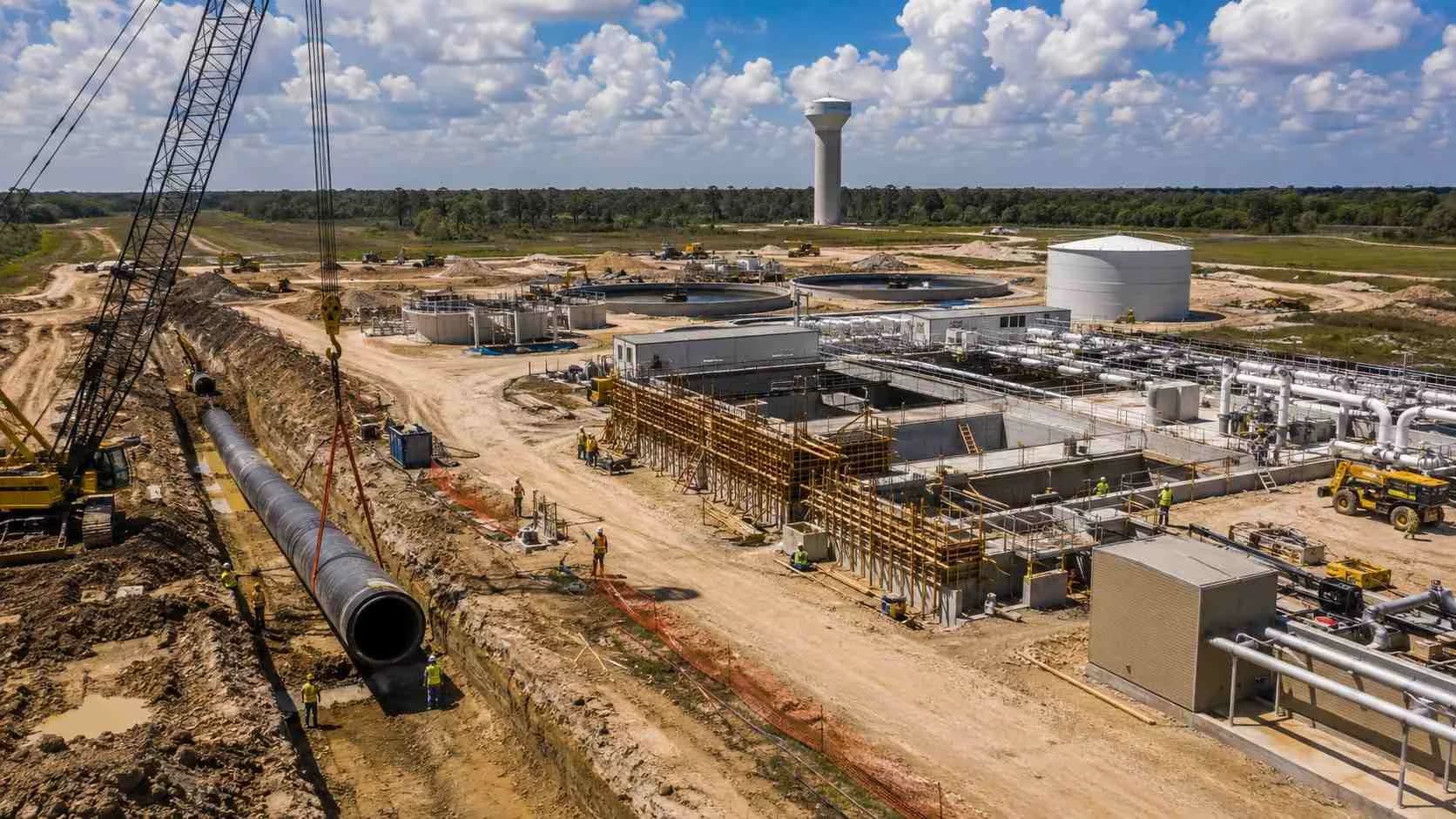
An SJRA surface water conversion contract is a capital planning mandate for a MUD, not just a supply deal. What it obligates you to build before you sign.
Quick Answer
A San Jacinto River Authority surface water conversion contract establishes a MUD‘s wholesale supply arrangement for surface water, typically as part of meeting Harris Galveston Subsidence District Groundwater Reduction Plan compliance requirements, and this arrangement generally requires the MUD to build or upgrade the infrastructure needed to receive, treat if necessary, store, and distribute that surface water throughout its service area, infrastructure that a groundwater based system may not have previously needed. This infrastructure obligation, which can include transmission lines connecting to SJRA’s system, treatment plant upgrades or new treatment capacity, storage capacity sized appropriately for the new supply source, and pressure zone adjustments to integrate surface water delivery into the existing distribution system, typically requires capital investment well beyond the wholesale contract’s own supply cost, and this investment needs to be planned, funded, and sequenced as part of the MUD’s overall capital improvement plan and bond program. MUD boards and developers should evaluate a surface water conversion contract’s full infrastructure and capital implications, not just its wholesale supply terms, before finalizing the contract or building it into long-term utility rate and financial planning.
Why a Wholesale Supply Contract Becomes a Capital Infrastructure Project
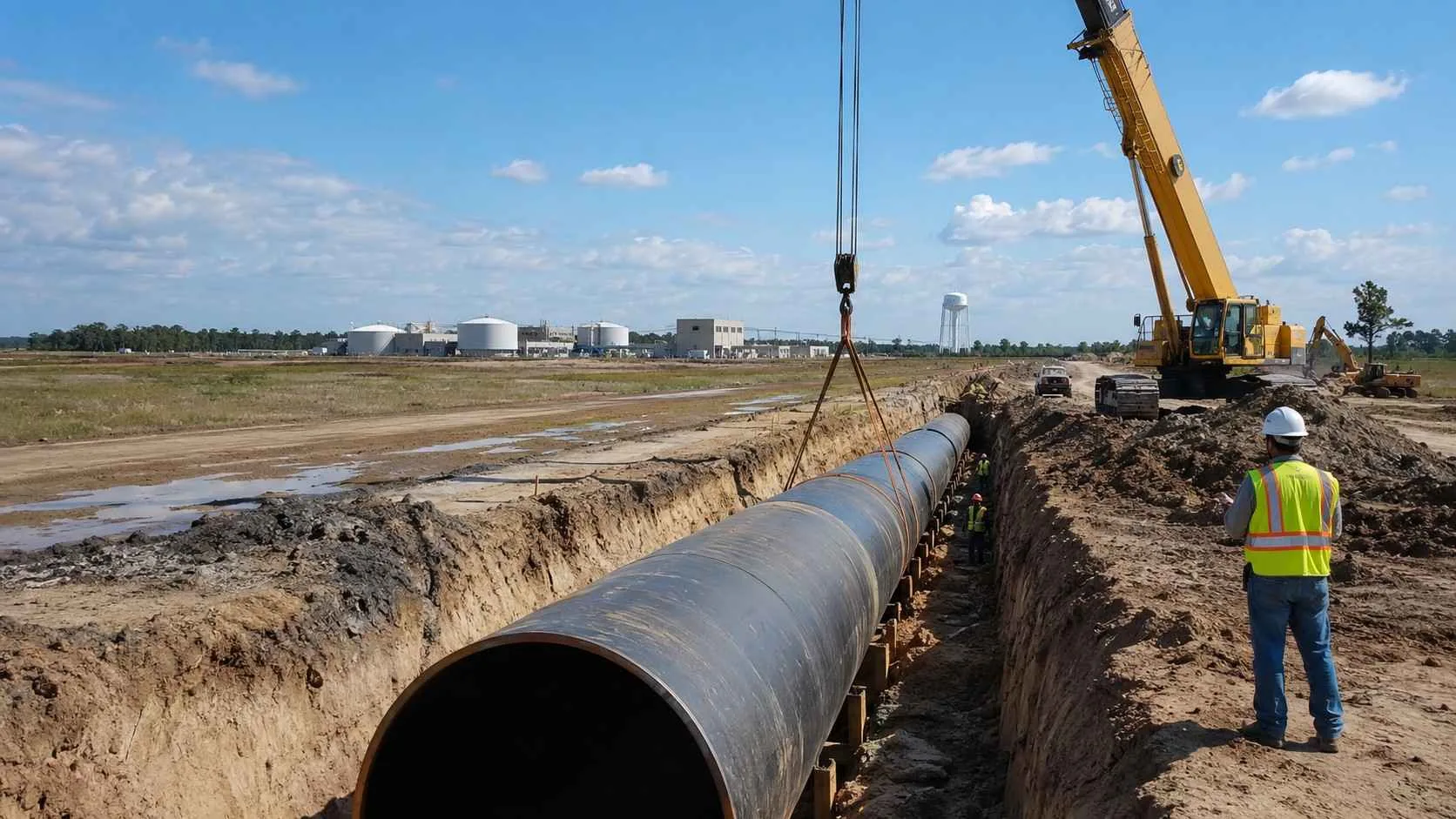
The wholesale supply terms of a San Jacinto River Authority surface water conversion contract, the volume, price, and delivery terms for the surface water itself, represent only one part of what a MUD actually needs to plan for once that contract is in place. Receiving surface water at a level of treatment and pressure appropriate for distribution to the MUD’s customers typically requires infrastructure the district’s previous groundwater based system either didn’t need or needed in a different configuration, including transmission infrastructure connecting the MUD’s system to SJRA’s delivery point, treatment capacity if the water requires additional treatment before distribution, and storage and pumping infrastructure sized for the new supply source’s specific delivery characteristics.
This means the actual capital cost of surface water conversion for a specific MUD extends considerably beyond the wholesale contract’s line item supply cost, and MUD boards evaluating a conversion contract should request or independently develop an infrastructure needs assessment specific to their system’s existing configuration and the SJRA delivery point’s specific location and characteristics, rather than evaluating the contract primarily on its wholesale water rate.
Treatment and Transmission Infrastructure Requirements
The specific treatment and transmission infrastructure a MUD needs to build following a surface water conversion contract depends on the water’s quality as delivered from SJRA, the distance and elevation change between the delivery point and the MUD’s own distribution system, and whether the MUD’s existing treatment facilities, if any, can be adapted to handle surface water or whether new treatment capacity needs to be constructed. Surface water treatment considerations differ in some respects from groundwater treatment, and a MUD’s engineering evaluation should confirm what specific treatment process, if any, is needed to meet drinking water standards for the surface water supply as actually delivered, rather than assuming existing groundwater treatment infrastructure transfers directly to the new supply source.
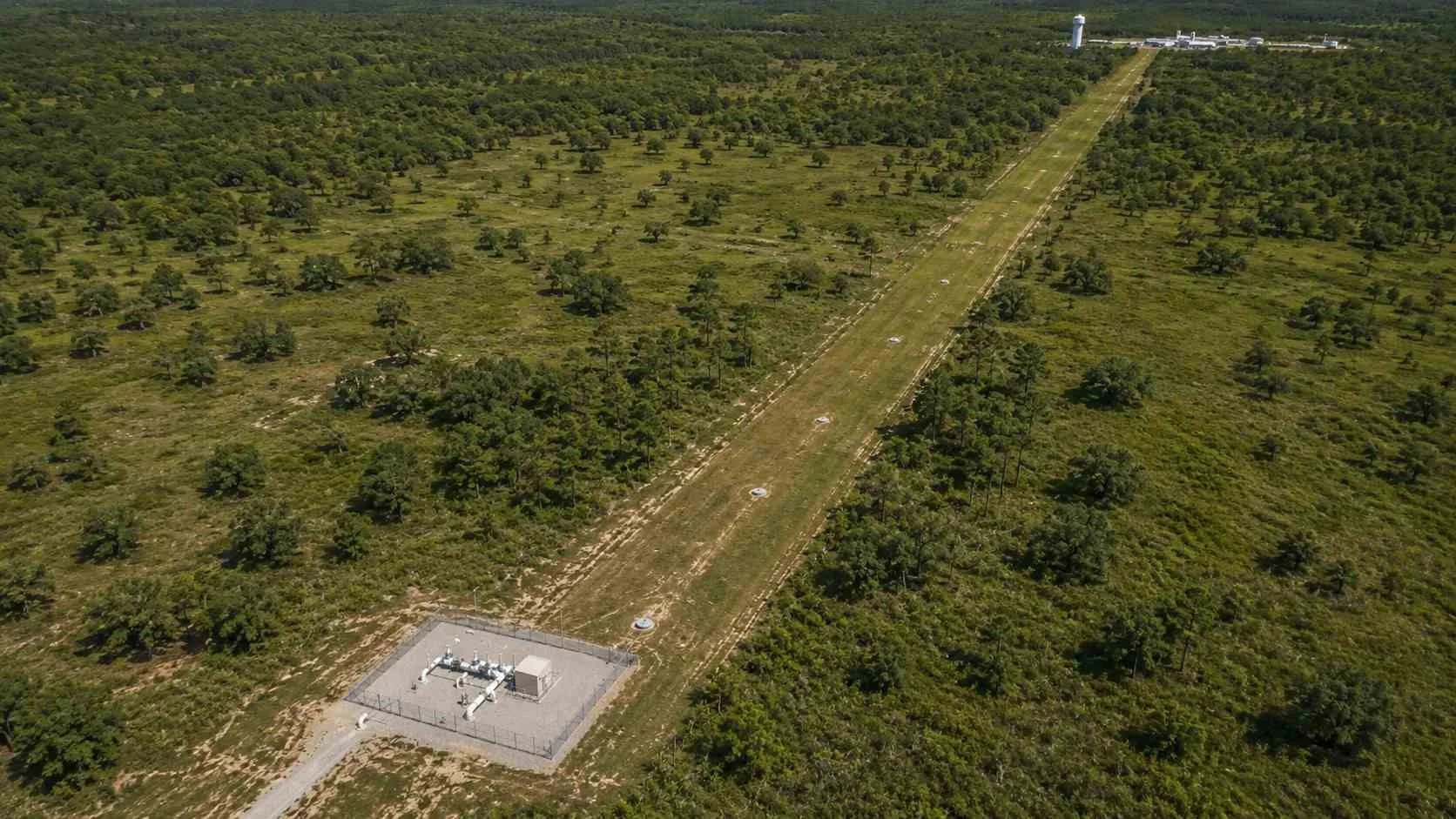
Transmission infrastructure connecting the MUD’s system to the SJRA delivery point represents its own capital project, with cost driven primarily by the pipeline distance, required pipe sizing for the contracted volume, and any elevation change along the route that affects pumping requirements, and this transmission infrastructure often represents one of the larger capital line items in a conversion project’s overall cost.
Storage Needs and Pressure Zone Integration
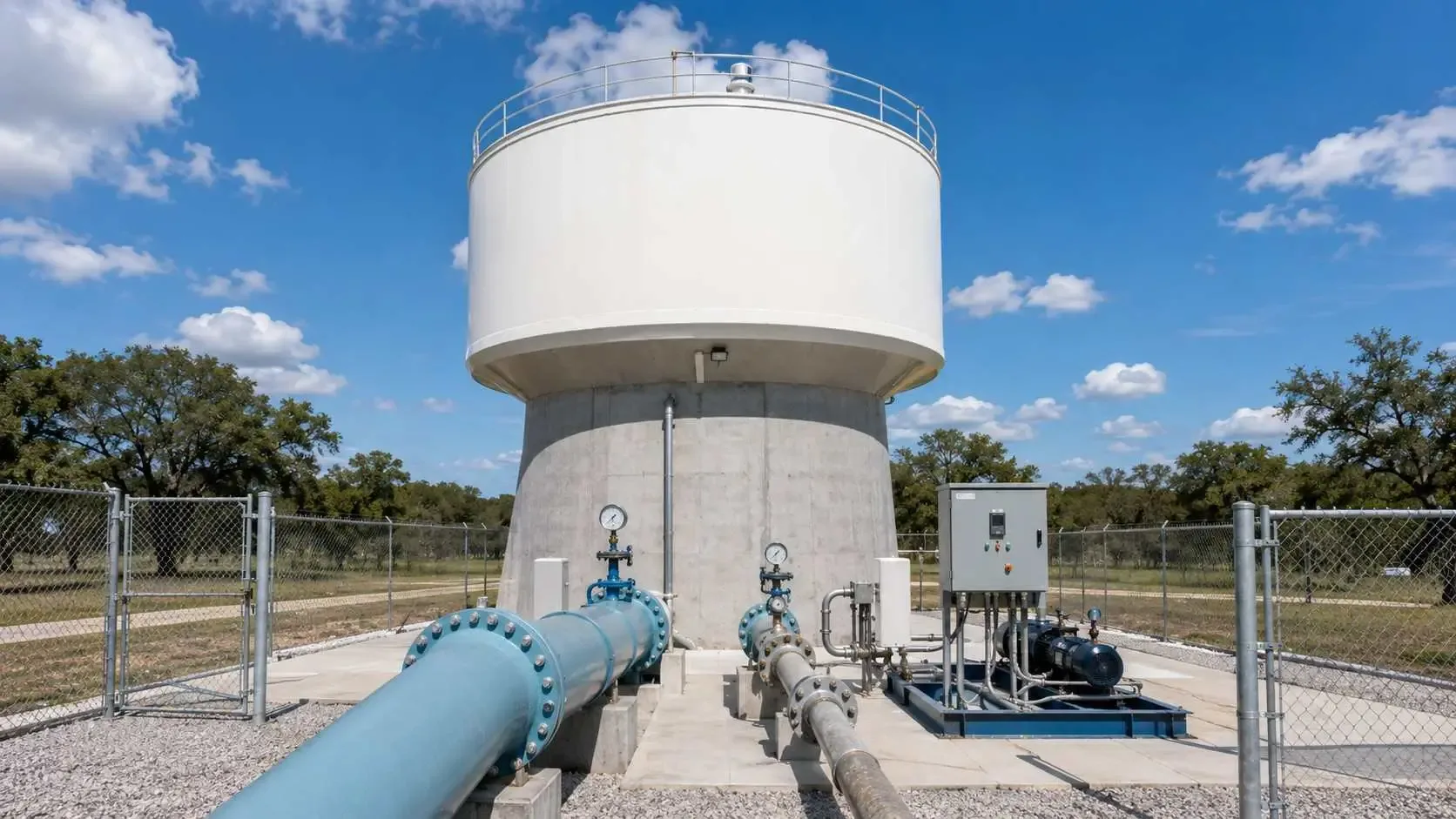
Storage capacity requirements can shift with a conversion to surface water supply, since the delivery characteristics and reliability profile of a wholesale surface water contract differ from a groundwater system’s typically more continuously available well based supply, and a MUD’s storage capacity needs to be evaluated and potentially resized to maintain adequate service reliability and fire flow capability under the new supply arrangement. This storage evaluation should follow the same water storage and pressure zone design principles relevant to water system planning generally, adapted specifically to the surface water supply’s delivery characteristics and the MUD’s existing distribution system configuration.
Integrating a new surface water supply into an existing pressure zone structure, particularly where the SJRA delivery point’s elevation and pressure differ from what the MUD’s distribution system was originally designed around, can require pressure zone adjustments or additional pumping infrastructure to maintain adequate pressure and fire flow throughout the service area, a technical integration question that should be evaluated specifically for each MUD’s existing system rather than assumed to be a straightforward connection.
Developer Reimbursement and Cost Allocation Questions
Where a surface water conversion project serves a MUD’s existing developed area alongside anticipated future development within the district’s boundaries, questions around developer cost participation and reimbursement for the conversion infrastructure become relevant, following similar principles to the reimbursement uncertainty relevant to off site utility extension cost participation generally, adapted here to the district wide infrastructure investment a surface water conversion project typically represents. MUD boards should evaluate early how conversion infrastructure costs will be allocated between existing ratepayers, future development connecting to the system, and any developer funded contribution arrangement, since this allocation directly affects both the district’s near-term financing needs and its long term rate structure.
Rate Impacts and Debt Planning Considerations
The capital cost of surface water conversion infrastructure typically needs to be funded through some combination of MUD bond issuance and rate revenue, and a MUD board evaluating a conversion contract should work through the practical debt planning implications early, including how much conversion infrastructure cost the district can reasonably finance through bonds given its existing debt capacity and tax base, and what rate impact ratepayers should expect as debt service on conversion related bonds is incorporated into the district’s overall rate structure. This financial planning conversation is meaningfully different from, and considerably more involved than, simply comparing a wholesale surface water rate against a groundwater pumping cost, since the infrastructure investment behind the conversion represents a separate and often larger financial commitment than the wholesale water cost itself.
Coordinating Capital Improvement Priorities Around Conversion Timing
For a MUD facing a Groundwater Reduction Plan compliance timeline that requires surface water conversion by a specific date, the conversion infrastructure project needs to be sequenced within the district’s overall capital improvement plan alongside any other planned infrastructure investment, whether growth related distribution expansion, wastewater capacity improvements, or other system needs, since competing capital priorities and limited near term bond capacity can create scheduling tension between conversion compliance and other infrastructure the district also needs. Evaluating and prioritizing these competing capital needs together, with clear visibility into the conversion project’s own required timeline relative to the district’s compliance deadline, allows a MUD board to make deliberate sequencing decisions rather than defaulting to whichever project happens to reach design completion first.
What Developers in These Service Areas Should Evaluate
A developer bringing new growth into a MUD’s service area where surface water conversion is either already underway or anticipated under the district’s Groundwater Reduction Plan compliance schedule should evaluate how that conversion project’s timeline, cost allocation approach, and capacity implications affect the developer’s own project, including whether the MUD’s conversion infrastructure will have adequate capacity to serve the developer’s anticipated build out, what cost participation, if any, the developer may be expected to contribute, and how the conversion project’s construction timeline interacts with the developer’s own site development schedule. This evaluation should happen during the developer’s initial due diligence for land within the MUD’s service area, since a conversion project already underway or anticipated can represent either an opportunity, if the district is expanding capacity that will serve the developer’s growth well, or a constraint, if conversion-related capital demands are competing with the growth-related infrastructure the developer’s project specifically needs.
Frequently Asked Questions
How does a MUD board determine what specific infrastructure upgrades a surface water conversion contract will actually require for our system?
This requires a system specific engineering evaluation examining your MUD’s existing infrastructure configuration against the SJRA delivery point’s specific location, elevation, and water quality characteristics, since generic assumptions about surface water conversion infrastructure needs don’t account for the specific technical differences between one MUD’s existing system and another’s, even within the same general SJRA service area.
Can conversion infrastructure costs be spread across multiple MUDs sharing the same SJRA delivery point or transmission corridor?
In some cases, regional coordination among multiple MUDs sharing infrastructure needs can allow for shared transmission or treatment infrastructure investment, reducing each individual district’s capital burden relative to building entirely separate infrastructure, and this regional coordination possibility is worth evaluating early in the planning process where geographically adjacent MUDs face similar conversion timelines and infrastructure needs.
How far in advance of our Groundwater Reduction Plan compliance deadline should we begin planning our surface water conversion infrastructure project?
Given the combination of engineering design, easement or right of way acquisition for transmission infrastructure, construction duration, and the bond issuance and rate planning process this typically requires, this planning should begin well in advance of the compliance deadline itself, and a MUD board should work backward from the compliance date to establish a realistic project timeline rather than assuming infrastructure can be designed, funded, and constructed on a compressed schedule as the deadline approaches.
Related Resources
- Groundwater Reduction Plans: What the Harris Galveston Subsidence District Requires Before You Drill a Well
- The Integrated Pipeline Project: What Tarrant Regional Water District’s Raw Water Supply Plan Means for Fast Growing Western Suburbs
- Water Storage and Pressure Zone Design for McKinney’s Rolling Terrain: Engineering for Collin County Topography
- Austin Water Service Extension Requests: Who Pays for Off Site Water, Wastewater, and Reclaimed Water Improvements?
Planning Surface Water Conversion Infrastructure for a Houston Area MUD?
MES works with MUD boards, developers, and utility managers to evaluate surface water conversion infrastructure needs, plan treatment and transmission upgrades, coordinate storage and pressure zone integration, and connect Groundwater Reduction Plan compliance requirements to practical capital improvement and financing decisions.
We specialize in:
- System specific infrastructure needs assessment for SJRA surface water conversion contracts
- Treatment plant upgrade and transmission infrastructure design for MUD surface water integration
- Storage capacity and pressure zone evaluation for surface water supply reliability and fire flow
- Developer cost allocation and reimbursement analysis for district wide conversion infrastructure
- Capital improvement plan sequencing aligned with Groundwater Reduction Plan compliance deadlines
- Regional infrastructure coordination for MUDs sharing SJRA delivery points or transmission corridors
Modern Engineering Solutions, McKinney, Texas. Contact: (214) 833-6748 or mod-eng.com
Keep reading
More to read.
Talk to an engineer
Tell us about your project.
An engineer reads it
Not a salesperson. Someone who can tell you whether the pathway is real.
You get a first answer
Your options, the agencies involved and the questions that decide cost and schedule.
You decide
No commitment to have the first call.
Prefer the phone? (214) 833-6748