
Blog
Antidegradation Review Explained: Why Some Texas Streams Trigger a Harder TCEQ Review Than the Standard Effluent Limit Process
Meeting standard effluent limits does not guarantee TCEQ approval. See when antidegradation review applies and how it can change your permitting timeline.
Quick Answer
Not every Texas stream, creek, or river is treated the same way when a new or expanded wastewater discharge permit is reviewed. A discharge location with a receiving water that’s already high quality, supports a sensitive existing use, or sits in a watershed with limited assimilative capacity can trigger a considerably more demanding review than a standard effluent limit analysis alone would suggest, a review generally referred to as antidegradation review. This additional layer of review exists to protect existing water quality and existing uses from being degraded by a new discharge, even when that discharge would otherwise meet standard numeric effluent limits. For developers and municipalities planning a new discharge, understanding whether a specific receiving water is likely to trigger antidegradation review, and what that means for treatment design, alternatives analysis, and timeline, is a critical early planning step, not something to discover partway through permit review.
Why Not All Receiving Waters Are Treated Equally
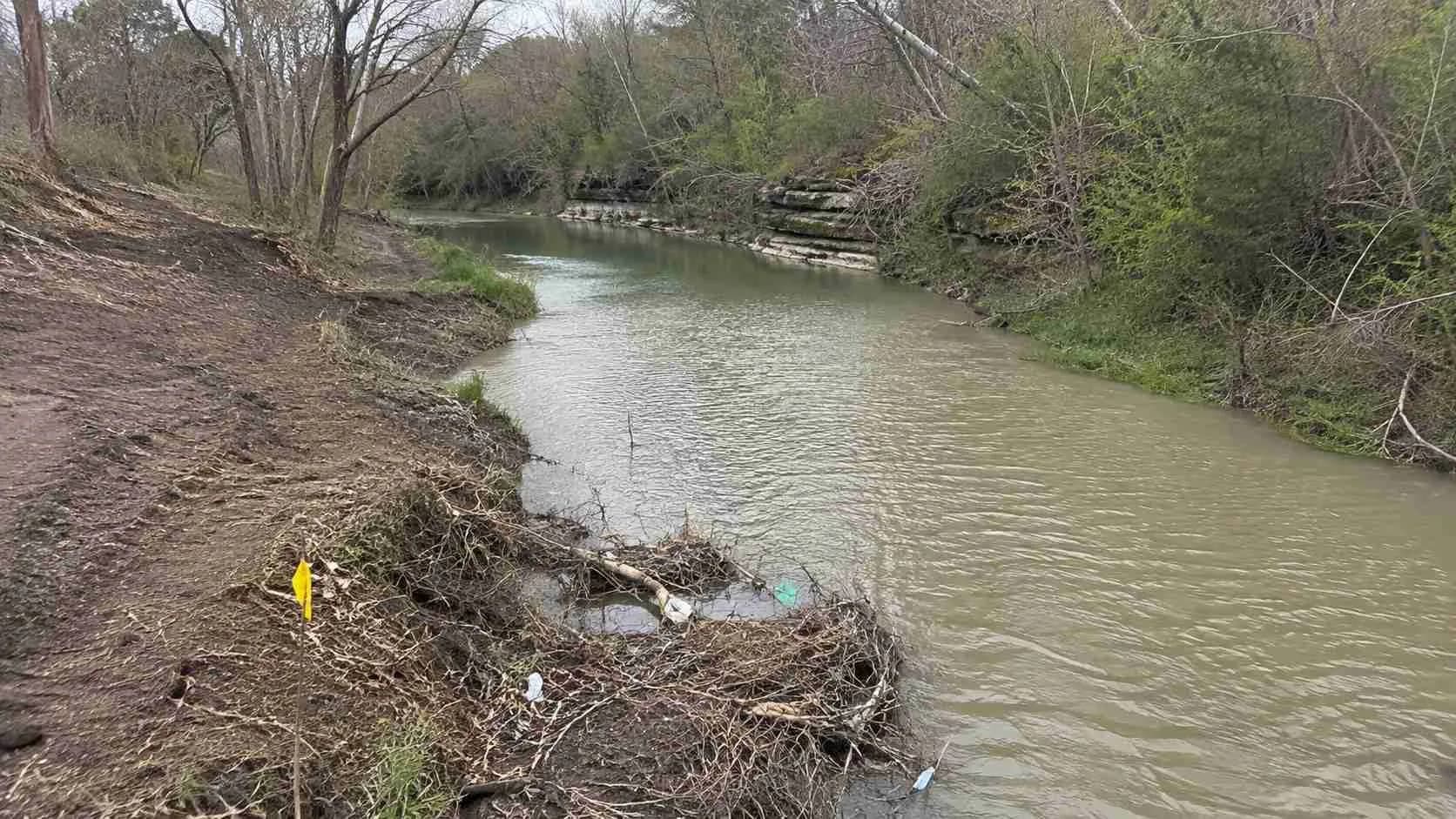
A standard effluent limit analysis asks whether a proposed discharge, at its proposed concentration and volume, will keep the receiving water within applicable numeric water quality standards for parameters like dissolved oxygen, ammonia, and various other pollutants. Antidegradation review asks a related but different question: even if the proposed discharge meets those numeric standards, will it measurably degrade the receiving water’s existing quality below what currently exists there. These are not the same question, and a discharge that comfortably passes the first can still face additional scrutiny under the second, particularly where the receiving water’s current quality is notably better than the minimum standard requires, or where the water supports a use, recreational, ecological, or otherwise, that depends on maintaining that higher existing quality rather than simply meeting a baseline standard.
What Antidegradation Means at a Practical Level
At a practical level, antidegradation review exists to prevent a pattern where a series of individually permit compliant discharges gradually erode a receiving water’s quality over time, even though each individual discharge, viewed alone against only the applicable numeric standard, appeared acceptable. A watershed can absorb a certain amount of discharge before existing uses and existing water quality begin to suffer, and antidegradation review is the mechanism examining whether a specific proposed discharge would represent a meaningful step in that direction for a specific receiving water, given that water’s specific current condition, rather than evaluating the discharge purely against a generic numeric threshold that doesn’t account for where that particular water currently stands relative to its own baseline.
Receiving Water Classification and Existing Uses
Receiving waters are classified and evaluated in relation to the uses they currently support and are expected to support, drinking water supply, aquatic life habitat, recreational use, and other designated uses depending on the specific water body. A receiving water supporting a particularly sensitive or valuable existing use is more likely to draw closer antidegradation scrutiny for a proposed new discharge than a receiving water with a more limited or already impacted use profile, since the practical stakes of degrading water quality differ considerably between these two situations. Understanding a specific receiving water’s classification and existing use profile early in project planning helps a project team anticipate whether antidegradation review is likely to become a significant factor in that specific permit application, rather than discovering the receiving water’s sensitivity only after submitting an application built around a standard effluent limit approach alone.
Downstream Uses and Impairment Status
Beyond the immediate receiving water at the discharge point, downstream uses further along the same watercourse can factor into how a proposed discharge is evaluated, since a discharge affecting water quality at its point of entry can have consequences for downstream uses depending on assimilative capacity and distance. A receiving water’s impairment status, whether it’s already listed as not meeting a water quality standard for a specific parameter, also affects how a new discharge contributing that same parameter is likely to be evaluated, since adding load to an already-impaired parameter generally faces a different, and usually more difficult, review path than adding load to a parameter where the receiving water is currently in good standing. Confirming impairment status for the specific parameters relevant to a proposed discharge, using publicly available water quality assessment information for the specific receiving water, is a foundational early step in evaluating antidegradation risk for a project.
Alternatives Analysis and Discharge Location Evaluation
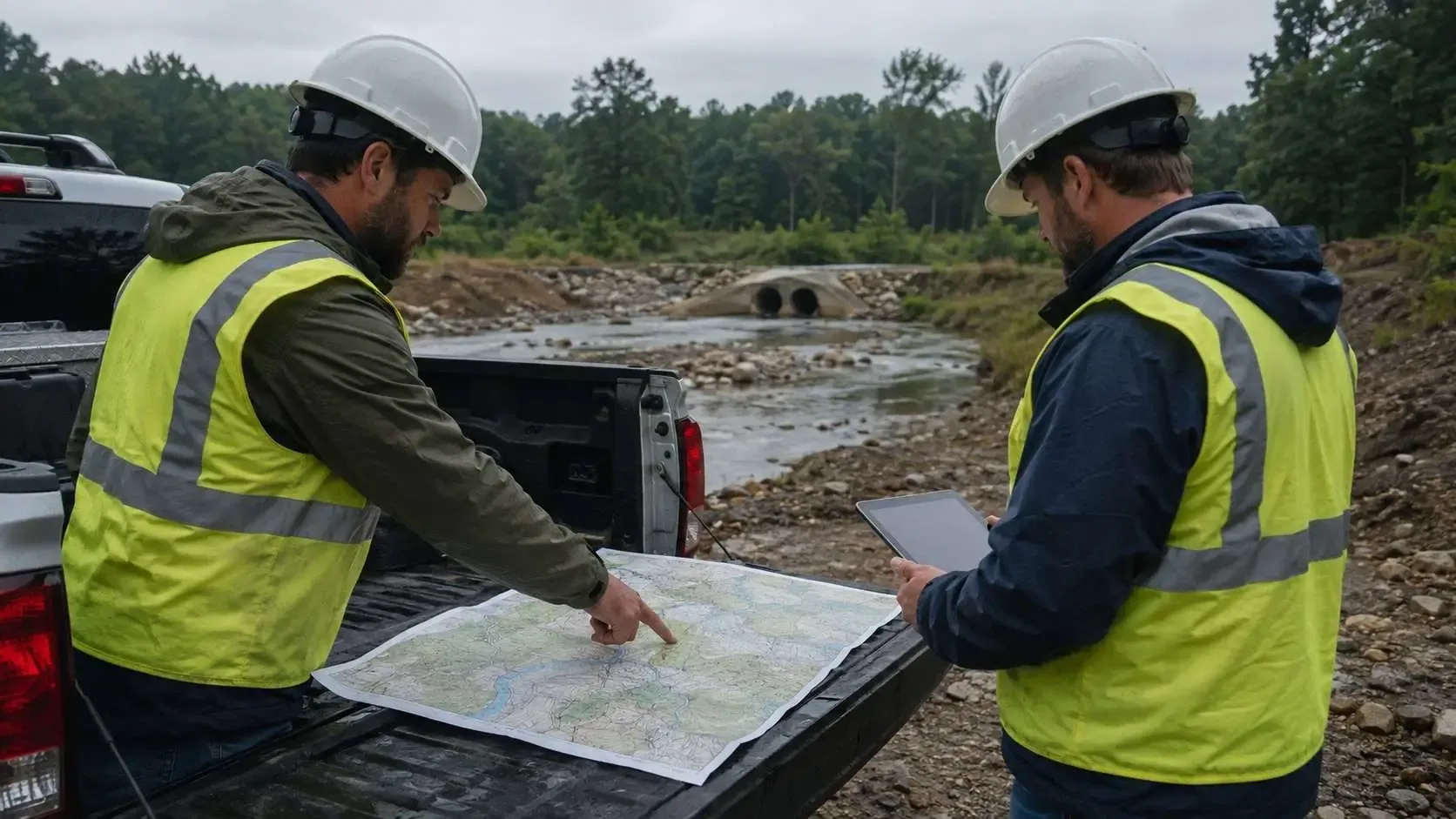
Where antidegradation review becomes a significant factor, project teams are typically expected to demonstrate that the proposed discharge represents a reasonable and justified approach, which often involves an alternatives analysis evaluating whether other discharge locations, treatment approaches, or non discharge disposal strategies could achieve the project’s underlying need with less impact to existing water quality. This is where discharge location evaluation becomes a strategic decision rather than simply a matter of proximity or convenience, since choosing a discharge location with a less sensitive receiving water profile, or evaluating a non discharge alternative such as land application, discussed for permitting approaches generally, can meaningfully change a project’s antidegradation review path and overall permitting timeline.
How This Changes Permitting Strategy Compared to a Standard Case
A project team assuming every wastewater discharge permit application follows the same standard effluent limit review timeline and requirements can be caught off guard by a receiving water that triggers antidegradation review, since this additional layer of analysis generally requires more extensive supporting documentation, more detailed water quality data specific to the receiving water, and often a formal alternatives analysis, all beyond what a standard effluent limit application alone would need. Recognizing early, ideally before formal permit application, that a specific project’s proposed discharge location is likely to trigger antidegradation review allows a project team to build the additional analysis and documentation into the project timeline and budget from the start, rather than encountering a request for this additional information partway through an active review and facing an unplanned delay.
Effects on Timeline, Cost, Treatment Design, and Permit Conditions
Antidegradation review, where it applies, generally extends permit review timeline compared to a standard effluent limit only review, since the additional analysis and any resulting agency questions or requests for supplemental information take time beyond what a standard application would require. Treatment design can also be affected, since a receiving water requiring antidegradation protection may ultimately require a more advanced treatment approach, achieving effluent quality better than the minimum numeric standard alone would demand, in order to adequately address the existing water quality concern the review identified. Permit conditions themselves may end up more stringent as a result, potentially including tighter numeric limits, additional monitoring requirements, or specific conditions tied directly to protecting the receiving water’s existing quality rather than solely reflecting the generic standard that would otherwise apply.
Public Notice Risk
Because antidegradation review often applies to discharges affecting higher quality or more sensitive receiving waters, projects facing this review can also face a higher likelihood of public interest and comment during the permit’s public notice period, since community and stakeholder interest in a specific receiving water’s protection frequently correlates with exactly the kind of water quality sensitivity that triggers antidegradation review in the first place. A project team should anticipate this possibility and prepare accordingly, including having a clear, well-documented basis for the proposed discharge’s design and the alternatives analysis supporting it, in case public comments raise specific questions about the project’s approach to protecting the receiving water.
Why This Matters for Developers and Municipalities Early in Planning
For a developer or municipality evaluating a new discharge as part of an overall infrastructure or development plan, understanding whether the intended receiving water is likely to trigger antidegradation review should happen during initial feasibility and site planning, not after a treatment design and discharge location have already been finalized around a standard effluent limit assumption. A discharge location changing the entire permitting strategy, potentially favoring a different treatment approach, a different discharge location, or a non discharge alternative entirely, is a much easier adjustment to make during early planning than after significant design and engineering investment has already gone into a specific approach that later turns out to face a considerably more difficult antidegradation review path than anticipated.
Frequently Asked Questions
How do we find out early whether our intended receiving water is likely to trigger antidegradation review?
This requires evaluating the specific receiving water’s classification, existing uses, and impairment status using available water quality assessment information, ideally as part of initial site and feasibility planning, so an engineer familiar with the specific watershed and current TCEQ review practices can flag antidegradation risk before a treatment approach and discharge location are finalized.
Does antidegradation review only apply to new discharges, or can it apply to an expanded existing discharge as well?
An expanded or modified existing discharge, one increasing volume or pollutant load beyond what was previously permitted, can also trigger antidegradation review, since the relevant question is whether the change would degrade existing water quality, which applies to changes at an existing discharge as much as to a brand-new one.
If our receiving water is already impaired for a certain parameter, does that make antidegradation review easier or harder?
Generally harder, particularly for a proposed discharge contributing to the same parameter the receiving water is already impaired for, since adding load to an already impaired parameter raises additional concerns beyond the general antidegradation question and typically requires more extensive supporting analysis.
Is a non discharge alternative, like land application, always a way to avoid antidegradation review entirely?
A non discharge alternative avoids the specific antidegradation review tied to a surface water discharge, but it introduces its own permitting and site suitability requirements, so it should be evaluated on its own merits and constraints rather than assumed to be automatically simpler just because it avoids one specific review pathway, as discussed in land application permitting generally.
Related Resources
- Land Application Permits in Texas: A Faster Path to Wastewater Approval for Developers
- TPDES General Permit vs. Individual Permit for Construction Discharges: When the Standard Permit Is Not Enough
- Volume Thresholds That Trigger a Different Permit Tier: Why a Small Pipeline Test Can Become a Bigger Compliance Issue
- The Cost of Non-Compliance: What TCEQ Enforcement Patterns Reveal About Unpermitted Test Water Discharges
Evaluating Receiving Water Constraints Before Committing to a Discharge Strategy?
MES helps clients evaluate receiving water constraints, identify antidegradation risk early, compare discharge and non discharge alternatives, and prepare stronger TCEQ permit strategies before submittal.
We specialize in:
- Receiving water classification, existing use, and impairment status evaluation during early site feasibility
- Antidegradation risk screening before treatment design and discharge location are finalized
- Alternatives analysis comparing discharge locations, treatment approaches, and non discharge disposal strategies
- Treatment design planning that anticipates more stringent permit conditions where antidegradation review applies
- Permit strategy development that builds antidegradation related timeline and documentation needs into the project schedule
- Support preparing for public notice and comment periods on projects facing sensitive receiving water review
Modern Engineering Solutions, McKinney, Texas. Contact: (214) 833-6748 or mod-eng.com
Keep reading
More to read.
Talk to an engineer
Tell us about your project.
An engineer reads it
Not a salesperson. Someone who can tell you whether the pathway is real.
You get a first answer
Your options, the agencies involved and the questions that decide cost and schedule.
You decide
No commitment to have the first call.
Prefer the phone? (214) 833-6748