
Blog
Nutrient Trading and Offset Credits: An Emerging Texas Compliance Tool for Nitrogen and Phosphorus Limits
Stricter nitrogen and phosphorus limits do not always mean a bigger treatment plant. See how nutrient trading and offset credits can change the strategy.
Quick Answer
As nitrogen and phosphorus limits become more common and more stringent in Texas wastewater discharge permits, particularly for discharges to sensitive or impaired receiving waters, meeting those limits isn’t always a simple matter of building more advanced treatment capacity at the plant. In some watersheds and under some circumstances, nutrient trading, offset credits, watershed based strategies, reuse, land application, or regional coordination may be evaluated as part of a broader compliance approach alongside or instead of treatment upgrades alone. These are emerging and site-specific tools, not universally available options, and whether any of them actually apply to a specific project, permit, or watershed needs to be confirmed directly with TCEQ and evaluated by a qualified engineer early in project planning, not assumed as a fallback near the end of design.
Why Nutrient Limits Are Becoming More Significant
Nitrogen and phosphorus, while naturally occurring and necessary in small amounts, can drive excessive algae growth and other water quality problems in receiving waters when discharged in excess, particularly in watersheds already showing signs of nutrient related impairment or in receiving waters with limited capacity to assimilate additional nutrient load. As understanding of these effects has developed, nitrogen and phosphorus limits have become a more prominent and, in some watersheds, more stringent feature of wastewater discharge permits than they may have been in the past, meaning a project team evaluating a new or expanded discharge should not assume nutrient limits will be minor or straightforward simply because that may have been the case for a similar project completed some years ago.
Nutrient Compliance Beyond Plant Treatment Capacity
The default assumption for meeting a nutrient limit is often to build more advanced treatment capacity at the plant itself, biological nutrient removal processes or other advanced treatment specifically targeting nitrogen and phosphorus reduction before discharge. This is a legitimate and often necessary approach, but it isn’t the only approach available in every situation, and in some cases a broader compliance strategy incorporating watershed-based considerations, reuse, land application, or coordination with other dischargers in the same watershed may offer a more practical or cost-effective path to meeting the underlying water quality goal than treatment upgrades alone would provide.
What Nutrient Trading and Offset Credits Mean at a High Level
At a conceptual level, nutrient trading and offset credit approaches recognize that a specific pound of nitrogen or phosphorus reduction achieved somewhere within a watershed, whether at a different discharger’s facility, through a nonpoint source reduction project, or through some other qualifying mechanism, can in some frameworks be credited toward a specific discharger’s own compliance obligation, rather than requiring that discharger to achieve the entire reduction exclusively through their own plant’s treatment process. This is the basic logic behind nutrient trading and offset concepts generally, and it reflects an underlying recognition that a watershed’s overall nutrient load, not any single discharger’s contribution in isolation, is ultimately what determines the receiving water’s actual water quality outcome.
Why This Remains an Emerging and Site-Specific Tool in Texas
Whether a specific formal trading or offset mechanism is actually available, and what its specific requirements and procedures would be, depends heavily on the specific watershed, the specific permit, and the current state of any applicable program or framework governing that watershed at the time a project is being planned. This is genuinely an emerging area, and a project team should not assume a trading or offset pathway is available for their specific situation without confirming this directly with TCEQ and evaluating the specific watershed’s circumstances, since a mechanism that may exist or be developing in one part of the state may not be available, or may function very differently, in another.
Watershed Constraints and Receiving Water Sensitivity
A watershed’s overall nutrient loading capacity, and how much of that capacity is already allocated among existing dischargers, directly affects both how stringent a specific new discharge’s nutrient limits are likely to be and whether a watershed based compliance strategy involving other dischargers is even conceptually feasible for that specific watershed. A watershed with significant remaining assimilative capacity and few existing dischargers presents a different planning situation than a watershed already carrying substantial nutrient load from multiple existing sources, and understanding a specific watershed’s actual constraints, rather than assuming a generic level of flexibility, is foundational to evaluating what compliance approaches are realistically available.
Impaired Water Bodies and the Effect on Compliance Strategy
Where a receiving water is already listed as impaired for a nutrient related parameter, this significantly changes both the stringency likely to apply to a new discharge’s nutrient limits and the complexity of any broader watershed based compliance strategy, since regulatory and stakeholder attention to an already impaired water body tends to be considerably higher than attention to a water body without documented impairment. A project discharging to an impaired water body should expect a more demanding overall permitting and compliance planning process, generally requiring earlier and more thorough evaluation of all available compliance options rather than assuming a straightforward path forward.
Cost of Advanced Treatment as a Planning Factor
Advanced nutrient removal treatment technology represents a genuine capital and ongoing operational investment, and this cost consideration is part of why alternative or supplementary compliance strategies are worth evaluating alongside treatment upgrades rather than defaulting immediately to the most advanced available treatment technology without first understanding whether a different or blended approach might achieve the same water quality outcome more efficiently. This evaluation should happen as a genuine comparison of technical feasibility and long term operational considerations across available options, not as an assumption that the most technologically advanced option is automatically the right choice for every specific project and watershed.
Reuse and Land Application as Nutrient Compliance Strategies
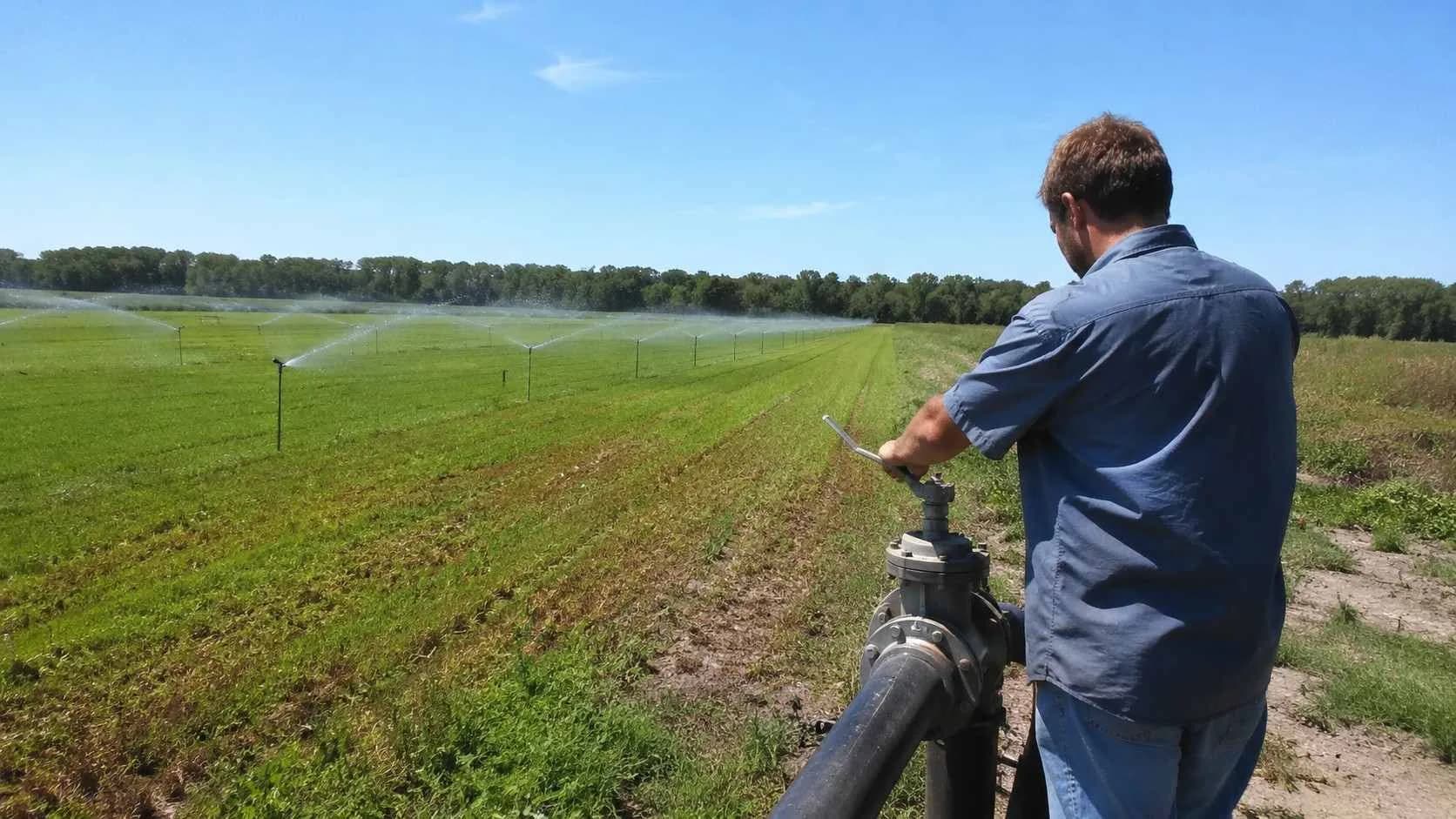
Where reuse or land application, discussed elsewhere as a wastewater disposal strategy generally, is a feasible option for a specific project’s site and effluent characteristics, these approaches can also serve as a nutrient compliance strategy, since water applied to land for irrigation or other reuse purposes, rather than discharged directly to a surface water, doesn’t carry the same direct nutrient loading implications for a sensitive receiving water that a direct discharge would. Evaluating reuse and land application specifically through this nutrient compliance lens, alongside their more general benefits and constraints as a disposal strategy, adds another dimension to compare against advanced treatment and trading approaches when developing an overall compliance strategy.

Regional Coordination Among Multiple Dischargers
In some watersheds with multiple wastewater dischargers, regional coordination, whether through a shared regional treatment facility, coordinated planning among neighboring utilities, or some other collaborative arrangement, can offer a more efficient path to meeting collective nutrient reduction goals than each individual discharger pursuing separate, uncoordinated treatment upgrades. This kind of regional approach requires cooperation and coordination among multiple parties with potentially different priorities and timelines, and evaluating its feasibility for a specific watershed and situation requires understanding the other dischargers involved and their own planning status, not assuming regional coordination is automatically available or straightforward to arrange.
Documentation and Regulator Coordination
Any nutrient compliance strategy beyond a straightforward treatment upgrade at a single facility, whether a trading arrangement, an offset mechanism, or a regional coordination approach, requires clear documentation supporting the specific mechanism’s technical basis and direct coordination with TCEQ to confirm the approach is actually recognized and acceptable for the specific permit involved. A strategy assumed to be viable without this direct confirmation risks being rejected or requiring significant rework late in the permitting process, after a project team may have already built planning and design decisions around an assumption that later turns out not to hold.
Why This Must Be Evaluated Early, Not Assumed at the End of Design
Because nutrient compliance strategy can meaningfully affect treatment plant design, site planning, and overall project cost and timeline, this evaluation needs to happen during early feasibility planning, alongside the broader receiving water and permitting evaluation discussed for a new discharge generally, rather than being treated as a detail to sort out once treatment design is otherwise finalized. A project team that designs a treatment plant around advanced nutrient removal technology, only to later learn that a different approach might have been available and more cost-effective for that specific watershed, has lost the opportunity to make that comparison when it would have actually mattered, during the design decisions that followed from it.
Frequently Asked Questions
Is nutrient trading currently available for every Texas watershed?
No, availability is watershed specific and depends on the current state of any applicable program or framework for that particular watershed, and this should be confirmed directly with TCEQ for the specific watershed and project in question rather than assumed based on general awareness that nutrient trading exists as a concept.
If our watershed doesn’t currently support a trading mechanism, are we limited to advanced treatment alone?
Not necessarily, since reuse, land application, and regional coordination remain worth evaluating independent of whether a formal trading mechanism exists for a specific watershed, and these alternatives should be considered on their own merits for the specific project and site.
Should we assume our receiving water is impaired for nutrients unless told otherwise?
No, impairment status should be confirmed using available water quality assessment information for the specific receiving water rather than assumed in either direction, since this status significantly affects the stringency and complexity of the applicable nutrient compliance planning.
How early should nutrient compliance strategy be evaluated in a new discharge project?
As early as possible, ideally during initial feasibility and site planning, since the outcome of this evaluation can influence treatment plant design, site layout, and overall project cost, all of which are considerably easier to adjust before detailed design begins than after it’s already underway.
Related Resources
- Antidegradation Review Explained: Why Some Texas Streams Trigger a Harder TCEQ Review Than the Standard Effluent Limit Process
- Land Application Permits in Texas: A Faster Path to Wastewater Approval for Developers
- Whole Effluent Toxicity Testing: What WET Testing Requires Beyond Standard Chemical Monitoring
- Combined Sewer vs. Separate Sanitary Systems in Older Texas Cities: Why Legacy Infrastructure Changes a Discharge Permit’s Monitoring Burden
Evaluating Nutrient Compliance Strategy for a New or Expanded Discharge?
MES helps clients evaluate nutrient compliance options, compare treatment and watershed strategies, coordinate permitting questions, and understand the cost and feasibility of meeting nitrogen and phosphorus limits.
We specialize in:
- Early stage nutrient compliance strategy evaluation alongside overall feasibility and permitting planning
- Watershed and receiving water assessment to understand nutrient loading constraints and impairment status
- Comparison of advanced treatment, reuse, land application, and regional coordination approaches
- Coordination with TCEQ to confirm availability and requirements for any watershed specific compliance mechanism
- Documentation support for nutrient compliance strategies beyond standard treatment upgrades
- Treatment plant design informed by a fully evaluated nutrient compliance strategy, not a default assumption
Modern Engineering Solutions, McKinney, Texas. Contact: (214) 833-6748 or mod-eng.com
Keep reading
More to read.
Talk to an engineer
Tell us about your project.
An engineer reads it
Not a salesperson. Someone who can tell you whether the pathway is real.
You get a first answer
Your options, the agencies involved and the questions that decide cost and schedule.
You decide
No commitment to have the first call.
Prefer the phone? (214) 833-6748