
Blog
CCN Disputes in West Houston: What Happens When Your Development Lands Inside Someone Else’s Certified Service Area
Closing on a West Houston site inside someone else's CCN without confirming provider capacity creates cost and schedule exposure developers rarely budget for.
Quick Answer
A Certificate of Convenience and Necessity is a legal authorization issued by the Public Utility Commission of Texas that grants a specific utility provider the exclusive right to provide water or sewer service within a defined geographic area, and when a development site falls within an existing CCN holder’s certified area, that provider generally holds the exclusive legal right to serve the site, meaning a developer typically cannot simply select a different provider or self provide service without either working through the certified provider or pursuing a formal decertification or boundary adjustment process through the PUC. This matters directly for development schedule and cost, since a certified provider without adequate capacity to serve a new development may require the developer to fund significant infrastructure improvements before connection is possible, and disputes between overlapping or competing providers, or between a developer and a certified provider unwilling or unable to serve a project on a reasonable timeline, can add substantial schedule delay while the dispute works through utility coordination or PUC review. Developers evaluating a West Houston growth corridor site should confirm CCN status and the certified provider’s actual capacity and willingness to serve the site during initial due diligence, before land closing, since resolving a CCN conflict after acquisition is a considerably more constrained and costly position than evaluating it beforehand.What a CCN Actually Grants and Why It Matters for Development
A CCN functions as both a right and an obligation for the certified provider, granting that provider the exclusive legal authority to serve customers within its certified boundary while generally also obligating the provider to serve customers within that area upon reasonable request. This dual nature is the source of much of the practical friction developers encounter, since the “obligation to serve” side of a CCN doesn’t mean the certified provider must serve a new development immediately, at the developer’s preferred cost, or without requiring the developer to fund infrastructure improvements the provider deems necessary to serve the new demand adequately.
For a developer, this means a site’s location within an existing CCN holder’s certified area doesn’t answer the practical questions that actually determine project feasibility and schedule, including whether the provider has adequate existing capacity to serve the development, what infrastructure improvements the provider will require as a condition of service, what those improvements will cost and who bears that cost, and how long the provider’s own internal process for evaluating and approving a new large-scale service request typically takes. Confirming CCN status is the first step, not the last, in evaluating a site’s actual utility service feasibility.
Existing Provider Rights, Capacity, and Service Extension Obligations
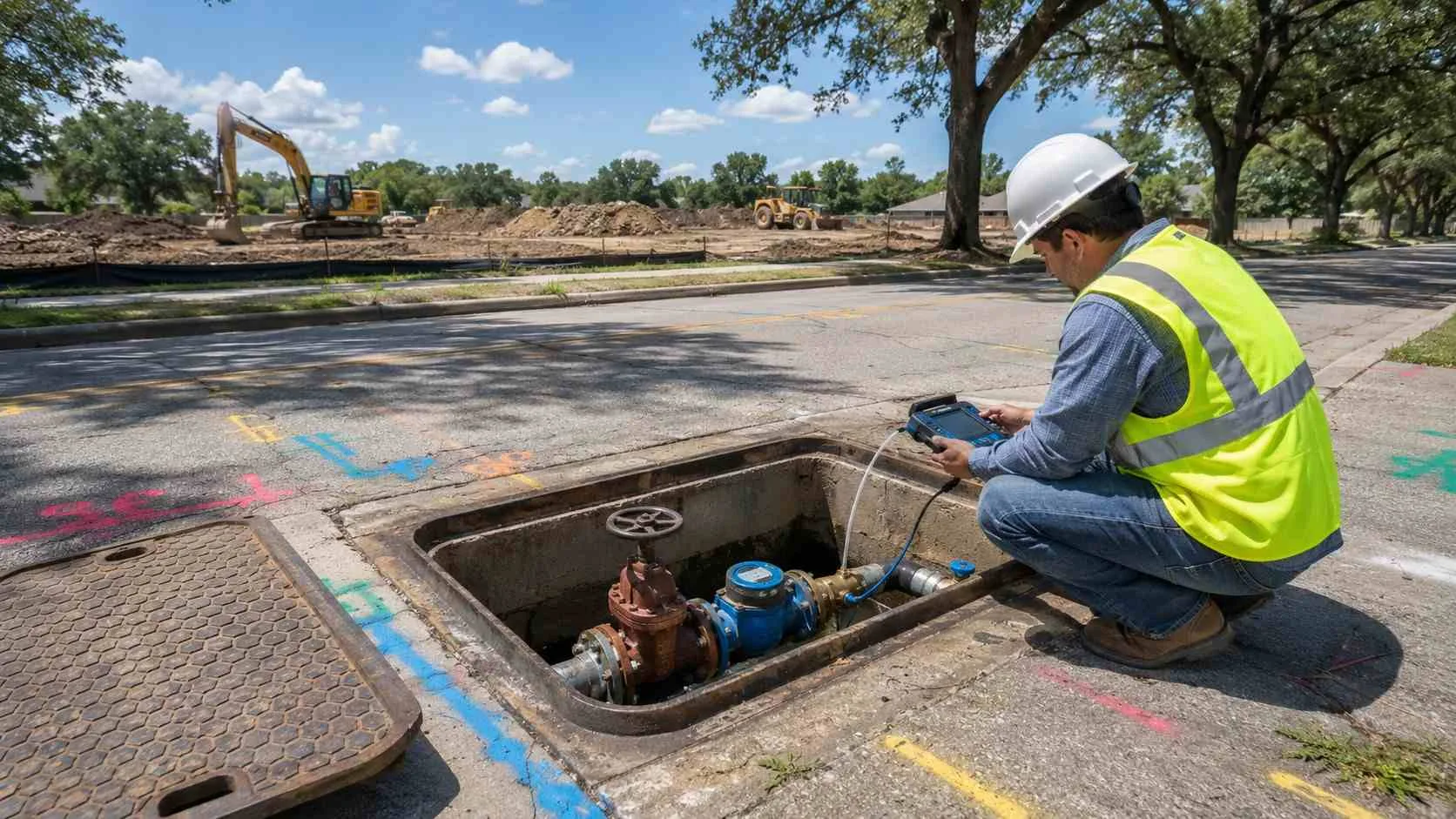
Where a certified provider has adequate existing capacity and infrastructure reasonably close to a development site, service extension can proceed in a relatively straightforward manner, following a similar evaluation framework to Austin Water service extension requests generally, adapted here to whichever certified provider holds the CCN in a specific West Houston location. Where the certified provider lacks adequate capacity, whether in treatment capacity, distribution infrastructure, or collection and conveyance capacity for wastewater, the provider’s obligation to serve doesn’t override the practical reality that inadequate capacity requires improvement before service can actually be extended, and the specific cost and schedule for that improvement depends heavily on the provider’s own capital planning priorities and willingness to fund or share in the cost of improvements primarily benefiting a specific developer’s project.
This is where developers most often encounter unexpected cost and schedule exposure, discovering that the certified provider’s capacity shortfall becomes the developer’s problem to fund or wait out, following similar cost participation and reimbursement uncertainty dynamics relevant to off site utility improvement cost allocation generally, but complicated further by the fact that the developer generally cannot simply seek an alternative provider given the certified provider’s exclusive legal right to serve the area.
Decertification and Boundary Adjustment as a Path Forward
Where a certified provider genuinely cannot or will not serve a development on a reasonable basis, Texas law provides mechanisms for decertification, removing a specific area from an existing CCN holder’s certified boundary, or for a boundary adjustment reassigning a specific area to a different or newly formed provider, though these processes require a formal petition to the PUC and typically involve demonstrating that the existing certified provider cannot adequately serve the area or that decertification otherwise serves the public interest under the applicable statutory standard. This process carries its own timeline and evidentiary requirements, and developers should treat decertification as a genuine but time consuming option rather than a quick workaround when facing an unresponsive or inadequately capacitated certified provider.
Developers evaluating a decertification or boundary adjustment path should coordinate closely with legal counsel experienced in Texas utility regulatory proceedings alongside their engineering evaluation, since the technical case for inadequate service or capacity needs to be documented and presented in a form that meets the PUC’s specific evidentiary standards for this kind of petition.
Disputes Between Providers and What They Mean for Developers
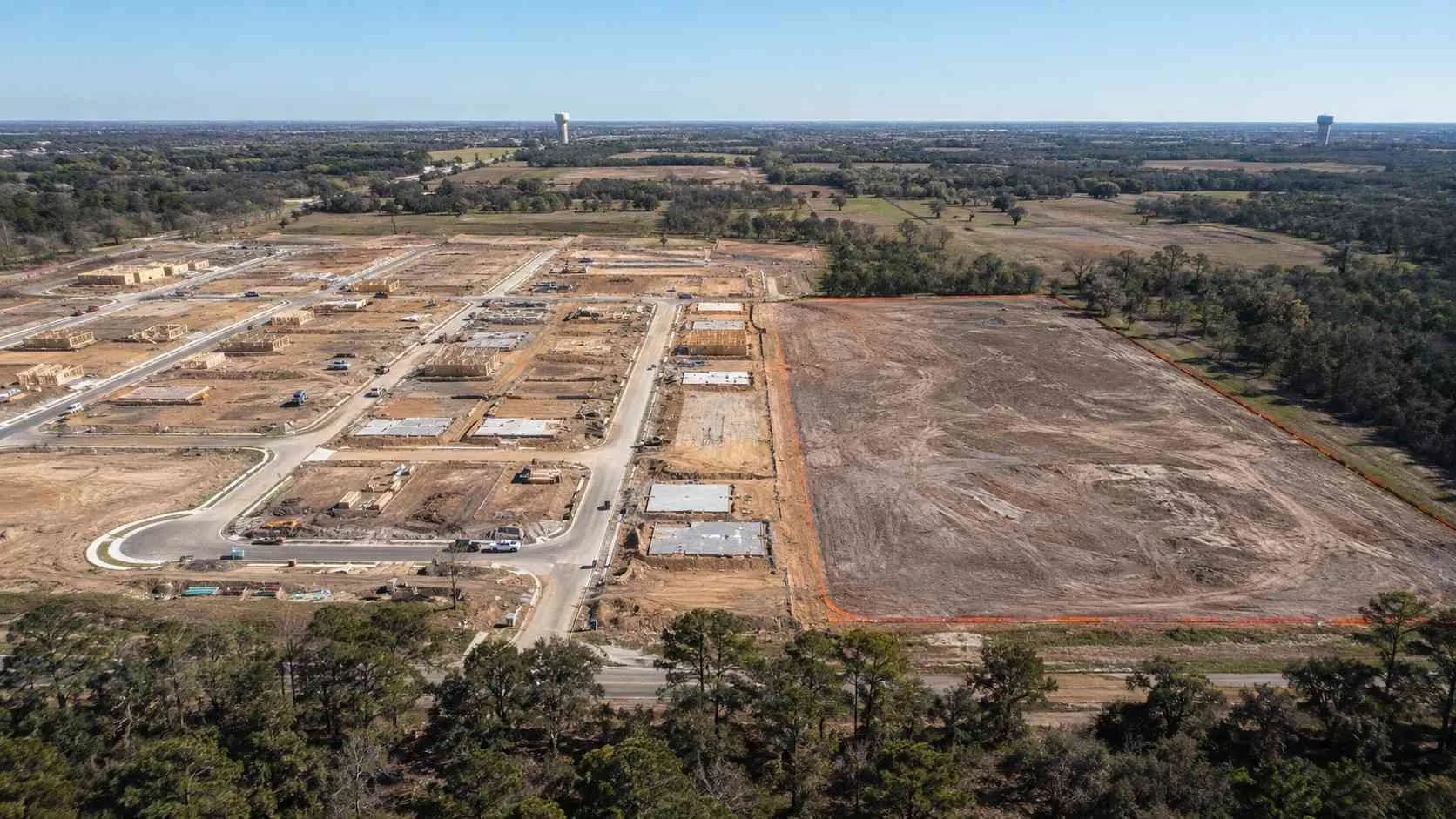
West Houston’s overlapping growth corridors, where multiple CCN holders, MUDs, and, in some cases, newly forming utility districts operate in close geographic proximity, can produce genuine boundary disputes between providers themselves, independent of any specific developer’s project, and a developer whose site falls near a disputed or unclear boundary between two certified providers can find their project’s utility service question caught in the middle of that broader dispute rather than resolved simply by confirming which provider’s certified area technically includes the site. Confirming not just which provider holds the CCN over a specific site, but whether that boundary itself is subject to any pending dispute, adjustment petition, or unresolved boundary question, is an additional due diligence layer relevant specifically to development in these overlap-prone West Houston corridors.
MUD Formation and Private Utility Options When CCN Constraints Are Significant
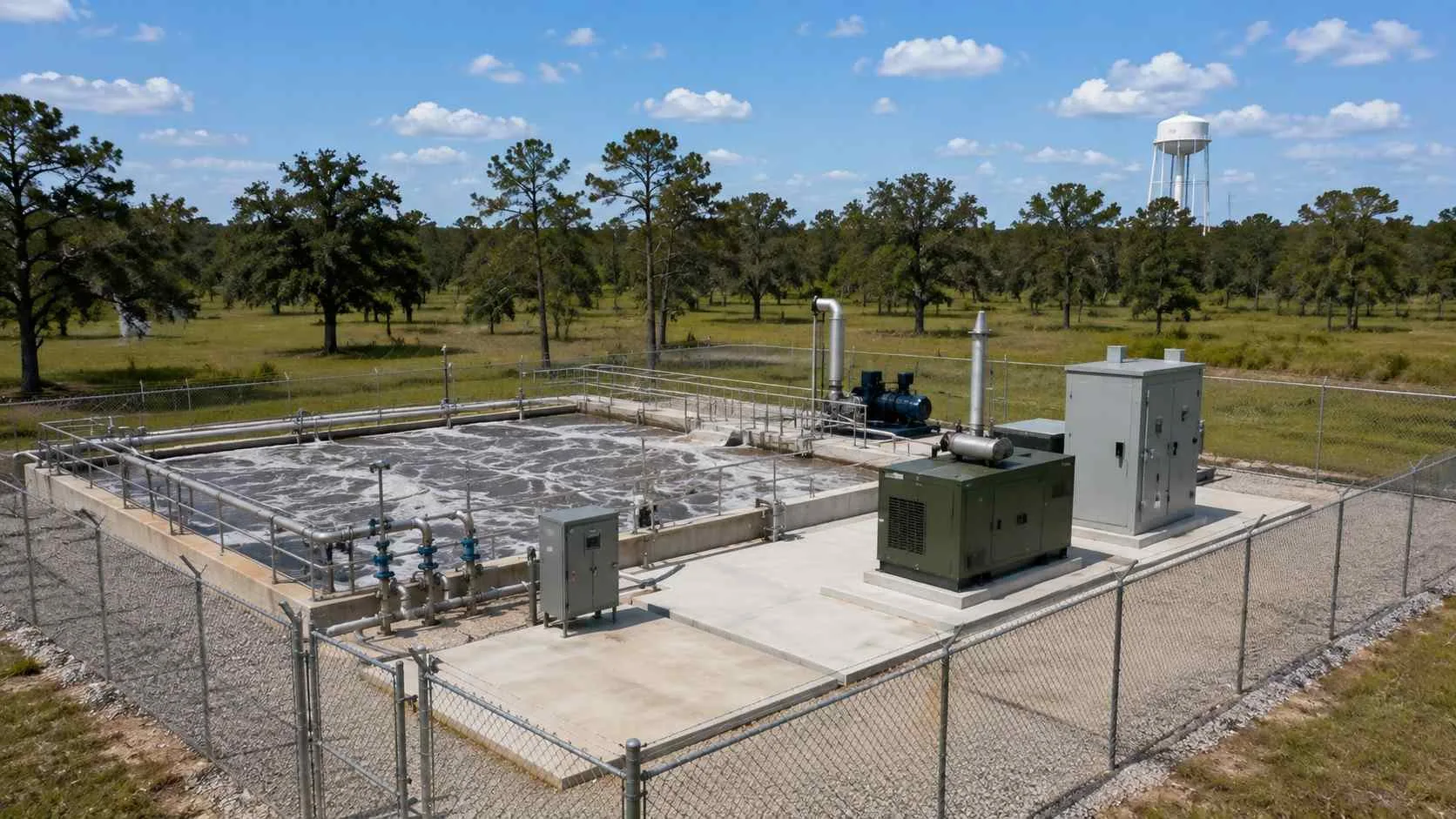
Where CCN constraints, whether inadequate certified provider capacity, an unresponsive provider, or a genuine boundary dispute, create significant schedule or cost risk for a development, evaluating municipal utility district formation as an alternative service strategy follows the same MUD formation feasibility framework relevant to ETJ and unincorporated growth corridor development generally, though MUD formation within an area already covered by an existing CCN carries its own specific complexity, since the new district would generally still need to address the existing certified provider’s rights within the overlapping area, whether through decertification, a negotiated service agreement, or another arrangement resolving the overlap. Private wastewater treatment, evaluated under the same TPDES and TLAP framework relevant to private treatment feasibility generally, can offer a path around a specifically constrained wastewater CCN situation in some circumstances, though private water supply alternatives face more limited practical options given the exclusivity CCN water certification typically carries.
Cost Participation and Financial Exposure in CCN Constrained Projects
Where a developer ultimately proceeds through the certified provider despite capacity or cost friction, cost participation for required infrastructure improvements typically falls at least partially to the developer, following similar principles to off site utility improvement cost allocation relevant to service extension requests generally, and developers should evaluate this potential cost exposure, along with any reimbursement mechanism the provider may or may not offer as other properties later connect to and benefit from developer funded improvements, as part of the same financial due diligence process applied to entitlement, market, and construction cost risk generally. This financial exposure should be quantified, even if only as a reasonable estimated range, before land closing, since a CCN constrained site’s true acquisition economics depend directly on this potential utility cost exposure alongside the land’s purchase price and other development costs.
Building CCN Evaluation Into Development Schedule and Risk Planning
The practical lesson across these CCN scenarios is that development schedule risk in West Houston’s growth corridors depends significantly on confirming CCN status, provider capacity, and any boundary or dispute complications early enough to build the resulting cost and timeline implications into the project’s overall schedule and financial plan, rather than discovering these implications after acquisition when the options for addressing them are considerably more limited and time constrained. Developers should treat CCN due diligence as a core feasibility item with the same rigor applied to entitlement, environmental, and market analysis, coordinating engineering evaluation of provider capacity and infrastructure needs alongside legal evaluation of CCN status and any potential decertification or dispute exposure.
Frequently Asked Questions
How do we confirm which specific CCN holder, if any, has certified rights over our specific West Houston site?
Confirming CCN status requires reviewing the PUC’s CCN maps and records for the specific area your site falls within, since CCN boundaries aren’t always intuitive based on municipal or county boundaries and can include gaps, overlaps, or areas where boundary lines don’t precisely align with what a general map might suggest, making a specific records review a necessary step rather than an assumption based on general awareness of which utilities operate in the broader area.
If the certified provider says they can serve our site but at a cost we believe is excessive, do we have any leverage to negotiate that cost?
Some negotiation is often possible, particularly around cost allocation and any reimbursement mechanism for improvements that will also benefit future connections, but the certified provider’s exclusive right to serve the area does limit a developer’s leverage relative to a situation with genuine provider competition, which is part of why evaluating decertification or an alternative strategy is worth doing in parallel with negotiation when the cost exposure is significant enough to matter to the project’s economics.
How long does a decertification petition to the PUC typically take, and should we expect our project to wait for that outcome before proceeding?
Decertification and boundary adjustment proceedings before the PUC can take a meaningful amount of time given the evidentiary and procedural requirements involved, and developers generally shouldn’t plan a project’s core schedule around an uncertain decertification outcome without also evaluating whether proceeding through the existing certified provider, even at added cost, might allow the project to move forward on a more predictable timeline while any decertification effort proceeds separately.
Related Resources
- Austin Water Service Extension Requests: Who Pays for Off-Site Water, Wastewater, and Reclaimed Water Improvements?
- San Jacinto River Authority Surface Water Conversion Contracts: What They Mean for a MUD’s Capital Plan
- NTMWD Connection vs. Private Treatment: The McKinney Developer’s Guide to Choosing the Right Wastewater Path
Evaluating CCN Constraints for a West Houston Development Site?
MES works with developers, land acquisition teams, and MUD consultants to confirm CCN status and provider capacity, evaluate service extension and cost participation exposure, coordinate with legal counsel on decertification or boundary questions, and identify infrastructure risks before closing or filing plans.
We specialize in:
- CCN status confirmation and certified provider capacity evaluation for West Houston development sites
- Service extension feasibility and infrastructure cost estimation for CCN constrained projects
- Coordination support for decertification and boundary adjustment petitions before the PUC
- Municipal utility district formation feasibility for CCN overlap and boundary dispute situations
- Private wastewater treatment evaluation as an alternative strategy for constrained wastewater CCN areas
- Utility due diligence integrated with legal and financial advisory teams before land closing
Modern Engineering Solutions, Houston, Texas. Contact: (214) 833-6748 or mod-eng.com
Keep reading
More to read.
Talk to an engineer
Tell us about your project.
An engineer reads it
Not a salesperson. Someone who can tell you whether the pathway is real.
You get a first answer
Your options, the agencies involved and the questions that decide cost and schedule.
You decide
No commitment to have the first call.
Prefer the phone? (214) 833-6748