
Blog
Colorado Biosolids Management Regulations: How CDPHE Land Application Rules Differ from Texas for Private Plant Operators
Texas biosolids practices do not automatically transfer to Colorado. See how CDPHE land application, hauling, and storage rules actually differ overall.
Quick Answer
Biosolids are not a minor operating byproduct that a private wastewater treatment plant can handle informally once it’s up and running. Sludge handling, hauling, storage, stabilization, disposal, and land application all become part of a facility’s long term compliance burden the moment solids start accumulating in the treatment process, and this burden continues for as long as the facility operates. For an operator expanding from Texas into Colorado, or managing projects in both states, it’s a mistake to assume Colorado biosolids management will simply mirror Texas expectations. The practical realities differ enough, in regulatory agency coordination, land application controls, seasonal access, and mountain-weather constraints, that treating Colorado biosolids planning as an extension of Texas experience, rather than its own distinct evaluation, creates real risk of an operational surprise once a private plant is actually running.
Why Biosolids Deserve Attention Before a Plant Ever Opens
Many developers and private plant owners focus heavily on getting a discharge permit issued and the treatment plant constructed, treating these as the major milestones that determine whether a project succeeds. What happens to the solids that accumulate as a natural byproduct of the treatment process, however, is a separate and ongoing operational and compliance question that doesn’t go away once the discharge permit is in hand. A facility that hasn’t planned for biosolids handling before startup can find itself with accumulating sludge and no clear plan for stabilizing, storing, hauling, or disposing of it, a problem that only gets more urgent the longer it goes unaddressed.
Biosolids Classification
How biosolids are classified, generally reflecting the level of treatment and pathogen reduction they’ve undergone, affects what handling, storage, and land application requirements apply to that specific material. Understanding how a specific facility’s treatment process and sludge stabilization approach will affect the resulting biosolids’ classification is a necessary starting point for planning downstream handling and disposal, since different classification levels generally carry different land application and public access restrictions. Confirming applicable classification requirements directly with CDPHE for a specific facility, rather than assuming Colorado classification concepts mirror Texas classification concepts exactly, is an important early step for any operator working in Colorado for the first time.
Treatment Process Impacts on Biosolids Handling
The specific treatment process a package plant uses directly affects how much sludge is generated, its characteristics, and how it needs to be stabilized before storage or disposal. A treatment process generating a higher sludge volume or a more difficult to stabilize sludge characteristic creates a correspondingly larger biosolids handling burden than a process generating less sludge or sludge that stabilizes more readily. Evaluating this relationship during initial treatment process selection, rather than treating biosolids handling as an entirely separate consideration from treatment technology choice, produces a more complete and realistic picture of a facility’s total long-term operating burden.
Sludge Wasting Frequency
How frequently sludge needs to be wasted from the treatment process, removed from active treatment and moved into storage or stabilization, depends on the specific treatment process and the facility’s actual flow and loading conditions. Establishing a realistic wasting frequency and schedule specific to a facility’s actual operating conditions, rather than assuming a generic schedule will apply regardless of the specific plant’s characteristics, helps an operator plan storage capacity and hauling logistics that actually match the facility’s real accumulation rate.
Storage Volume Planning
A facility needs adequate storage volume to hold sludge safely between wasting events and actual removal or disposal, and undersized storage capacity can force a facility into a difficult position where sludge needs to be removed on a more urgent timeline than hauling and disposal logistics can practically accommodate. Sizing storage volume based on a realistic understanding of sludge generation rate, anticipated hauling frequency, and reasonable contingency for a hauling delay, rather than a minimal storage capacity assuming everything will always go exactly according to plan, produces a more resilient and practical facility design.
Hauling Schedules and Contractor Coordination
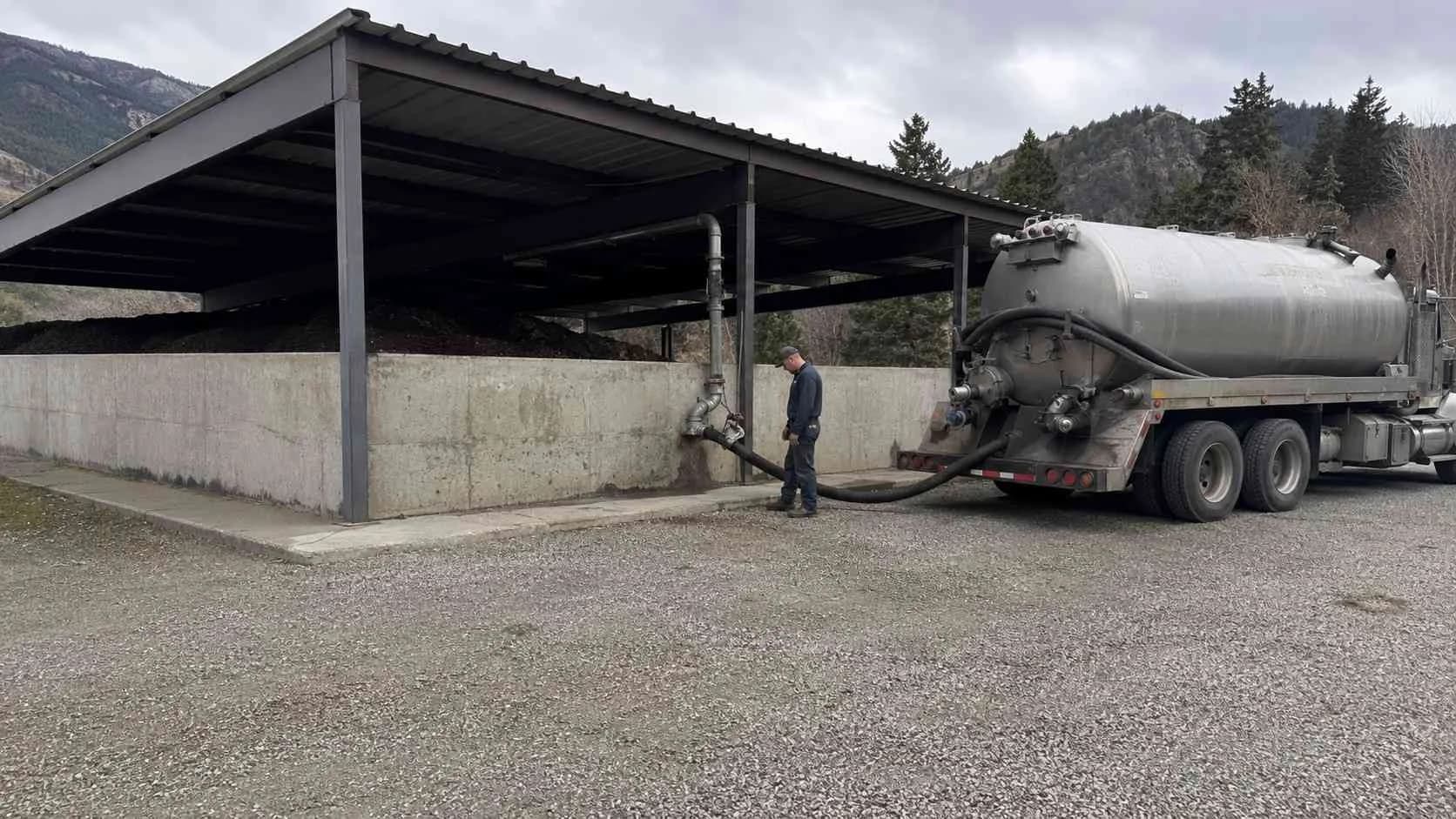
Removing accumulated sludge from a facility typically requires coordination with a hauling contractor, and establishing this hauling relationship, including realistic scheduling that matches the facility’s actual accumulation rate and storage capacity, needs to happen before a facility begins operating, not after storage is already approaching capacity with no hauling arrangement in place. An operator new to Colorado should specifically confirm hauling contractor availability and typical scheduling reliability for their facility’s specific location, since contractor availability and logistics can differ meaningfully by region within Colorado, particularly for a facility in a more remote or mountainous location.
Land Application Planning
Where land application is the intended disposal pathway for a facility’s biosolids, this requires its own planning and, depending on classification and other factors, its own CDPHE site approval process, addressing questions like appropriate agronomic loading rates for the specific land application site, monitoring and recordkeeping requirements for that application, and any seasonal or access restrictions affecting when application can actually occur. This planning needs to happen well before a facility begins generating biosolids requiring disposal, since securing an appropriate land application site and confirming its approval can take meaningful time, time a facility already generating sludge and running low on storage capacity may not have available.
Seasonal Access and Mountain Weather Constraints
A meaningful practical difference for Colorado operations, particularly compared to much of Texas, is the effect of seasonal weather and mountain terrain on land application access and hauling logistics. Winter conditions in many Colorado locations can restrict access to land application sites or create hauling logistics challenges that simply don’t factor into biosolids planning for a facility in a milder Texas climate. An operator planning Colorado biosolids management without specifically accounting for these seasonal access constraints risks discovering, during an actual winter season, that a land application site or hauling route the facility depends on is not reliably accessible during exactly the time of year the facility still needs to manage its accumulating sludge.
Agronomic Loading and Site Specific Evaluation
Agronomic loading, the rate at which biosolids can be applied to a specific parcel of land based on that land’s soil characteristics, crop or vegetation type, and nutrient uptake capacity, needs to be evaluated specifically for each land application site a facility intends to use, rather than assumed based on a general rate that may have applied to a different site in a different state. This site specific evaluation is a technical exercise requiring an understanding of both the biosolids’ specific characteristics and the receiving land’s specific agronomic properties, and it should be treated as its own distinct evaluation for any new land application site, including one being considered as an alternative in Colorado by an operator more familiar with Texas land application planning.
Odor Control and Public Complaints
Biosolids handling, storage, and land application all carry some inherent odor potential, and managing this odor, through appropriate storage and stabilization practices, careful land application timing and technique, and reasonable buffer distances from occupied areas, matters directly to avoiding public complaints that can create both a community relations problem and, depending on the circumstances, a potential regulatory attention issue. An operator should evaluate odor control specifically for their facility’s actual biosolids handling and land application approach, and for the actual proximity of any storage, handling, or application areas to occupied structures or public areas, rather than assuming odor won’t be a significant issue without a specific evaluation.
Operator Documentation and Monitoring
Ongoing biosolids management typically requires its own documentation and monitoring separate from a facility’s discharge monitoring requirements, tracking sludge generation, storage levels, hauling events, and land application activity including any required monitoring of the receiving land itself. Building this documentation into an operator’s routine responsibilities from the start, similar to the documentation discipline discussed for compliance generally, keeps a facility’s biosolids management program organized and defensible rather than something reconstructed after the fact when a specific record is needed.
How Biosolids Planning Affects Package Plant Design
Because sludge generation rate, storage needs, and stabilization requirements all trace back to a facility’s underlying treatment process, biosolids planning should factor into treatment technology selection and overall package plant design from the start, rather than being treated as an operational detail to figure out entirely separately from the treatment process design itself. A design process that considers biosolids handling requirements alongside treatment process selection produces a facility genuinely designed to manage its full operating burden, not just its discharge compliance requirements, from day one.
Why Texas Experience Doesn’t Automatically Transfer to Colorado
An operator with established biosolids management practices and contractor relationships in Texas should not assume these same practices, contractors, or general regulatory expectations will transfer directly to a Colorado facility. Regulatory agency coordination differs, since Colorado biosolids programs are administered through CDPHE rather than TCEQ, land application site approval processes and requirements should be confirmed specifically for Colorado rather than assumed to mirror Texas requirements, and the practical logistics of hauling and land application access are shaped by Colorado’s specific terrain and seasonal conditions in ways a Texas-based operator may not have previously needed to plan around. Treating a Colorado project as requiring its own dedicated biosolids management evaluation, rather than an extension of existing Texas practices, is the safer and more realistic approach for any operator working across both states.
Frequently Asked Questions
Do we need a separate CDPHE approval for our biosolids land application site, or is this covered under our discharge permit?
This depends on the specific classification of the biosolids and the nature of the land application activity, and should be confirmed directly with CDPHE, since land application approval is often a distinct process from the facility’s discharge permit itself.
How much storage capacity should a package plant include for biosolids?
This should be sized based on the specific facility’s expected sludge generation rate, anticipated hauling frequency, and a reasonable contingency for hauling delays or seasonal access restrictions, rather than a generic assumption, and is worth evaluating during initial treatment process and facility design.
Can winter weather actually prevent biosolids disposal for a period of time in Colorado?
Yes, seasonal access restrictions affecting land application sites or hauling routes are a real practical constraint in many Colorado locations, and this should be specifically planned for through adequate storage capacity and hauling scheduling that accounts for reduced winter access.
Should we hire a Colorado specific engineer even if our team has extensive Texas biosolids management experience?
This is worth strong consideration, since regulatory agency coordination, land application approval processes, and practical logistics all differ meaningfully enough between the two states that Colorado-specific evaluation, rather than an assumption that Texas experience transfers directly, better protects against an operational surprise.
Related Resources
- CDPHE Site Application vs. Discharge Permit Application: The Two Step Process Colorado Developers Often Confuse Into One
- Decentralized Wastewater Clusters: Designing Multiple Small Package Plants Across a Phased Development
- Package Plant Operator Staffing Requirements: What TCEQ Certification Level Does a Development Actually Need?
- Land Application Permits in Texas: A Faster Path to Wastewater Approval for Developers
Planning Biosolids Management for a Colorado Private Wastewater Facility?
MES helps clients plan biosolids handling early, coordinate treatment design with operations, evaluate hauling and land application constraints, and reduce long term compliance risk for private wastewater facilities.
We specialize in:
- Biosolids classification and treatment process evaluation integrated into package plant design
- Storage volume sizing based on realistic sludge generation and hauling logistics
- Land application site evaluation, including agronomic loading and CDPHE approval coordination
- Seasonal access and mountain weather constraint planning for Colorado hauling and land application
- Contractor coordination support for hauling and land application logistics
- Cross state biosolids planning for operators managing facilities in both Texas and Colorado
Modern Engineering Solutions, Golden, Colorado. Contact: (214) 833-6748 or mod-eng.com
Keep reading
More to read.
Talk to an engineer
Tell us about your project.
An engineer reads it
Not a salesperson. Someone who can tell you whether the pathway is real.
You get a first answer
Your options, the agencies involved and the questions that decide cost and schedule.
You decide
No commitment to have the first call.
Prefer the phone? (214) 833-6748