
Blog
Combined Sewer vs. Separate Sanitary Systems in Older Texas Cities: Why Legacy Infrastructure Changes a Discharge Permit’s Monitoring Burden
An older sanitary sewer can behave like a combined system in wet weather. See how inflow and infiltration change treatment plant loading and monitoring.
Quick Answer
Not every sewer system behaves the same way during a rain event, and that difference matters enormously for discharge permit monitoring and treatment plant planning. A separate sanitary sewer system is designed to carry only wastewater, with stormwater routed through a distinct storm drain system, while a combined system carries both wastewater and stormwater in the same pipes. Many older Texas cities operate systems that were intended to be separate sanitary systems but behave, in practice, more like a partially combined system during wet weather, because of aging infrastructure, deteriorated pipe joints, manhole defects, and undocumented cross-connections that let stormwater and groundwater into the sanitary system anyway. This inflow and infiltration adds flow the treatment plant and the permit’s monitoring program were never designed around, and understanding a specific system’s actual wet-weather behavior, not just its design intent, is essential for realistic compliance and capacity planning.
Design Intent Versus Actual Wet Weather Behavior
A separate sanitary sewer system is designed on paper to carry only sanitary wastewater, and a genuinely well maintained separate system largely achieves that intent, with flow remaining relatively consistent regardless of rainfall. But design intent and actual field performance are two different things, particularly in older infrastructure that has been in the ground for decades, through multiple freeze thaw cycles, ground settlement, and root intrusion, all of which degrade pipe joints and structural integrity over time. A system originally built and permitted as a separate sanitary system can, after decades of this gradual deterioration, behave functionally more like a combined system during significant rain events, even though its underlying design and regulatory classification never changed.
How Inflow and Infiltration Actually Enters the System
Inflow refers to stormwater entering the sanitary system through a relatively direct pathway, a manhole with a poorly sealed or damaged cover, an illegal or undocumented cross connection from a storm drain, or a roof drain improperly connected to the sanitary system instead of the storm system. Infiltration refers to groundwater entering through defects in the pipe itself, cracked joints, deteriorated pipe sections, or root intrusion points that create small openings groundwater can seep through, particularly during periods when the water table rises following significant rainfall. Both pathways add flow to the sanitary system that has nothing to do with actual wastewater generation, and both tend to be worse in older sections of a collection system where decades of deterioration have created more of these entry points than a newer, better-maintained section of the same system would have.
Sanitary Sewer Overflows and Bypass Risk
Where inflow and infiltration during a significant rain event pushes flow beyond what the collection system or treatment plant can actually handle, the result can be a sanitary sewer overflow, wastewater escaping the collection system at a manhole, a low point, or another vulnerable location before it ever reaches the treatment plant, or a bypass at the treatment plant itself where incoming flow exceeds treatment capacity and some portion of flow must be diverted around full treatment to avoid a worse outcome. Both scenarios carry significant compliance implications and represent exactly the kind of event that legacy infrastructure with unaddressed inflow and infiltration makes more likely during wet weather, compared to a well-maintained system with minimal extraneous flow.
Wet Weather Monitoring and Flow Metering
Because wet weather flow behavior can differ so significantly from dry weather baseline flow in a system affected by inflow and infiltration, monitoring programs for these systems often need to specifically capture and characterize wet weather conditions, not just routine dry weather sampling and flow measurement. Flow metering installed at strategic points throughout a collection system, monitored across a range of rainfall conditions over an extended period, provides the actual data needed to understand how much additional flow a specific system experiences during wet weather and where within the system that additional flow is entering. This kind of metering program, rather than relying on treatment plant influent totals alone, helps pinpoint specific problem areas within a larger collection system rather than only confirming that a system-wide problem exists without identifying where it’s coming from.
Inflow and Infiltration Studies
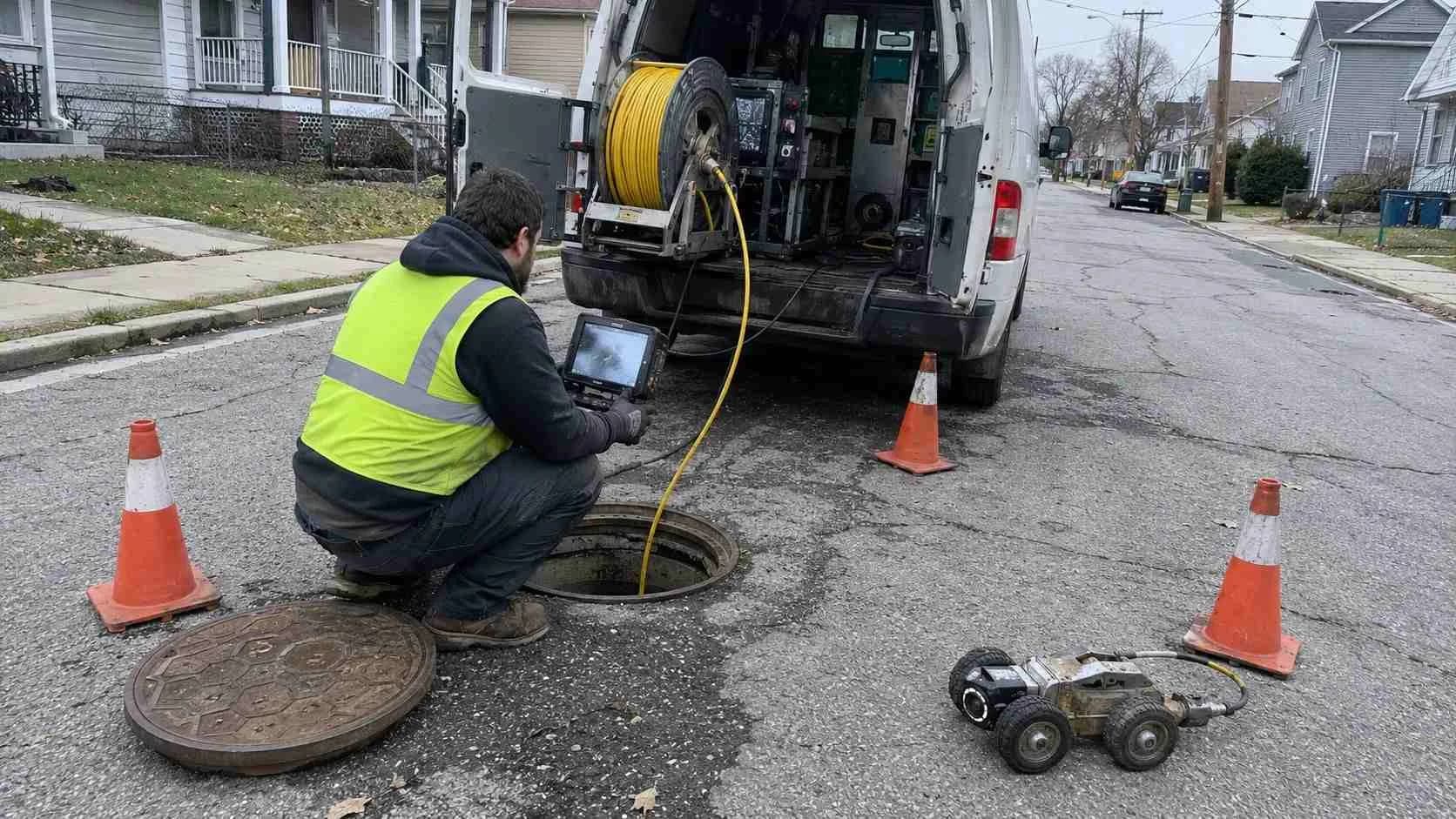
A formal inflow and infiltration study, combining flow metering data, smoke testing, dye testing, and CCTV inspection of collection system pipes and manholes, is the standard approach to actually diagnosing where and how significant a system’s inflow and infiltration problem is, moving beyond a general suspicion that older infrastructure is contributing to wet weather flow increases toward a specific, prioritized understanding of which pipe segments, manholes, or connections are contributing the most extraneous flow. This kind of study provides the technical basis needed to prioritize rehabilitation investment toward the areas that will actually produce the most meaningful reduction in wet-weather flow, rather than spreading limited rehabilitation resources evenly across an entire system regardless of where the actual problems are concentrated.
Collection System Rehabilitation and Manhole Repairs
Where an inflow and infiltration study identifies specific problem areas, rehabilitation approaches can range from pipe lining or replacement addressing infiltration through deteriorated pipe sections, to manhole rehabilitation addressing inflow through damaged covers, frames, or manhole structures themselves, to disconnecting and properly rerouting an identified illegal or undocumented cross connection. Prioritizing this rehabilitation work based on the specific findings of an inflow and infiltration study, focusing first on the areas contributing the most significant extraneous flow, produces a more effective use of limited capital improvement funding than an unfocused, system-wide approach lacking this kind of diagnostic prioritization.
Sewer Separation Efforts
For municipalities operating a genuinely combined system, one truly designed and built to carry both stormwater and wastewater together rather than a separate system experiencing inflow and infiltration, sewer separation, physically constructing a new, distinct storm drain system and disconnecting stormwater flow from the sanitary system entirely, represents a more fundamental infrastructure change than rehabilitation of an already separate system. This kind of separation effort is typically a larger, more capital intensive undertaking than targeted rehabilitation of a separate system’s inflow and infiltration sources, and municipalities facing this situation should expect a longer planning and implementation timeline reflecting that larger scope.
DMR Impacts and Treatment Plant Loading
Wet weather flow increases driven by inflow and infiltration show up directly in discharge monitoring report data, as flow volumes reported to a treatment plant spike during and immediately following significant rainfall in a pattern that a system without significant inflow and infiltration wouldn’t show to the same degree. This same wet weather flow increase also translates into actual treatment plant loading, since the plant needs to actually treat this additional flow, straining capacity and potentially affecting treatment performance during exactly the periods when flow is highest and treatment margin may be tightest. A treatment plant sized based on dry weather flow assumptions, without adequately accounting for a collection system’s actual wet weather flow behavior, risks being undersized for the real conditions it will periodically face, even if its capacity looks adequate based on average daily flow figures alone.
Capital Improvement Planning
Addressing inflow and infiltration, whether through collection system rehabilitation, sewer separation, or treatment plant capacity adjustments, requires capital investment, and prioritizing this investment effectively within a municipality’s broader capital improvement planning depends on having the diagnostic information from flow metering and inflow and infiltration study work to actually identify where investment will produce the most meaningful reduction in wet weather flow and overflow risk. Municipalities that build ongoing collection system assessment and rehabilitation into routine capital improvement planning, rather than treating it as a one time project prompted only by a specific overflow event or regulatory concern, generally manage this legacy infrastructure challenge more effectively over time than municipalities addressing it reactively after a significant problem has already occurred.
Why This Matters for Infill Developers in Older Urban Areas
A developer planning an infill project in an older section of a Texas city needs to understand the actual capacity and wet weather behavior of the existing sanitary sewer system serving that specific area, not just the system’s nominal design capacity, since a system already experiencing significant inflow and infiltration may have less genuine available capacity for new connections than its design specifications alone would suggest. Coordinating with the municipality early in project planning to understand any known collection system constraints in the specific service area, rather than assuming standard capacity availability, helps avoid a capacity surprise discovered only after significant project investment has already occurred.
Frequently Asked Questions
How do we know if our sanitary sewer system has a significant inflow and infiltration problem?
Comparing dry weather flow to wet weather flow following a significant rain event is a useful initial indicator, and a system showing a substantial flow increase during and after rainfall, compared to relatively stable dry weather flow, likely has meaningful inflow and infiltration that would benefit from a more detailed study to identify specific sources.
Is sewer separation always the right solution for a legacy system with wet weather flow problems?
Not necessarily. Sewer separation applies specifically to a genuinely combined system, while a separate system experiencing inflow and infiltration typically benefits more from targeted rehabilitation addressing specific identified defects, which is usually a smaller and more targeted undertaking than full sewer separation.
Can inflow and infiltration cause treatment plant compliance issues even if the plant meets its permitted capacity on paper?
Yes, since a plant’s permitted capacity reflects an average or design flow assumption, and a significant wet weather flow spike from inflow and infiltration can push actual flow well beyond that assumption during specific events, straining treatment performance in ways average capacity figures don’t fully capture.
Should an infill developer be concerned about inflow and infiltration in an older service area even if they’re not responsible for fixing it?
Yes, understanding the existing system’s genuine available capacity, given its actual wet weather flow behavior rather than its nominal design capacity, matters directly to whether a proposed new connection will actually work reliably, independent of who bears responsibility for any existing system deficiencies.
Related Resources
- TPDES Permit Transfer During a Property Sale: What Happens to an Active Discharge Permit When a Developer Sells a Partially Built Project
- Self Reporting Violations and TCEQ Enforcement Discretion: How Voluntary Disclosure Changes the Outcome of a Permit Exceedance
- Antidegradation Review Explained: Why Some Texas Streams Trigger a Harder TCEQ Review Than the Standard Effluent Limit Process
- Land Application Permits in Texas: A Faster Path to Wastewater Approval for Developers
Evaluating Legacy Collection System Constraints for Your Municipality or Infill Project?
MES helps municipalities and developers evaluate older sewer system constraints, conduct I&I studies, interpret wet-weather flow data, plan rehabilitation projects, and connect collection system improvements to permit compliance.
We specialize in:
- Flow metering and wet weather monitoring programs to characterize actual collection system behavior
- Formal inflow and infiltration studies combining metering, smoke testing, dye testing, and CCTV inspection
- Rehabilitation prioritization based on diagnostic findings rather than uniform system wide investment
- Treatment plant loading analysis accounting for real wet weather flow, not just average daily flow assumptions
- Capital improvement planning support connecting collection system investment to permit compliance outcomes
- Infill development capacity evaluation in older service areas affected by legacy inflow and infiltration
Modern Engineering Solutions, McKinney, Texas. Contact: (214) 833-6748 or mod-eng.com
Keep reading
More to read.
Talk to an engineer
Tell us about your project.
An engineer reads it
Not a salesperson. Someone who can tell you whether the pathway is real.
You get a first answer
Your options, the agencies involved and the questions that decide cost and schedule.
You decide
No commitment to have the first call.
Prefer the phone? (214) 833-6748