
Blog
Pretreatment Program Delegation: When a Texas City Runs Its Own Industrial Pretreatment Program Versus Deferring to TCEQ
Connecting to a city sewer is not always simple. See when a Texas city runs its own industrial pretreatment program and what that means for your facility.
Quick Answer
Connecting to a sanitary sewer system sounds like a simple compliance path compared to a direct surface water discharge permit, and in some ways it is, but it is not automatically simple. Many Texas cities operate their own delegated industrial pretreatment program, giving that specific city authority to set local discharge limits, require an industrial user permit, mandate sampling and reporting, and enforce compliance directly, independent of and often more restrictive than baseline state requirements. An industrial tenant, manufacturer, or food processor discharging to a publicly owned treatment works, commonly called a POTW, needs to understand whether the specific city they’re connecting to runs this kind of delegated program, and if so, exactly what that program requires, before signing a lease or starting up a facility, not after.
Why Pretreatment Programs Exist
A POTW is designed and permitted to treat a specific range of wastewater characteristics, generally reflecting typical domestic and light commercial wastewater. An industrial user discharging wastewater outside that expected range, whether through unusually high organic loading, extreme pH, elevated fats, oils, and grease, or the presence of metals or other pollutants a domestic treatment process isn’t designed to handle, can disrupt the POTW’s treatment process, damage collection system infrastructure, or pass pollutants through treatment in a way that affects the POTW’s own discharge permit compliance. Pretreatment programs exist specifically to protect the POTW from these effects, requiring industrial users to treat their wastewater to an acceptable condition before it enters the sanitary sewer system, rather than relying entirely on the POTW to handle whatever arrives at its headworks.
Why Some Cities Run Their Own Program
Not every Texas city operates a delegated pretreatment program. Larger cities and those with a more significant industrial base are more likely to have developed and received approval for their own program, since a city with substantial industrial discharge activity has both the practical need and the administrative capacity to manage local limits and industrial user permitting directly. Smaller municipalities or those with less industrial discharge activity may rely more directly on baseline state requirements without a locally administered program of the same scope. Confirming which situation applies to a specific city, directly with that city’s utility or environmental services department, is a necessary first step for any industrial user, since assuming a specific level of local program complexity based on a different city’s approach can lead to a significant planning gap.
Local Limits Beyond Standard State Requirements
Where a city operates its own delegated pretreatment program, that city generally has authority to establish local discharge limits specific to its own POTW’s treatment capabilities and receiving water permit conditions, and these local limits can be more restrictive than baseline state general prohibitions, reflecting the specific characteristics and sensitivities of that particular treatment plant and its specific discharge permit. An industrial user assuming a generic, one size fits all standard applies everywhere risks non compliance with a specific city’s actual local limits, which are established specifically for that city’s own treatment system and are not necessarily the same limits that would apply in a neighboring jurisdiction.
Industrial User Classification
Not every business connecting to a sanitary sewer is automatically classified as a regulated industrial user under a pretreatment program, and classification generally depends on the nature and characteristics of the wastewater being discharged relative to categories the program has defined, along with discharge volume and other factors specific to the local program’s structure. Understanding how a specific facility is likely to be classified, and what obligations follow from that classification, requires reviewing the actual wastewater characteristics the facility will generate against the specific city’s pretreatment program requirements, not assuming a facility is exempt simply because it doesn’t consider itself a traditional heavy industrial operation.
Industrial User Permits and Monitoring Manholes
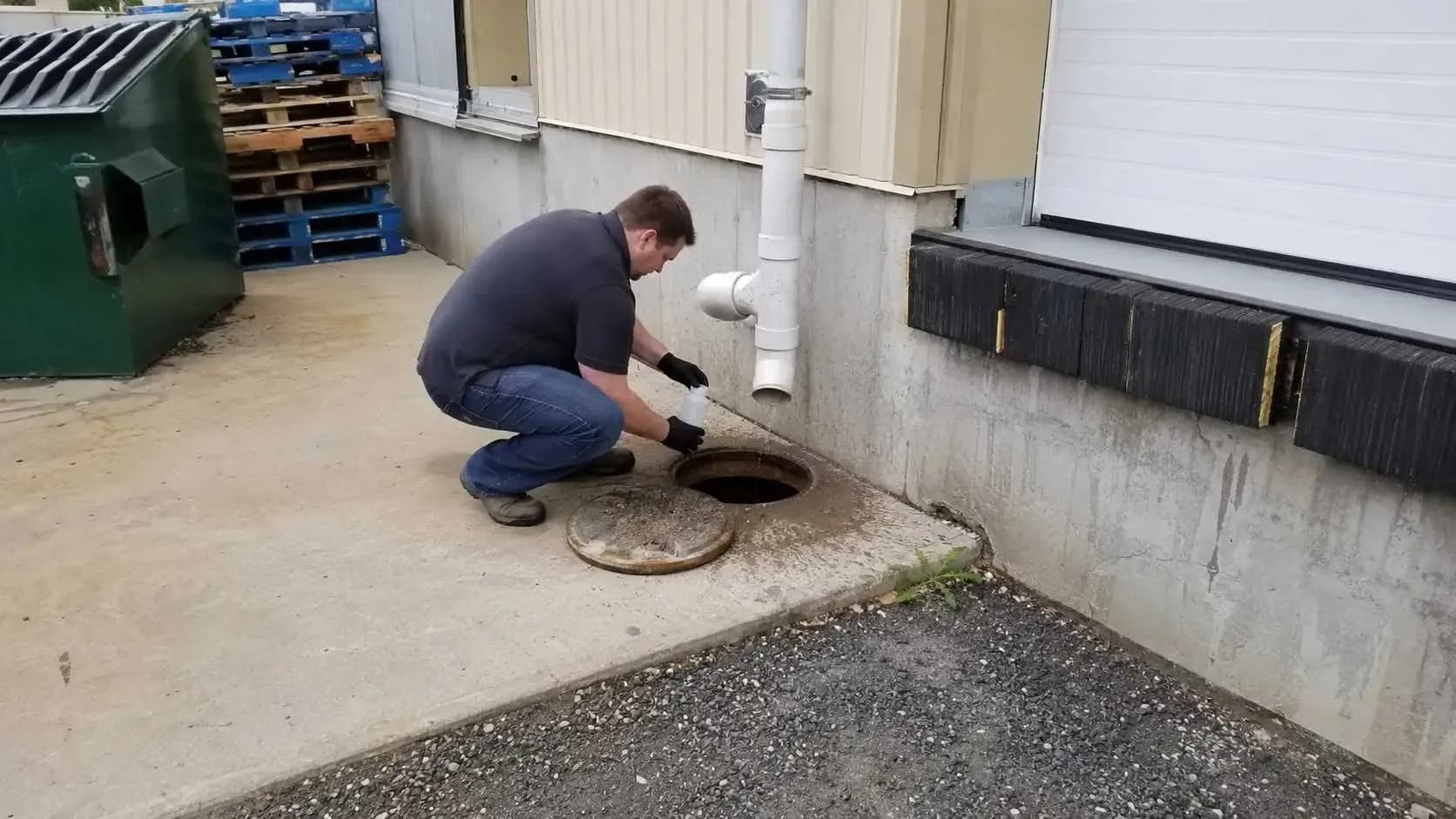
Where a facility is classified as a regulated industrial user, the city’s program typically requires obtaining an industrial user permit specific to that facility, setting out applicable local limits, monitoring and sampling requirements, and reporting obligations tailored to that facility’s specific discharge characteristics. Many programs also require installation of a monitoring manhole, a dedicated sampling access point on the facility’s private discharge line before it connects to the public sewer, allowing consistent and representative sampling of that specific facility’s discharge independent of other flows in the system. Planning for this monitoring manhole requirement during facility design and construction, rather than discovering the requirement after construction is complete and retrofitting an access point becomes more disruptive, is a practical step worth confirming early.
Sampling, Reporting, and Enforcement Procedures
A regulated industrial user typically faces ongoing sampling and reporting obligations under their industrial user permit, following a schedule and testing specific parameters the local program has determined relevant to that facility’s discharge characteristics. Failure to meet these obligations, whether missing a required sampling event or a reporting deadline, or exceeding an applicable local limit, generally triggers enforcement procedures specific to that city’s program, which can include escalating consequences for repeated or more serious noncompliance. Understanding these obligations and building them into normal facility operations, similar to the compliance and documentation discipline discussed for direct discharge permittees generally, protects an industrial user from an avoidable compliance gap.
Surcharge Fees for High Strength Wastewater
Beyond straightforward compliance with numeric local limits, many pretreatment programs include a surcharge fee structure applying to wastewater exceeding certain baseline strength characteristics even where it remains within applicable local limits, reflecting the additional treatment burden that higher strength wastewater places on the POTW compared to typical domestic wastewater. Understanding whether a facility’s anticipated wastewater characteristics are likely to trigger this kind of surcharge, and factoring that into overall facility operating cost planning, is a practical consideration separate from, but related to, straightforward local limit compliance.
Prohibited Discharges and Specific Parameters of Concern
Pretreatment programs generally prohibit certain discharges outright regardless of concentration, substances that could create a fire or explosion hazard, cause corrosive structural damage to the collection system, or otherwise pose a direct hazard to POTW workers or infrastructure. Beyond these general prohibitions, specific parameters commonly receiving close attention in local limits and monitoring requirements include pH, biochemical oxygen demand, total suspended solids, fats, oils, and grease, and various metals, each relevant to different types of industrial and commercial operations depending on their specific processes. A food processing facility, for example, is likely to face particular attention to fats, oils, and grease and biochemical oxygen demand given typical food processing wastewater characteristics, while a metal finishing or manufacturing operation is more likely to face particular attention to specific metals relevant to their processes.
High Strength Wastewater From Food Processing and Manufacturing
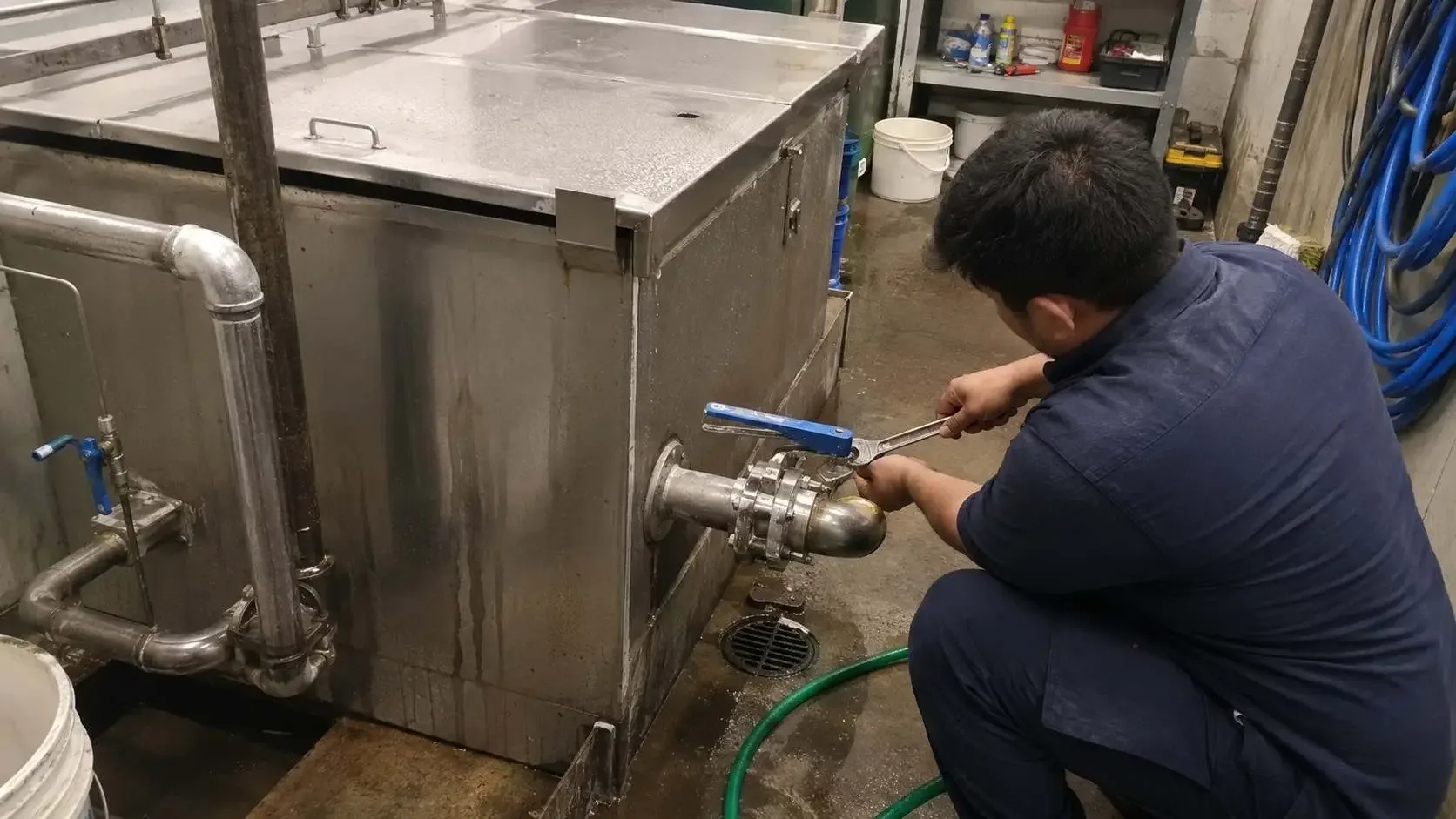
Food processing wastewater, frequently carrying elevated organic loading and fats, oils, and grease content well beyond typical domestic wastewater, and manufacturing wastewater, which can carry a wide range of characteristics depending on the specific manufacturing process involved, both commonly require dedicated pretreatment equipment before discharge to a POTW, rather than relying on the assumption that a standard sanitary sewer connection alone will suffice. Characterizing a specific facility’s actual anticipated wastewater, rather than relying on general industry assumptions that may not reflect that facility’s specific processes and volumes, is the necessary starting point for determining what pretreatment equipment, if any, will actually be needed to meet the applicable local program’s requirements.
Hauled Waste Considerations
Where wastewater is hauled to a POTW rather than discharged through a direct sewer connection, whether from a facility without direct sewer access or from a specific waste stream managed separately from a facility’s main discharge, this hauled waste is typically subject to its own specific acceptance criteria and procedures under a delegated pretreatment program, distinct from the requirements applying to a direct industrial user connection. Confirming a specific city’s hauled waste acceptance procedures and any applicable local limits for that pathway, where hauled waste disposal is part of a facility’s waste management plan, should happen as part of the same pretreatment coordination effort covering direct discharge.
Coordination Before Lease Signing or Facility Startup
The most effective time to understand a specific city’s pretreatment program requirements is before committing to a specific location, whether through a lease or a purchase, and certainly before finalizing facility design or beginning construction. A tenant or developer that confirms pretreatment obligations only after signing a lease risks discovering that the anticipated wastewater characteristics require pretreatment equipment that wasn’t accounted for in facility design or budget, creating a costly retrofit and startup delay that earlier coordination with the city’s pretreatment program would have avoided.
Frequently Asked Questions
How do we find out if the city we’re locating in runs its own pretreatment program?
Contact that city’s utility or environmental services department directly and ask specifically whether they operate a delegated industrial pretreatment program, since this varies by city and shouldn’t be assumed based on general size or type of city alone.
Does every industrial or commercial facility connecting to a sanitary sewer need an industrial user permit?
No, classification as a regulated industrial user depends on the specific wastewater characteristics and volume a facility generates relative to the local program’s classification criteria, and a facility should confirm its likely classification with the local program rather than assuming based on general business type alone.
If our wastewater characteristics meet local limits, do we still need to worry about surcharge fees?
Possibly, since surcharge fees for high-strength wastewater generally apply based on a different threshold than the applicable local limits themselves, meaning wastewater can be fully compliant with local limits while still triggering a surcharge based on its strength relative to typical domestic wastewater.
Should we plan for a monitoring manhole even if we’re not sure we’ll be classified as an industrial user?
This is worth confirming with the local program before finalizing facility design, since a facility later classified as an industrial user without a monitoring manhole already in place faces a more disruptive retrofit than one that planned for this possibility during initial construction.
Related Resources
- Combined Sewer vs. Separate Sanitary Systems in Older Texas Cities: Why Legacy Infrastructure Changes a Discharge Permit’s Monitoring Burden
- Whole Effluent Toxicity Testing: What WET Testing Requires Beyond Standard Chemical Monitoring
- Land Application Permits in Texas: A Faster Path to Wastewater Approval for Developers
- Self-Reporting Violations and TCEQ Enforcement Discretion: How Voluntary Disclosure Changes the Outcome of a Permit Exceedance
Evaluating Pretreatment Obligations Before Lease Signing or Facility Startup?
MES helps facilities and municipalities evaluate pretreatment obligations, characterize wastewater, coordinate with POTWs, design pretreatment systems, and reduce startup or compliance risk.
We specialize in:
- Wastewater characterization for food processing, manufacturing, and other industrial operations
- Coordination with city pretreatment programs to confirm classification, local limits, and permitting requirements
- Pretreatment system design matched to a facility’s specific anticipated wastewater characteristics
- Monitoring manhole and sampling access planning integrated into facility design and construction
- Industrial user permit application support and ongoing sampling and reporting program setup
- Pre-lease and pre construction due diligence to identify pretreatment obligations before commitment
Modern Engineering Solutions, McKinney, Texas. Contact: (214) 833-6748 or mod-eng.com
Keep reading
More to read.
Talk to an engineer
Tell us about your project.
An engineer reads it
Not a salesperson. Someone who can tell you whether the pathway is real.
You get a first answer
Your options, the agencies involved and the questions that decide cost and schedule.
You decide
No commitment to have the first call.
Prefer the phone? (214) 833-6748