
Blog
Impact Fees and CIP Timing: Why Phasing Costs Blindside Developers When the Capital Improvement Plan Schedule Does Not Match Their Build Out
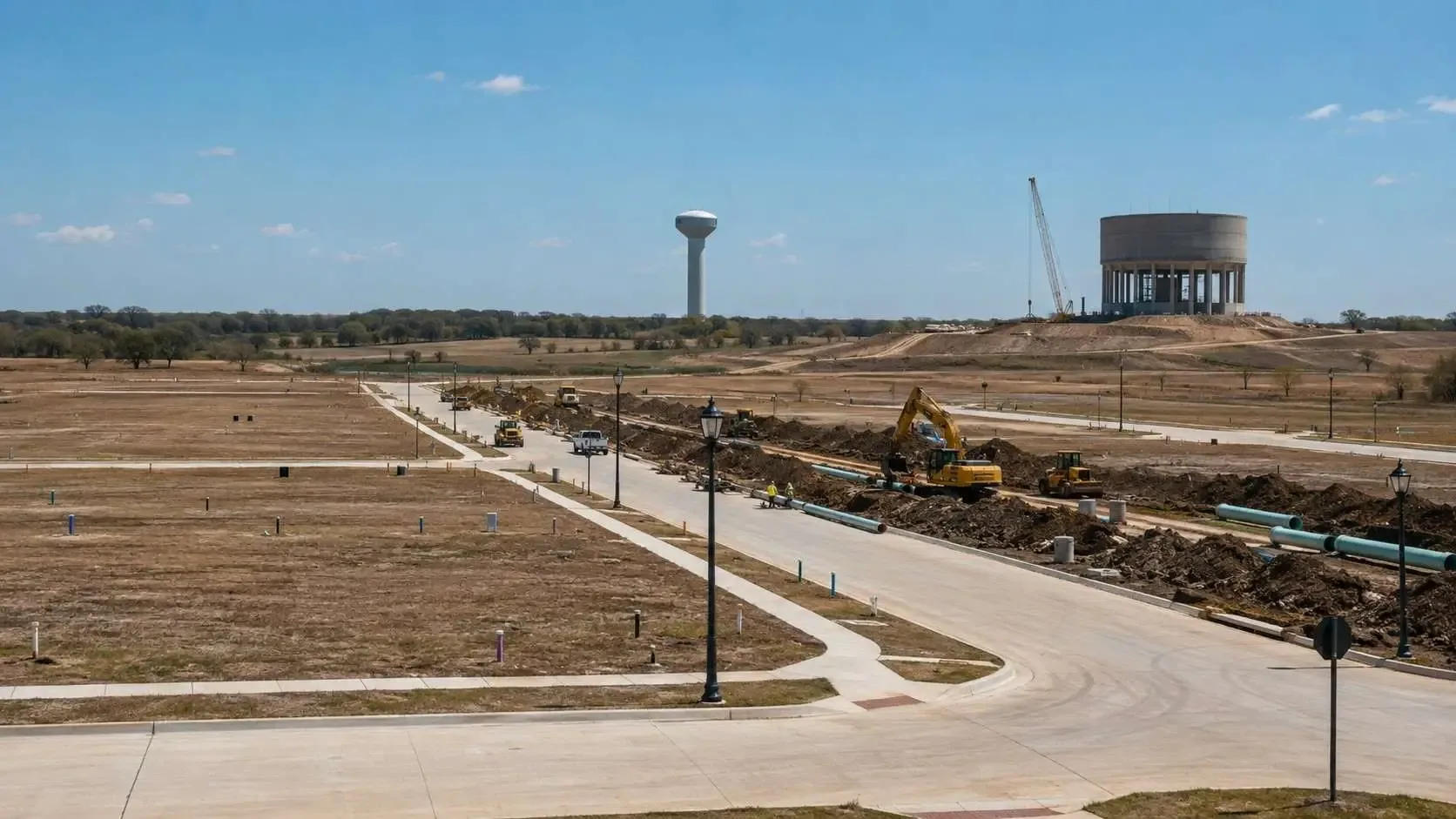
McKinney impact fees are only part of the utility cost story. CIP timing gaps can force phasing changes, offsite costs, and redesign.
Quick Answer
Impact fees are only part of the utility cost story. Even when water and wastewater service is technically available to your site today, the timing of a city or utility’s capital improvement plan can force you to front infrastructure costs, phase your project around delayed upgrades, or redesign your layout entirely. In McKinney and across Collin County, the gap between a developer’s build out schedule and the CIP schedule is one of the most common, and most expensive, surprises. The fix is early due diligence, evaluating impact fee exposure, reviewing CIP timing, and confirming capacity availability before you close or submit plans.
Why Impact Fees Are Only the Starting Point
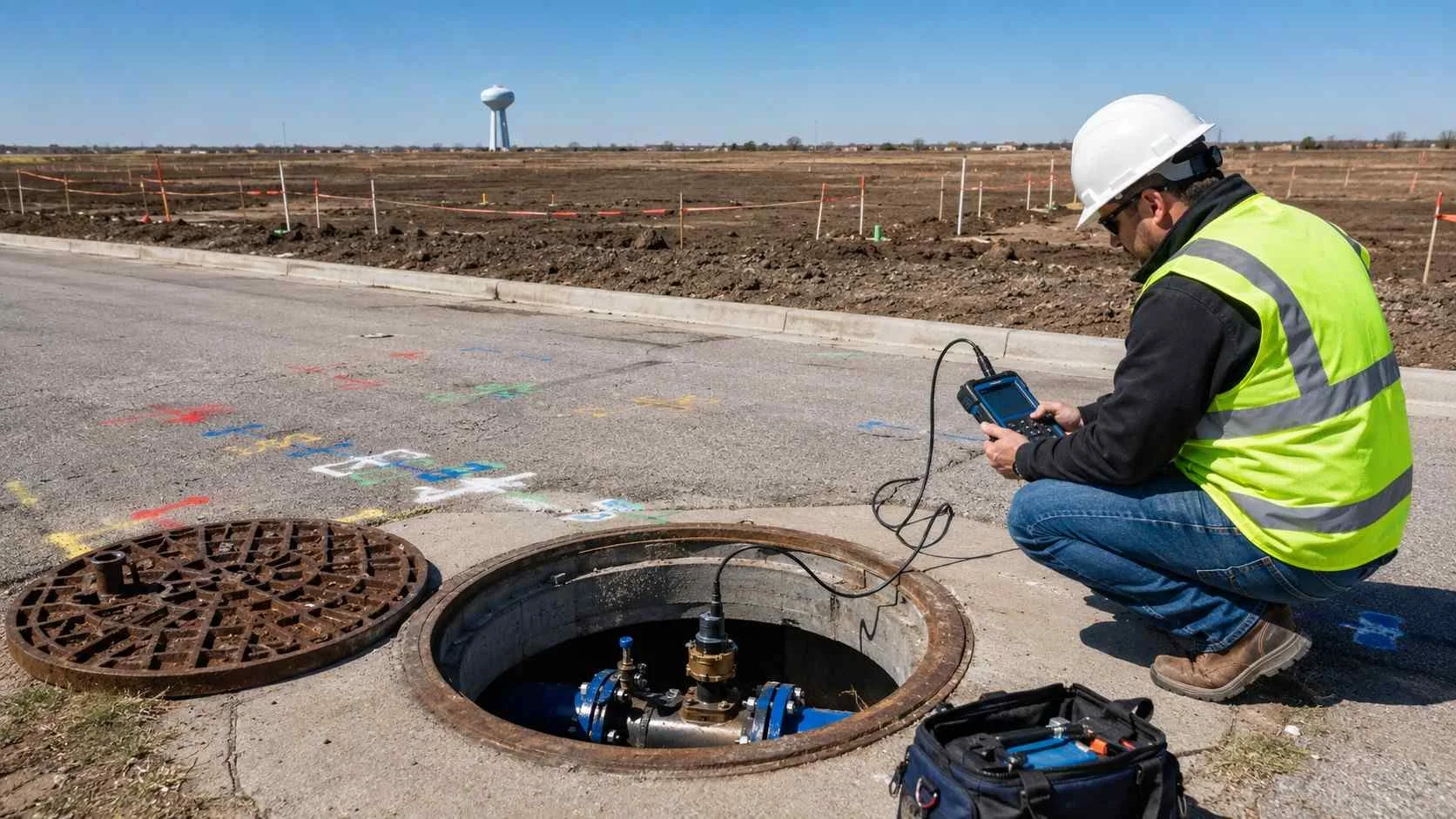
Most developers know to ask about McKinney impact fees and CIP timing early, but many stop at the per connection fee number. Water and wastewater impact fees in Texas are governed by Chapter 395 of the Local Government Code, which lets cities recover a portion of the cost of capacity that serves new development. That fee is real, but it answers only one question, what it costs to buy into planned capacity. It does not tell you whether that capacity exists yet, when it will be built, or who pays if it is not ready when you need it. That distinction is where pro formas quietly break. A clean impact fee estimate can create false confidence that utility costs are fully accounted for, when the larger exposure is sitting in the timing of infrastructure that has not been built.The CIP Timing Mismatch
A capital improvement plan is the city or utility’s multi year schedule for building major infrastructure, water lines, lift stations, elevated storage, treatment capacity, and trunk sewers. Those projects are budgeted and sequenced years in advance based on the city’s growth projections, not on your closing date.
When your build-out timeline runs ahead of the CIP schedule, three things can happen. You may be asked to front the cost of an offsite improvement the city planned to build later. You may have to phase your project so early phases stay within existing capacity. Or you may need to redesign around a utility upgrade that will not be online in time. Any one of these can reshape your budget and your schedule, and none of them show up on a fee schedule.
Offsite Improvements, Cost Participation, and Reimbursement Uncertainty
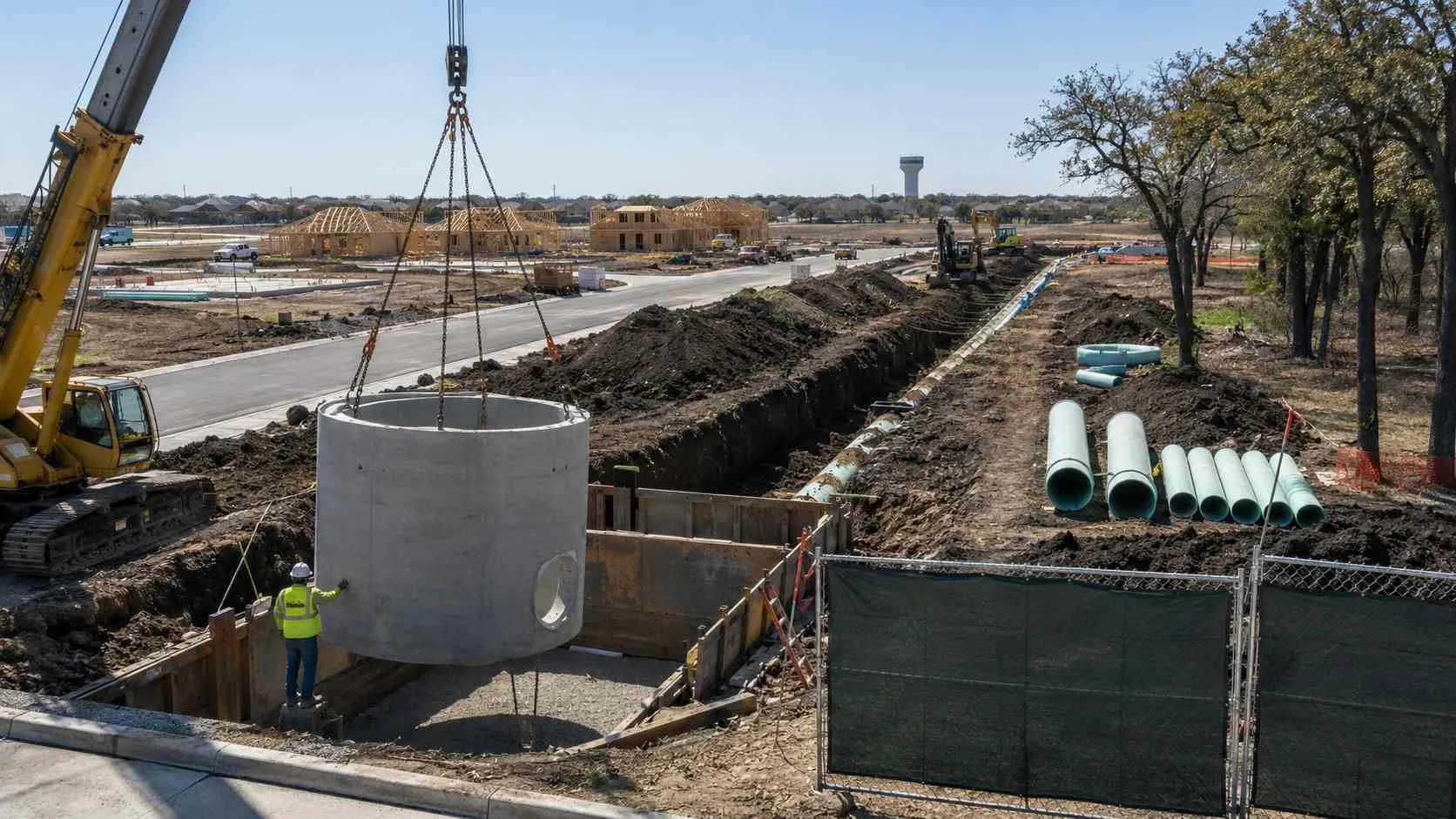
When a needed line or facility is in the CIP but not yet funded or built, cities often offer cost participation or reimbursement arrangements. A developer builds the oversized line or the offsite extension now, and the city reimburses a share later, sometimes through impact fee credits, sometimes through pro-rata recovery from future connecting developments.
The uncertainty lives in the timing and the recovery. Reimbursement may depend on future development that has not happened yet, on available impact fee funds, or on annual budget cycles. Developers who assume reimbursement is automatic can find their capital tied up far longer than the pro forma assumed. Understanding the recovery mechanism, and its realistic timeline, is a core part of McKinney utility infrastructure planning.
Capacity Reservations and Service Availability
Service availability is not the same as capacity being reserved for your project. A city can confirm your site is inside its service area and still not guarantee that treatment or conveyance capacity will be allocated to you on your schedule.
In fast growing parts of Collin County, capacity in a given basin or pressure zone can be committed to earlier projects before yours breaks ground. Knowing where you sit in the queue, and whether a formal capacity reservation is available, changes both your schedule and your cost. Confirming this early is a central piece of Collin County development impact fees analysis, because the fee and the reservation are separate questions.
How Phasing Risk Shows Up on Real Projects
Consider a residential subdivision or master-planned community where later phases depend on a lift station or trunk sewer scheduled in a future CIP year. Early phases may be servable, but the developer cannot open later phases until the city upgrade lands. The options are to wait, to build the improvement early and pursue reimbursement, or to reconfigure phasing so revenue generating lots come online first.
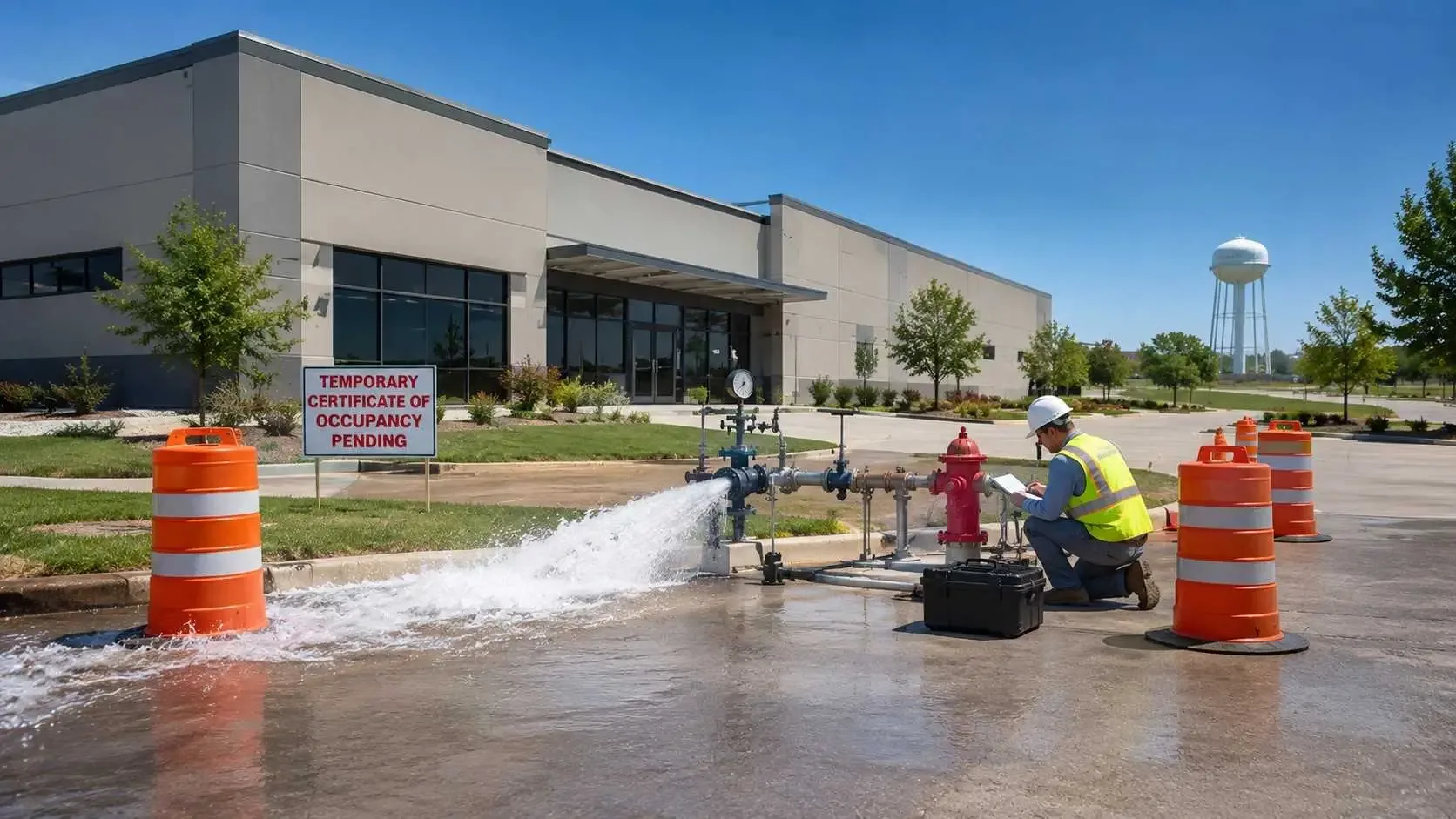
Commercial and mixed use sites face the same pressure on the water side, where fire flow and pressure zone constraints can gate a certificate of occupancy. A site that pencils on paper can stall at the finish line because the water system cannot deliver required flows until a planned improvement is complete. None of these tradeoffs appear on an impact fee schedule, which is exactly why they blindside teams that treated the fee as the whole cost.
Texas Developer Utility Due Diligence Before You Close
Collin County development impact fees, water and wastewater impact fees in Texas, and CIP timing should all be evaluated during due diligence, not after plans are submitted. A proper Texas developer utility due diligence review answers four questions:
Is capacity available today, and is it reserved for my project?
Which CIP projects does my site depend on, and when are they funded and scheduled?
What offsite improvements might I have to front, and what does the reimbursement path actually look like?
How should I phase to protect cash flow if a city upgrade slips?
Answering these before you commit capital is the difference between a schedule you control and one the CIP controls for you.
Frequently Asked Questions
Are impact fees the only utility cost I should budget for?
No. Impact fees cover buying into planned capacity. You may also face offsite improvement costs, cost participation, and front funding if the infrastructure your project needs has not been built yet.
What is a capital improvement plan, and why does it affect my schedule?
A CIP is the city or utility’s multi year schedule for building major infrastructure. If your build-out runs ahead of that schedule, you may have to wait, front costs, or phase around delayed upgrades.
Does confirmed service availability mean capacity is reserved for me?
Not necessarily. Being inside a service area does not guarantee treatment or conveyance capacity is allocated to your project on your timeline. Confirm whether a capacity reservation is available.
Is developer reimbursement for offsite improvements guaranteed?
No. Reimbursement often depends on future connecting development, available impact fee funds, and annual budget cycles, so both the timing and the recovery amount are uncertain.
When should I evaluate CIP timing?
During due diligence, before closing or submitting plans. That is when you still have the flexibility to adjust price, phasing, or design.
Related Resources
- Water Storage and Pressure Zone Design for McKinney’s Rolling Terrain: Engineering for Collin County Topography
- NTMWD Connection vs. Private Treatment: The McKinney Developer’s Guide to Choosing the Right Wastewater Path
- Dallas Water Utilities Impact Fee Structure for Infill Redevelopment: What Changes When You’re Rebuilding Inside the Loop
- Approved Plans Aren’t Always Optimized Plans: The Difference Can Cost $15 Million
Evaluating Impact Fee Exposure or CIP Timing Risk for a McKinney or Collin County Project?
MES helps developers see the full utility cost and timing picture before capital is committed, not after.
We specialize in:
- Evaluating water and wastewater impact fee exposure for McKinney and Collin County projects
- Reviewing CIP timing against your build out schedule to flag phasing risk early
- Coordinating utility capacity planning and confirming service availability and reservations
- Structuring offsite improvement, cost participation, and reimbursement strategy
- Civil, water, and wastewater engineering design tuned to Collin County terrain and regulations
- Utility due diligence that supports land acquisition and closing decisions
Modern Engineering Solutions, McKinney, Texas. Contact: (214) 833-6748 or mod-eng.com
Keep reading
More to read.
Talk to an engineer
Tell us about your project.
An engineer reads it
Not a salesperson. Someone who can tell you whether the pathway is real.
You get a first answer
Your options, the agencies involved and the questions that decide cost and schedule.
You decide
No commitment to have the first call.
Prefer the phone? (214) 833-6748